


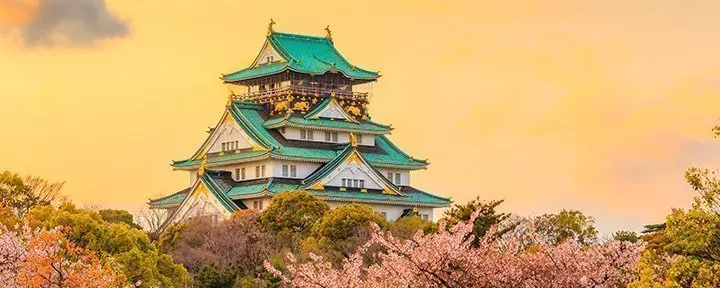
You get Japan to your very core on this big tour. Experience famous highlights like Tokyo, Kyoto, Hiroshima, Kanazawa and Osaka spiced with less famous pearls like Okayama and Naoshima.
Comprehensive package of excursions:
Looking for departure dates in 2027? Then check out this tour.
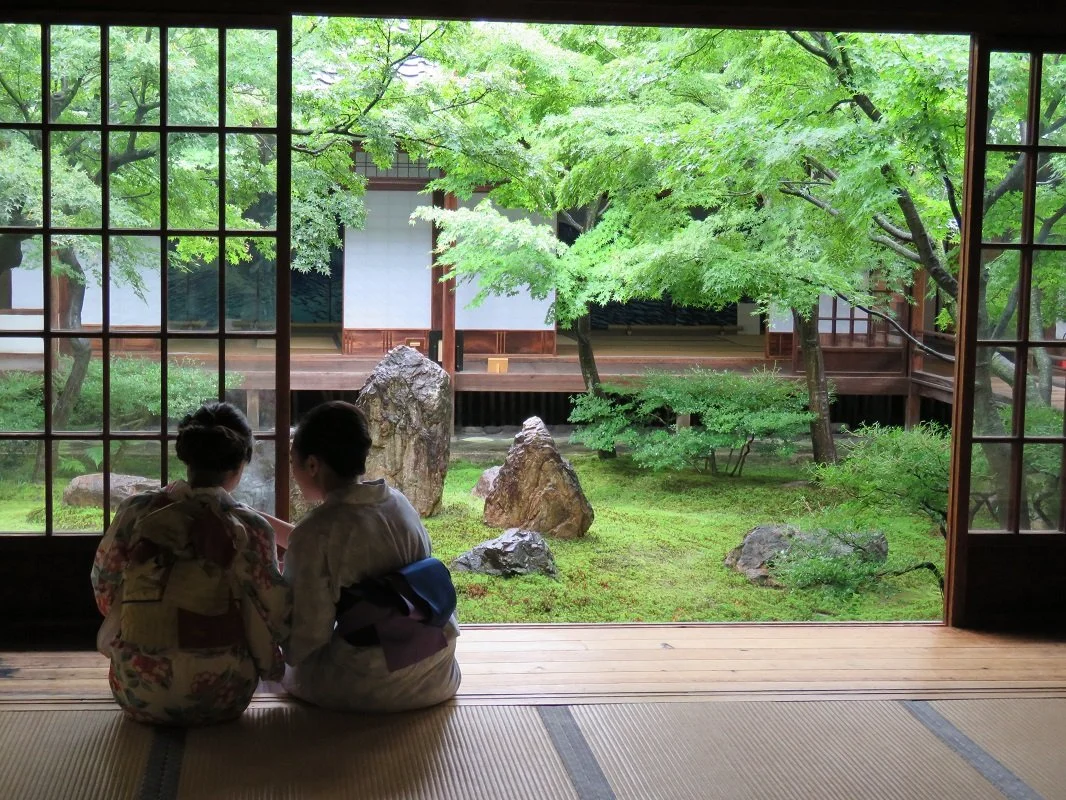
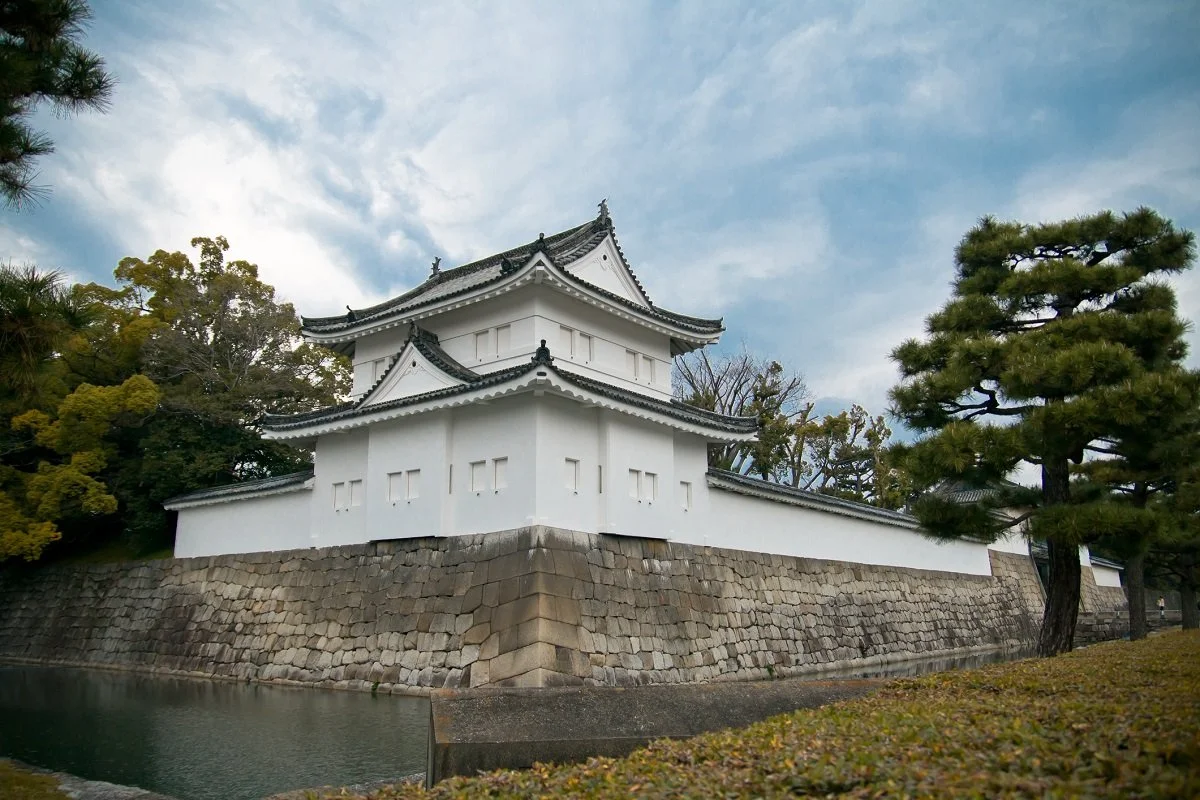
In our “The best of Japan” tour, we offer you the most famous sights and some hidden gems. Your route from Tokyo to Kanazawa, Kyoto, Okayama, Hiroshima and Osaka, will over the course of 18 days offer you a near-complete glimpse into the culture, history and modern day of Japan. You will experience skyscrapers, modern architecture, old cultural towns, gorgeous wooden castles, living geisha districts, the Hiroshima Peace Park and the Atom Bomb Dome, as well as a look at some Japanese Zen gardens.
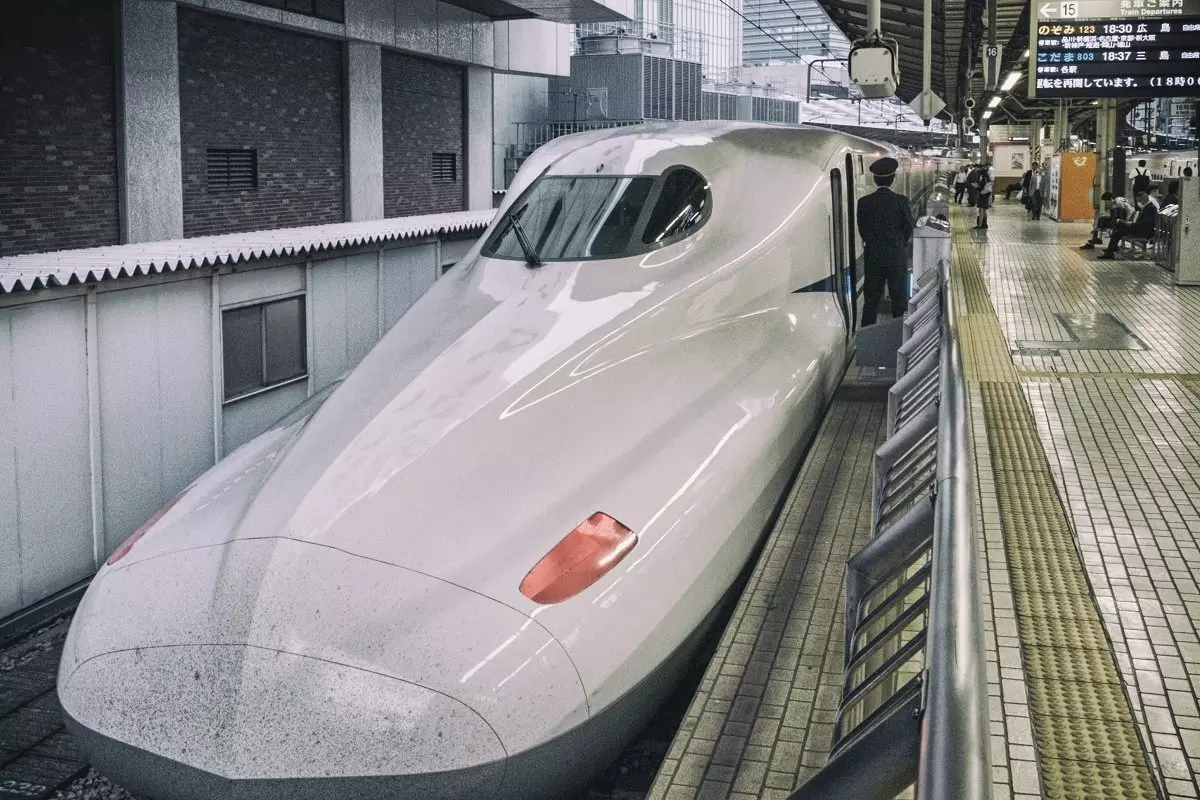
You travel by high-speed trains or bullet trains from city to city, as this is the most efficient way to get around. Trains and stations in Japan are an experience all to themselves; everything works like clockwork, and delays are unheard of.
Food in Japan is excellent. The Japanese eat plenty of vegetables and prefer fish and shellfish to meat and poultry, and this is reflected in their menus as well. In the bigger cities, there are of course a wealth of international restaurants to choose from too.
No matter which part ends up being your own highlight, the tour is quite simply an incredible experience in one of the greatest cultures of the East.
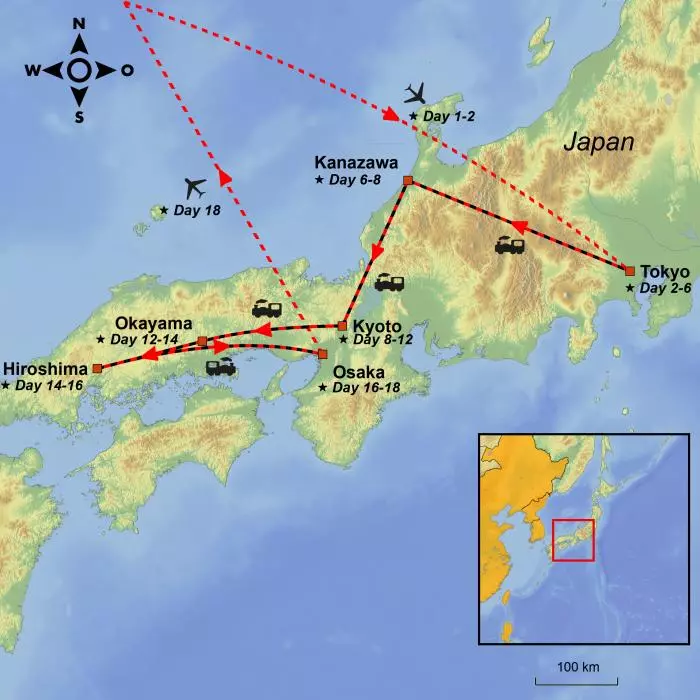

Today, you will depart from your chosen airport to Japan with connecting flight(s) along the way.
Welcome to Tokyo! After landing, you’ll go through immigration and collect your luggage. Outside the arrivals hall, your driver will be waiting for you, holding a Green Tomato or Cherry Tomato sign, and will take you to your hotel. Upon arrival at the hotel, you’ll receive your welcome pack.
In your welcome package, you will find your itinerary and your Shinkansen train tickets.
After checking in at the hotel, the rest of the day is free for you to enjoy Tokyo at your leisure.
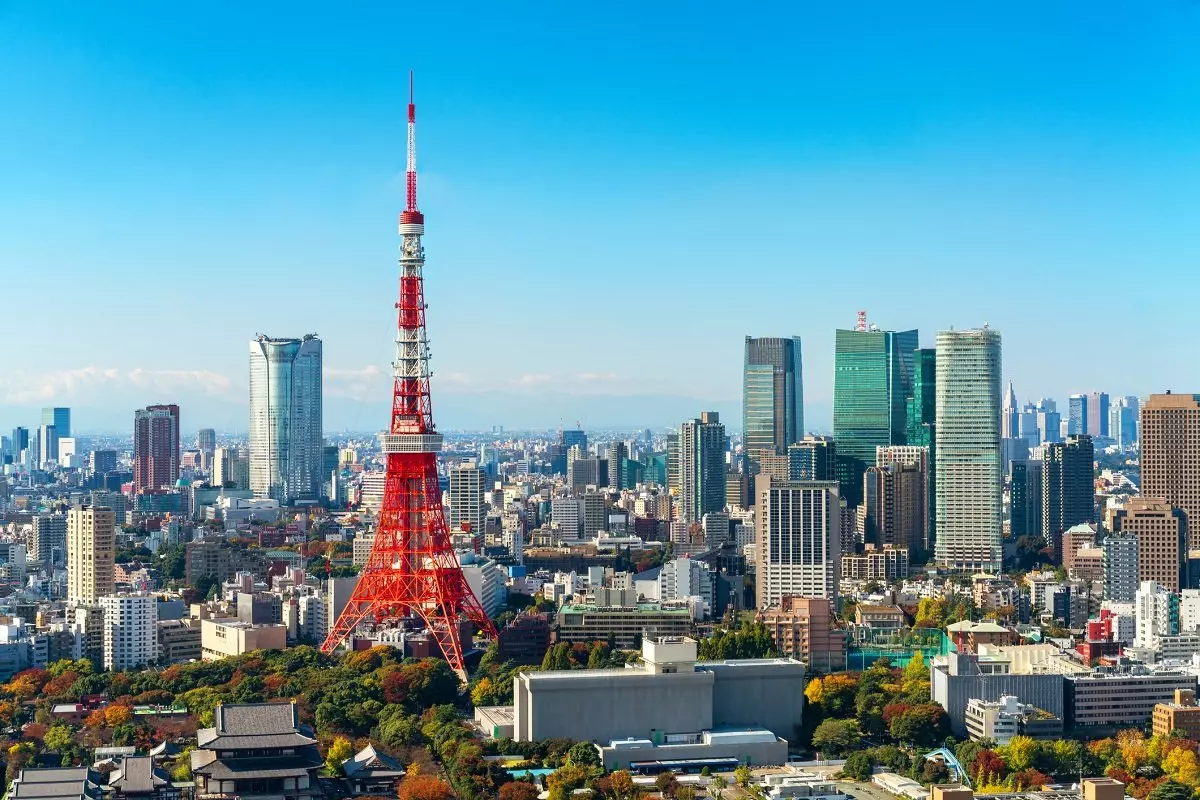
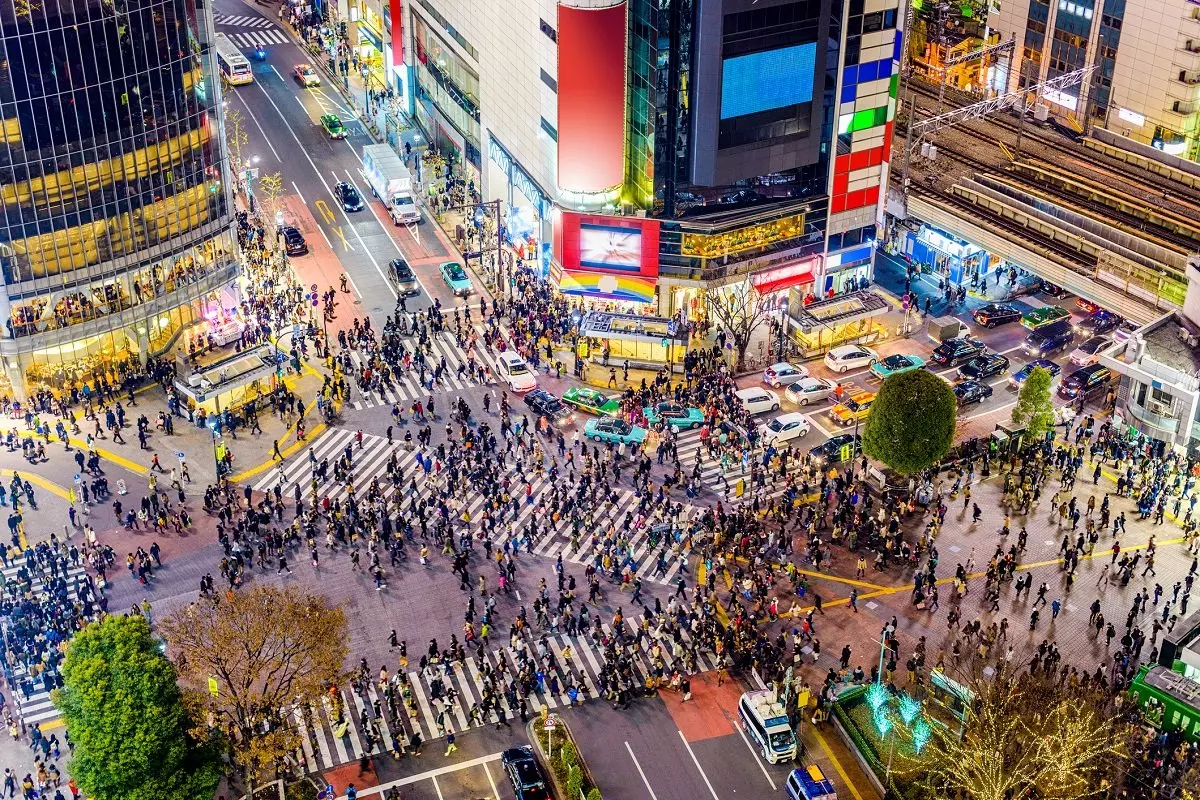
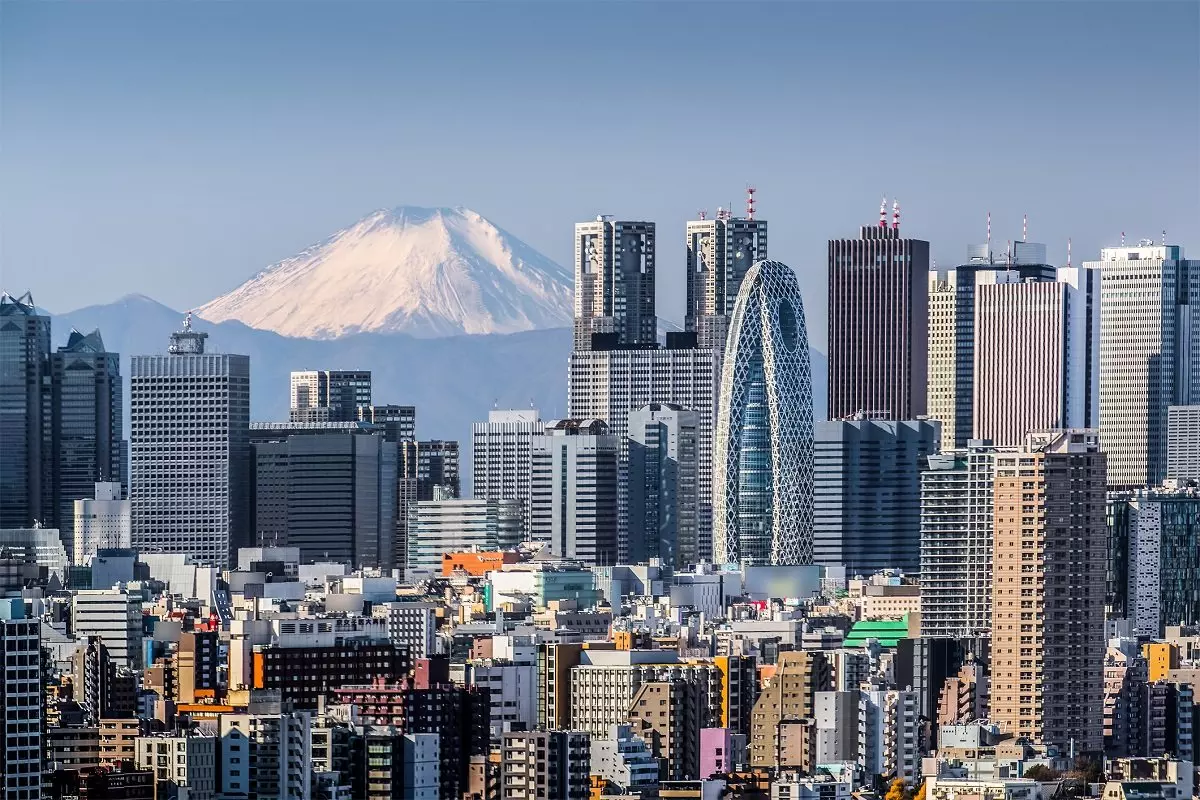
Tokyo is bustling beyond belief. Futuristic architecture, skyscrapers, and neon lights flashing in every imaginable colour. And people everywhere. You might think the crowds spell chaos, but as is the case with everything in Japan, the traffic (and pedestrians) flow rather smoothly. Everything and everyone has its place, and it’s all remarkably efficient – once you get the hang of it.
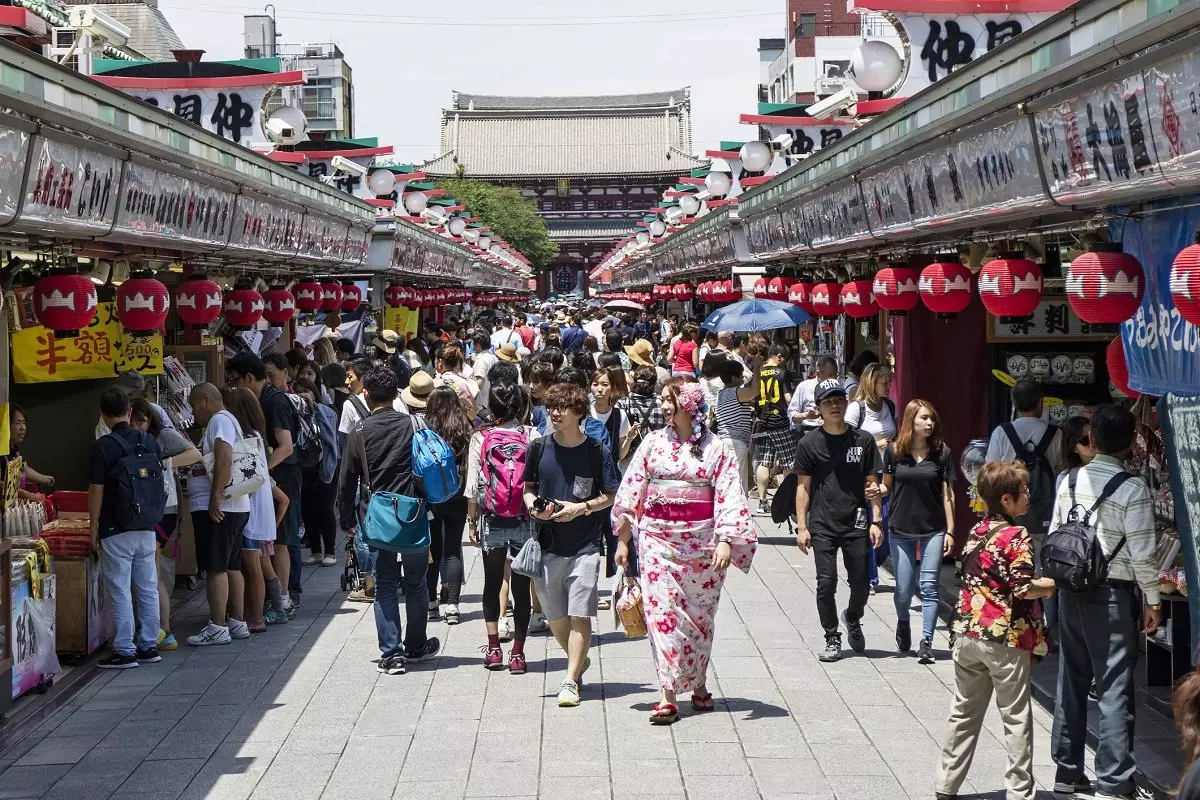
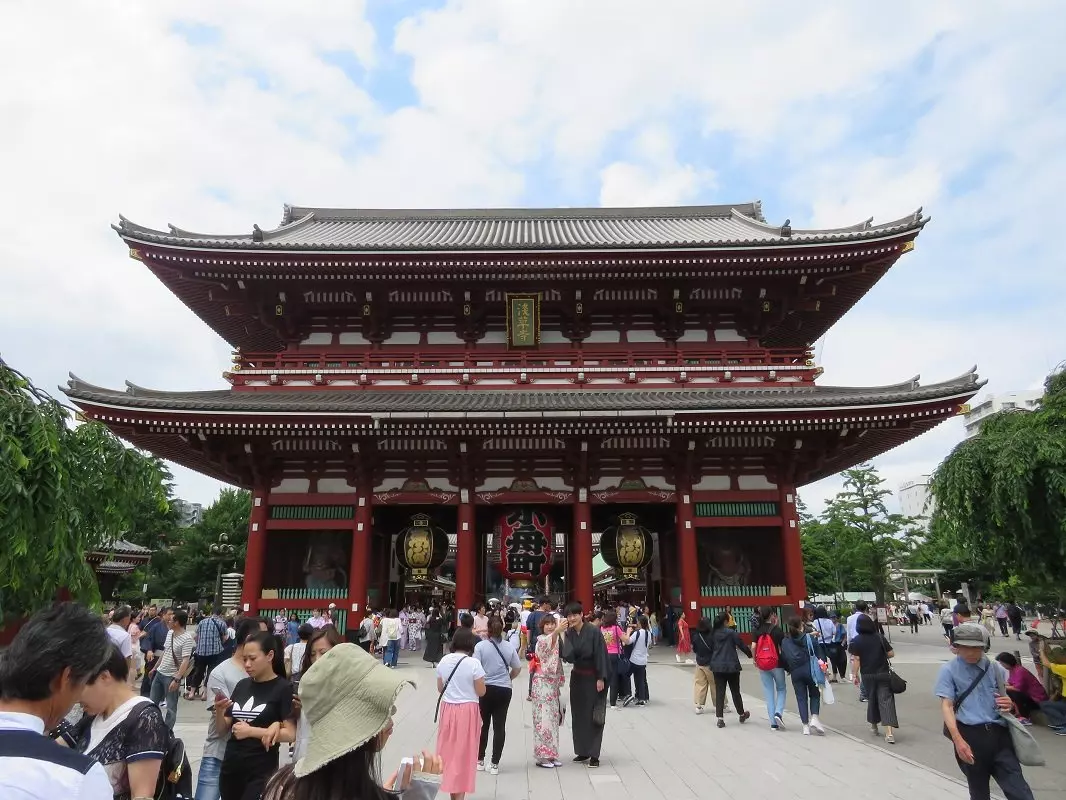
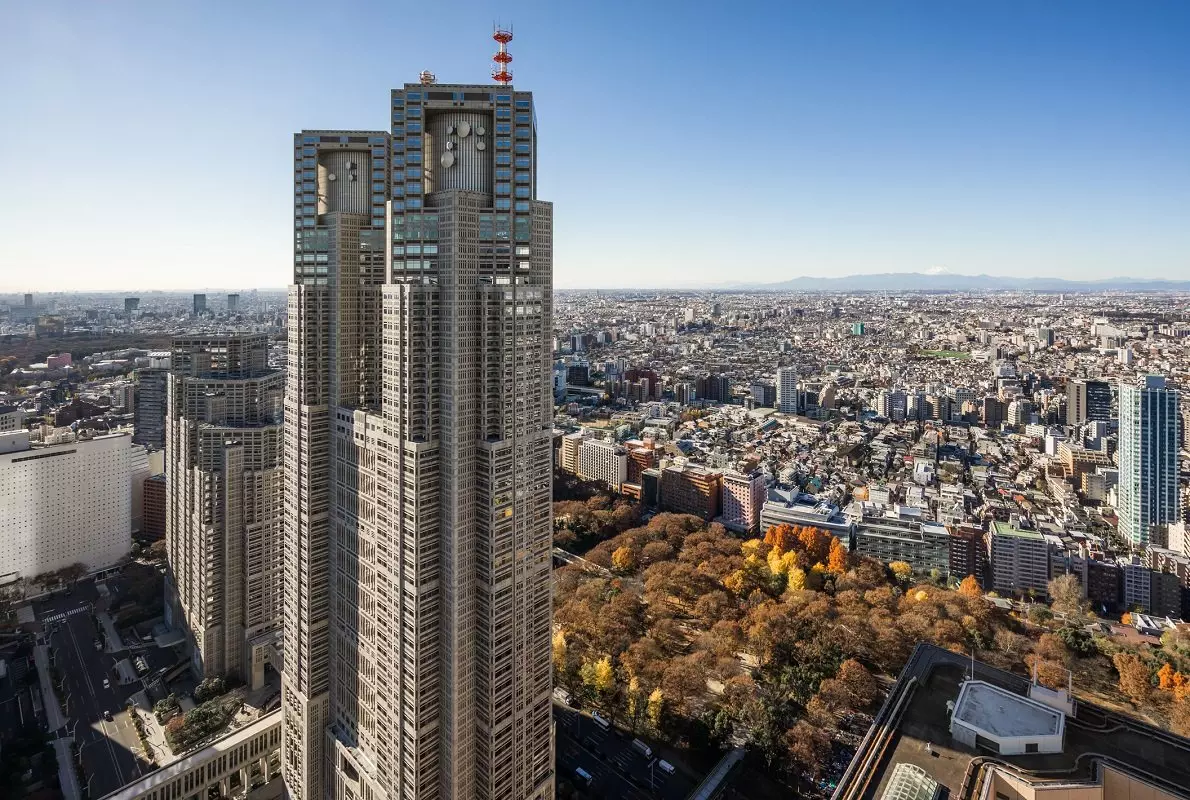
Today at 9am, you will meet your guide in the lobby, where a welcome meeting will be held. During the meeting, the guide will go over the programme for the coming days, explain practical matters, and answer any questions you may have.
An exciting tour of Tokyo then awaits you, which will give you a good overview of a few of Tokyo’s different districts.
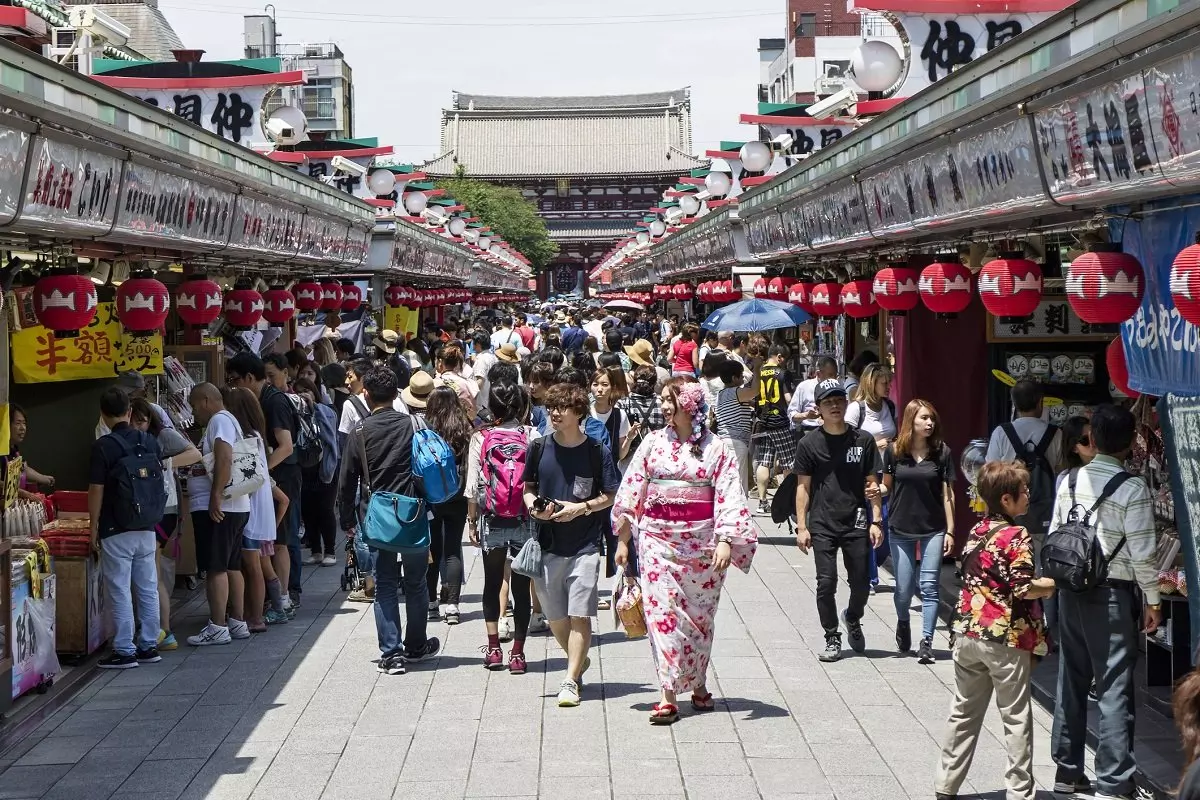
The tour starts in Asakusa. Asakusa was once Tokyo’s biggest entertainment district. This is where the geisha lived, side by side with gangsters and pickpockets. The whole area was destroyed during World War 2 and has been rebuilt at a smaller scale, and most of the geisha are here for the tourists’ sake. But you can still experience its history today, as you walk through these streets. The contrast can be felt quite clearly, just as it can be felt all over Japan – the contrast between the old and the ultra-modern.
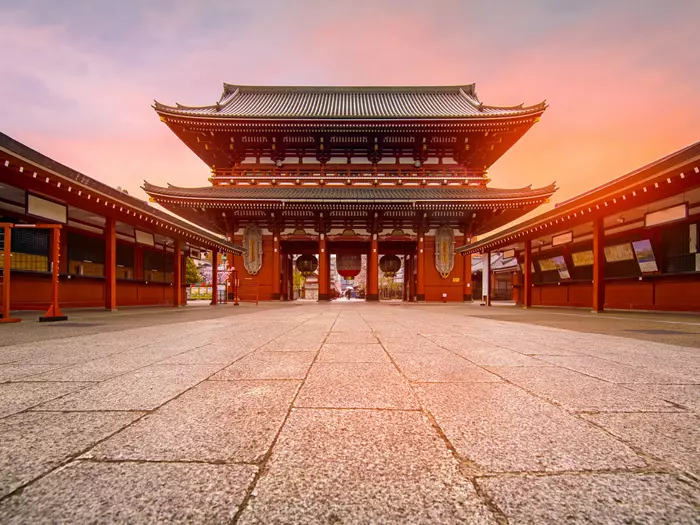
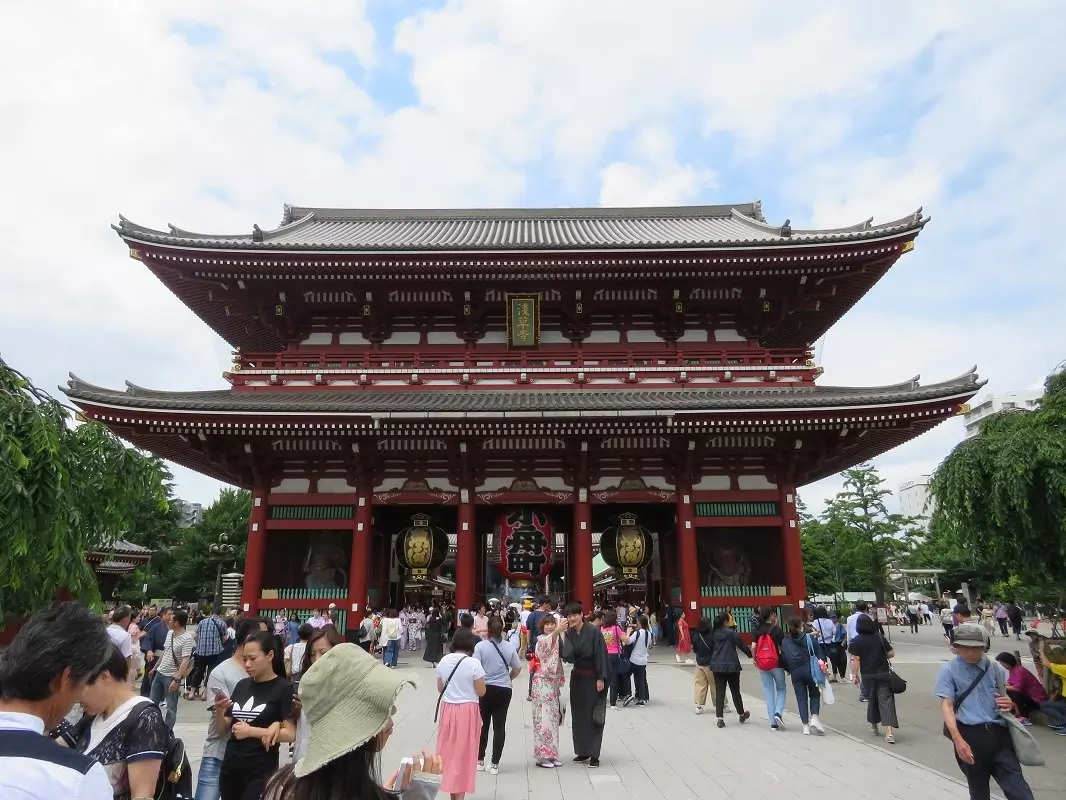
Asakusa is also where you can find the oldest temple in Japan, Sensoji Temple. Sensoji is the oldest temple in Tokyo, and for many Japanese people, coming here to light incense is of profound importance. Nakamise street leads up to Sensoji Temple. Nakamise consists of souvenir shops and food stalls, and the street offers great opportunities to buy traditional souvenirs.
The tour of Asakusa finishes up at Kappabashi Kitchen Street, which can offer you everything in kitchenware. Perhaps you can find yourself a useful souvenir in the form of a new kitchen implement?
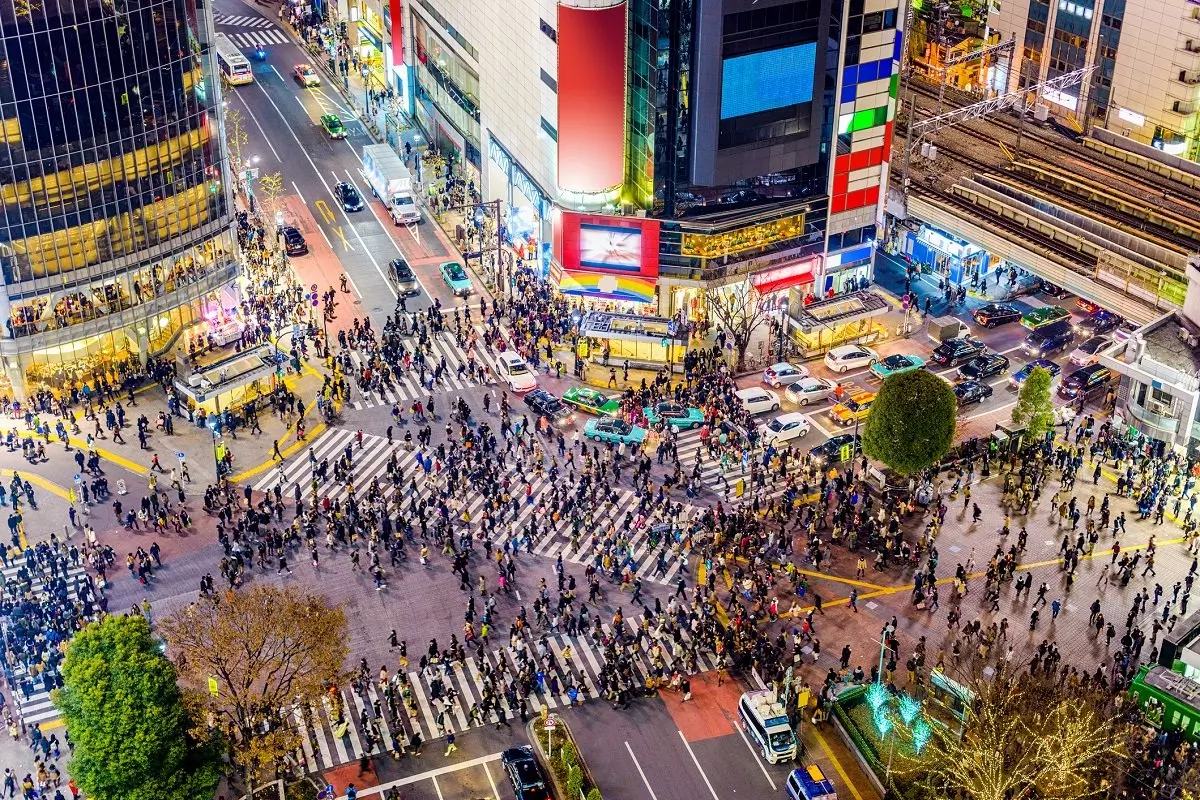
After lunch, you will visit Shibuya. You probably already know Shibuya – at least from photographs. This is where the pictures of the massive crossing packed with pedestrians, surrounded on all sides by neon lights, come from. It is also one of Tokyo’s busiest shopping districts, and it is one of the places you MUST experience when you visit Tokyo.
From here, you head to the Harajuku district with its famous Takeshita Dori street, a fashion mecca for young Japanese people.
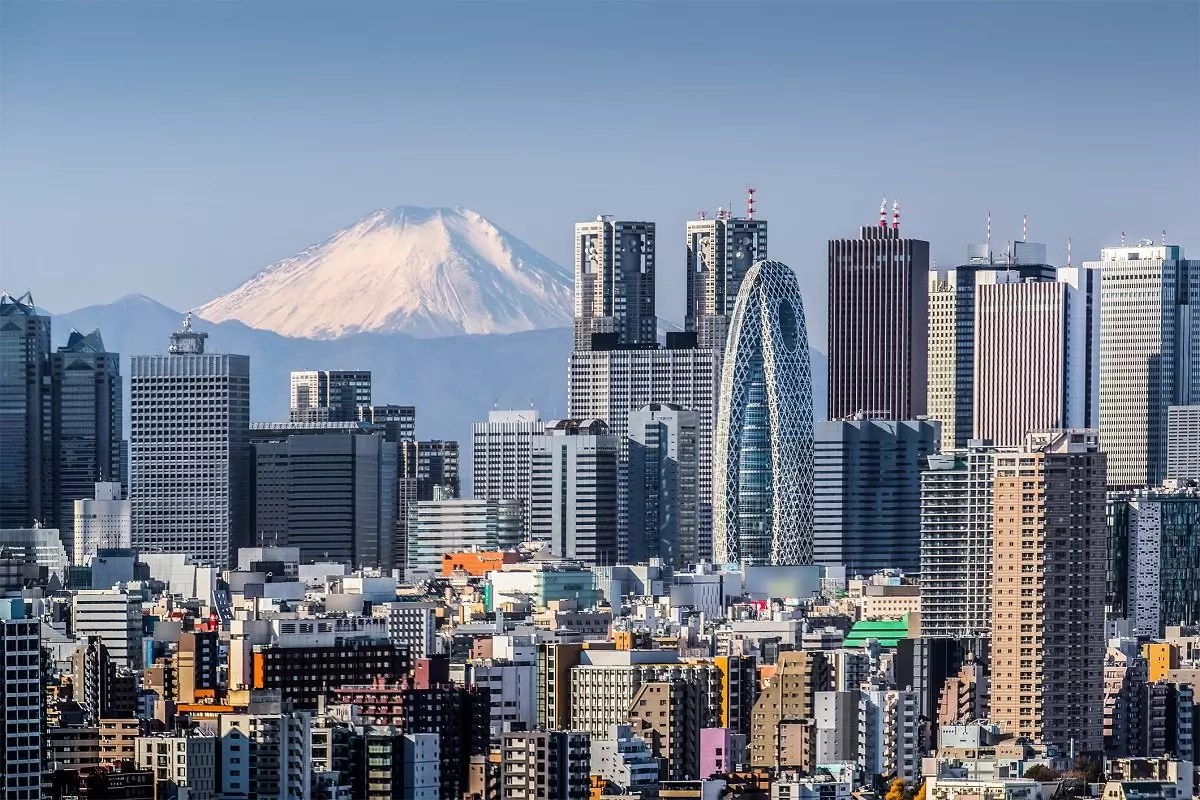
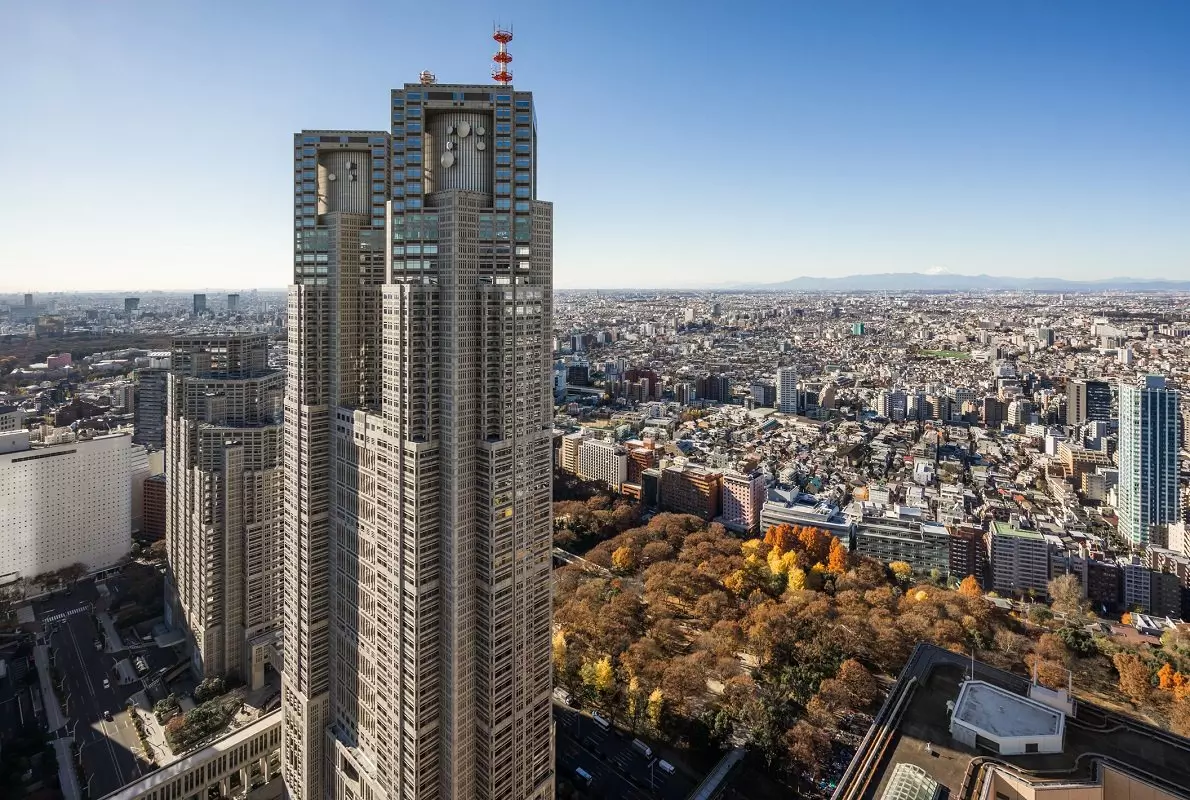
The day finishes with a great view – from the 202-metre viewing floor of the Tokyo Metropolitan Government Building. On a clear day, you can see all the way out to Mount Fuji.
The guide will then accompany you to your hotel unless you want to explore the area on your own and find your way back to the hotel later.
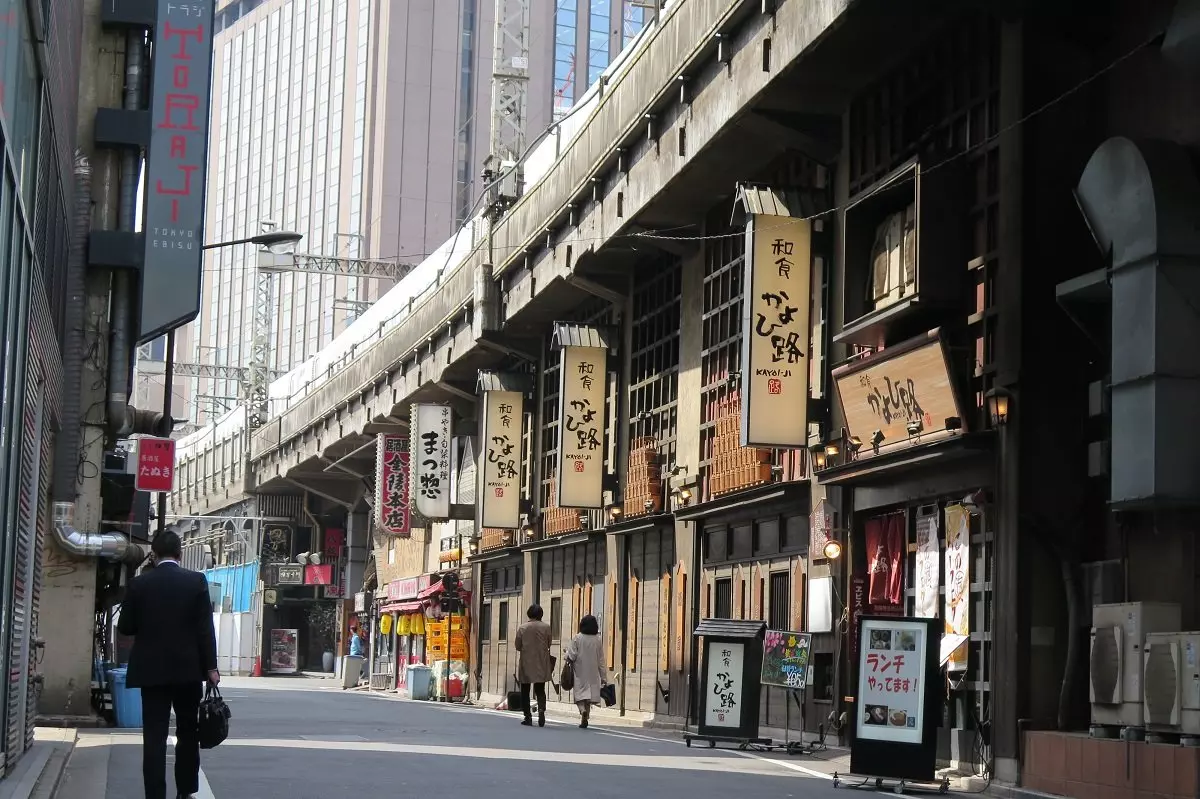
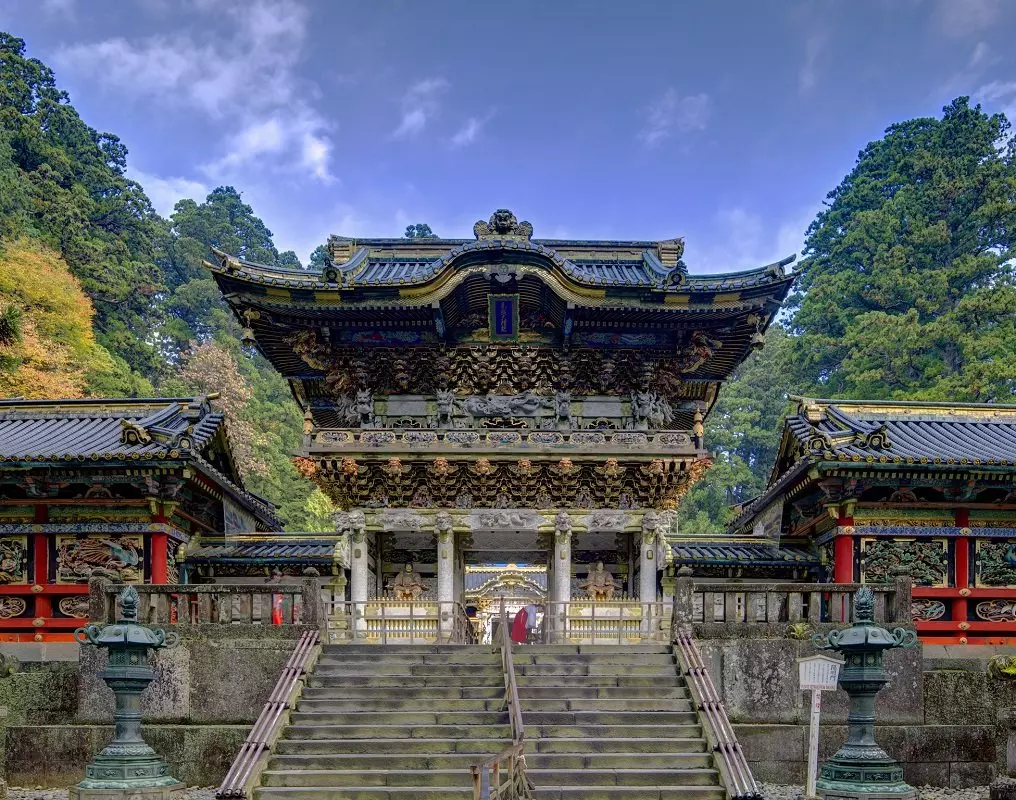
The day is at your disposal – perhaps you saw something on yesterday’s tour you’d like to explore further? You have your travel pass, so feel free to move around as you please.
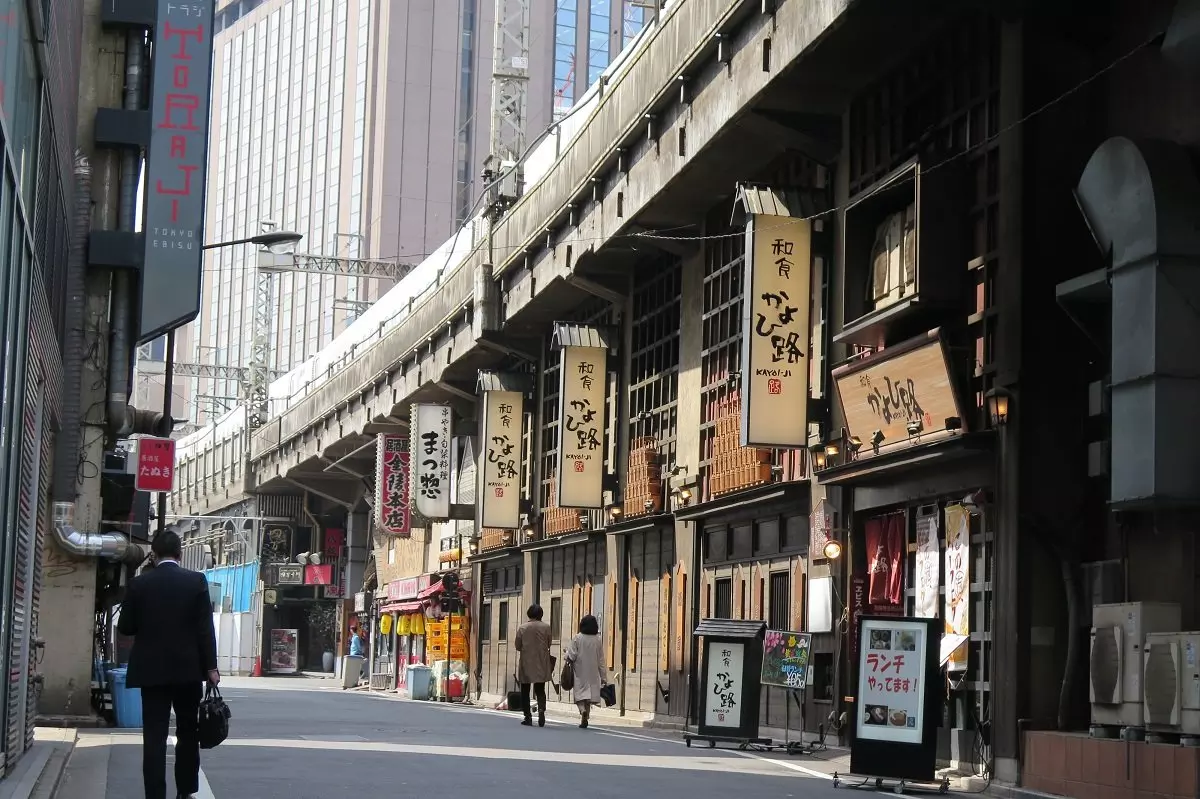
If you need a break from the bustling city life, feel free to visit the Hamarikyu Gardens, where the calm stands in stark contrast to the hustle and bustle of the city streets. In the afternoon, you can head to Shinjuku, home to some of the best restaurants in the country. Perhaps you could conclude the evening with some karaoke in the style of “Lost in Translation”?
You could also use your travel pass and make a slightly longer trip to Nikko, Kamakura, Yokohama or other destinations. You also have the option of adding an excursion on this day.
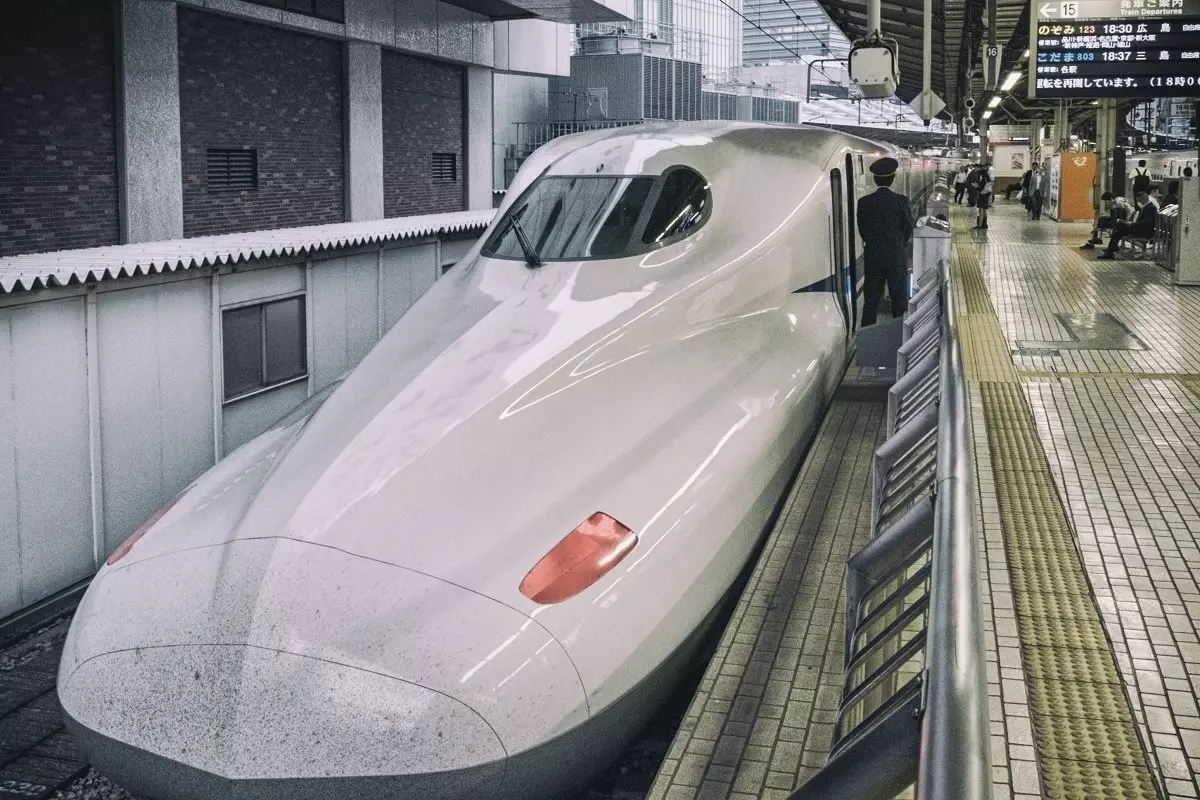
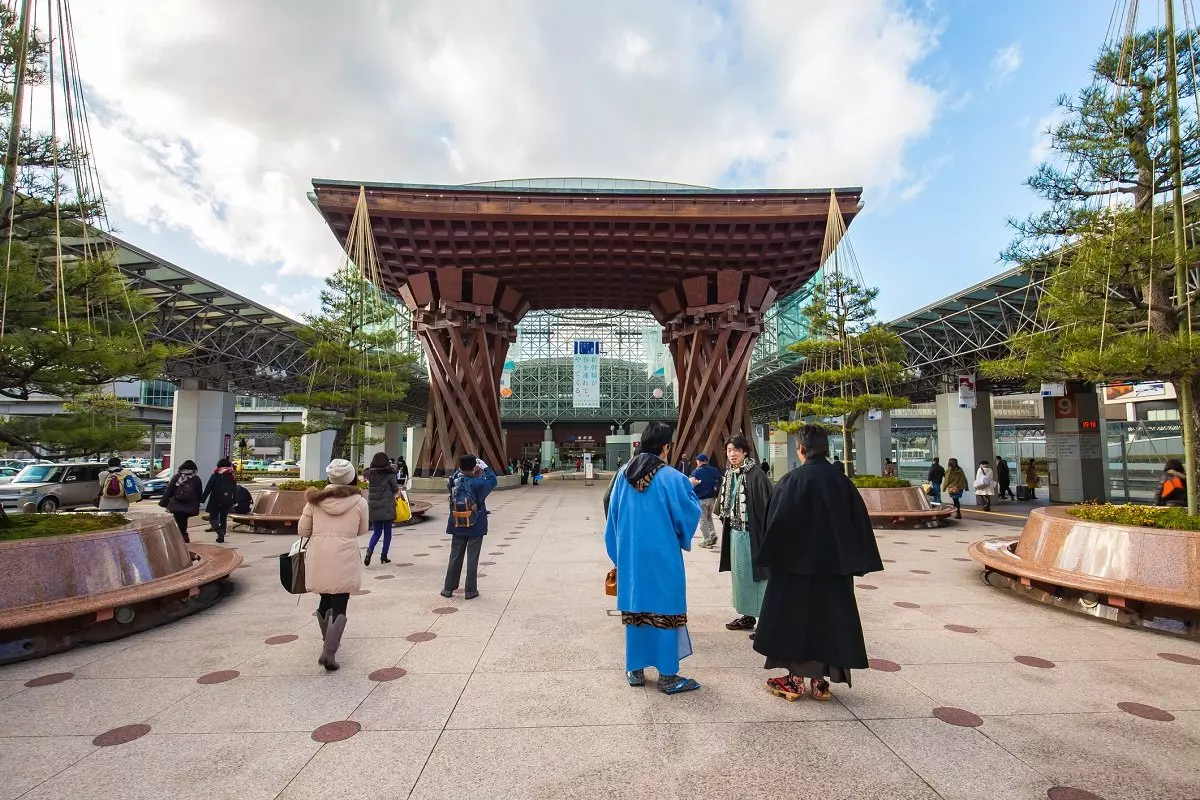
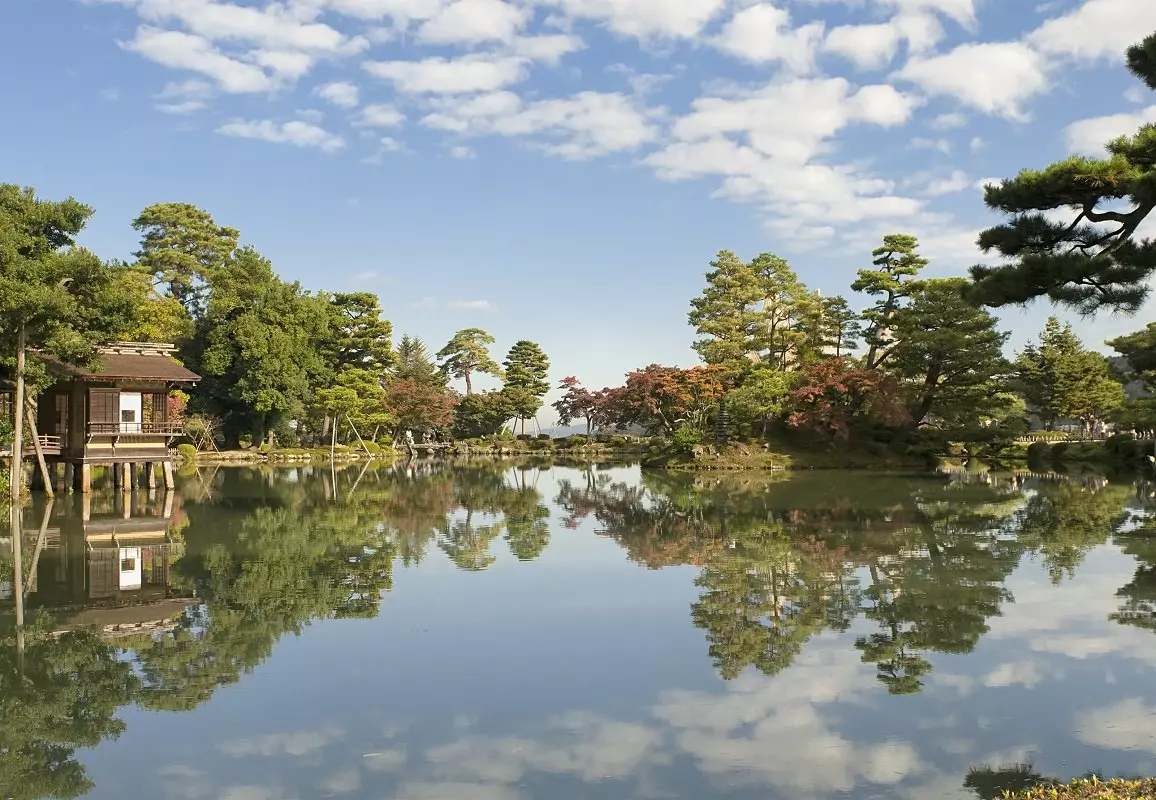
The guide will accompany you from the hotel to the station, where you will take the high-speed Shinkansen train to Kanazawa. We recommend that you bring lunch for the train journey or buy something on board.
The 450 km train journey to Kanazawa takes just 2½ hours at speeds of up to 300 km/h. The bullet trains pull 6, 8, 12 or 18 cars. The information signs at the station show how many cars each train is pulling. The information signs also switch between Japanese and English. When you are down at the platform, the platform itself is marked to show you exactly where your car will arrive. Icons are painted on the platform, e.g. “6 cars – car 5” or “12 cars – car 3”. So once you get an eye for the system, it’s very convenient. The Japanese furthermore have a wonderful queuing culture. You neatly get in line at the relevant platform icon, and walk calmly and quietly into the train in the same order you arrived in – no rushing ahead or jumping the queue!
Trains run very punctually throughout Japan, and delays of more than a few minutes are exceedingly rare, becoming a major topic of discussion both on the train and in national news on television and the radio when they do occur.
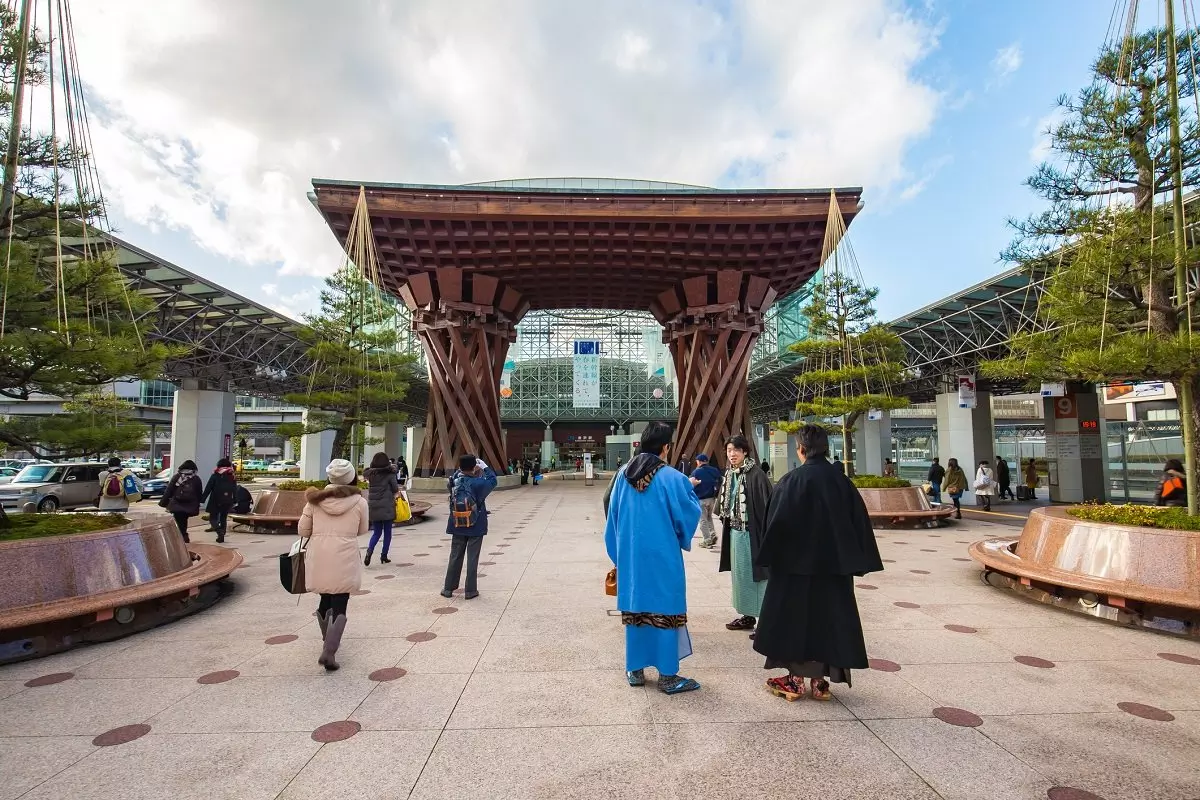
Once in Kanazawa, your guide will meet you on the train platform and accompany you to the hotel. After check-in, there is a half-day guided walk to some of the city’s highlights.
You start at the Terashima Kurando House, which is a spectacular samurai house with a nice garden and art made by the warrior himself.
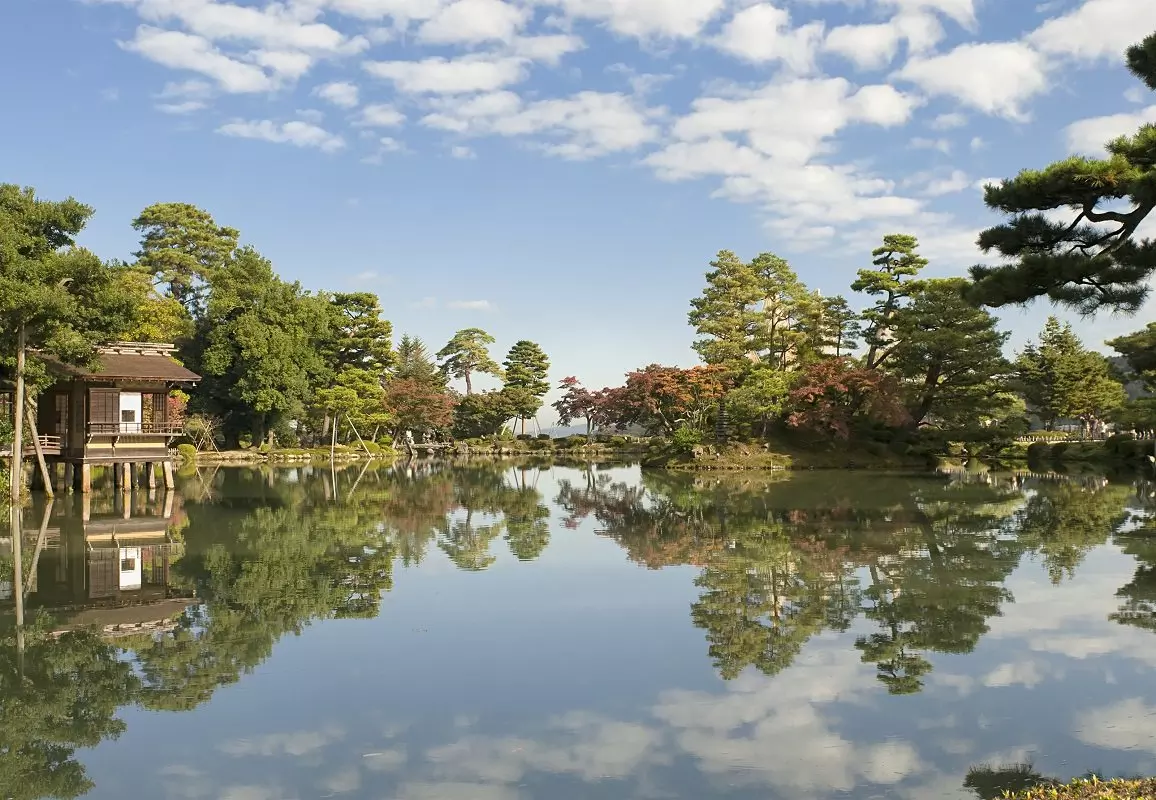
Afterwards you head to the almost 400-year-old park, Kenrokuen, which is considered to be one of Japan’s three most beautiful parks. This has made it extremely popular. The name Kenrokuen refers to the perfect aesthetic combination of water, space and seclusion, which are some of the elements involved in creating a beautiful Japanese garden.
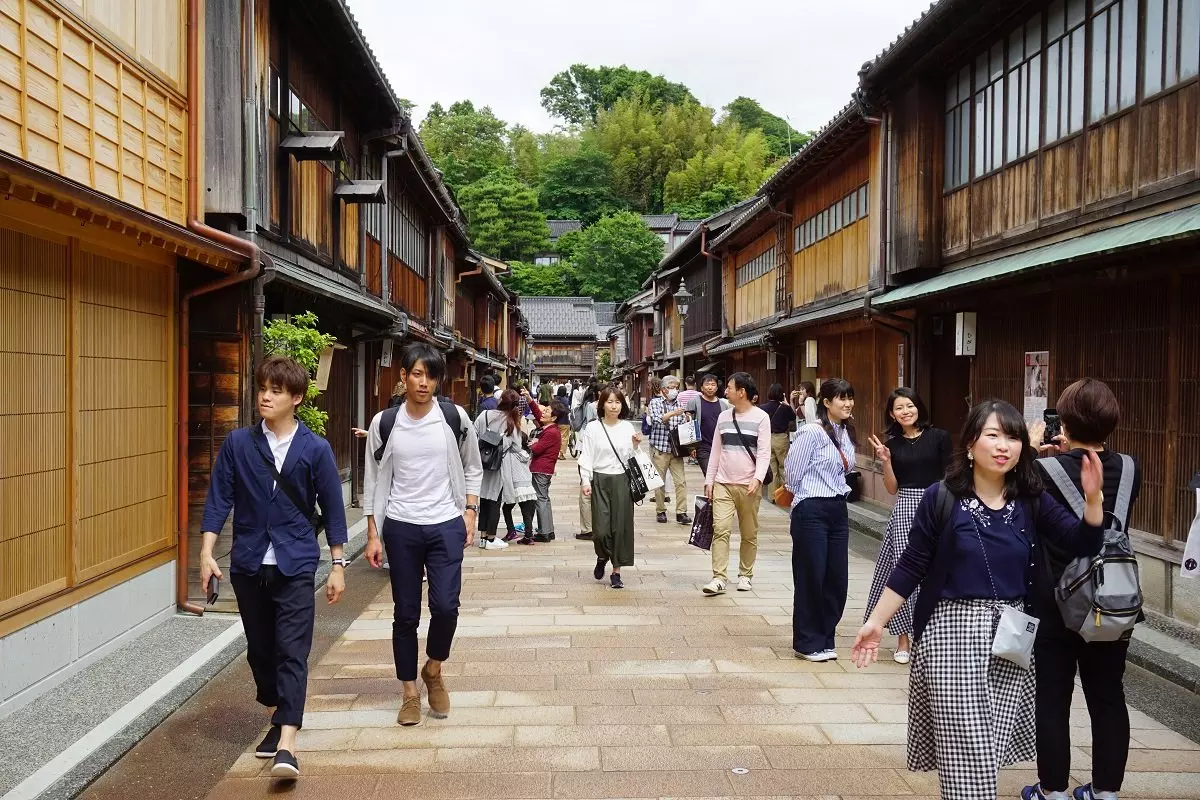
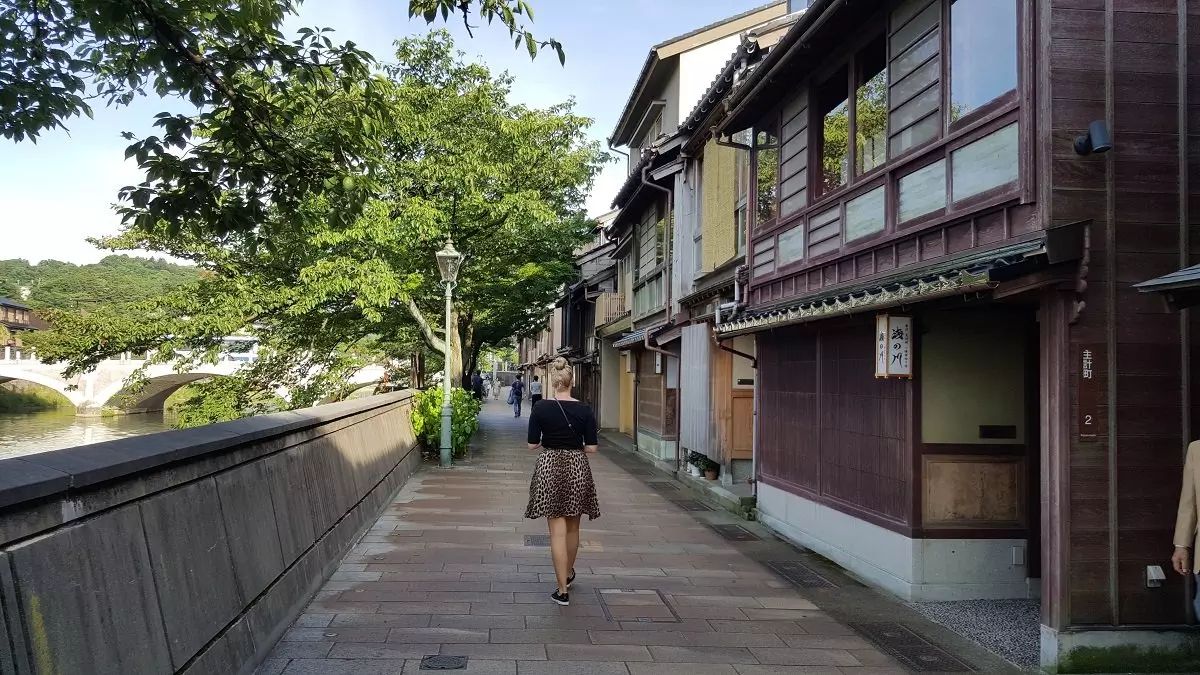
From Kenrokuen, you walk through the city’s picturesque alleyways to the Higashi Chaya district, one of the best-preserved tea-house neighbourhoods from the Edo period. Here, you visit the traditional Kaikaro tea house, which still functions as a tea house to this day.
After the tour, the rest of the day is at your leisure. The guide will accompany you back to your hotel unless you want to explore the area on your own and find your way back to the hotel later.
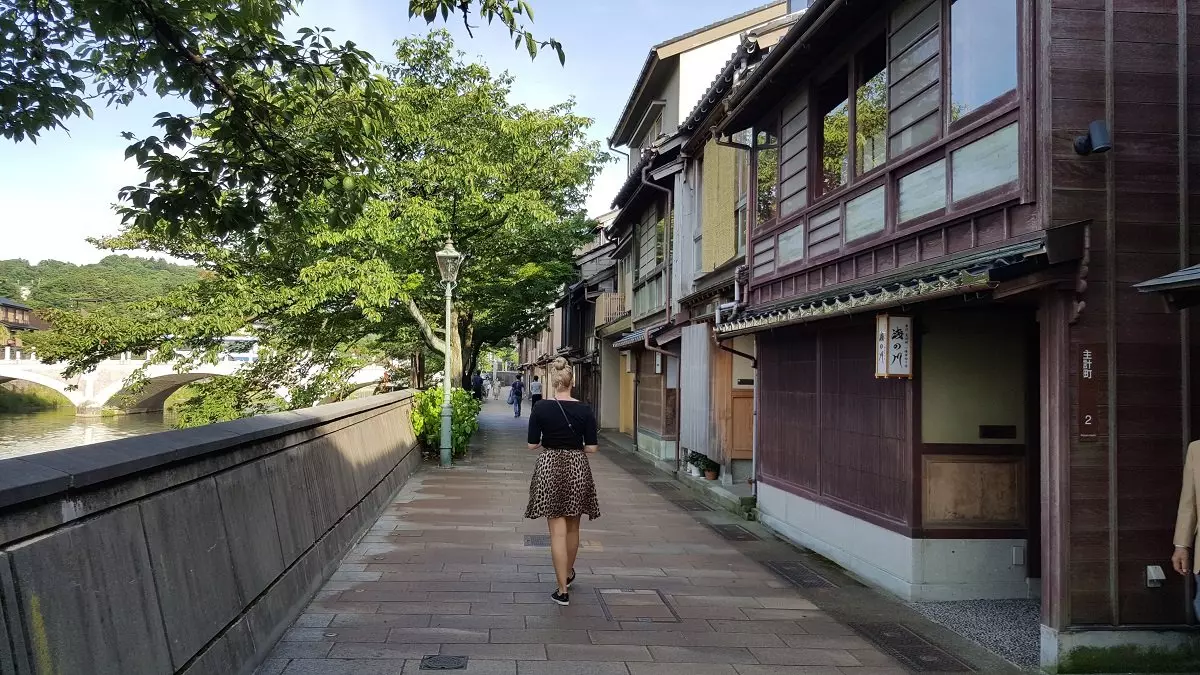
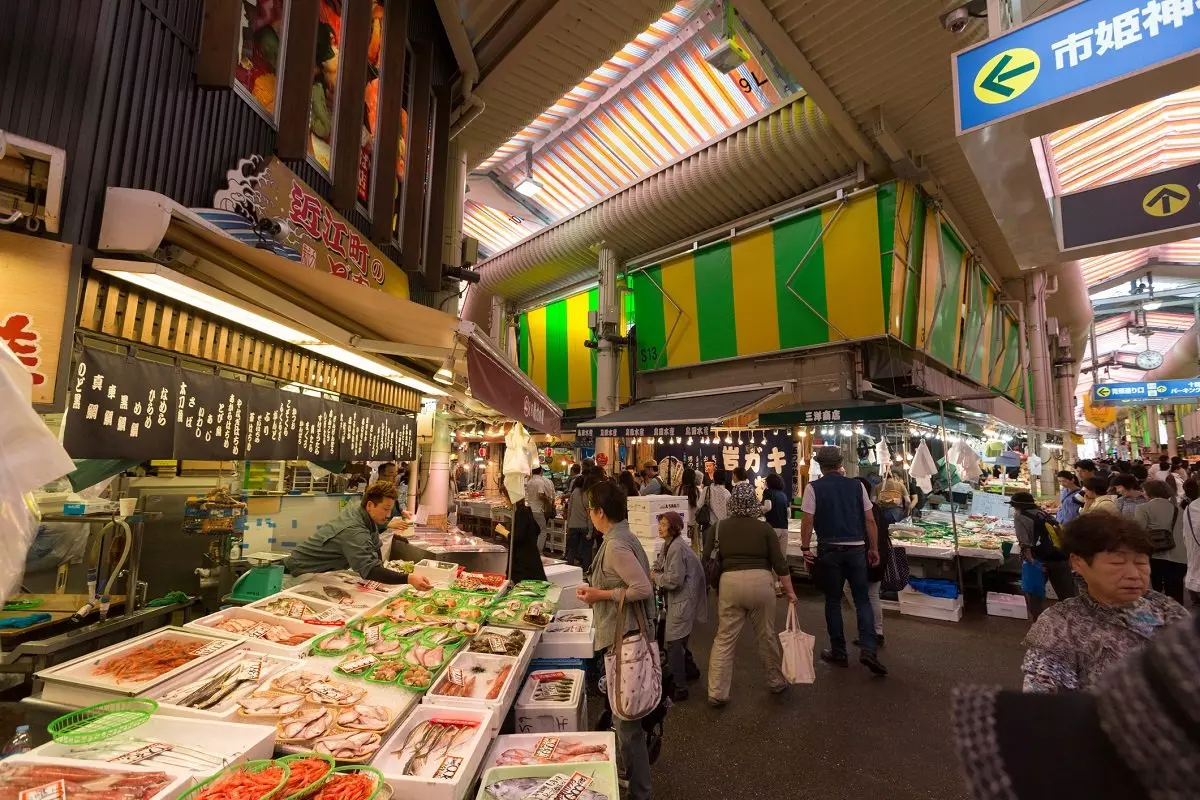
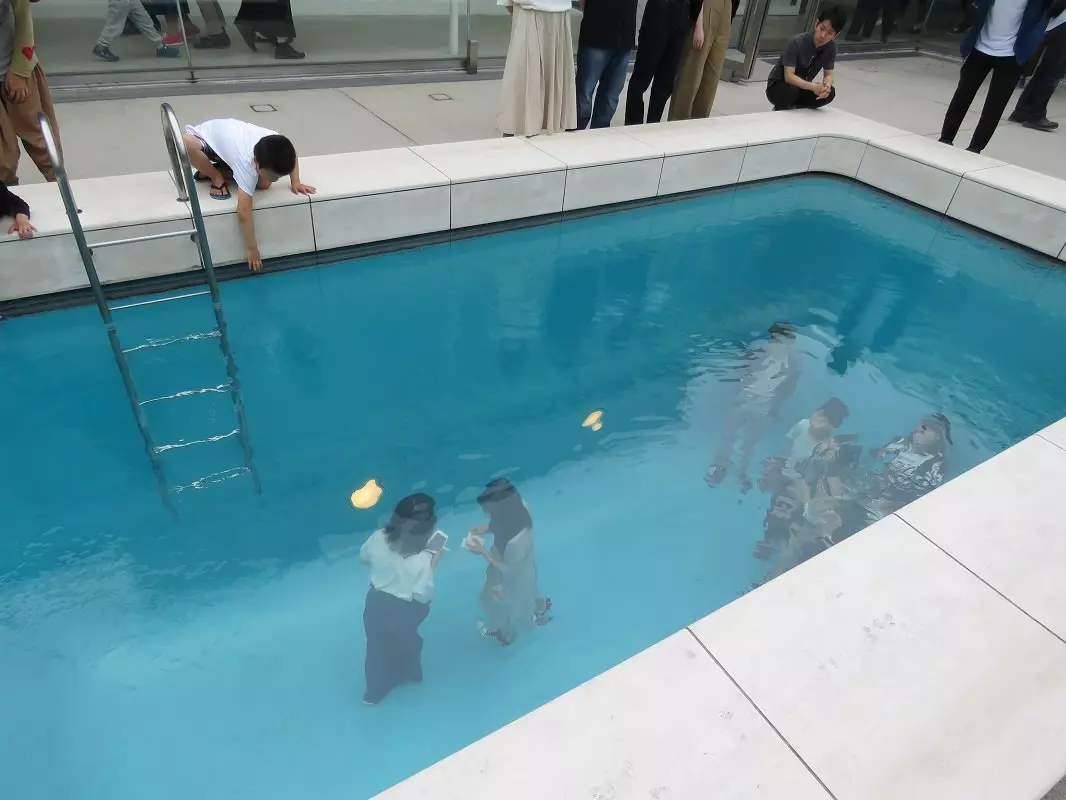
The day is at your leisure to explore Kanazawa. Most of the sights of the city are in walking distance. You can also choose to purchase an excursion.
You can visit three of Kanazawa’s active geisha districts, Higashi Chayagai, Nishi Chayagai og Kazuemachi. As previously mentioned, Kanazawa wasn’t bombed during WW2, so many beautiful, original buildings have been preserved here. In the winter season, protective straw mats are placed against the walls to protect them.
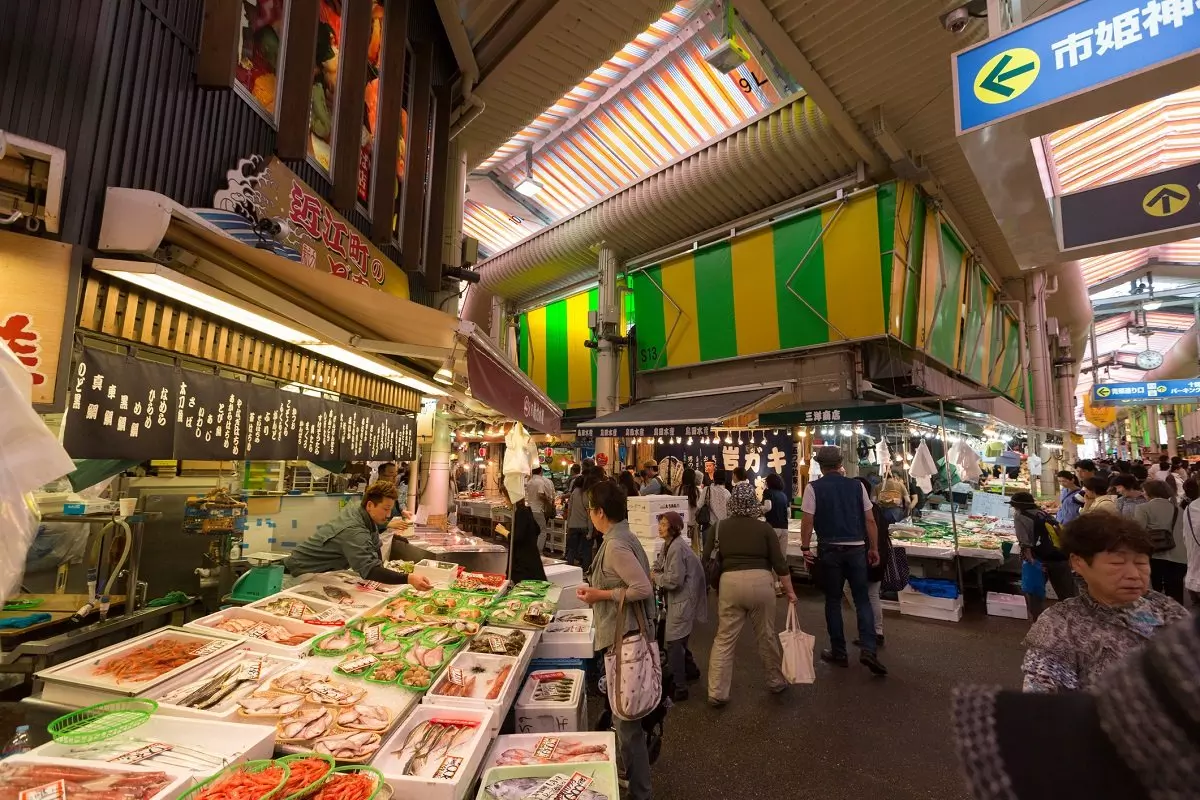
Eat lunch in the merchant district of Owaricho and visit the famous Omicho market, where food products are neatly arranged and presented like small works of art. Take a walk through the old samurai district and take in the city’s unique atmosphere.
Along Hirosaka street, you can find exclusive bowls made with lacquer, ceramics or a unique type of porcelain, kutani-yaki. You can find everything from traditional designs to modern versions with “Hello Kitty” characters.
In the southern end of the city is a ninja temple, heavily fortified using all the tricks of the trade. Here you can explore hidden passages and secret rooms.
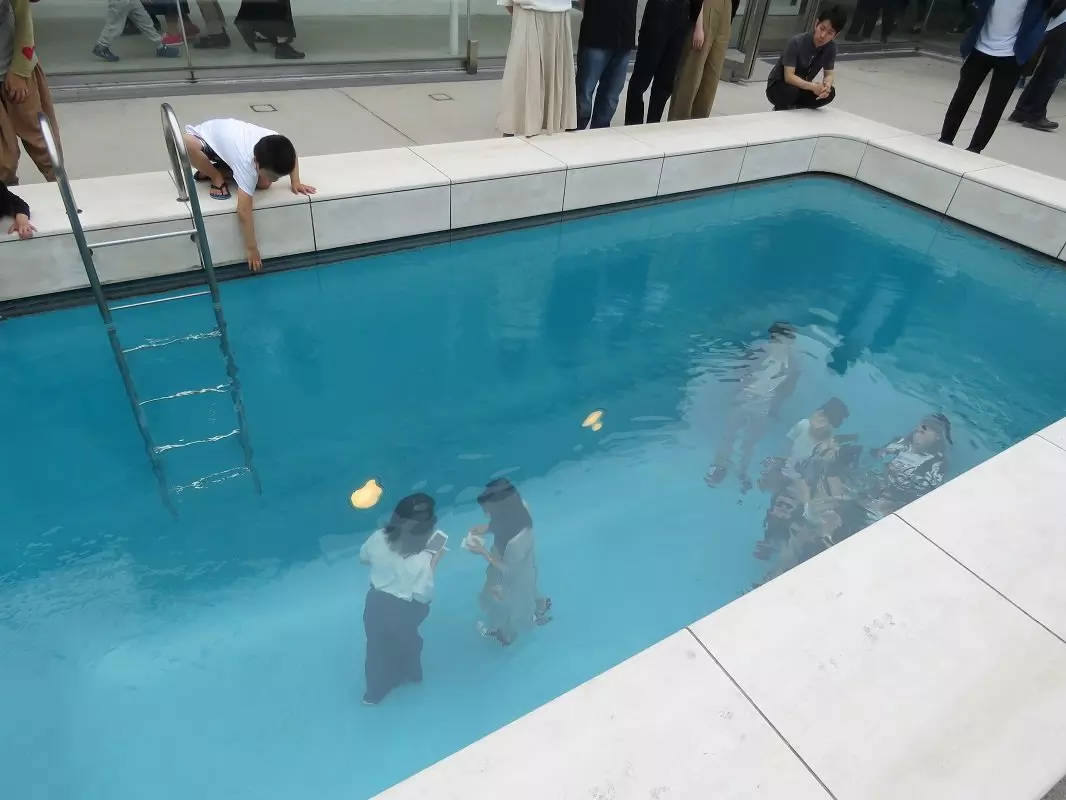
Our last recommendation here is for an activity that stands in stark contrast to the rest of the Kanazawa experience: a visit to the 21st Century Museum of Contemporary Art. Here you will only find art and installations made after 1980 – from both Japan and around the world.
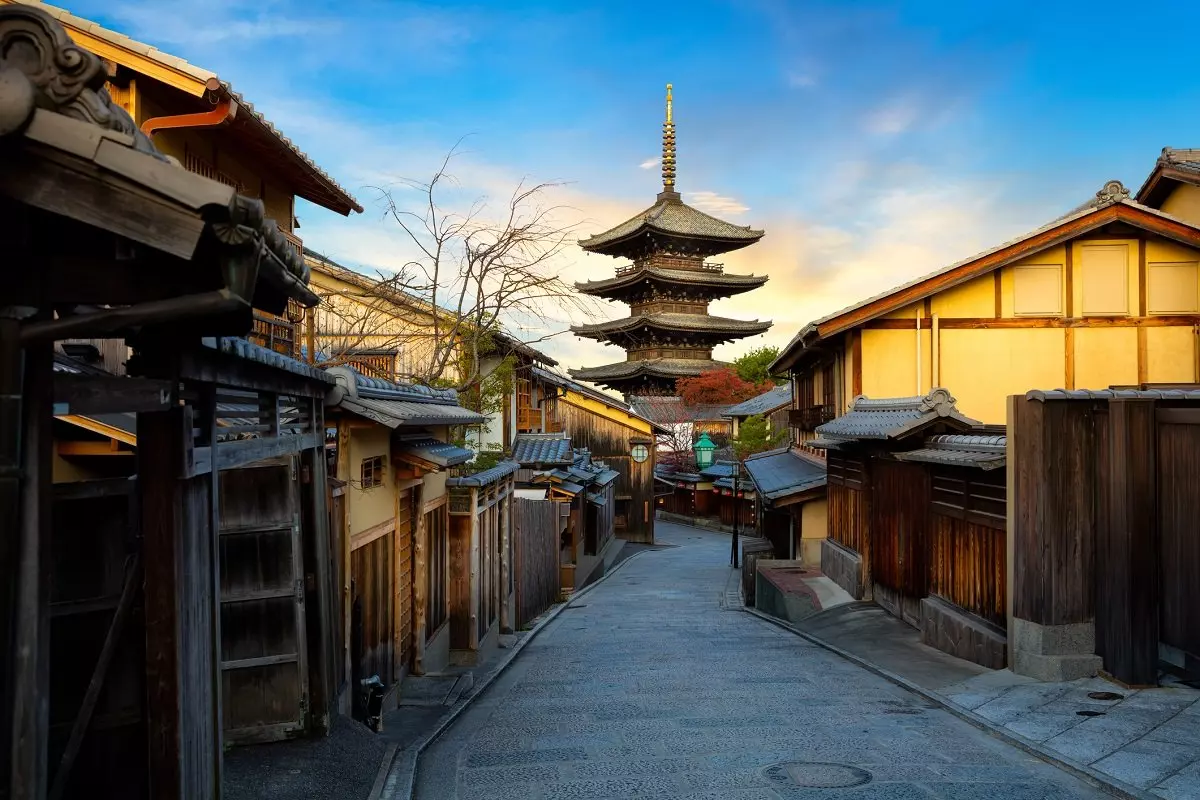
Today, you say goodbye to the picturesque and charming Kanazawa. You check out of the hotel and make your way to the station on your own, where you take the limited express Thunderbird bullet train on to Kyoto. This journey lasts about 2 hours with a change in Tsuruga. We recommend that you buy a bento box – the Japanese equivalent of a packed lunch – at the station in Kanazawa. There are many different bento menus available, and they are a good lunch for a train journey.
At the train platform in Kyoto, you will be greeted by your guide, who will show you the easiest way to get to your hotel, either by taxi or public transport.
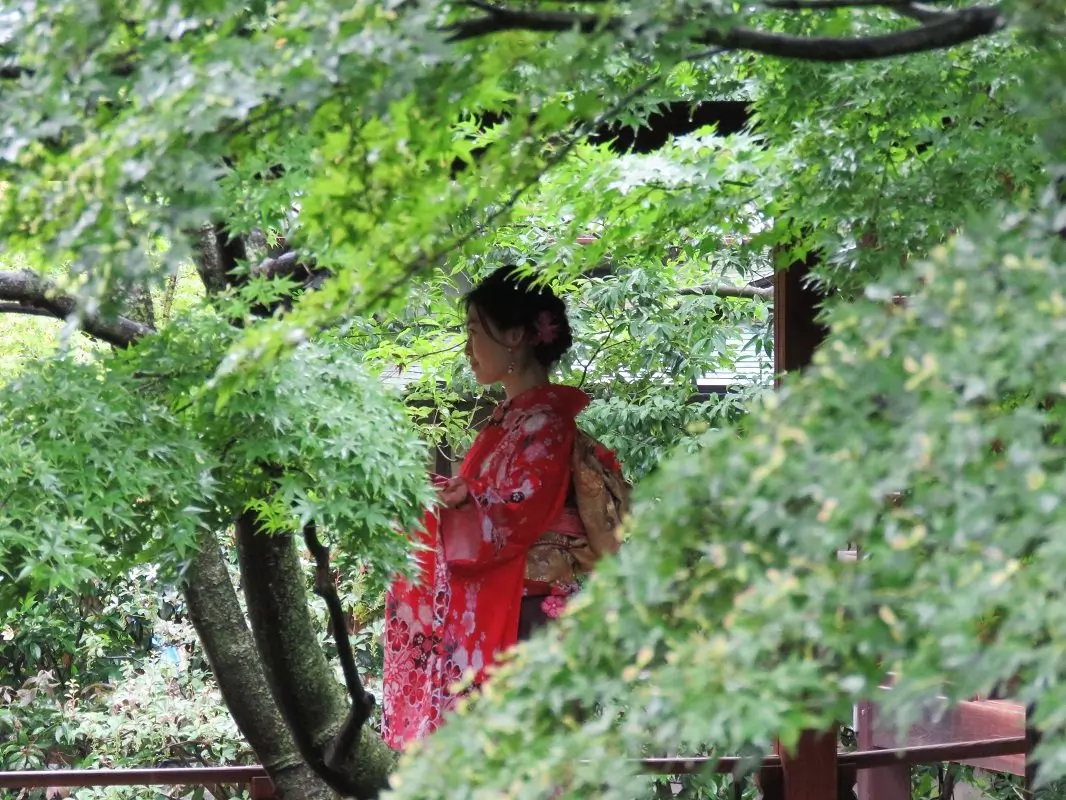
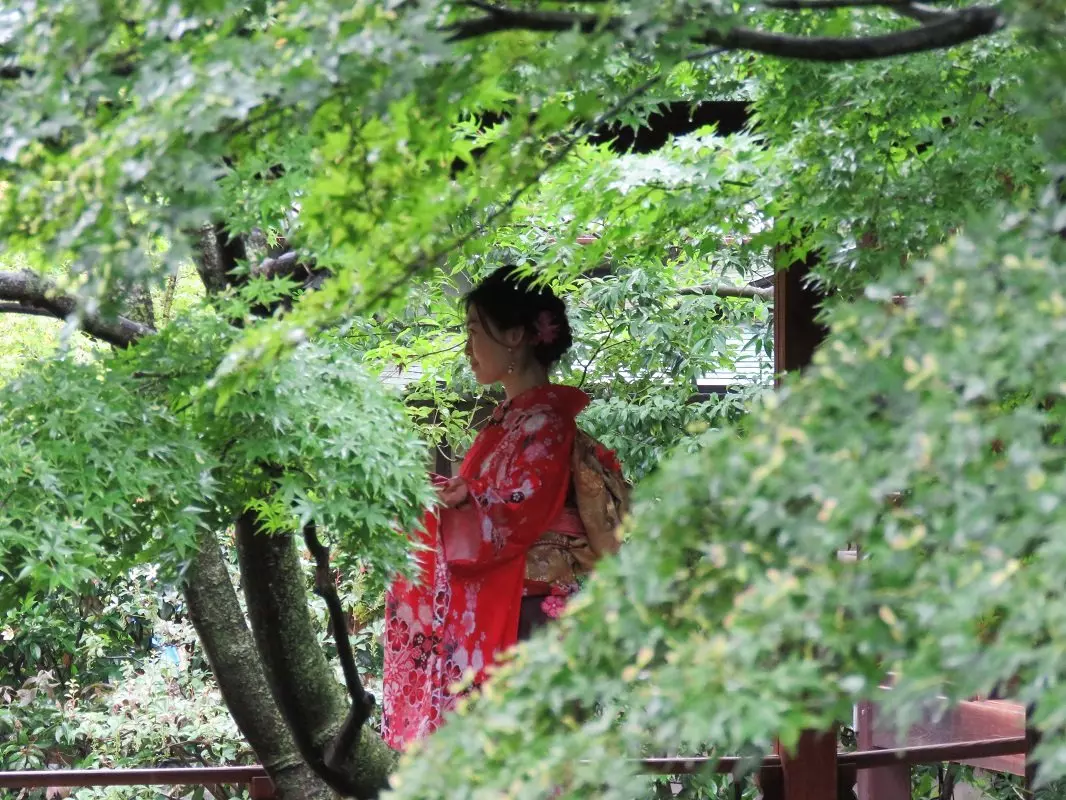
You can simply walk the streets and take it all in. You’ll soon discover that there are many Japanese tourists in Kyoto, and one of the popular activities here is to dress in a traditional kimono for a day – and this goes for men and women alike. They are wonderfully colourful, and young people in particular clearly it to be a lot of fun.
Kyoto holds a truly special place in Japan’s history and culture. With three days to yourself in this remarkable city, you’ll have plenty of time to explore not only Kyoto’s famous attractions but also its atmospheric neighbourhoods at your own pace.
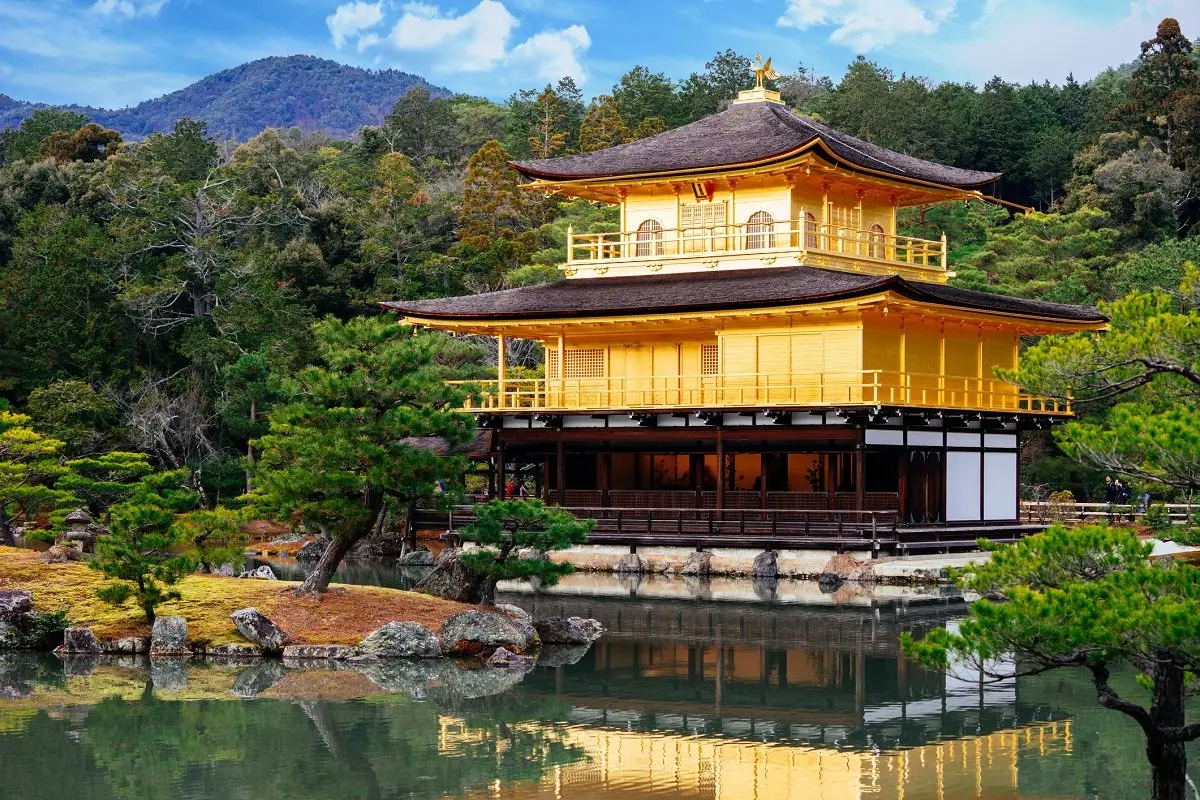
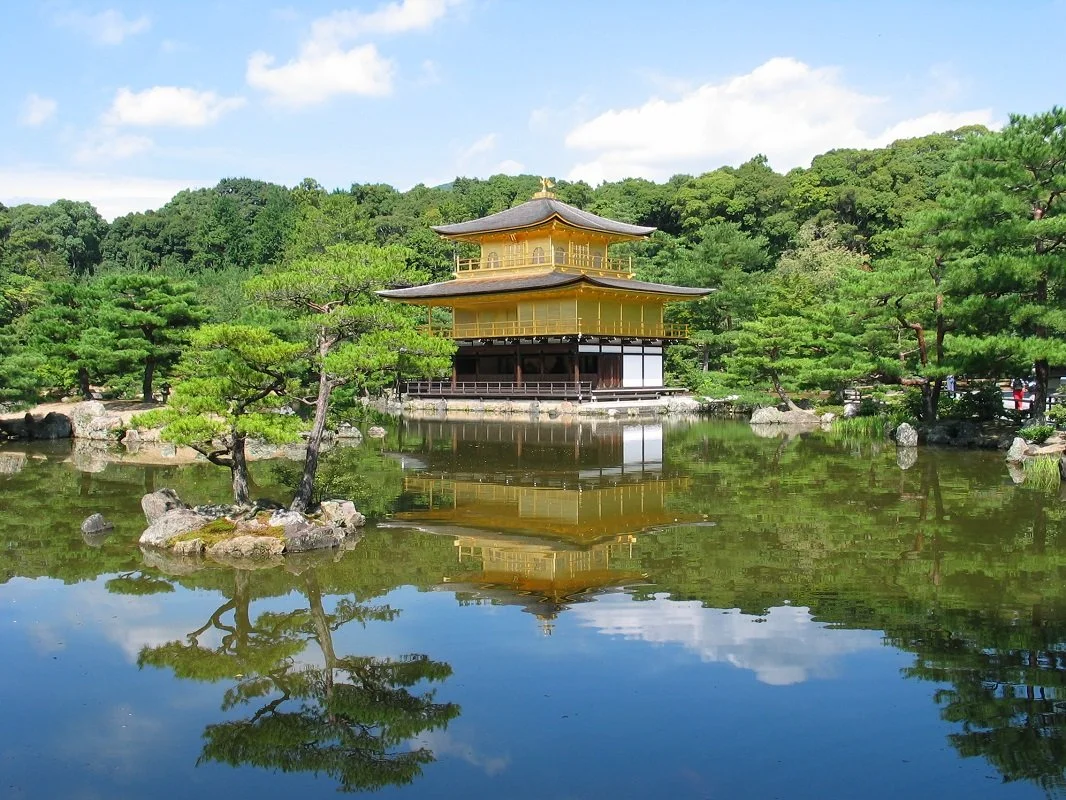
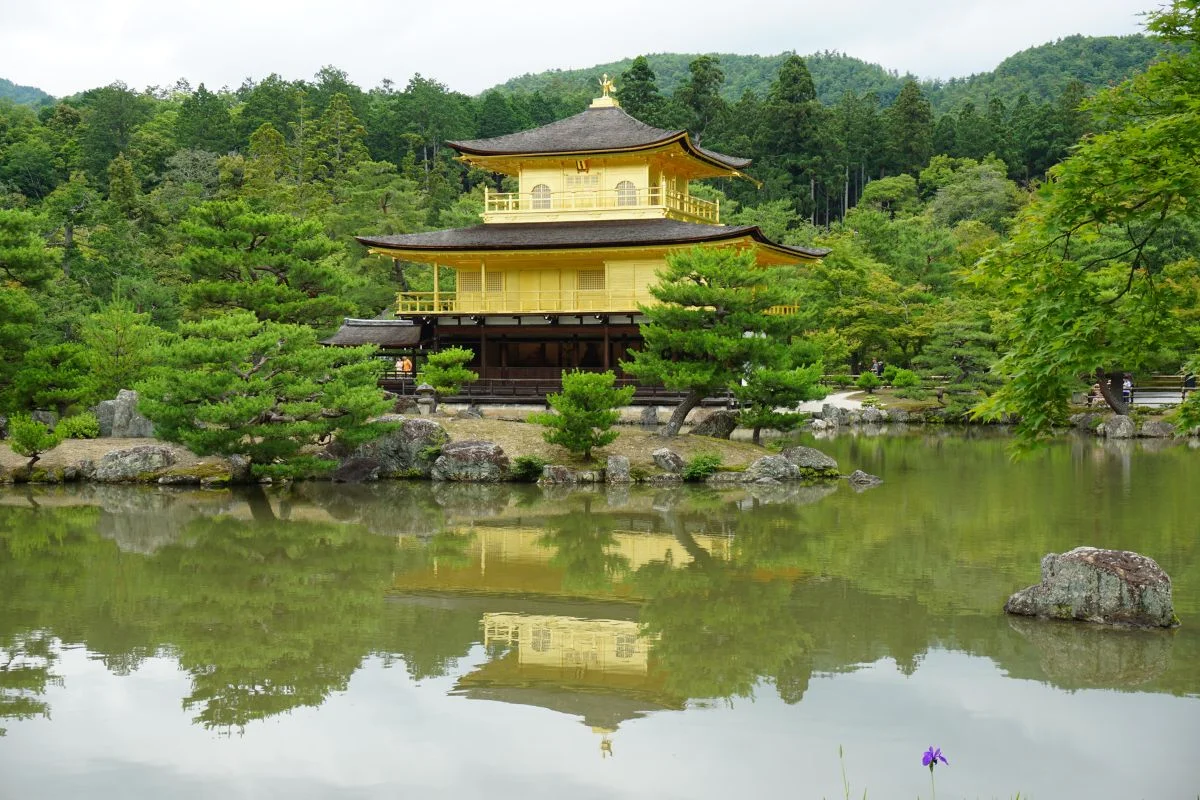
Kyoto is home to a host of iconic temples and shrines. Perhaps the most famous is the Golden Pavilion, Kinkakuji, which shimmers beautifully in its surrounding pond. This elegant structure is one of Kyoto’s most photographed sights, creating an unforgettable image – especially when sunlight dances on its golden façade.
You might also choose to visit Ginkakuji, known as the Silver Pavilion, set amidst one of the city’s prettiest garden landscapes. The narrow approach to Ginkakuji Temple is lined with an abundance of charming cafés and delightful independent shops.
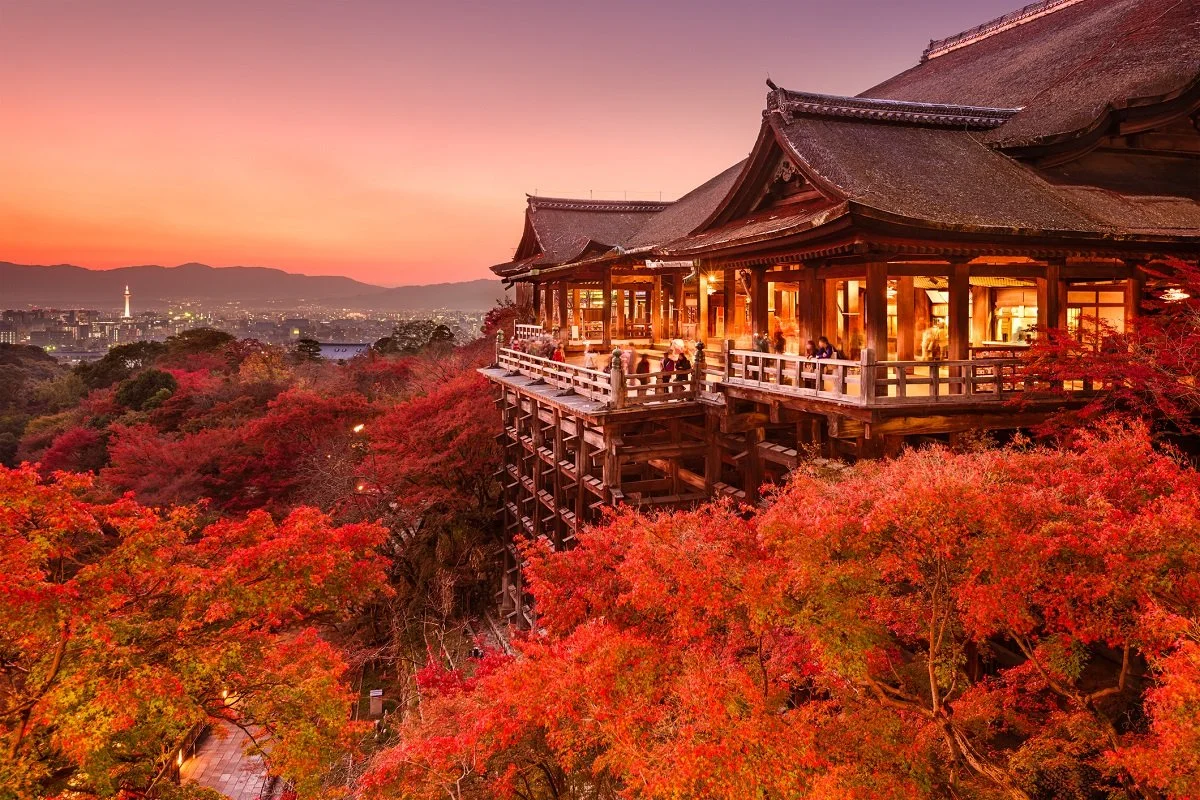
Another unmissable highlight is Kiyomizu-dera, an impressive wooden temple elevated above the city. From its spacious terrace, you’ll have breathtaking views over Kyoto, particularly at sunset. The area hums with life: behind the temple, you’ll discover the Jishu Shrine, a popular spot where young visitors come to make offerings and wish for luck and love.
No visit to Kyoto is truly complete without witnessing the Fushimi Inari Shrine, where seemingly endless lines of vermilion torii gates create an enchanting and almost mystical path up the mountainside. The atmosphere here is like nowhere else in Japan—utterly distinctive and unforgettable.
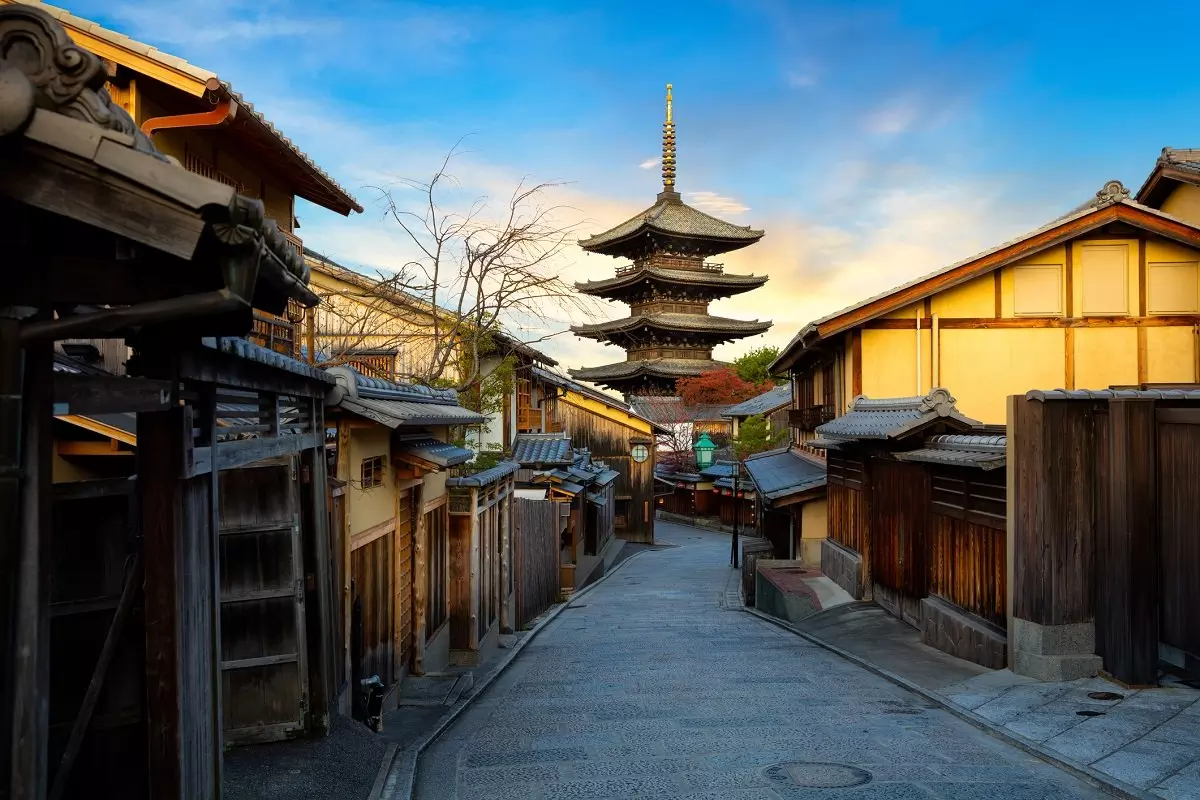
Between temple visits, take the opportunity to explore the city’s traditional districts such as Gion, where geisha lend an air of elegance to the surroundings. Alternatively, enjoy a tranquil stroll along the Philosopher’s Path, which transforms into a breathtaking sea of pink cherry blossoms in the spring.
If you’re keen to experience even more, take a day trip to Nara, Japan’s ancient capital. Here you can marvel at the magnificent Todai-ji Temple—home to an enormous Buddha statue—and meet the countless free-roaming deer in the park.
When hunger strikes, make your way to the bustling Nishiki Food Market. Here, you can sample everything from local street food snacks to gourmet delicacies, immersing yourself in the lively everyday atmosphere that’s a hallmark of Kyoto.
Today, you’ll be leaving Kyoto and taking the high-speed train, the Shinkansen, to Okayama. You’ll make your own way to Kyoto Station. The journey is around 220 km long and takes around 90 minutes.
On your arrival in Okayama, you’ll make your own way to your hotel. You can drop off your luggage at the hotel until check-in starts at 3 pm. In the meantime, you can explore the city on your own.
Okayama is a big, modern city with over half a million inhabitants, but the biggest attraction has nothing to do with the metropolis.
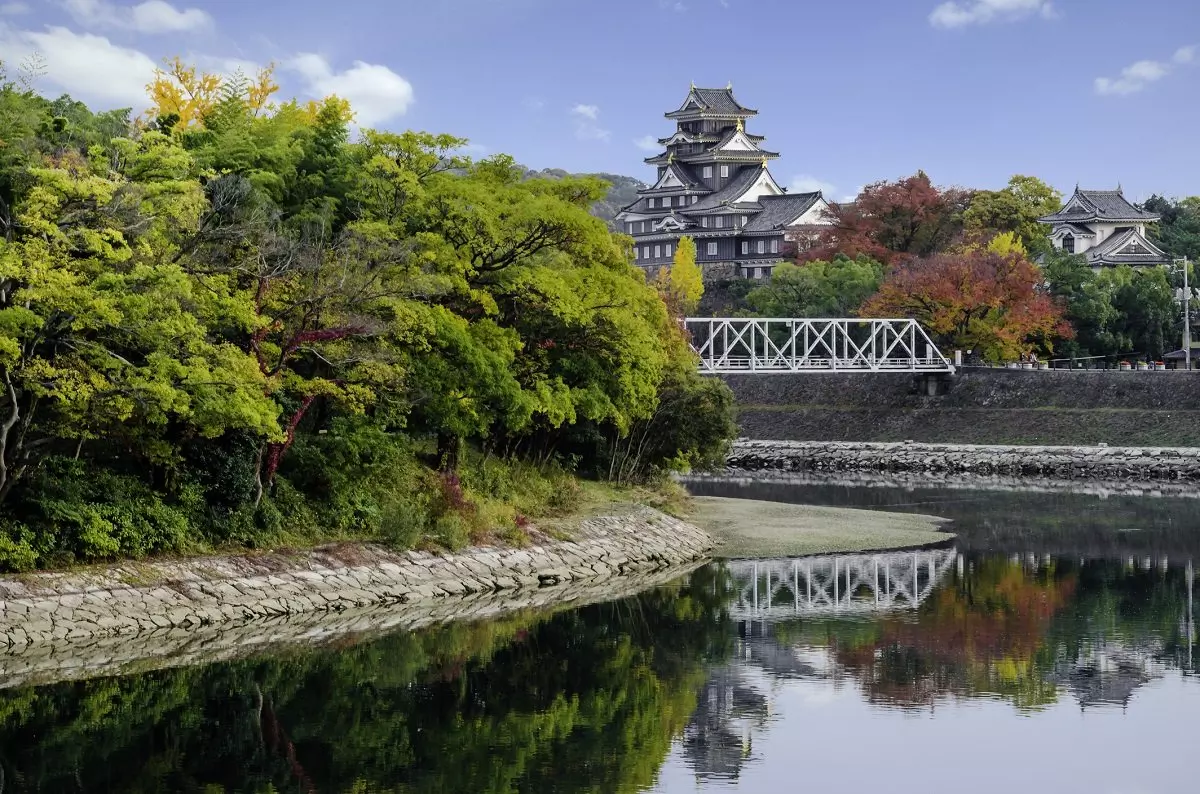
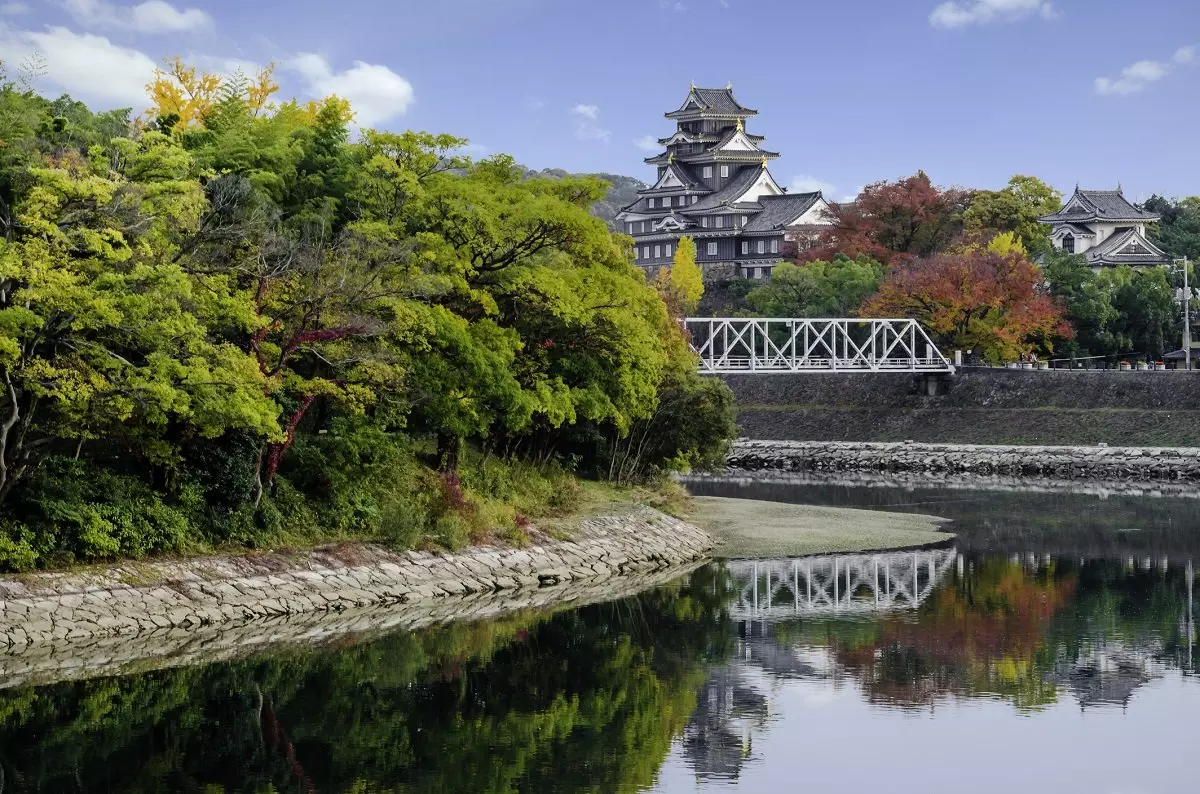
In Kanazawa, you saw one of Japan’s three most famous gardens, Kenrokuen. The second of these, Korakuen, can be found in Okayama. There are big fields, lakes, small wooden houses and some more rice paddies and tea plantations. Another major attraction in Okayama is the beautiful Okayama Castle. “The Crow Castle”, as Okayama Castle is nicknamed due to its black exterior, was built in 1597. The original castle was destroyed during World War 2, but the castle was fully reconstructed in 1966.
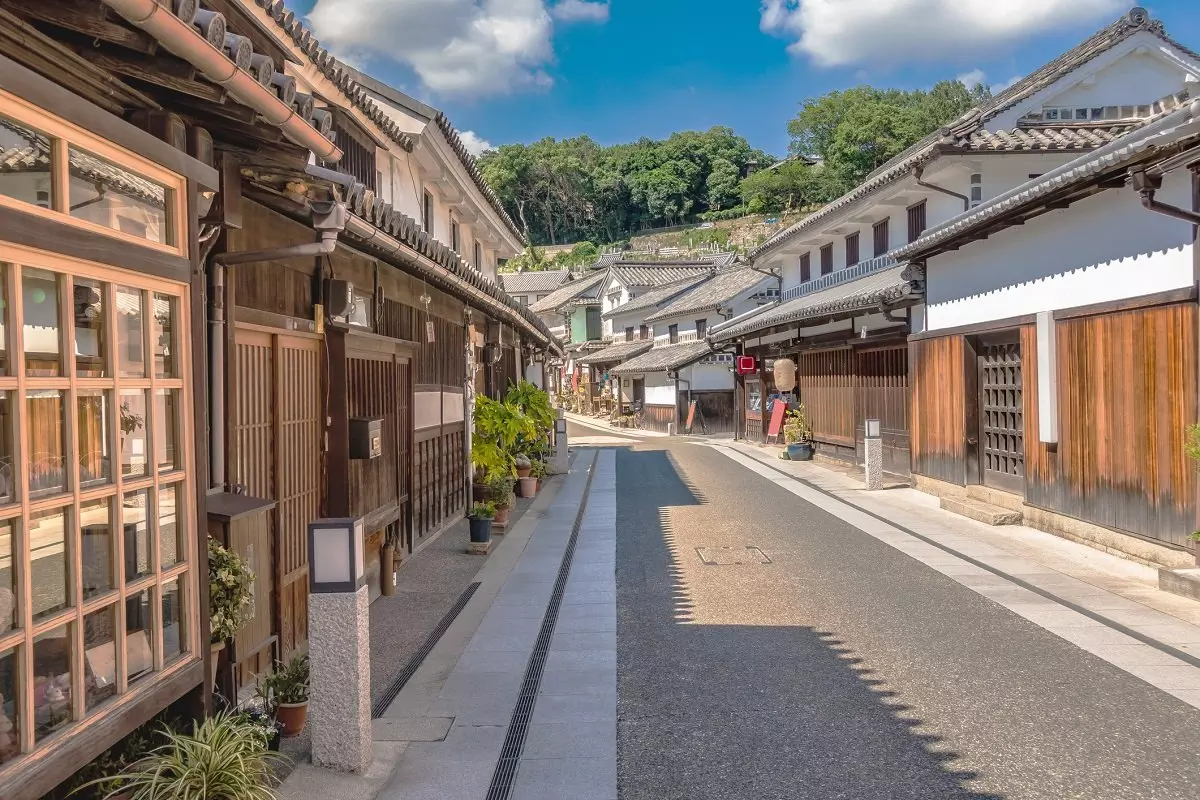
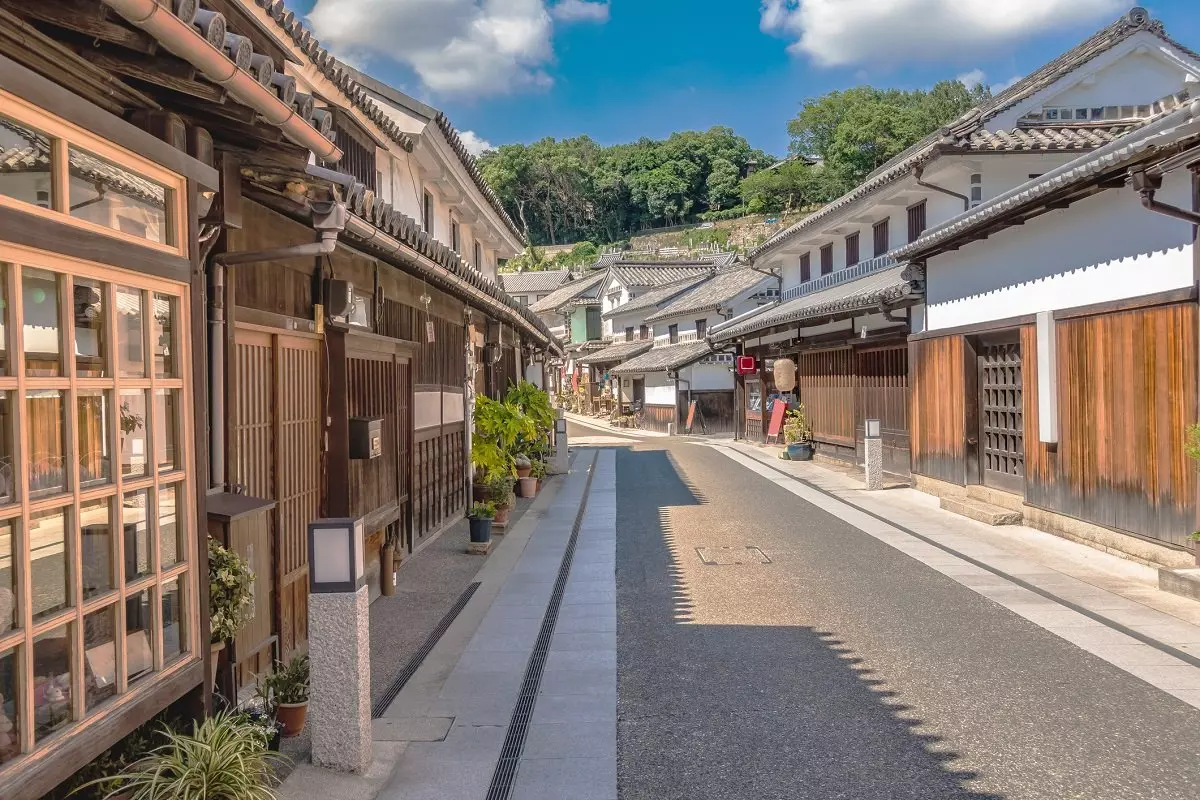
In the district of Kurashiki is a network of well-preserved canals with old warehouses lined up along their banks. Today the warehouses have been converted into museums, cafés and shops. It’s absolutely lovely to take a walk here, or to sit down at one of the cafés and enjoy your surroundings, and a sail trip along the canals is practically a must.

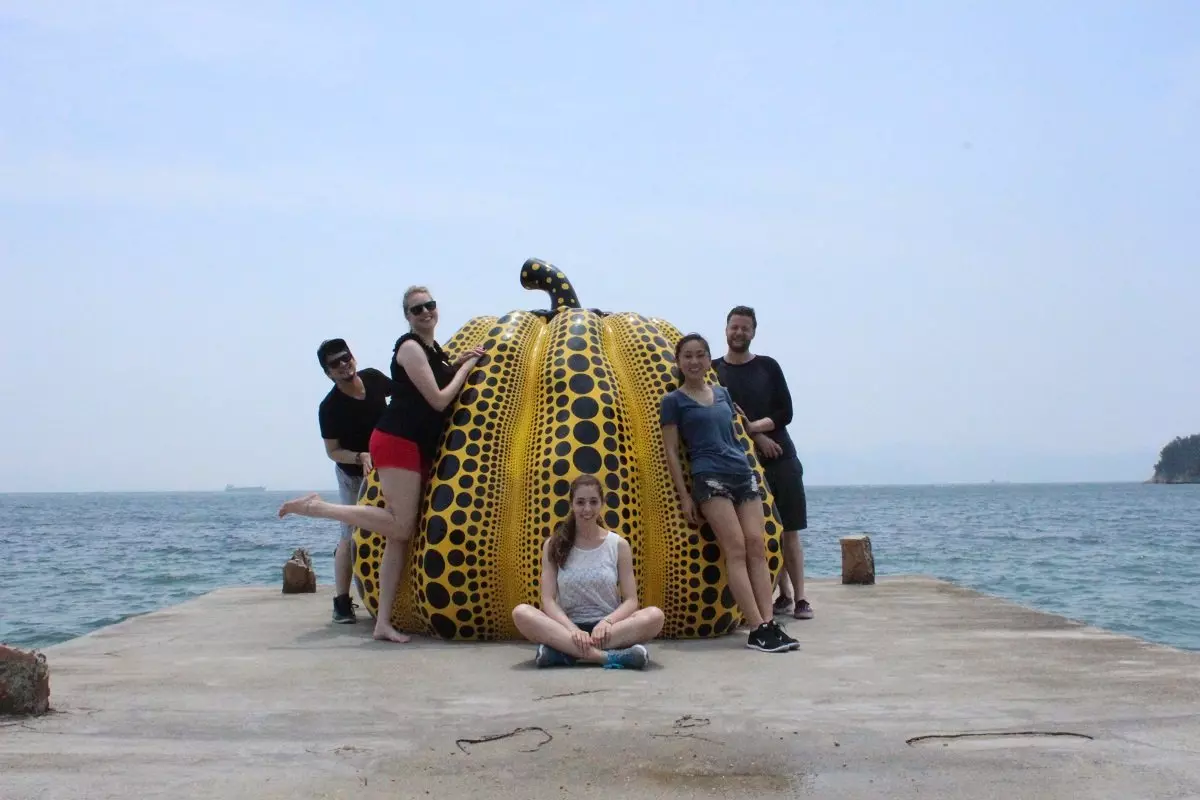
You’ll meet your guide at the hotel, and a guided tour to the small of Naoshima Island, located in the inland sea off Okayama, awaits you.
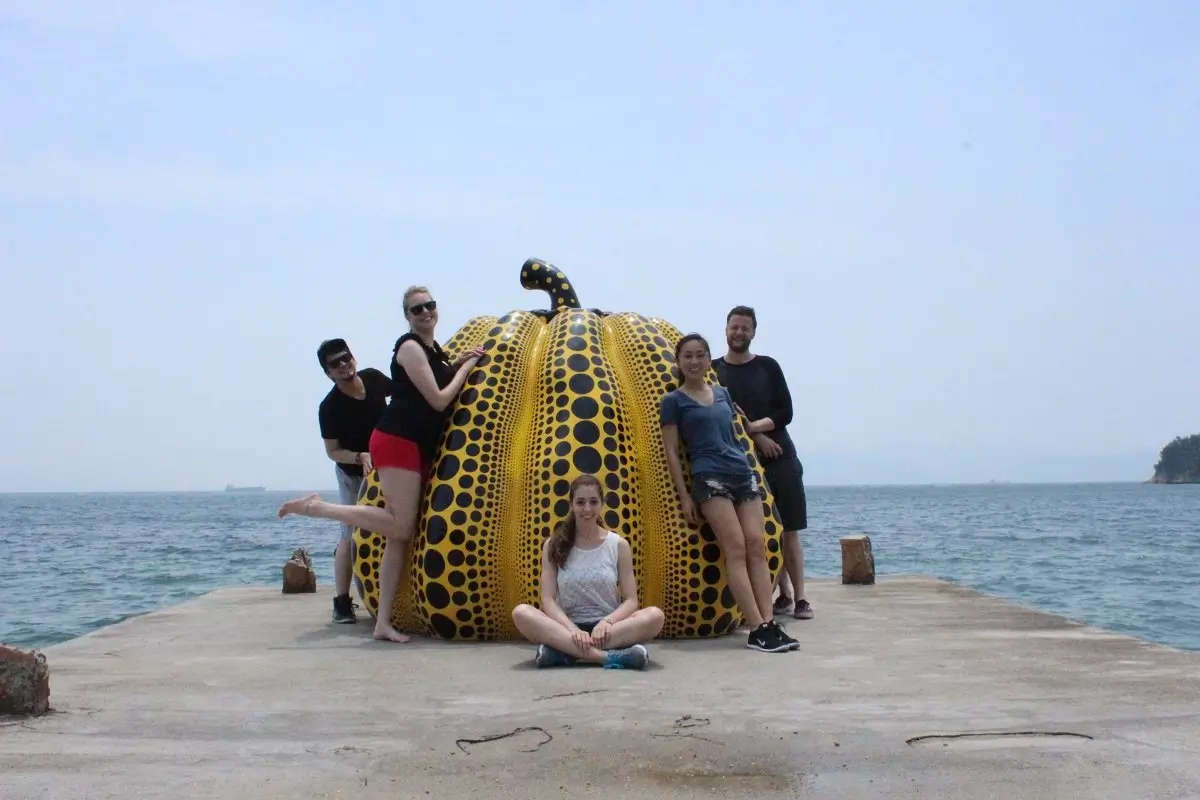
This island is particularly well-known for its spectacular architecture, sculpture and its many art museums. Today you will take a full-day guided tour of this little island. Aside from the art, the island offers an almost Mediterranean atmosphere with its white, sandy beaches, delightful climate and a beautiful and soothing “island feel”. The art is the highlight here, and included in your ticket is a visit to both the Chichu Art Museum and the Benesse House Museum. There will also be plenty of time to just enjoy the island – perhaps you’d like to rent a bicycle and explore its more distant corners? And we promise that even if you usually aren’t the type for sculptures, you can’t help but be impressed by what you’ll find on Naoshima Island.
After a wonderful day on Naoshima Island, you will be accompanied back to your hotel.
Today, you’ll be heading for Hiroshima. You’ll make your own way to Okayama Station, where you’ll be taking the bullet train, the Shinkansen, to Hiroshima. The 161-km journey from Okayama to Hiroshima takes just 40 minutes.
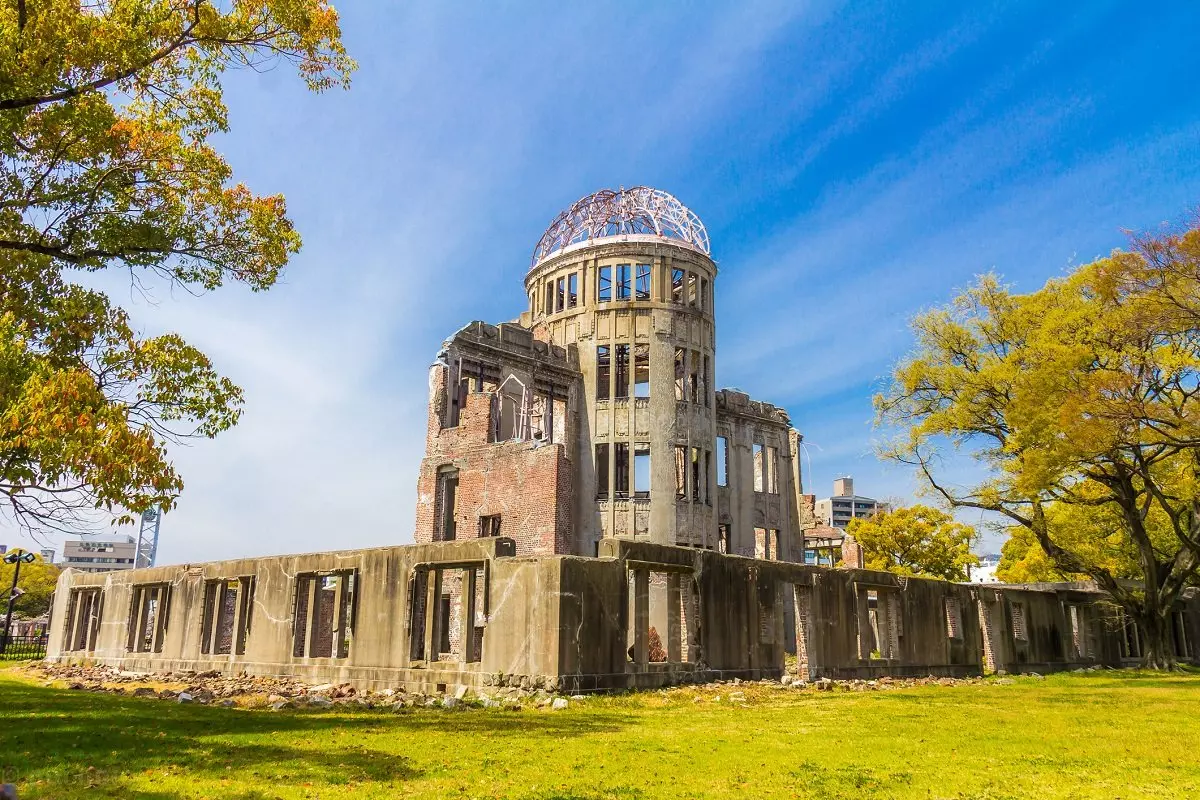
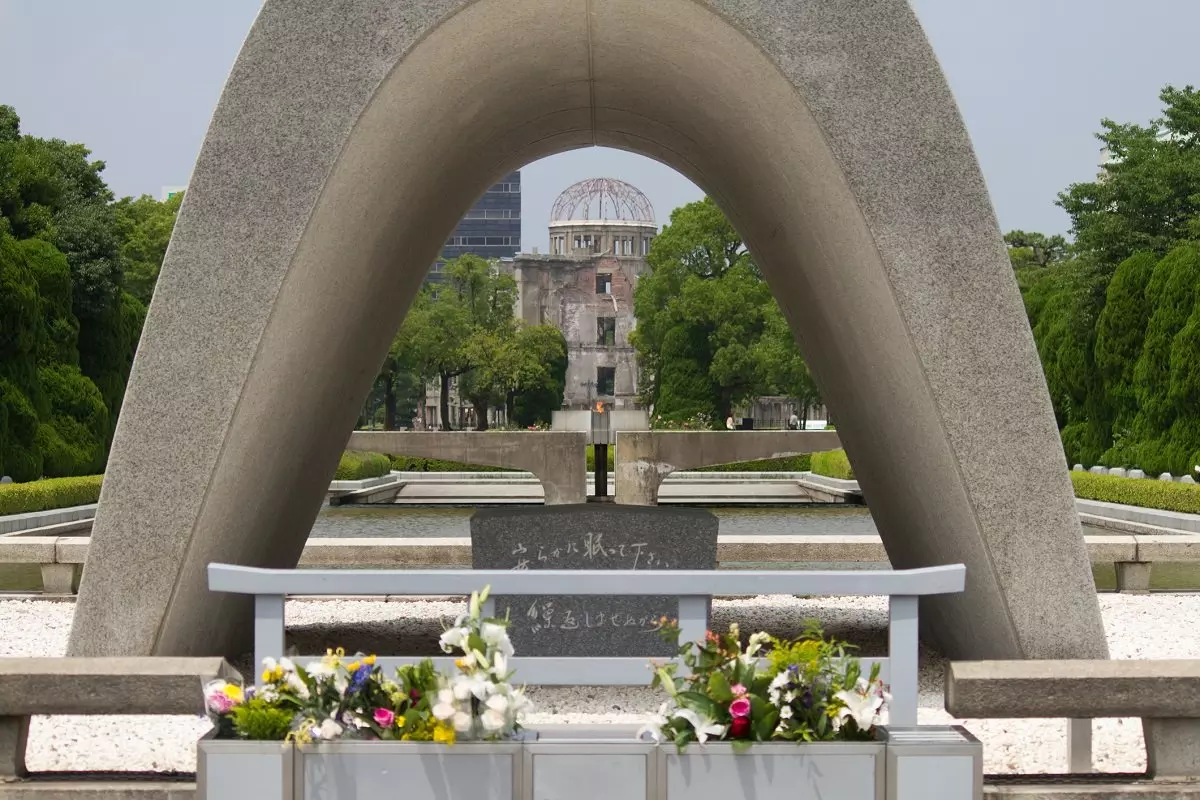
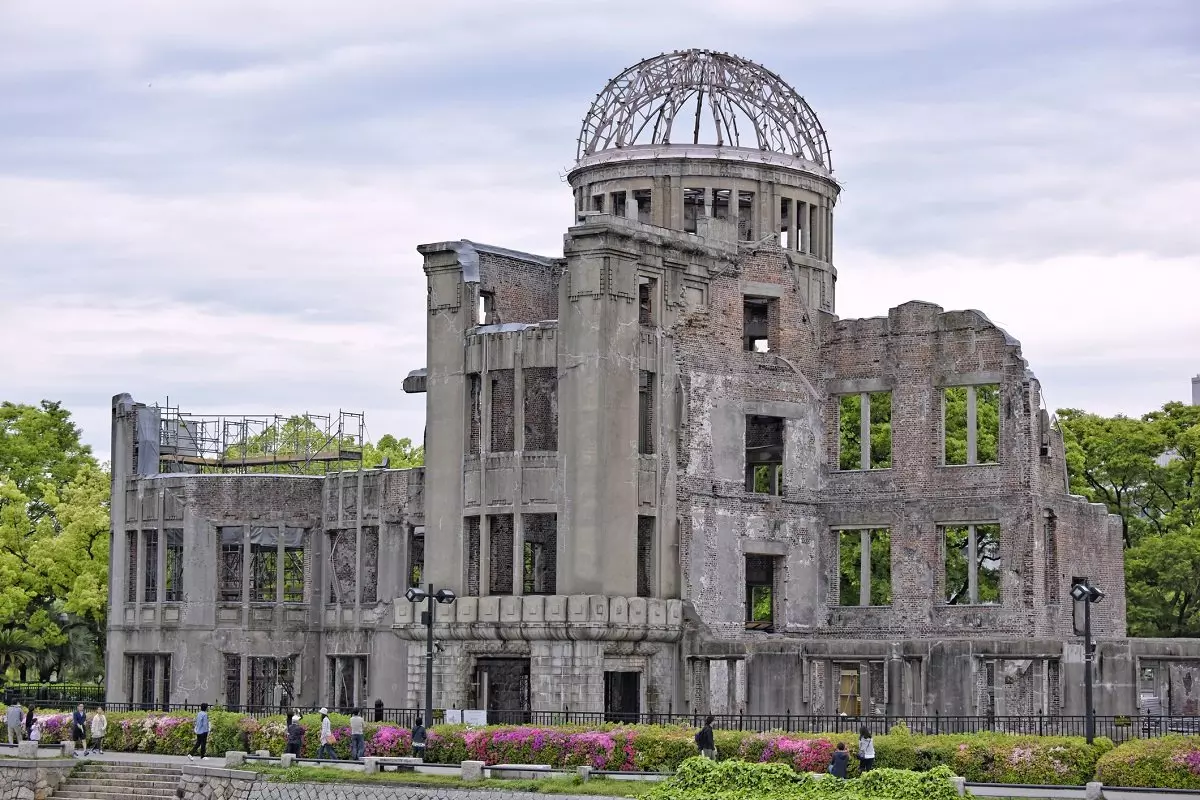
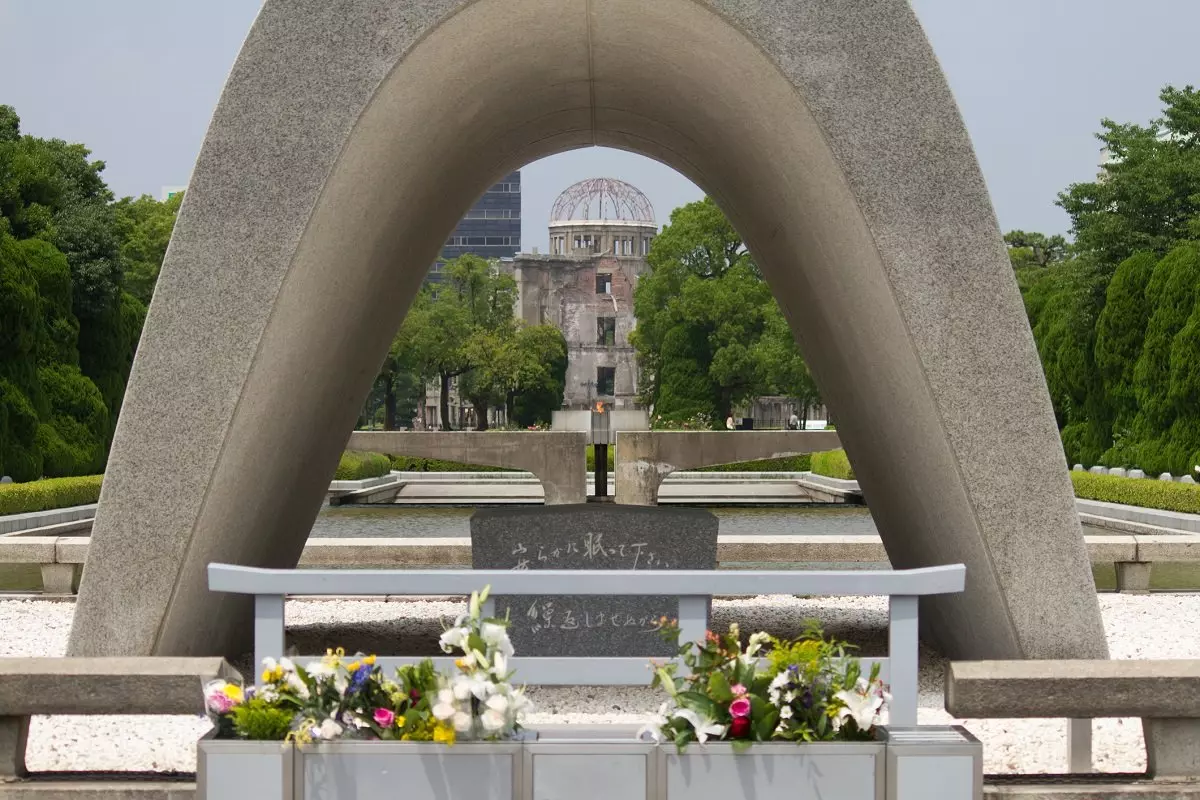
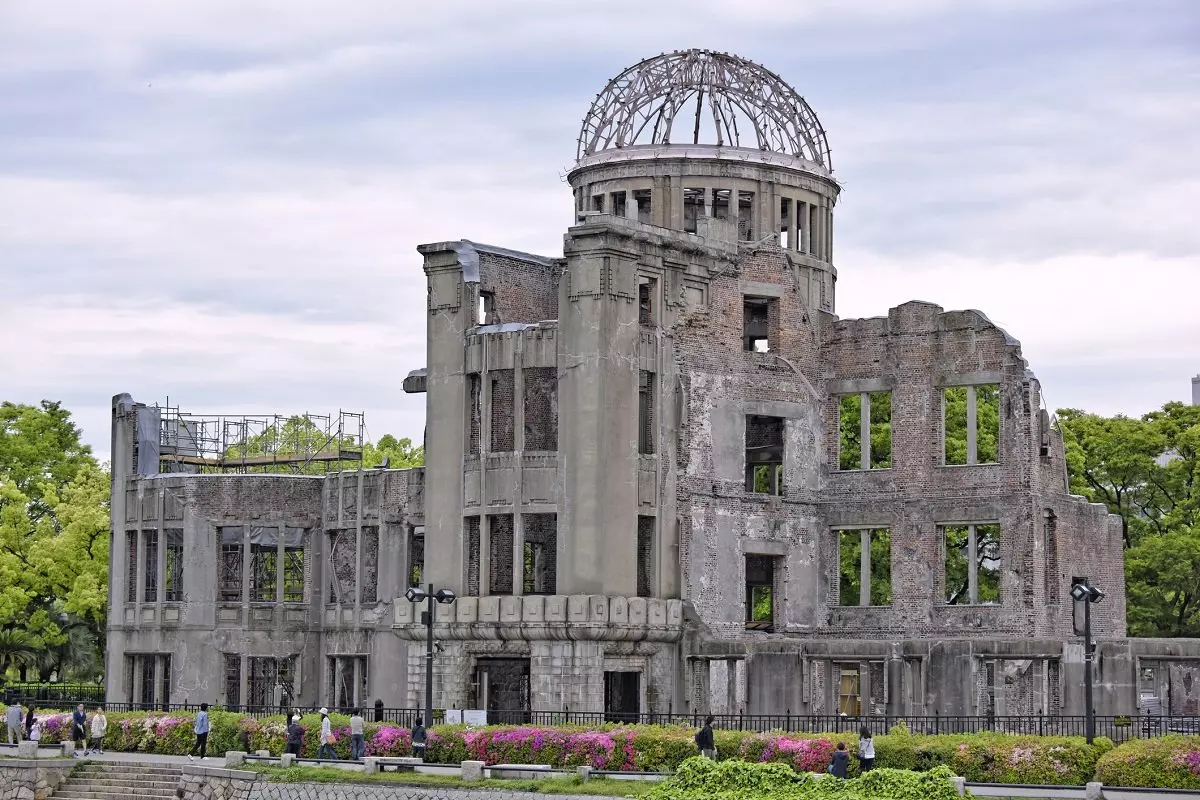
On your arrival in Hiroshima, the guide will be waiting by the train to take you to the hotel. You will then go on a guided tour of the Hiroshima Peace Memorial Park. The park is at the heart of Hiroshima and is a memorial to the horrors of World War 2. The Atom Bomb Dome, the iconic domed, skeletal steel industrial building that remained after the attack, is at the heart of the park. The building and its dome have been left untouched as a powerful symbol of the most destructive human force ever created, and as a powerful symbol of hope that it will never happen again. The Atom Bomb Dome was designated as a UNESCO World Heritage Site in 1996. The Peace Memorial Museum can also be found in the park, as well as the symbolic statue of the girl and the origami crane, The Children’s Peace Monument.
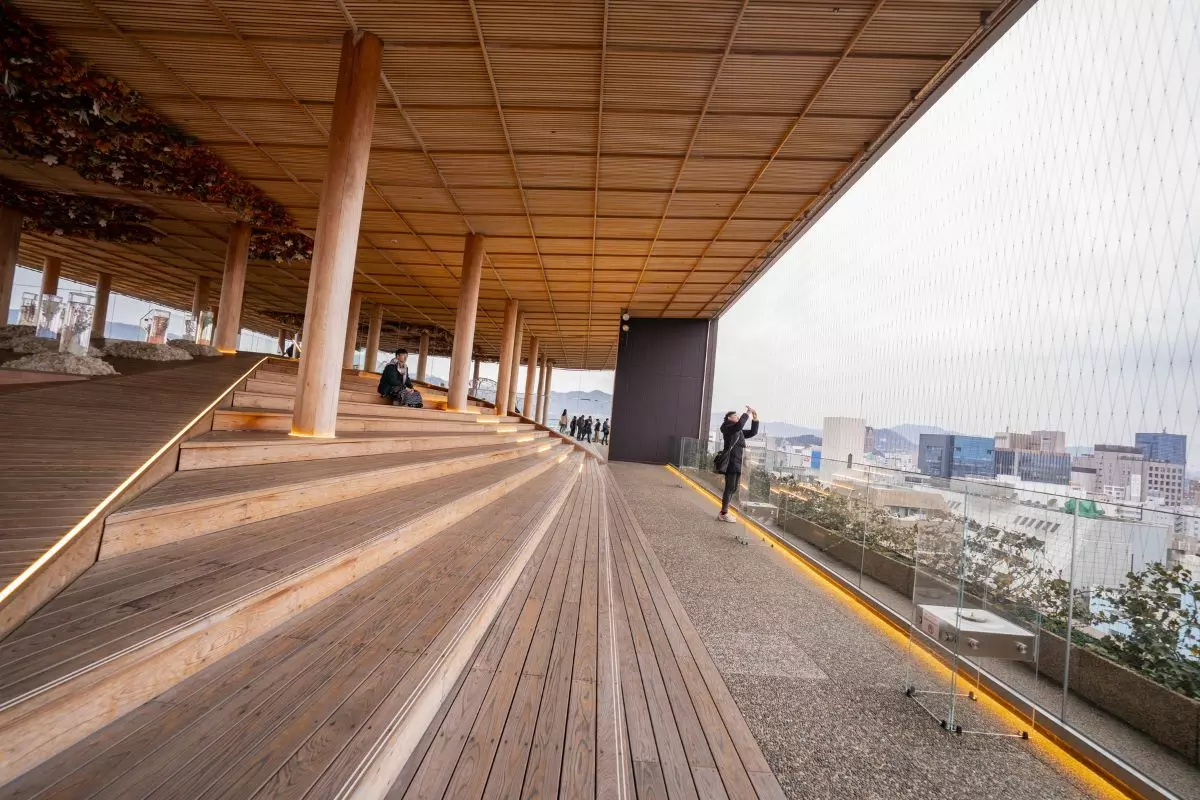
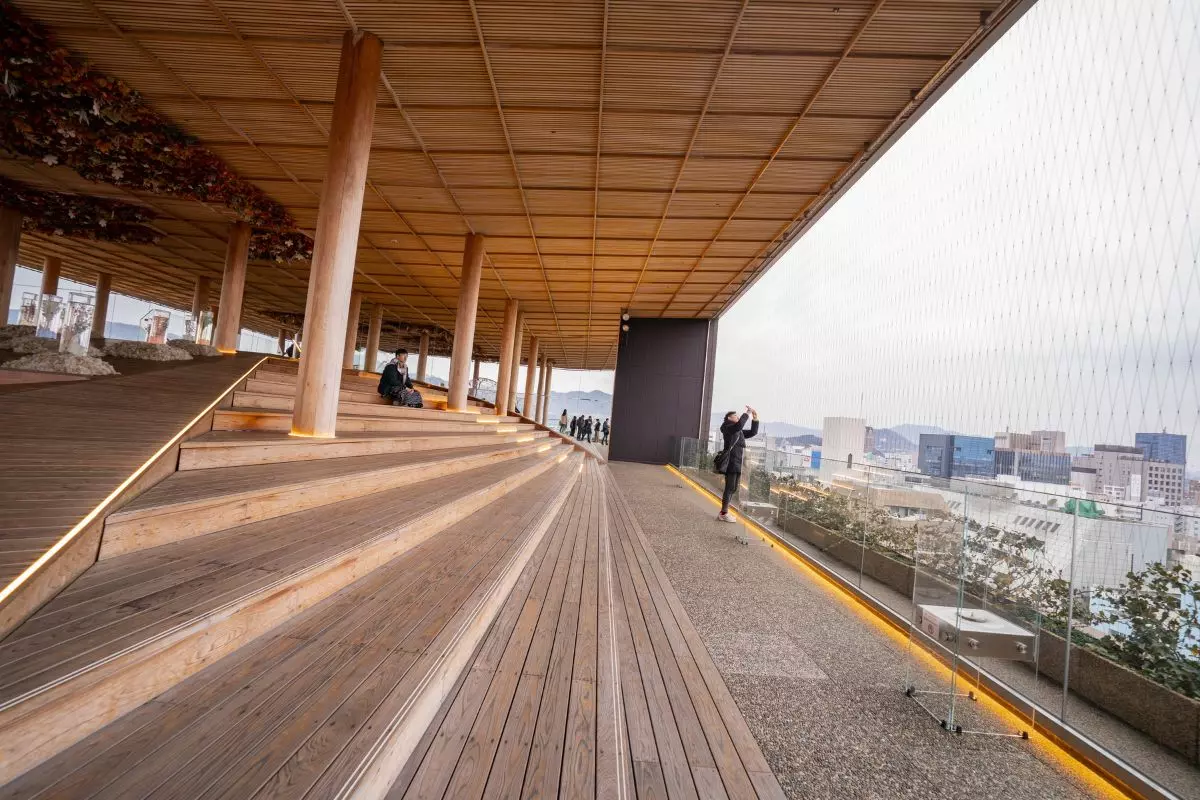
After visiting the park, you will head up to the Orizuru Tower, where you can look out over Hiroshima Peace Memorial Park. On a clear day, you can see all the way to Mount Misen on the small island of Miyajima.
After the visit to the park, the guide can either take you back to the hotel or give you directions for how you can get to Hijiyama Park on your own. Hijiyama Park is a good place to relax after the intense experiences of the Hiroshima Peace Memorial Park, and here you can take a walk or simply sit down and enjoy life. At the top of the park is a museum of contemporary art, which includes a good manga library for visitors interested in comics.
The day is spent at your leisure.
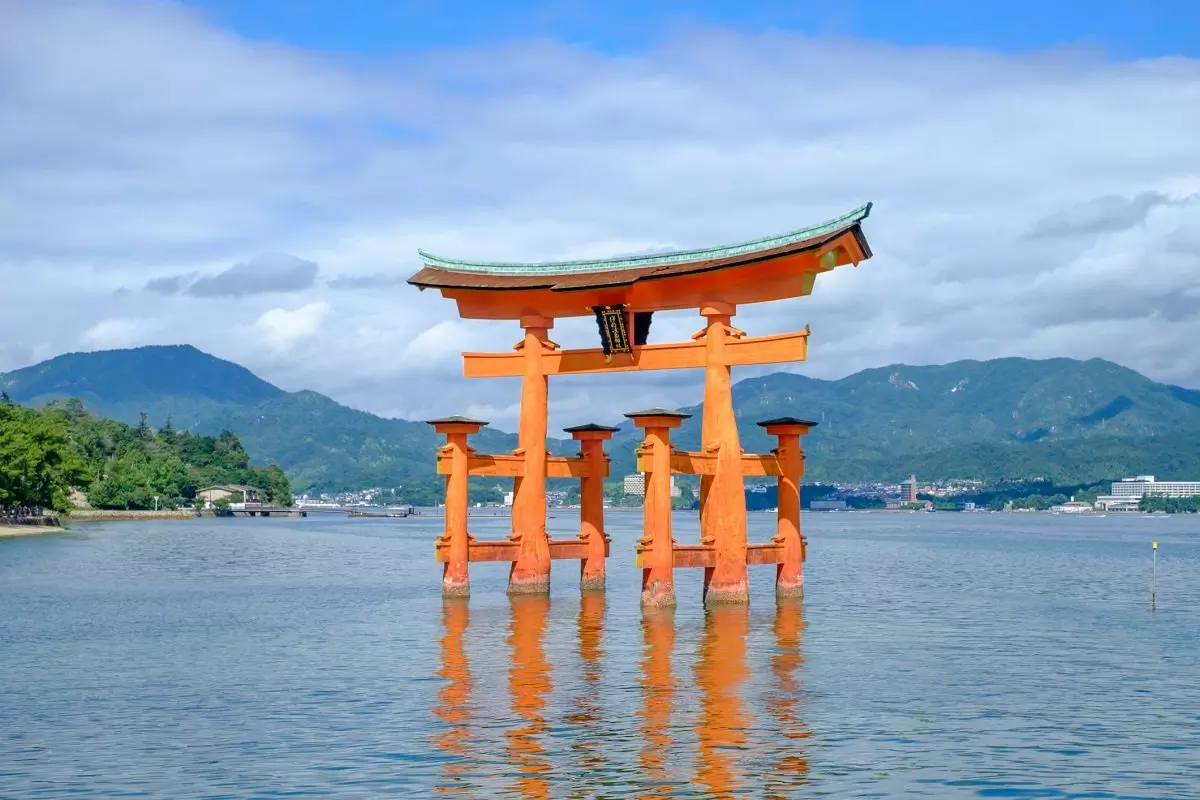
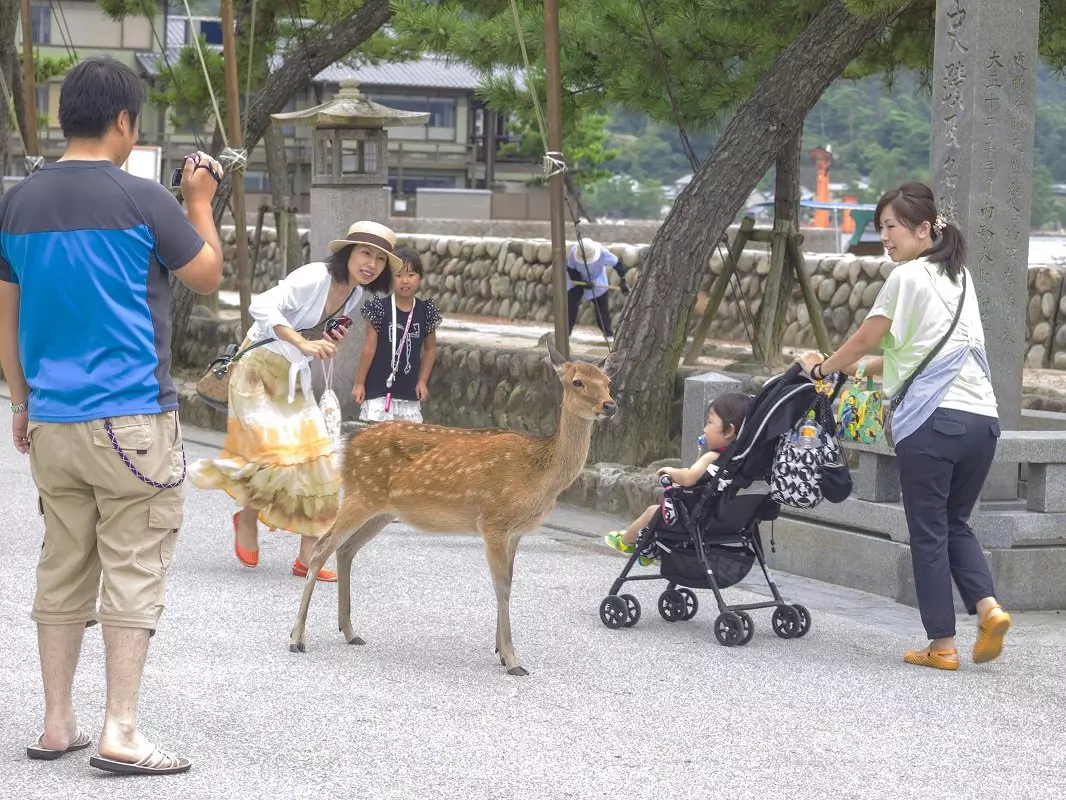
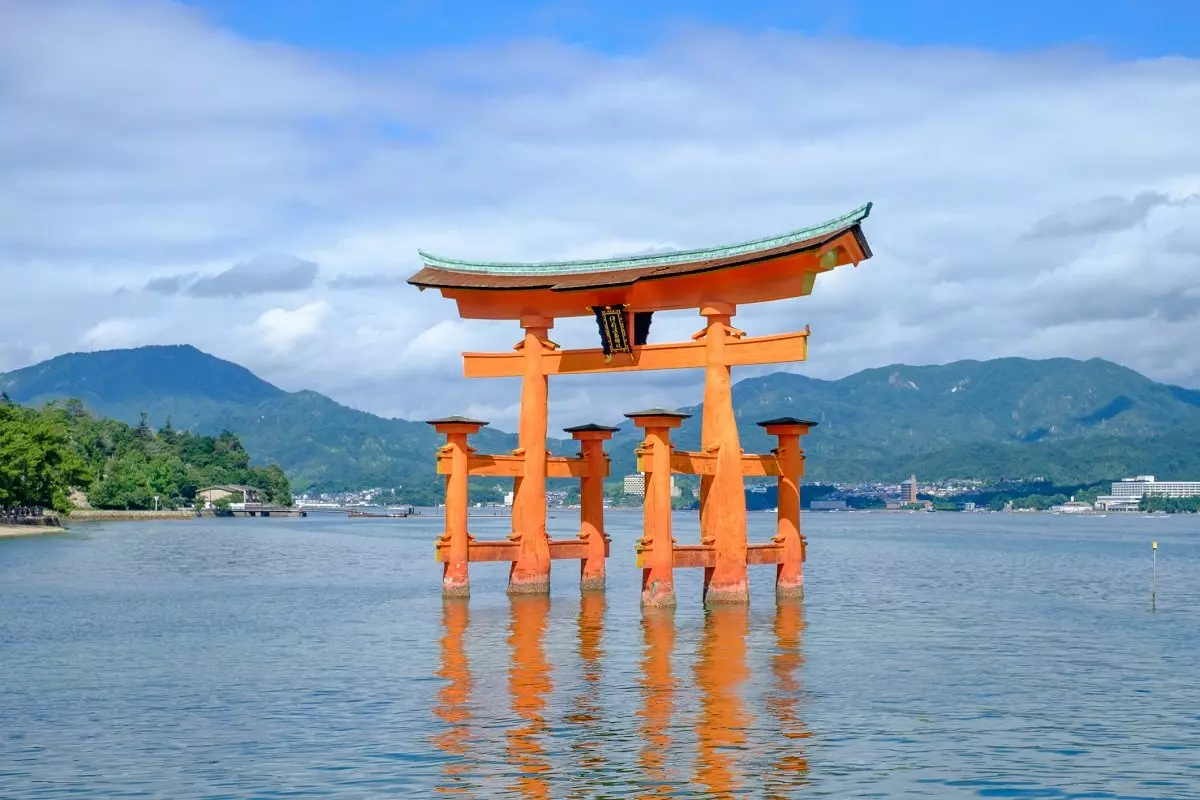
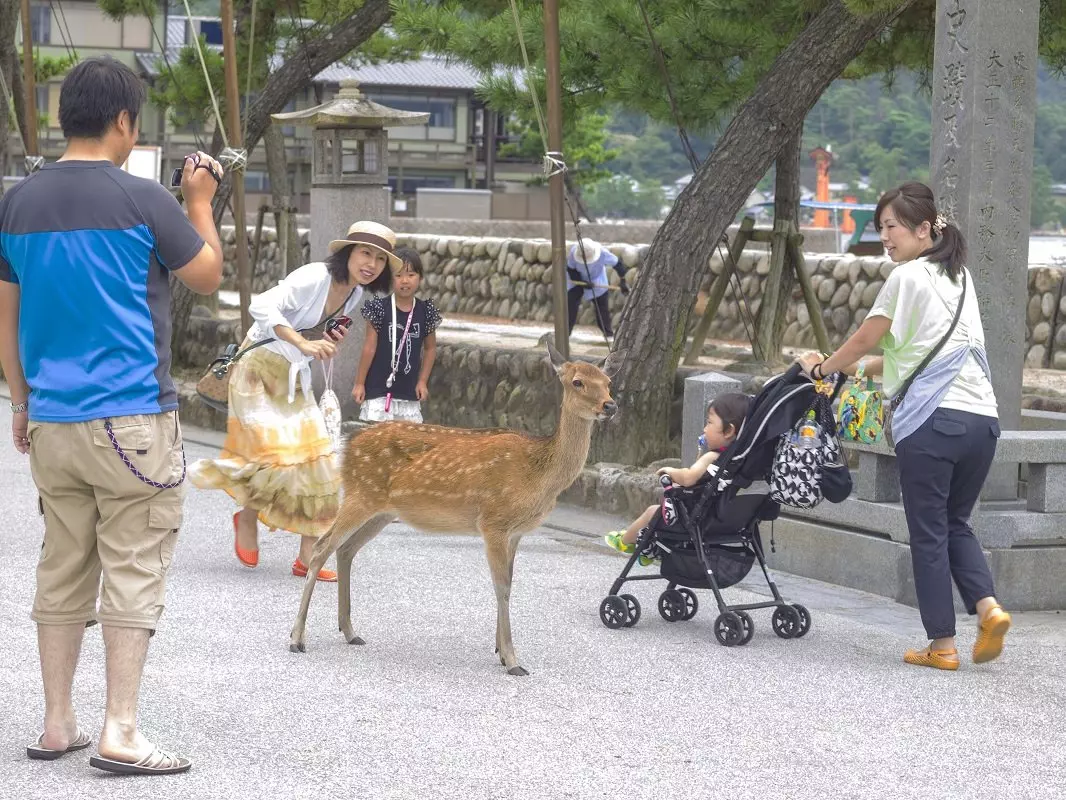
We recommend an excursion to Miyajima. Miyajima is less than an hour away from Hiroshima, and is easy to reach to by public transport. Here, stretching about 20 metres up from the water is Miyajima’s world-famous vermilion gate, and at high tide, it appears to float above the surface. When you get off the ferry at the island, whose real name is Itsukushima, you pass by some tourist streets with souvenir shops, small gift delicacy businesses and cafés until you reach the location where you can see the giant gate. On the way, you are sure to encounter the island’s tame sika deer. Also on the island is Daisho-in, a Buddhist temple that is open to visitors. A peculiar trait here is that the Buddha figures are often depicted with scarves and hats on. You can also take the cable car to the top of Mt. Misen, which offers a spectacular view of Hiroshima and the inland sea, which contains over 3000 islets.
Today, you take the Shinkansen bullet train from Hiroshima to Osaka – the trip is 342 km and takes 1½ hours. You need to find your way from the hotel to the train station yourself. We recommend that you take a packed lunch for the journey, or buy lunch on board the train.
Osaka is Japan’s biggest financial powerhouse after Tokyo, and is home to an active business community in international trade and industry. Osaka was founded hundreds of years ago. It was bombed to smithereens during World War 2, hence its appearance as a young city with modern buildings today. However, in some places you can still feel the traces of history.
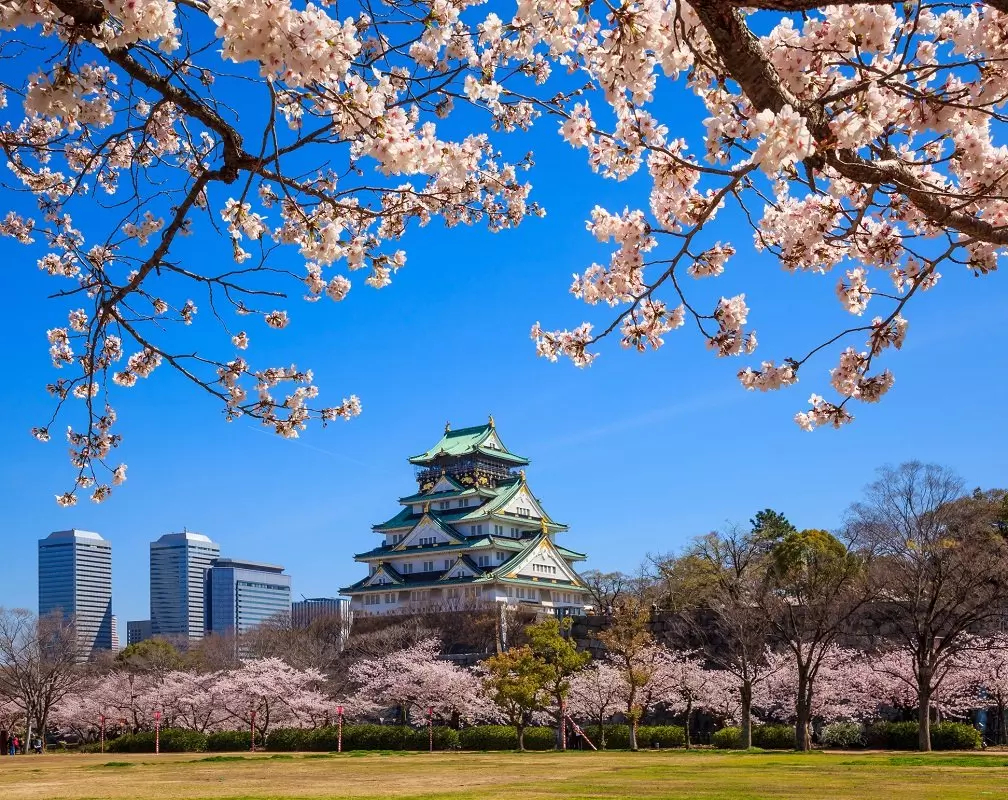
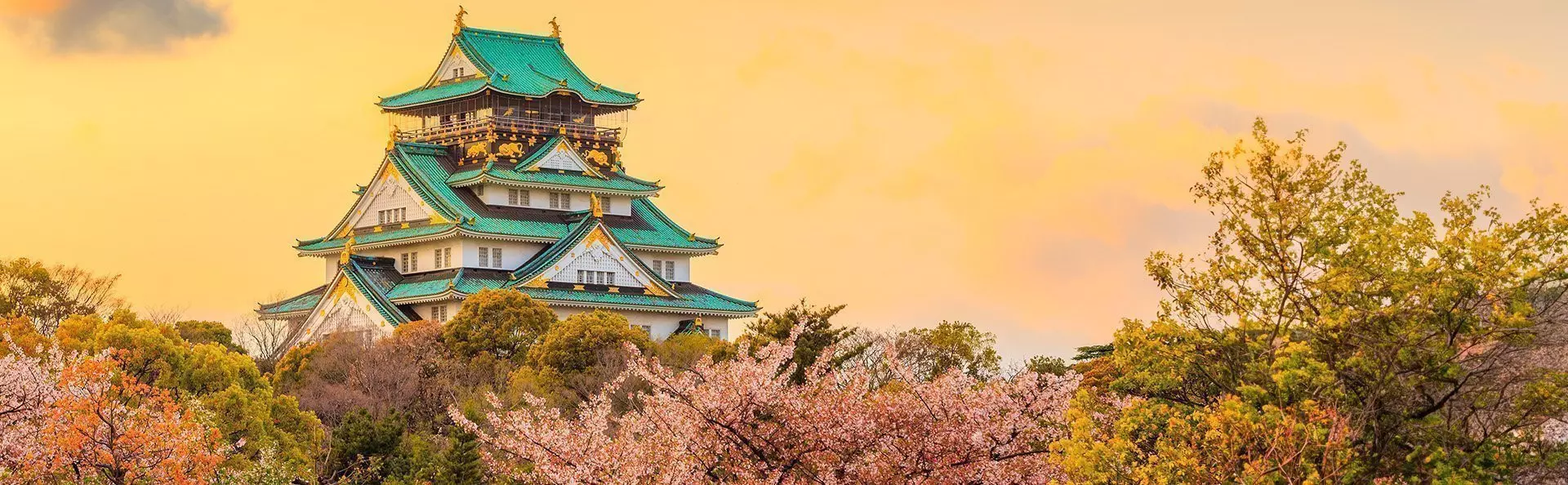
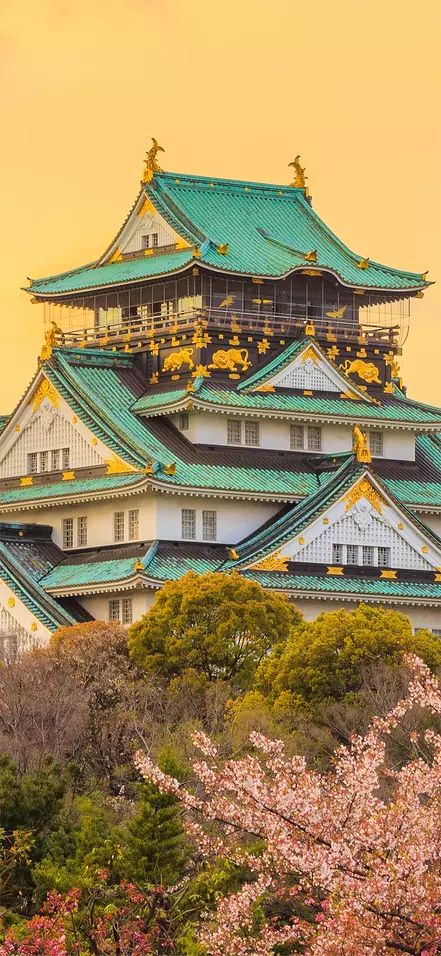
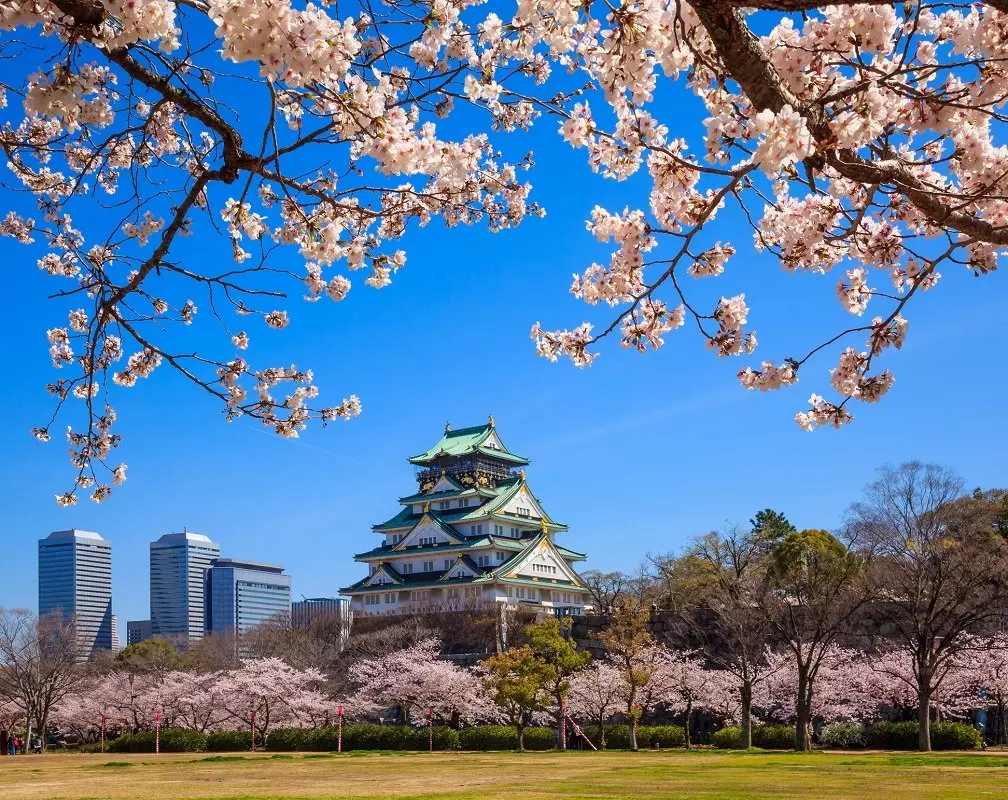
On your arrival in Osaka, you’ll be met by your guide, who’ll accompany you to your hotel. An exciting half-day excursion then awaits you when your guide travels with you by public transport to Osaka Castle, which dates back to the Shogun era. The castle is a spectacular sight and one of Japan’s most beautiful castles from the outside. During the visit to the castle and its park, you’ll learn about the glory days of the shogun Hideyoshi, who had 100,000 men build his castle in 3 years. The castle has burned down and been rebuilt several times, most recently in 1931. The view of Osaka from the top floor is amazing.
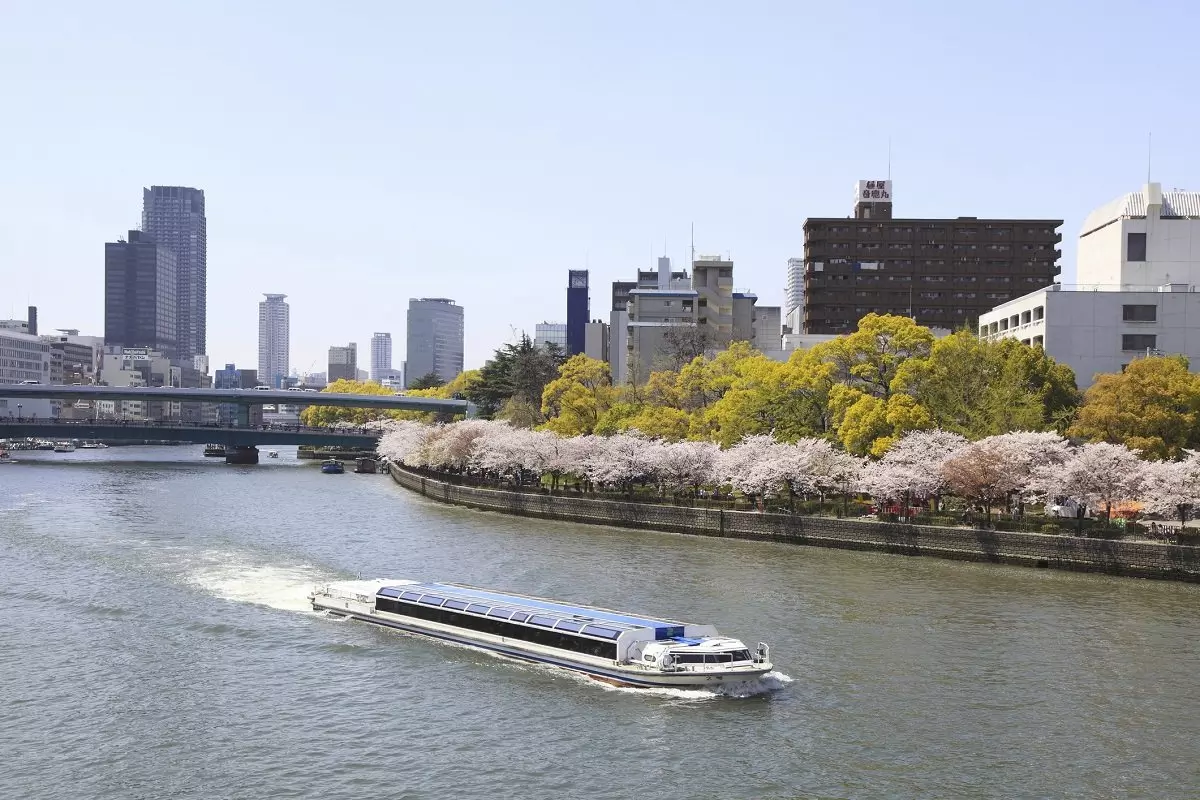
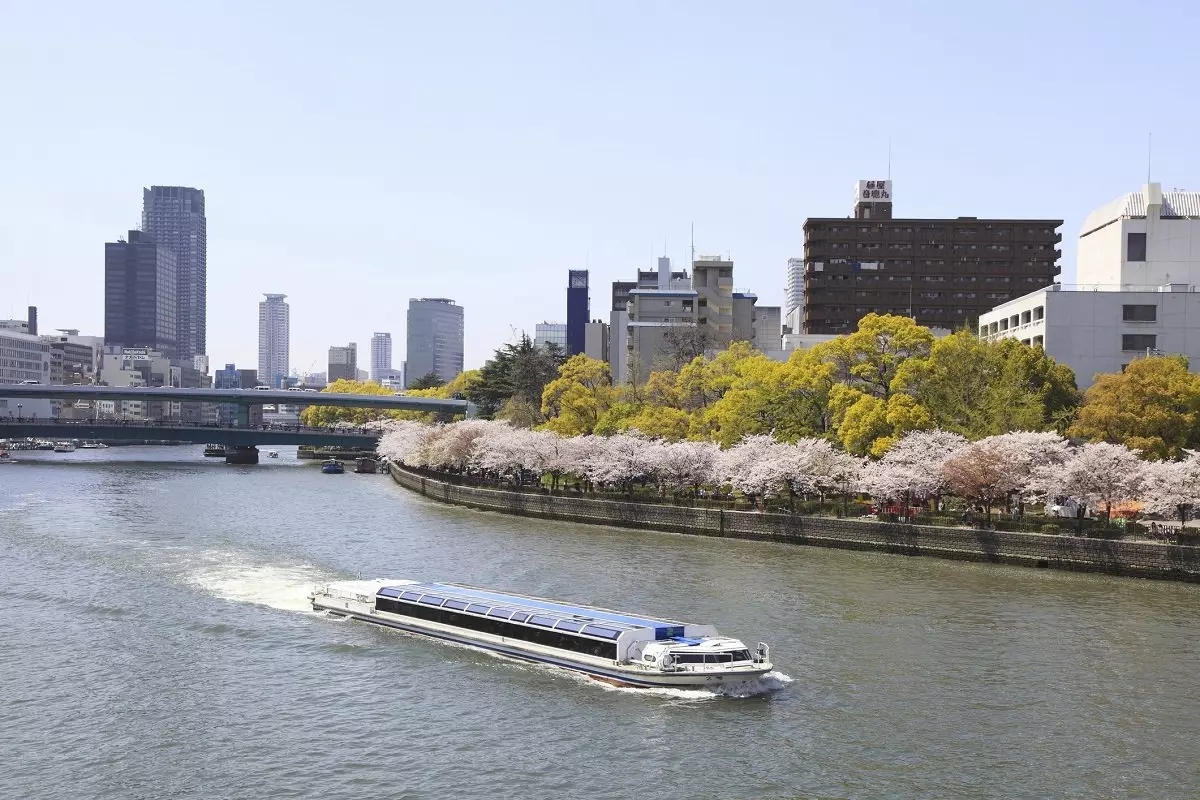
From Osaka castle, you’ll take a short walk to the river, where you board the Aqualiner boat for a one-hour sightseeing tour of Osaka’s waterways.
After the boat ride, the guide will take you back to the hotel, and the rest of the day is yours to do as you please.
The day is at your disposal to explore Osaka.
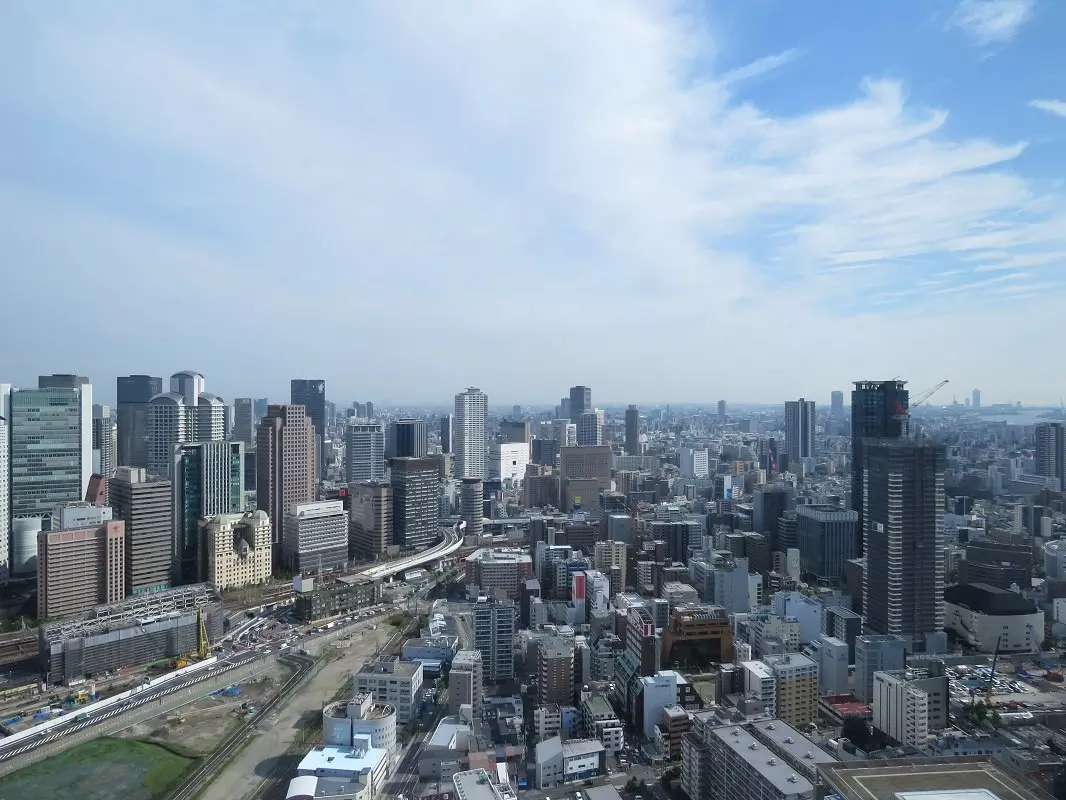
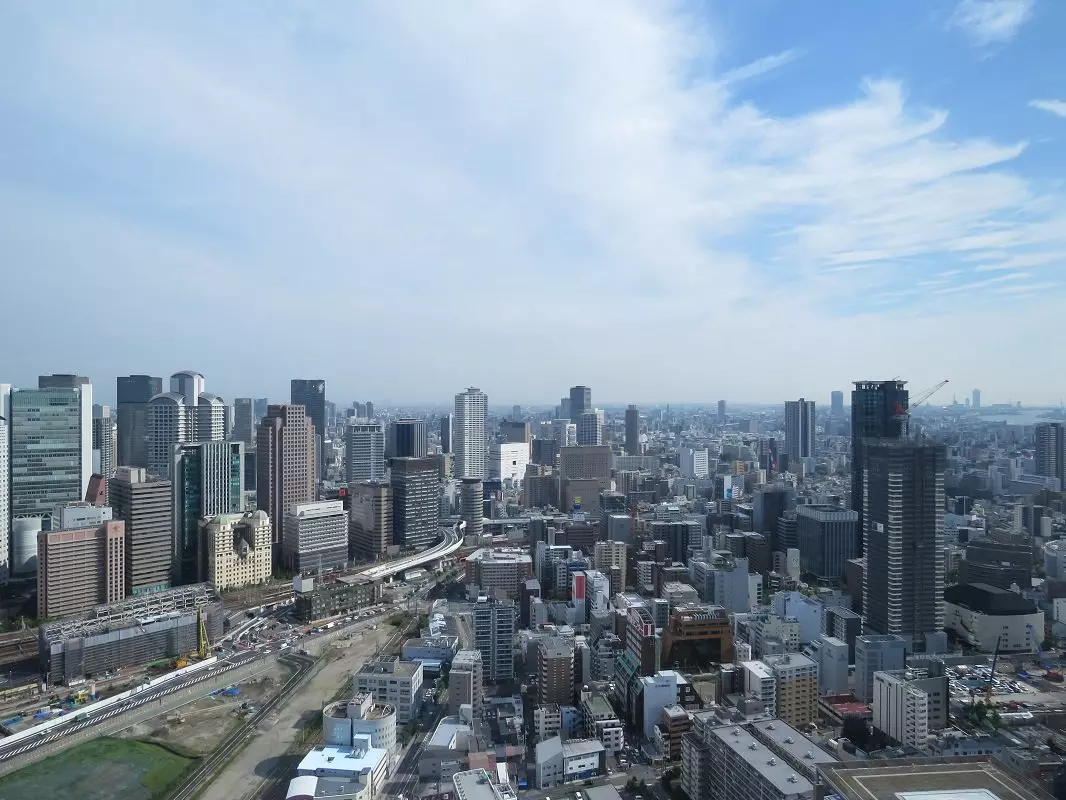
A must-see is the city’s 170-metre-high landmark, the Umeda Sky building, designed by Hiroshi Hara, one of Japan’s great architects. From the rooftop of the building, you can enjoy a fantastic panoramic view of the city’s skyscrapers and countless bridges, and on a clear day, you can see all the way to Awaji Island. The basement of the building houses the Takimi-Koji gourmet street, which is decorated with photos of Osaka in the 1920s.
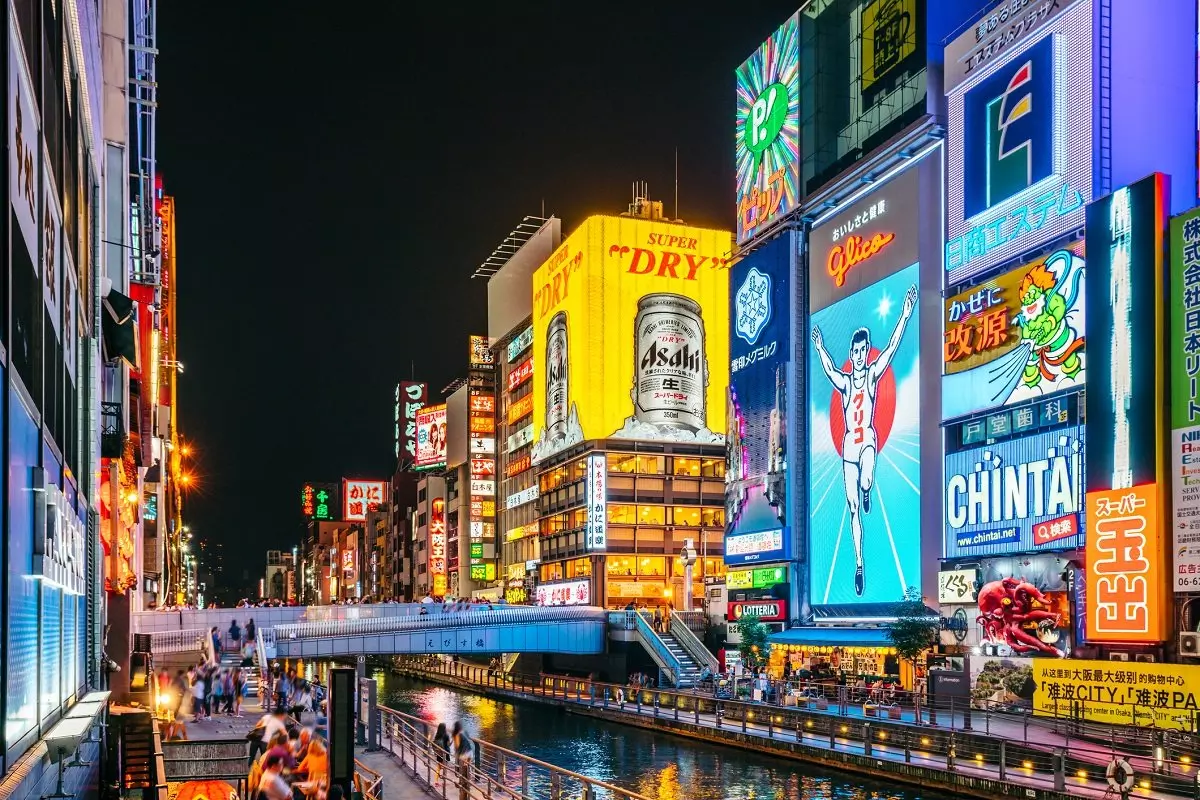
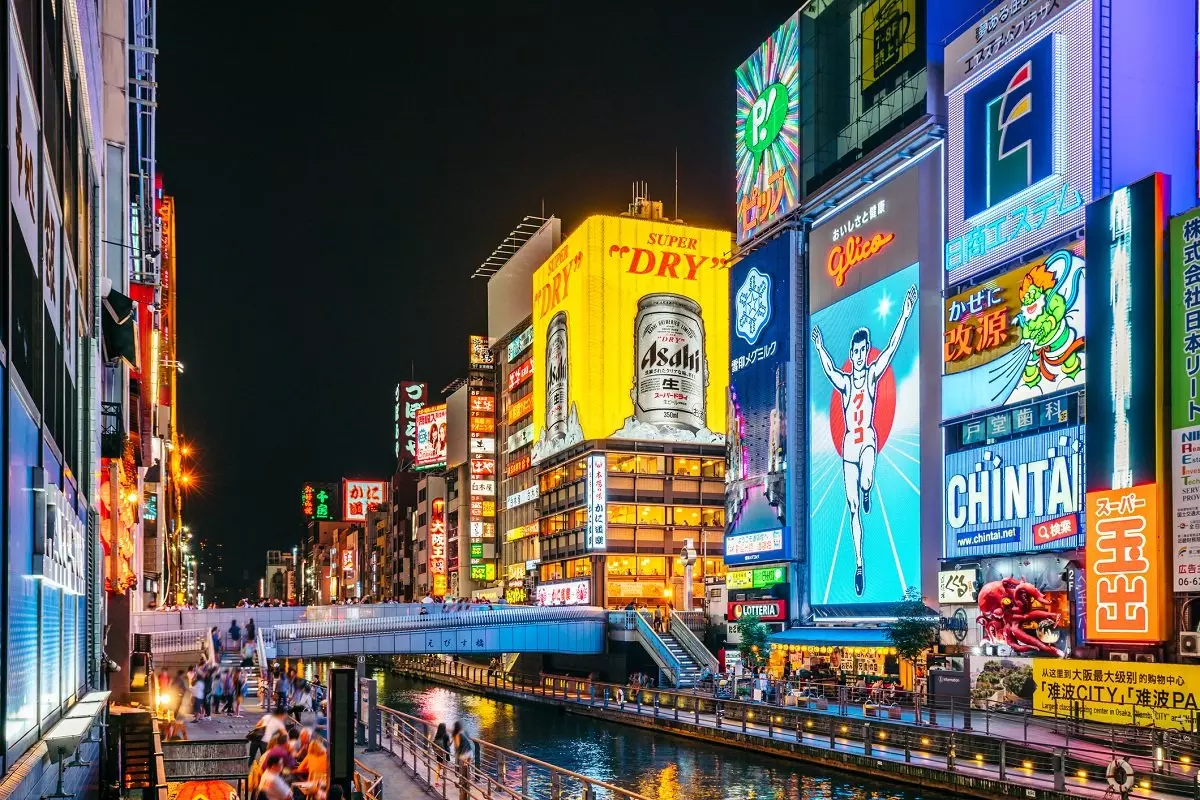
In the afternoon, you should walk to Dotonbori, a lively and colourful entertainment area – and one of Osaka’s most popular attractions. While away an hour or two looking at the all advertising and neon signs, people-watching and browsing in the labyrinth of shops and famous food stalls. If you would like to try some local specialities, we recommend kushi katsu, which is deep-fried vegetables and meat on skewers, or takoyaki, a ball-shaped snack made of batter and cooked in a special moulded pan. It is typically filled with octopus and leeks or spring onions.
It’s time to say goodbye to Japan. We suggest you take the train to Kansai airport in good time. The train runs directly from Osaka station and takes approx.
The train ticket is included in the tour price. Please note that you need to book your spot on the train, and your guide will assist you with this at the start of your tour.
From Osaka airport, you will fly home via your return flight to Europe with layover(s) en route.

You’ll touch down at your chosen airport, your luggage filled with memories from an unforgettable tour exploring the very best of Japan.
|
|














Millie’s passion for travel sparked when she was little, and now she loves to help others fulfil their travel dreams
We know your time is precious. That's why we strive to provide personalised, attentive service to ensure your comfort and safety throughout your tour. From the moment you book to the moment you return home, we’re here to handle every detail with the utmost care.
We offer a diverse array of destinations, each promising its own unique story, shaped by its local cultures, fascinating wildlife, and natural beauty.
We design every tour based on the extensive research and first-hand experiences of our travel specialists and experts. Each tour is crafted to showcase the best each country has to offer.
With us, you can rest assured; your journey is in safe hands. We are ATOL certified and a proud member of ABTA, maintaining rigorous standards of quality and service to ensure your complete peace of mind.