New Year traditions: a journey through New Year celebrations around the world
28/12/2025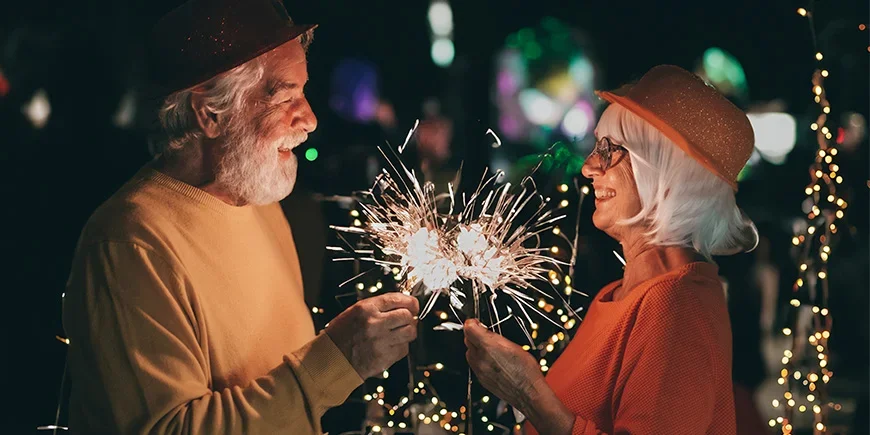
New Year is imbued with a special kind of magic. It’s a day when we bid farewell to the old and welcome the new with joy, hope, and celebration.
But how is New Year celebrated around the world?
Join us as we travel the globe to discover the exciting New Year traditions the world has to offer.
Lunar new year – firework-filled festivities in China and Vietnam
Unlike the Gregorian calendar, used in the western world and following the earth’s orbit around the sun, China and Vietnam use a lunisolar calendar, in which the phases of the moon and the sun’s cycle together determine when New Year falls.
As the lunar cycle does not align with the Gregorian calendar, the date of New Year varies from year to year. However, it always falls between January 21st and February 20th. In 2026, New Year falls on February 17th.
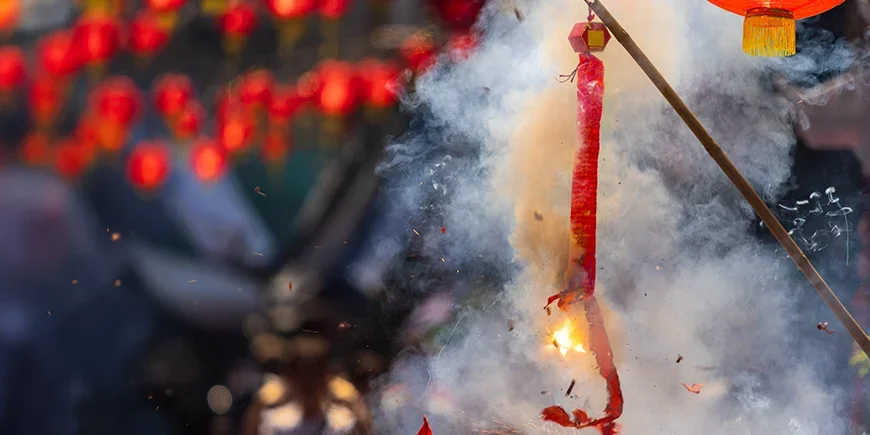
As China and Vietnam are neighbours, it’s hardly surprising that Chinese New Year and Vietnamese New Year – besides taking place at the same time – share many of the same traditions. Both are marked by family gatherings and lavish meals, and in both China and Vietnam, people set off firecrackers to scare away evil spirits.
New Year celebrations in China and Vietnam also have their own distinctive touches. In China, for example, it’s traditional for parents to give red envelopes filled with money to their children, while in Vietnam, it’s customary to visit Buddhist temples in the days following New Year.
Where is it best experienced? If you’d like to experience Lunar New Year in China, the festive atmosphere and beautiful decorations make Beijing a top choice. If, on the other hand, you’re celebrating Lunar New Year as part of your Vietnam tour, you’ll find fantastic places in both Hanoi and Ho Chi Minh City to enjoy the colourful fireworks.
Nyepi – the day of silence in Bali
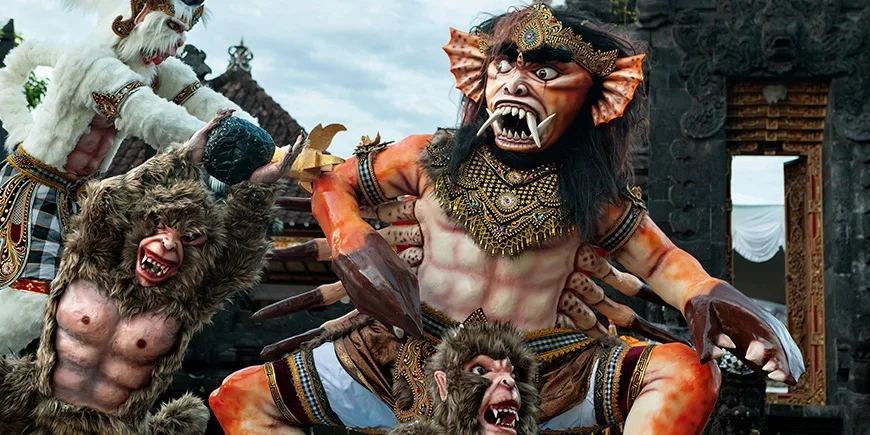
Nyepi Day is a Hindu holy day marking the start of the new year in the Saka calendar, used in Balinese Hinduism. The festival, celebrated primarily on Bali, falls each year around the spring equinox, typically in March or April. In 2026, Nyepi Day falls on March 19th.
Unlike the New Year celebrations we’re used to back home, Nyepi Day isn’t marked by colourful fireworks and street parties – quite the opposite. On Nyepi Day, Bali comes to a complete standstill for a full 24 hours, with silence filling the deserted streets. And there’s good reason for it: the quiet allows Balinese people to remain deeply connected to Hinduism and make space for reflection and purification.
The preparations, which sometimes begin several weeks before Nyepi Day, are anything but quiet. In the run-up to Nyepi Day, streets and alleyways fill with traditional music and bursts of colour – a striking contrast to the profound calm that later settles over the island.
Where is it best experienced? Nyepi Day is best experienced on Bali, where the celebration unfolds in all its splendour. As the island completely shuts down on the day and it’s not permitted to be out on the streets, you can only experience Nyepi Day within the reassuring confines of your hotel. In the days leading up to Nyepi, however, you may be lucky enough to witness rituals and ceremonies taking place all over the island.
Songkran – Thailand’s splashing water festival
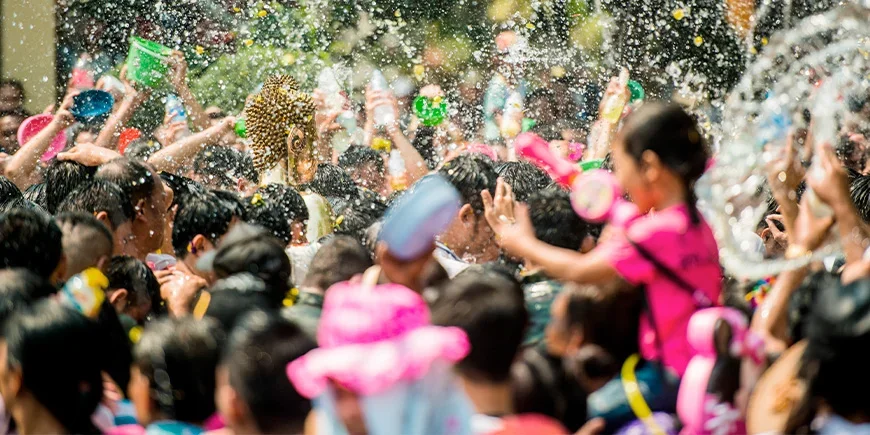
On April 13th, Thailand turns into one big New Year celebration as Songkran gets under way.
Step outside your hotel that day and you can be absolutely sure of one thing: you’ll get wet. And no, it’s not because the rainy season, along with the heat, has arrived in Thailand. It’s because excited Thais pour into the streets armed with water pistols, drenching one another in copious amounts of water.
Although Songkran is famed as the world’s biggest water fight, for Thais the celebration carries a much deeper meaning. It has strong cultural and religious roots in Buddhism, where water symbolises purification and a fresh start.
The celebration often lasts for up to a full week, with several days marked by special traditions. The first day, for example, honours Thai elders, with children pouring scented water into their hands, while the second day is dedicated to family and spent with loved ones.
Where is it best experienced? Although Songkran is celebrated almost everywhere in Thailand, there are places where the festivities are especially intense. You can, for example, visit Chiang Mai, arguably one of the best places to celebrate Songkran, or Bangkok, where you can watch the water fights from above on the iconic BTS Sky Walk.
Hijri New Year – religious rituals across Muslim countries
Hijri New Year (the Islamic New Year) falls on the first day of Muharram, the first month of the Islamic calendar. As the Islamic calendar follows the moon, the date shifts from year to year and in 2026, it falls on June 16th.
Since 622 CE, Hijri New Year has held a special place in Muslim countries. As well as marking the beginning of the new Islamic calendar year, it is also the day when the Prophet Muhammad’s migration (Hijra) from Mecca to Medina is commemorated – an event that laid the foundations of the first Muslim community.
The way Hijri New Year is observed varies widely from culture to culture. Generally, though, the celebrations are far more low-key than the loud festivities we associate with New Year at home. Instead, the day is characterised by contemplation, remembrance, and reflection on the passage of time, and is often marked with communal prayers at the mosque and time spent with family.
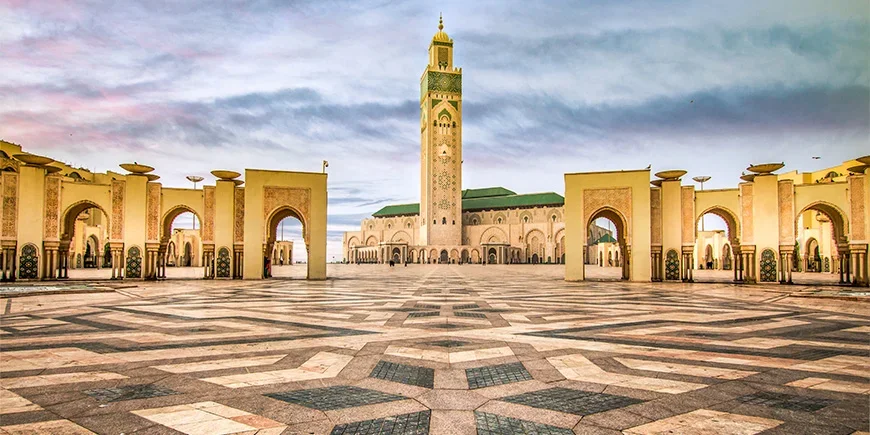
Where is it best experienced? Because Hijri New Year is a quiet, reflective occasion, you’ll feel the New Year atmosphere most strongly near a mosque. If you’re in Morocco, the area around the Hassan II Mosque in Casablanca is an excellent place to be, where, alongside the special sense of calm, you can also admire the beautiful architecture.
Inti Raymi and We Tripantu – solstice celebrations in the Andes region
Inti Raymi and We Tripantu are two distinct traditions from the Andes region, both honouring the same event: the winter solstice on June 24th, the darkest day of the year, which marks the gradual return of the light in the southern hemisphere – a day that both the Incas and the Mapuche people regarded as the start of the new year.
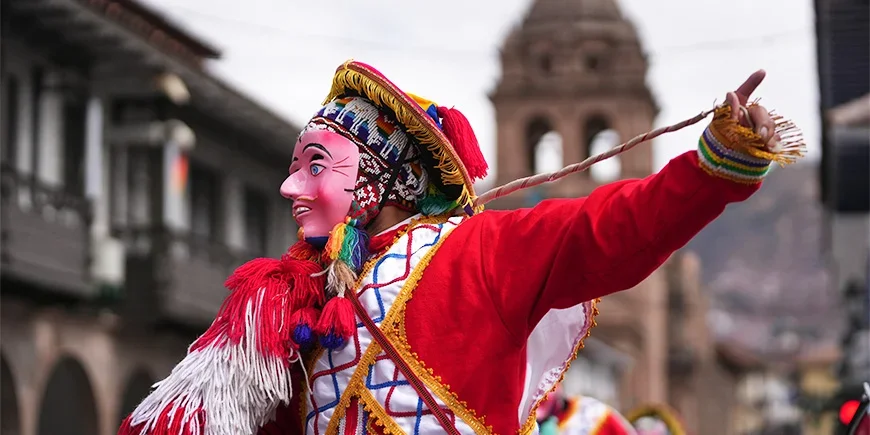
One of these traditions, Inti Raymi, originates in Peru and has its historic centre in the former Inca capital, Cusco. As the winter solstice arrives, the city transforms into a vibrant stage of life, with joyful revellers in colourful attire dancing through the streets in honour of the sun god, Inti.
By contrast, the other tradition, We Tripantu, has its roots among the Mapuche people, who mainly live in Chile and Argentina. The festivities start the evening before, when locals gather around crackling fires to share traditional dishes and swap stories. At sunrise, they head together to rivers and streams to cleanse the body and soul before welcoming in the new year.
Together, Inti Raymi and We Tripantu offer a fascinating window into the Andes’ rich cultural heritage.
Where is it best experienced? If you’re set on celebrating Inti Raymi in Peru, Cusco is without a doubt the most vibrant place to be. If it’s We Tripantu you’re dreaming of, the Araucanía region in the Chile and La Pampa province in Argentina are considered among the finest places to experience it.
Matariki – Māori New Year under New Zealand’s stars
Matariki is the Māori name for the glittering star cluster of nine stars that appears in the sky on cold winter mornings in New Zealand and, according to the Māori, signals that a new year is about to begin.
For the Māori, Matariki is a time when sorrow and joy go hand in hand. It is both a moment to honour those who have passed away and a time to celebrate the bounty of the harvest and thank the gods for their generosity.
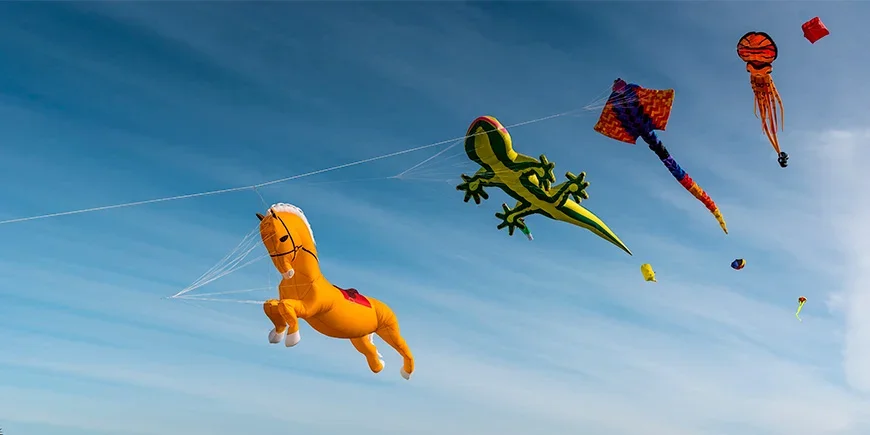
Traditionally, the Māori New Year was marked with sacred fires, ceremonial offerings, and festive rituals in honour of both death and life. Although these ancient customs are still remembered, Matariki today is celebrated mainly with shared meals, songs, and stories from the past. In the days around Matariki, you might also be lucky enough to see colourful kites soaring skywards, as in Māori tradition, kites symbolise the connection between the physical and spiritual worlds and guide the departed towards the stars.
Although Matariki has been celebrated by the Māori for many hundreds of years, it was only recognised as an official public holiday in New Zealand in 2022. In 2026, the celebration falls on July 10th.
Where’s the best place to experience it? If you’re dreaming of celebrating the Māori New Year as authentically as possible, Rotorua is the obvious place to go. The city, which is the centre of New Zealand’s Māori culture, impresses with everything from dawn ceremonies and drone shows to live music and theatre, giving you the chance to experience Matariki at its best.
New Year’s Eve – party, fireworks, and colourful New Year’s hats
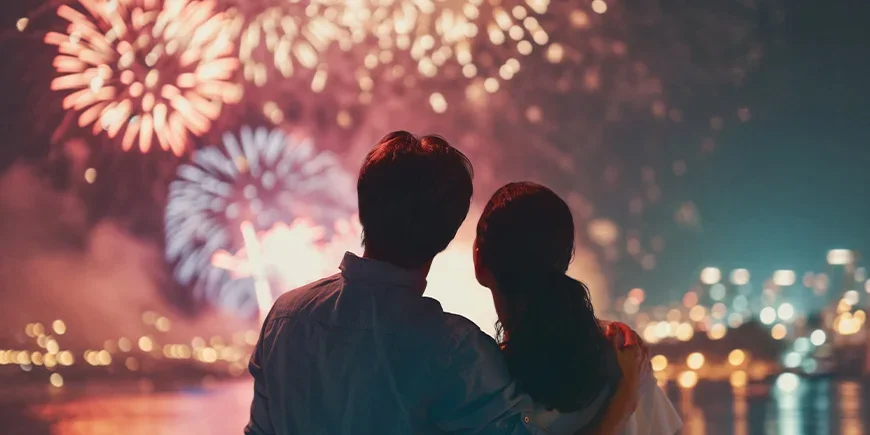
The Gregorian New Year, celebrated on December 31st, is one of the year’s biggest events. It’s the evening before the Gregorian calendar, used in most of the world, officially ushers in a new year.
Although the celebration has its roots in the Western world and is therefore often referred to as ‘Western New Year’, the Gregorian New Year is now marked globally. The way New Year is celebrated varies from country to country. In most places, though, the occasion is marked with big parties for friends and family, with glasses of bubbly, glittering fireworks, fun New Year hats, and the countdown to midnight taking centre stage.
As well as being a colourful and festive celebration, the Gregorian New Year is also seen as a symbolic transition – a time to reflect on the year that’s gone by and make those so-called ‘New Year’s resolutions’, setting personal goals for the year ahead.
Where is it best experienced? Although the Gregorian New Year is celebrated in many places, it’s in the big cities that the atmosphere really comes alive when the clock strikes 00:00 on December 31st. For example, you can raise a glass with thousands of revellers by Sydney Harbour in Australia, or dance to festive beats in the streets of Boston or New York in the USA.
What should I be particularly aware of?
Wherever in the world you dream of celebrating New Year, there are a few things worth bearing in mind when you travel at this time. New Year is often one of the most popular occasions of the year – not only for travellers, but also for the many locals who head home to mark the holiday with friends and family.
If you’re travelling during this period, please be aware that shops and attractions may change their opening hours, hotels can sell out quickly, and in some places, it may be harder to find transport. If you’re dreaming of ringing in the New Year in a particular place, it’s a good idea to do your research earlier and book well in advance.
Please also note that there are a few destinations where we don’t offer tours at the time when New Year falls. For example, it isn’t possible to experience Matariki with us, as we don’t offer tours to New Zealand at that time. In addition, in Bali, it’s only possible to witness the preparations for Nyepi, not the day itself.
Want to know more about which tours give you the chance to experience New Year in other countries, or do you have other questions? You’re always welcome to get in touch with our experienced travel specialists.
Want to experience the world’s fascinating New Year celebrations?
From quiet reflection to explosive celebrations, the world shows off its rich diversity as the year turns.
Dive into the world’s unique New Year celebrations and create travel memories that will last a lifetime!
TourCompass – From tourist to traveller