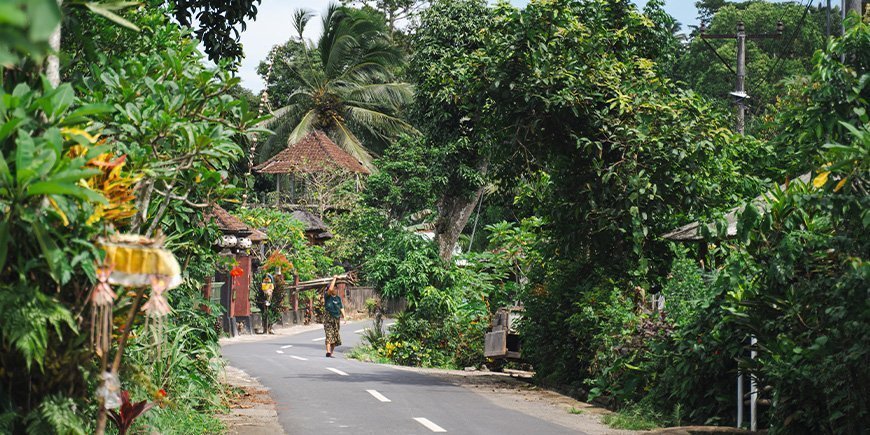
Silence. No lights, no sounds, no traffic. Deserted streets.
The world almost comes to a halt as the Balinese celebrate the Hindu festival of Nyepi, also called the Day of Silence.
In this blog post, you can learn about the festival, when it is celebrated, and how it is observed.
What is Nyepi?
Nyepi, or the Day of Silence, is a religious festival on Bali that focuses on purification. On this day, the emphasis is on self-reflection, meditation, and prayer.
The festival reminds people to maintain balance and harmony in their lives and reflects on the struggle between good and evil in the world.
At the same time, the many rituals and ceremonies during Nyepi are intended to cleanse the island of evil spirits.
When is Nyepi Day in 2027?
According to the Saka calendar, Nyepi day marks the beginning of the new year followed by Balinese Hinduism.
Therefore, Nyepi is also known as the Balinese New Year.
New Year typically falls around the spring equinox, usually in March or April. In 2027, Nyepi begins on the morning of the 8th of March and lasts from sunrise to sunrise.
How New Year is celebrated on Bali
Most of the New Year celebrations and traditions we know are about parties, colours, and fireworks.
But this is not the case when the Balinese celebrate Nyepi – quite the opposite.
Instead, New Year is observed with a day of silence. The silence is a way to connect more deeply with Hinduism within Balinese culture.
During the day, which begins at 6 a.m. and ends at 6 a.m. the following morning, there is prayer, fasting, and meditation.
The days leading up to Nyepi
In the days leading up to Nyepi, there are also various rituals and ceremonies that the Balinese practise.
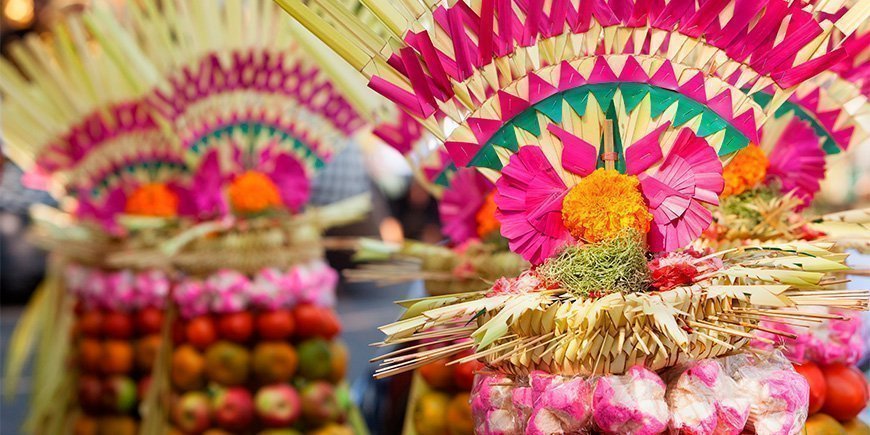
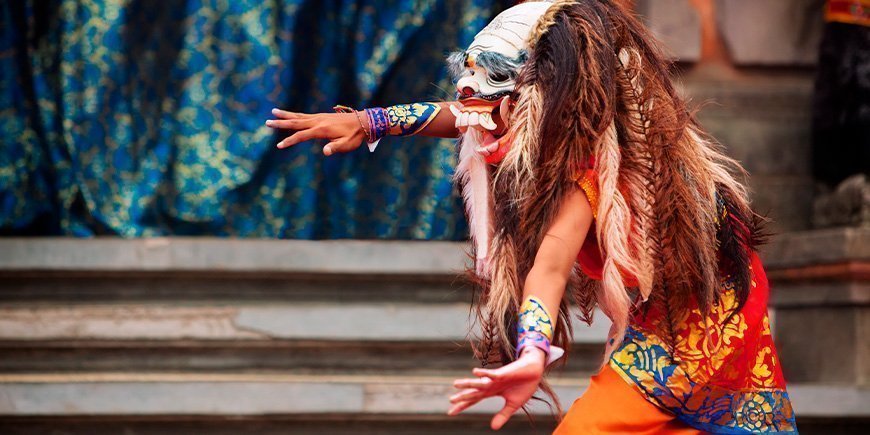
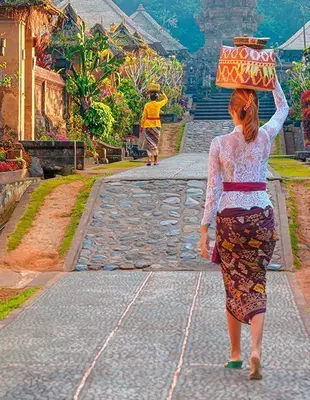
In fact, preparations for Nyepi start several weeks before the day itself, with music and colourful offerings in streets and alleys.
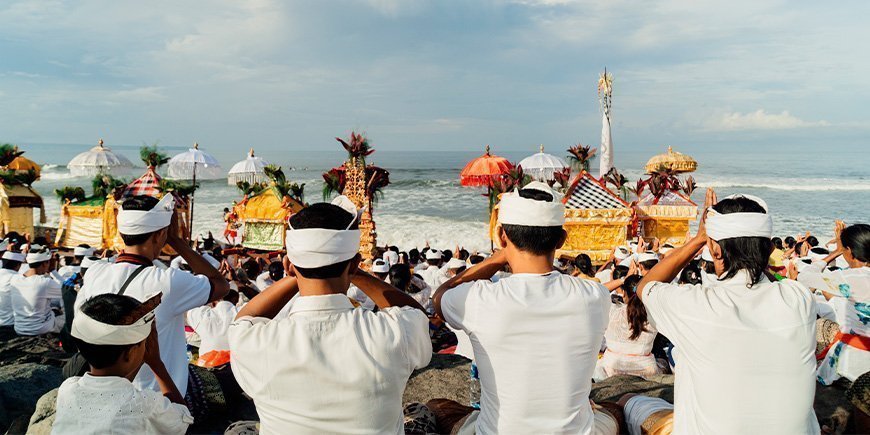
Three to four days before Nyepi, the Melasti ritual takes place: a purification ritual where thousands of Balinese, dressed in white, march towards the sea with sacred artefacts and offerings to be purified in the ocean.
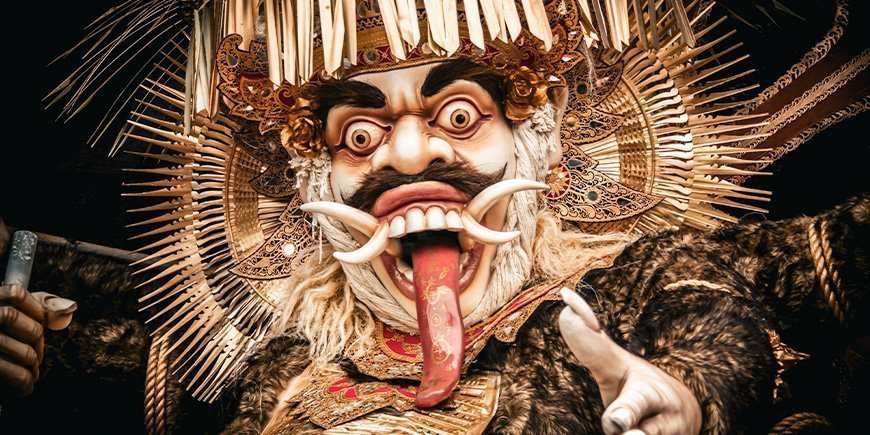
Residents of the island also create large papier-mâché monster figures, called Ogoh-Ogoh, which are paraded through the streets in colourful processions on the evening before Nyepi.
Rituals and traditions
On Nyepi itself, there are four core rules, known as Catur Brata. Catur Brata are the four fundamental prohibitions that everyone on the island is expected to adhere to on this day:
Amati Geni: No use of fire or lights, including electricity
Amati Karya: No forms of work
Amati Lelunganan: No travel
Amati Lelanguan: No noisy festivities or entertainment
In other words, everything comes to a halt on this day. Everyone on the island, both Balinese and visitors, stays indoors, and restaurants, cafés, airports, etc., are closed.
The only places that remain open are the hospitals.
Fancy experiencing Bali?
Since everything stands still on Nyepi, we do not schedule tours that run through this date. If you find yourself in Bali in the days leading up to the celebration, you might witness some preparations, such as Melasti and the Ogoh-Ogoh figures.
However, you can enjoy fascinating culture on a Bali tour all the other days of the year.
Be enchanted by the picturesque scenery of the highlands and enjoy the tranquillity of Lovina. Visit the traditional village of Rumah Desa and get right up close to the colourful culture of Ubud. Round off with a beach holiday or a city break.
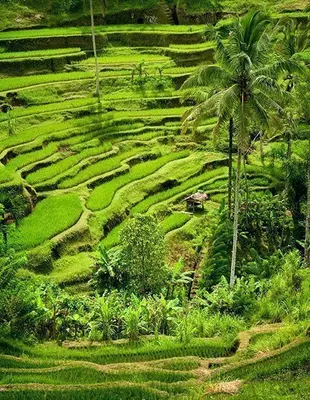
Experience the lush highlands of Munduk and get right up close to village life at Rumah Desa. Be seduced by the charm of Ubud and see the beautiful rice terraces of Tegalalang. Then digest it all at the beach resort of Sanur.
This 4-star tour is the tour for you if you’d like fewer hotel changes and time on the itinerary to set the pace and choose your activities yourself. Soak up the atmosphere of Ubud and round off with a beach holiday in Sanur.
Experience iconic volcanoes, fascinating landscapes, charming Yogyakarta and some of the world’s most amazing temples, including Borobodur. Finish with beach holiday on Bali, Island of the Gods.
Get up close to the soul of Bali in Ubud, discover Sidemens pristine landscapes, the authentic snorkelling paradise of Amed, and end it all in Lovina with its dark volcanic beaches.
Experience 4 very different islands: Bali, Gili, Lombok and Nusa Lembongan. Look forward to lazy days on the beach, amazing snorkelling, and unforgettable sunsets.
Be enchanted by the picturesque scenery of the highlands and enjoy the tranquillity of Lovina. Visit the traditional village of Rumah Desa and get right up close to the colourful culture of Ubud. Round off with a beach holiday or a city break.
Experience the lush highlands of Munduk and get right up close to village life at Rumah Desa. Be seduced by the charm of Ubud and see the beautiful rice terraces of Tegalalang. Then digest it all at the beach resort of Sanur.
This 4-star tour is the tour for you if you’d like fewer hotel changes and time on the itinerary to set the pace and choose your activities yourself. Soak up the atmosphere of Ubud and round off with a beach holiday in Sanur.
Experience iconic volcanoes, fascinating landscapes, charming Yogyakarta and some of the world’s most amazing temples, including Borobodur. Finish with beach holiday on Bali, Island of the Gods.
Get up close to the soul of Bali in Ubud, discover Sidemens pristine landscapes, the authentic snorkelling paradise of Amed, and end it all in Lovina with its dark volcanic beaches.
Experience 4 very different islands: Bali, Gili, Lombok and Nusa Lembongan. Look forward to lazy days on the beach, amazing snorkelling, and unforgettable sunsets.