
Timeless wonders: 10 ruins that bring history to life
27/05/2026
There are places in the world where time seems to stand still. Where ancient temples hide deep within lush jungle landscapes, and abandoned cities remain as silent witnesses to a glorious past.
Ruins aren’t just piles of old stones. They are living time capsules where history still breathes, and where the civilisations that shaped the world before us still feel close.
Join us as we travel back in time in this blog post and explore 10 breathtaking ruins where the past still whispers through the crumbling walls.
Machu Picchu – the Incan mountain city in Peru
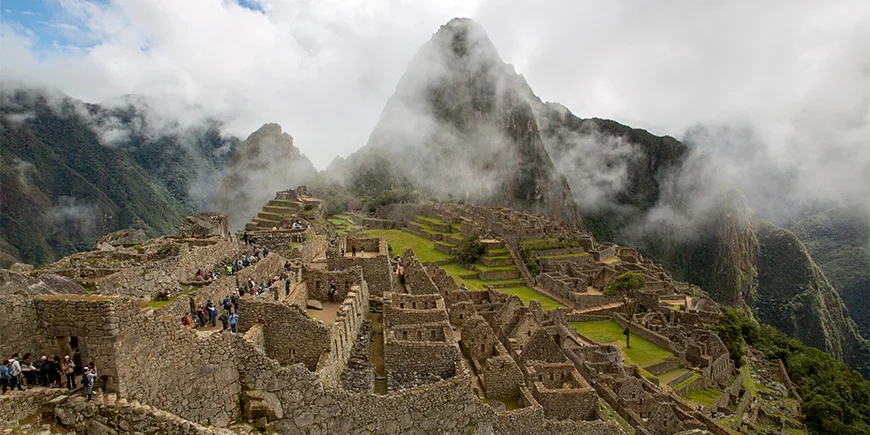
Machu Picchu, located around 80 kilometres from the Incan capital Cusco, is not only Peru’s most famous attraction but also one of the New Seven Wonders of the World.
The iconic Inca city, perched high above the clouds in the Andes Mountains, was built in the 15th century and served as home to priests, craftsmen, and high-ranking officials who had devoted their lives to the sun god.
Today, Machu Picchu stands as an awe-inspiring complex of ruins, made up of more than 200 different stone structures and agricultural terraces. Here, you’ll experience a fascinating journey through history, surrounded by breathtaking views that truly leave you speechless.
Angkor – the majestic capital of the Khmer Empire in Cambodia
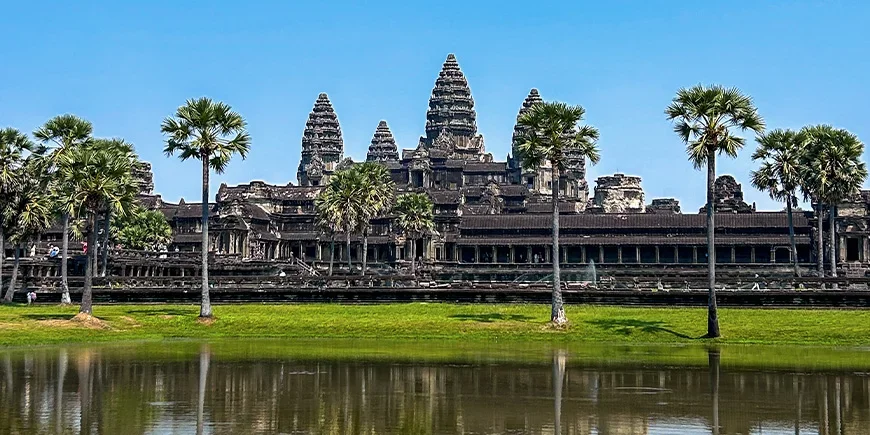
Beautifully situated in northern Cambodia lies Angkor, the ancient capital of the Khmer Empire. It is one of Southeast Asia’s most important archaeological sites and is listed on the UNESCO world heritage list.
Among the most impressive ruins you’ll find in Angkor is the iconic Angkor Wat temple. This majestic 12th-century structure was the largest temple in the Khmer Empire and is said to have taken 300,000 people and 6,000 elephants 37 years to build – an immense feat still reflected today in the temple’s extraordinary level of intricate detail.
The architectural marvel of Angkor impresses every traveller and is particularly captivating at sunrise, when the morning light makes the pools shimmer and bathes the temple in warm, golden hues.
Fort Jesus – captivating colonial history along Kenya’s coast
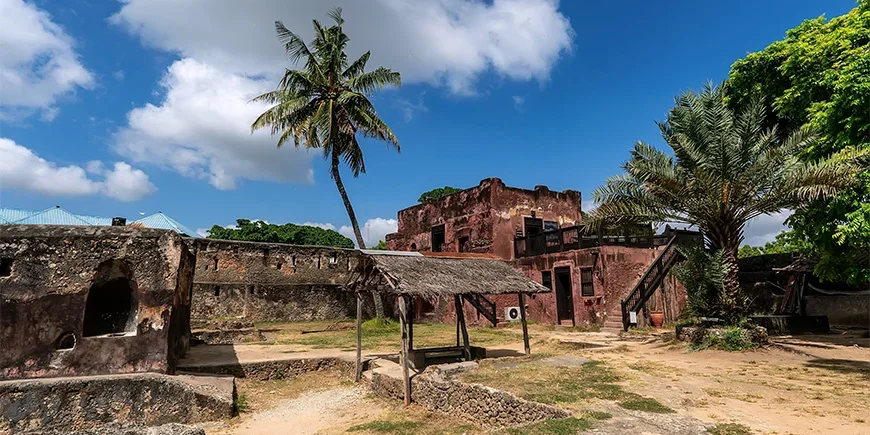
Fort Jesus, considered one of the oldest European buildings on Africa’s east coast, is an impressive military fortress located in the Kenyan port city of Mombasa.
The fortress was built in the late 1500s by order of the Portuguese king, and thanks to its strategic position on the Indian Ocean, it played a crucial role in defending the vital trade routes.
With its massive stone walls, bastions, and lookout points, Fort Jesus stands not only as a testament to the European presence on Kenya’s coast but also as a symbol of local resilience against foreign dominance.
Since 2011, the military fortress has rightly held its place on the UNESCO world heritage list.
Chichén Itzá – the iconic Mayan wonder in Mexico
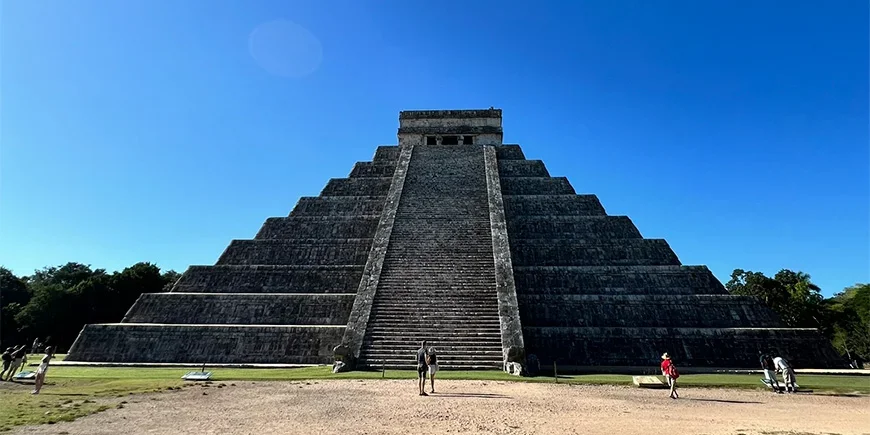
Chichén Itzá, which features both on the UNESCO world heritage list and on the list of the New Seven Wonders of the World, is one of Mexico’s top attractions.
With its magnificent temples, striking pyramids, and remarkably preserved structures, Chichén Itzá is not only among the world’s most breathtaking ancient cities, but also a true time capsule offering a fascinating glimpse into the captivating life of the Mayan civilisation.
One of the most iconic sights awaiting you here is undoubtedly the 24-metre-high El Castillo pyramid, built in honour of the Mayan god Kukulkán, soaring majestically above the open square.
Ciudad Perdida – the lost city hidden in Colombia’s jungle
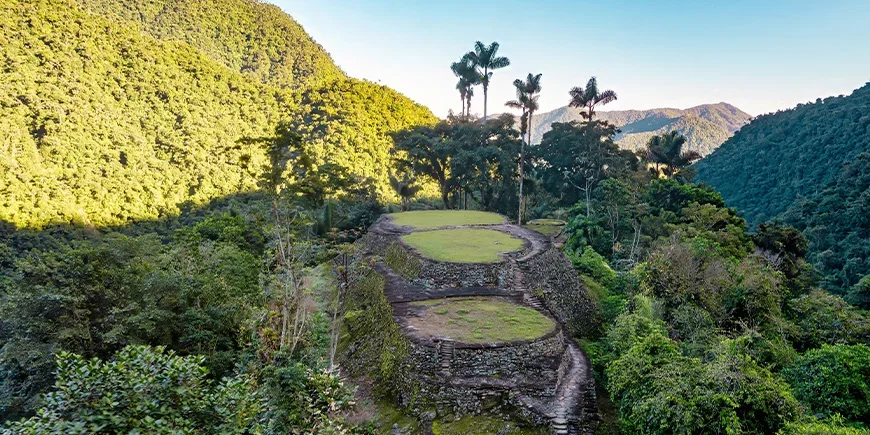
Ciudad Perdida, also known as the “Lost City”, is a ruined complex built deep within the lush Sierra Nevada mountains in northern Colombia by the indigenous Tayrona people around 800 AD.
The area, made up of an intricate network of buildings, roads, and stairways, thrived for many years and was once home to nearly 3,000 inhabitants during its golden age. However, this peaceful existence came to an abrupt end in the 16th century, when the Spanish established their first colonies in South America, forcing the Tayrona people to flee.
Due to its remote location, the city gradually disappeared from public consciousness and was slowly swallowed by the jungle. In fact, more than 400 years passed before it was rediscovered by grave robbers – the reason why it earned the legendary nickname “Lost City”.
You can explore Ciudad Perdida on a tour of Colombia, trekking roughly 50 kilometres through dense jungle in true Indiana Jones style.
Tenochtitlán – ruins from the Aztecs’ golden age in Mexico
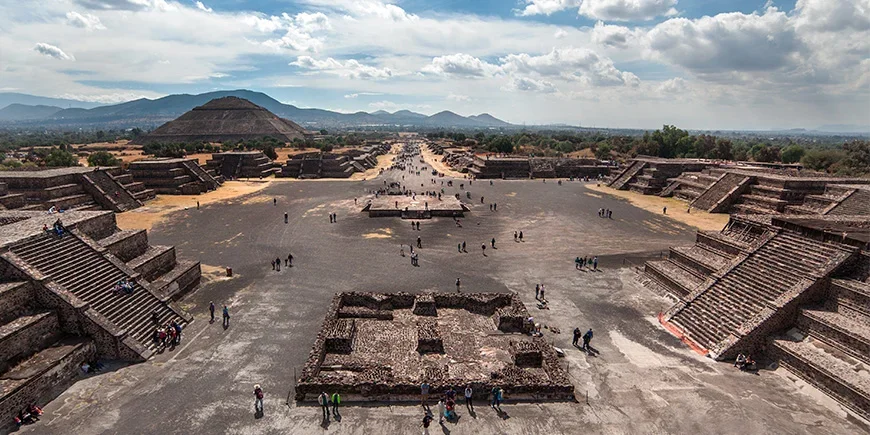
Tenochtitlán was the largest city in the Aztec Empire and the magnificent capital of the Aztecs. The city was founded in AD 1325 on a small island in the middle of the beautiful Lake Texcoco, which today forms part of Mexico City.
Tenochtitlán was laid out symmetrically, with four main sectors surrounding a large central plaza, where the Aztec temples and rulers’ palaces once stood side by side. It is also here that you can see Templo Mayor, the grand temple complex that once majestically towered above the square.
Tenochtitlán remained the political and cultural heart of the Aztecs for more than a century, until 1521, when the city was conquered by Spanish invaders who seized control in a brutal takeover.
Ayutthaya – ruins of Thailand’s ancient capital
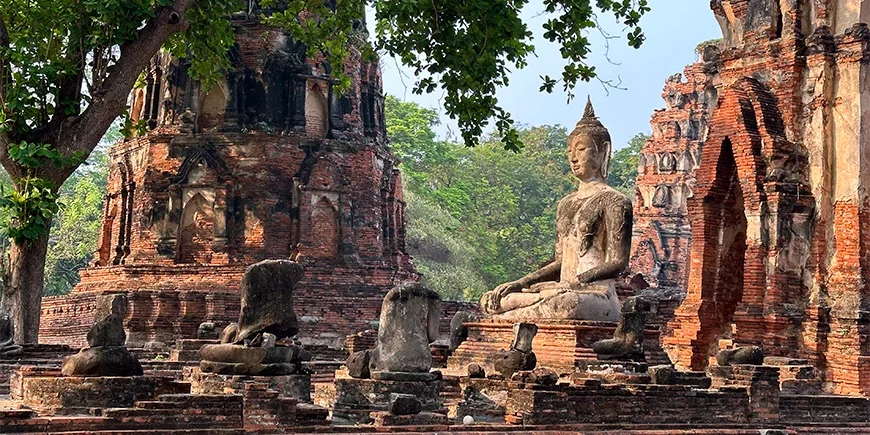
From 1350 to 1767, Ayutthaya served as the capital of the Siamese Kingdom, which we know today as Thailand.
For many years, the city was an important global centre until it was razed to the ground by the Burmese army in 1767. As Ayutthaya was never rebuilt, it now remains a magnificent complex of ruins, designated as a UNESCO world heritage site.
Among other things, you can experience the remains of the former capital on an atmospheric boat trip through the historic area, where the beautiful Wat Chaiwatthanaram temple stands out as one of the absolute highlights.
Tikal – mysterious Mayan temples in Guatemala’s rainforest
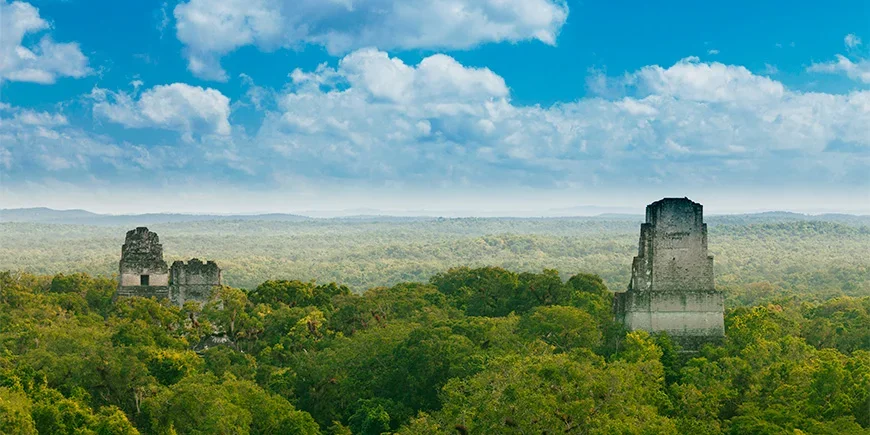
Tikal, which has been listed on the UNESCO world heritage list since 1979, is one of the most significant relics of the Mayan civilisation and an absolute must on a tour to Guatemala.
During the height of the Mayan civilisation, which took place between AD 200 and 900, Tikal was one of the civilisation’s most powerful centres. At its peak, the city was home to almost 90,000 inhabitants before it was abandoned around AD 900. Today, Tikal stands as an awe-inspiring archaeological site where the remnants of the city still rise majestically from the lush jungle of Tikal National Park.
Tikal comprises more than 3,000 ruins in total, though it’s the six pyramid-shaped temples that truly capture the imagination – and you may already have caught a glimpse of them if you’ve watched the Star Wars film “Episode IV: A New Hope”, where the ancient city appears as the planet Yavin 4.
Volubilis – Roman ruins in Morocco
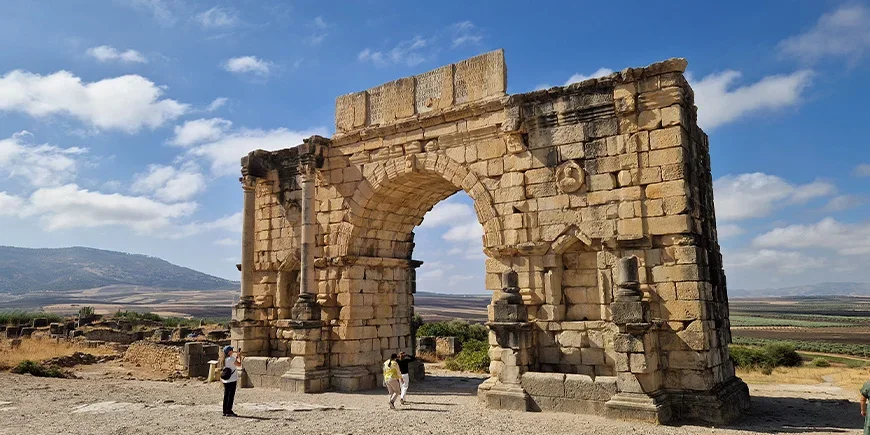
Volubilis is an ancient ruin city in Morocco, founded in the 3rd century BC. It once served as an important administrative and economic centre of Roman rule in North Africa.
Despite looting and the devastating Lisbon earthquake of 1755, large parts of the Roman city remain remarkably well preserved. You can still marvel at the impressive columns and intricate mosaics – including the distinctive “triumphal arch”, which stands as a lasting testament to the grandeur of the Roman era.
From Volubilis, you can also enjoy a breathtaking view over lush olive groves and fertile fields, a beautiful setting that frames your journey through history.
Sigiriya – the rock palace overlooking Sri Lanka
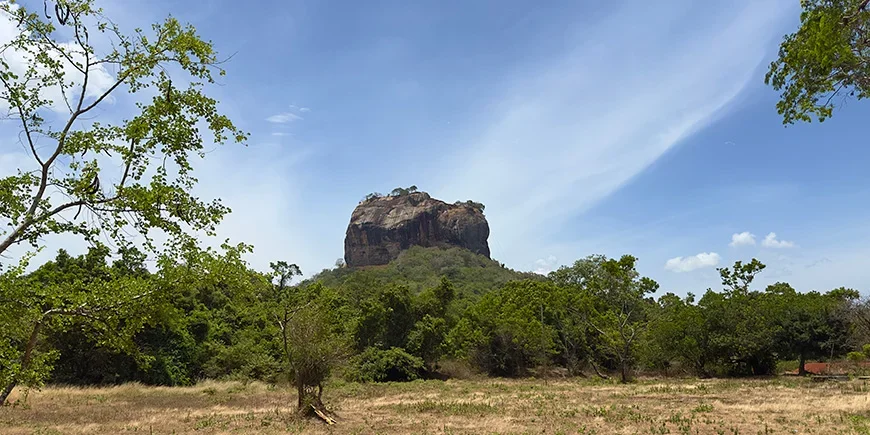
Sigiriya is not only one of Sri Lanka’s most important archaeological sites but also among the most beautifully situated ruins in the world.
The ruins, dating back to the late 5th century AD, are the remains of King Kashyapa’s palace, perched on top of a 200-metre-high rock. From here, you can enjoy a breathtaking view of the surrounding landscape. Before reaching the ruins, the ascent of 1,202 steps takes you through two enormous stone-carved lion’s paws – the famous feature that gave the site its name, “Lion Rock”.
From the top, you can enjoy a magnificent panorama of the ruins of the ancient royal palace and let your gaze drift across the lush landscape, stretching like a green carpet towards the horizon.
Would you like to delve into history among atmospheric ruins?
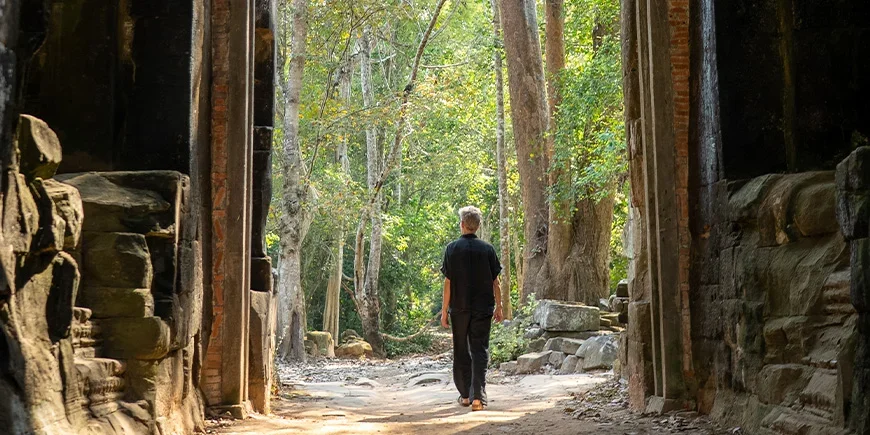
Whether you’re exploring age-old temples or wandering through abandoned cities, there’s something truly special about being surrounded by history – where time-worn stones and ancient structures offer a glimpse into a bygone era.
At TourCompass, we offer a wide selection of tours that bring you close to the mysteries of the past.
If you’re unsure which of the world’s ruins should frame your next adventure, or if you have any questions about our tours, please don’t hesitate to contact our travel specialists, who are always ready to help.
TourCompass – From tourist to traveller