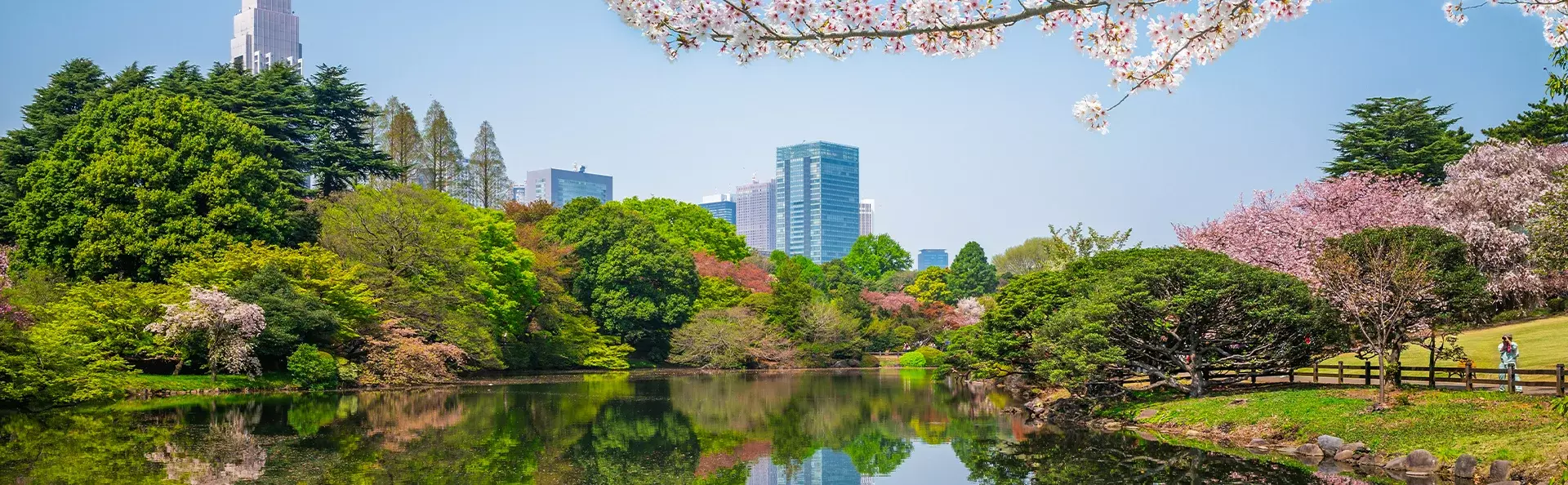
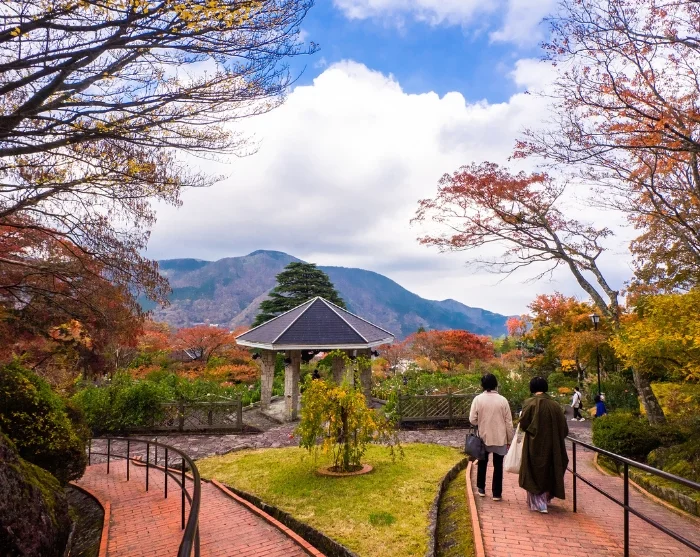
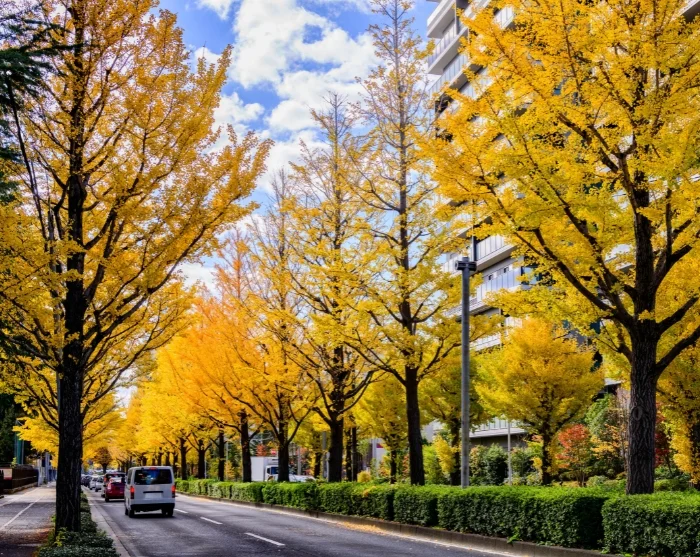
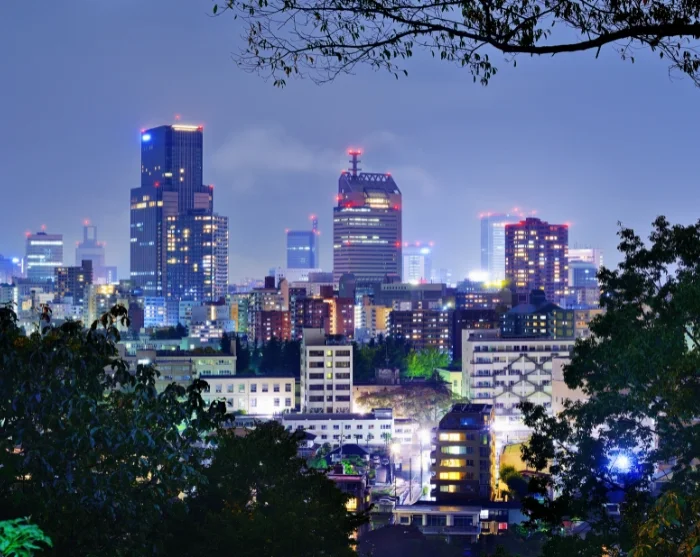
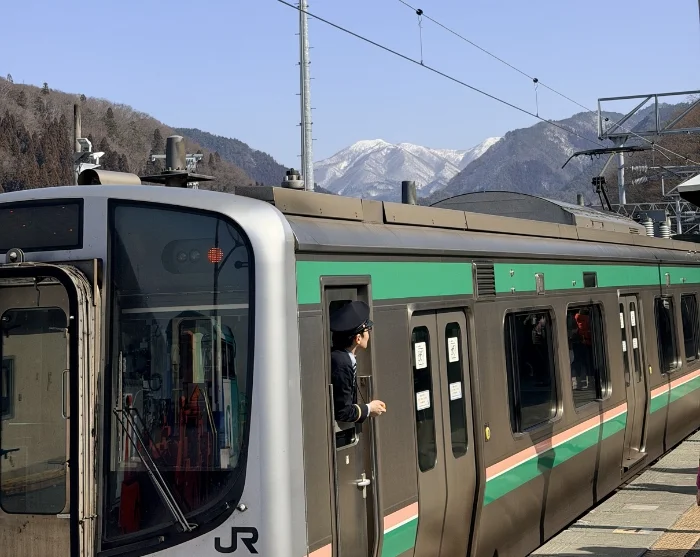
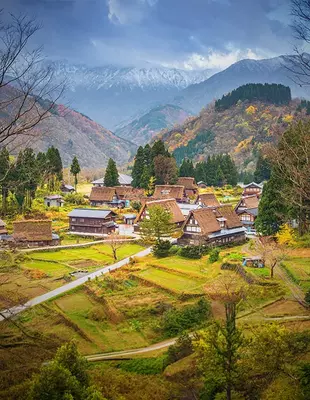
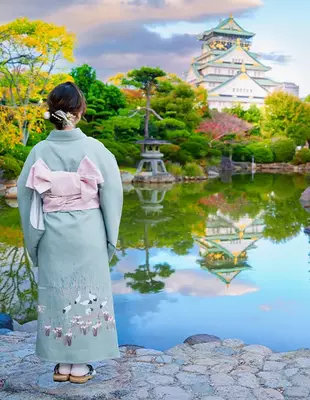
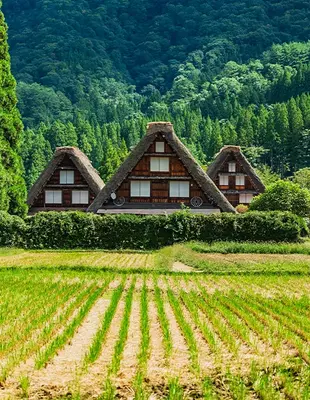
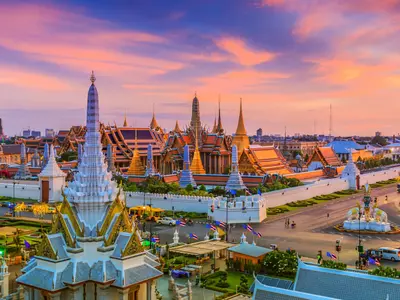
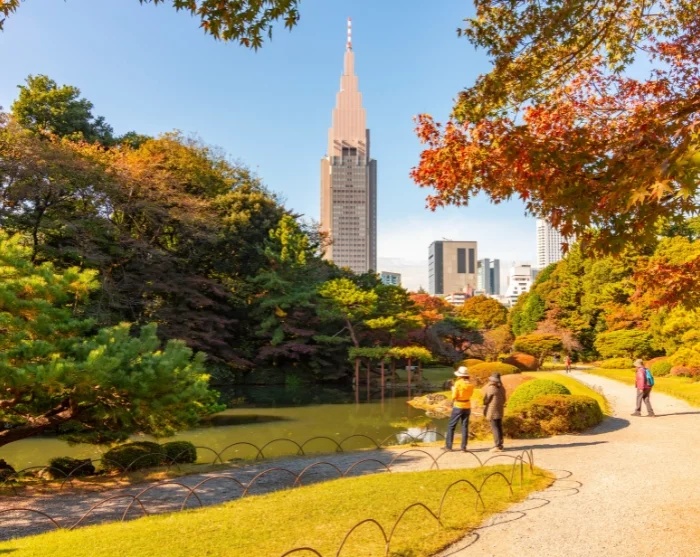
Look forward to the vibrant metropolises of Kyoto and Tokyo, and experience Japan’s natural beauty in full bloom among the mountains surrounding the Yamadera Temple and in Hakone National Park.
Comprehensive package of excursions:
From steaming volcanic landscapes to forest-clad mountain temples, this tour takes you through some of Japan’s most breathtaking natural scenery, enchanting you with its tranquillity and beauty. Along the way, you’ll move between peaceful mountain regions and lively cities, offering a fascinating and dynamic insight into the country.
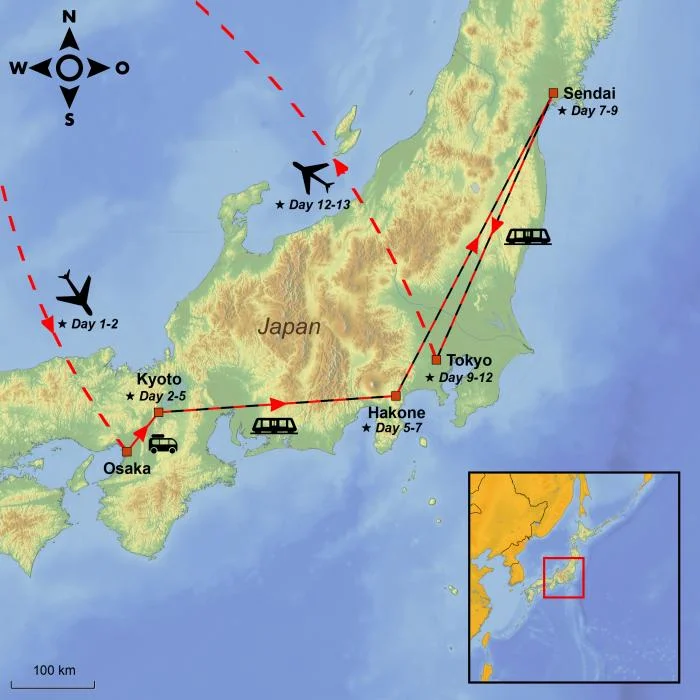
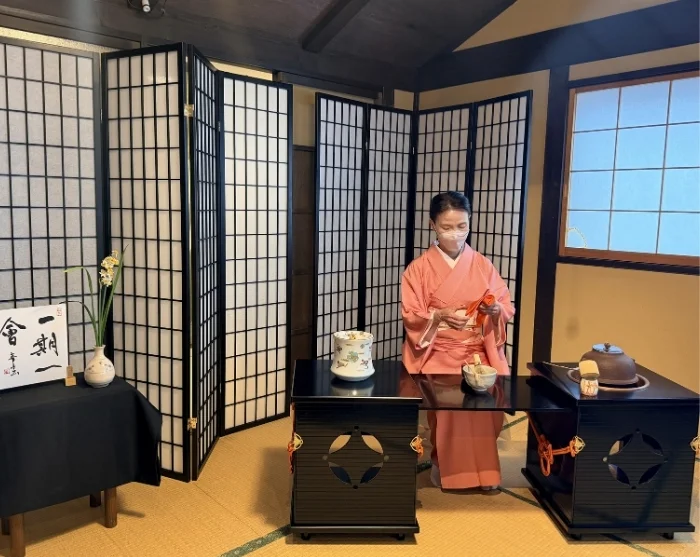
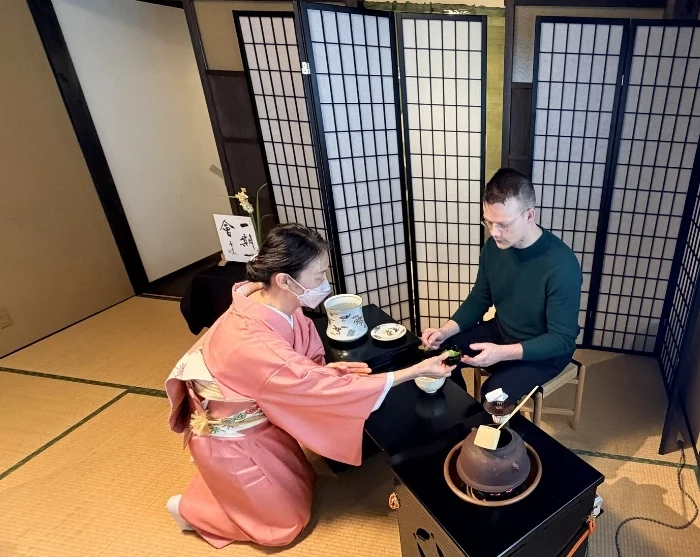
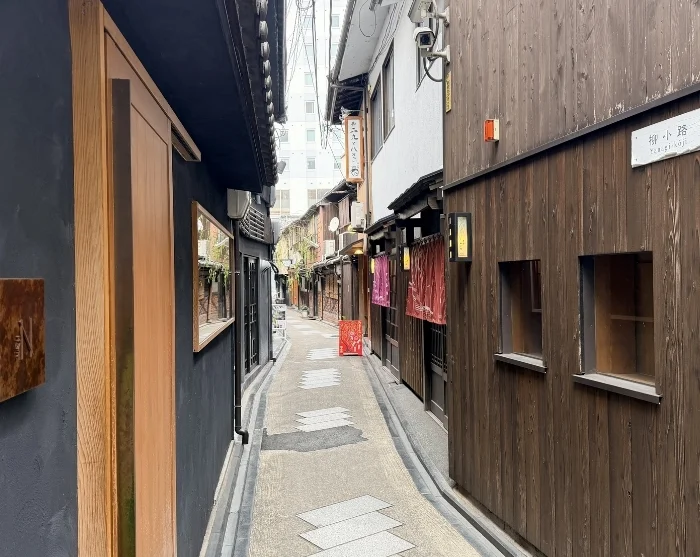
Your journey begins in Kyoto, where you’ll step into Japan’s cultural heart, surrounded by temples, shrines, and atmospheric streets. Wander through traditional neighbourhoods with their beautiful wooden houses, where every detail reflects the country’s rich history, while subtle modern touches blend seamlessly into the city’s ambience. You’ll also take part in an authentic tea ceremony, gaining an insight into centuries-old rituals and even trying your hand at the art of matcha preparation.
From here, your adventure continues to Hakone National Park, one of Japan’s most scenic areas. On a full-day excursion, you’ll travel through dramatic volcanic terrain, past steaming rocks, and across glassy lakes with views of Mount Fuji on clear days. By cable car and boat, you’ll experience the landscape from different perspectives as the surrounding mountains transform with the changing seasons, creating an ever-shifting panorama.
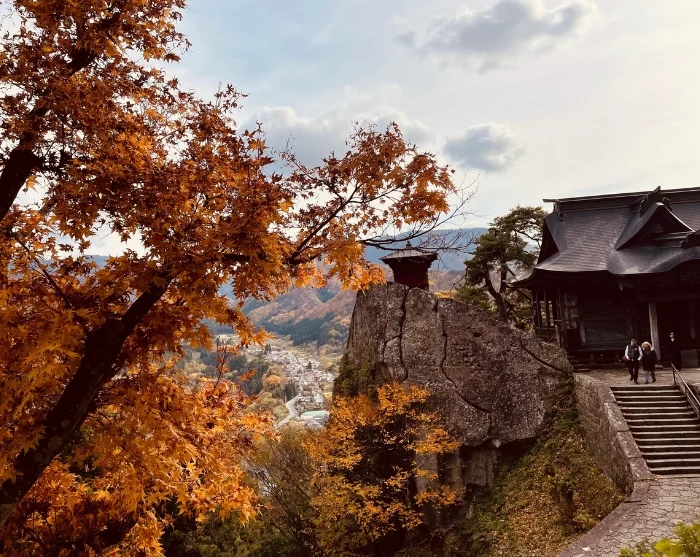
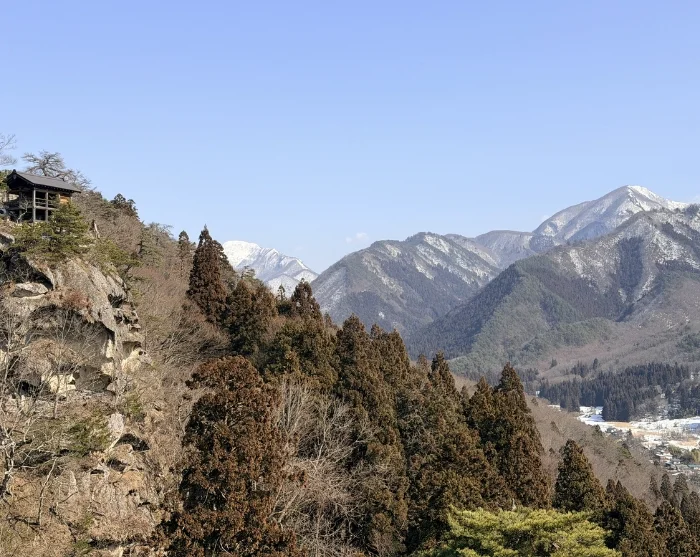
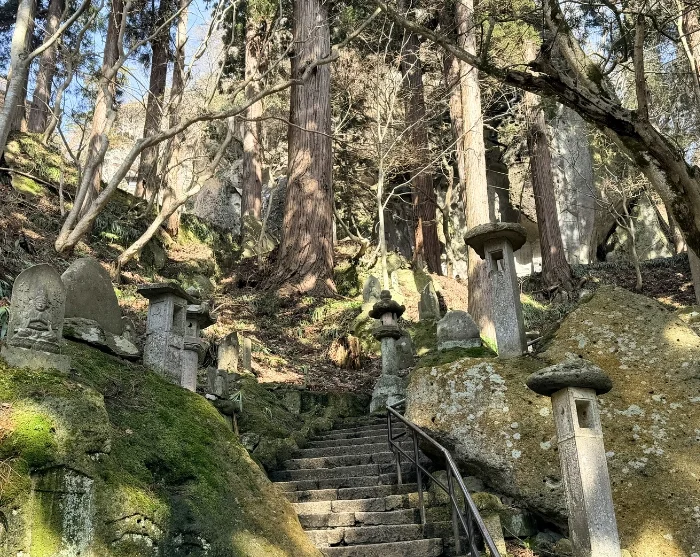
From the iconic Hakone, the tour continues north to Sendai, where you’ll discover a more local and less-visited side of Japan. Here, you’ll visit Yamadera, a hidden gem in the mountains, where a stone stairway leads you through cedar forests to temples clinging to the cliffs. From here, the view opens up across valleys and mountains, offering a rare moment of calm and reflection.
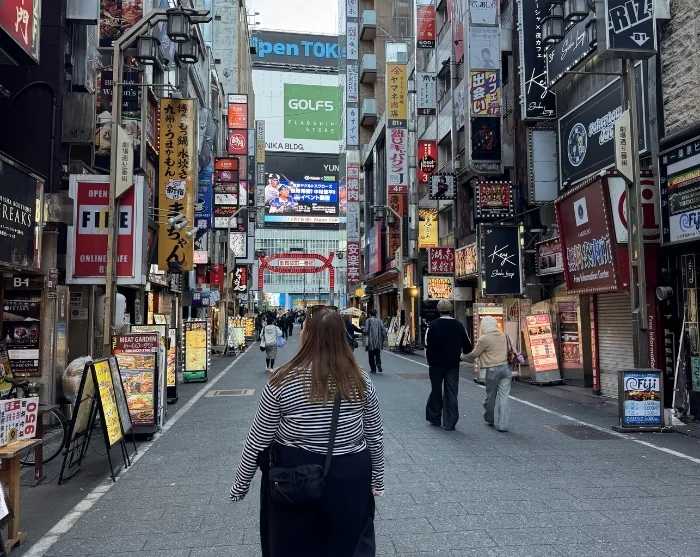
The tour concludes in Tokyo, where the contrast to nature’s tranquillity becomes strikingly clear. Here, modern architecture and glittering neon lights meet historical shrines, and you’ll experience how past and present coexist side by side in a vibrant and ever-changing metropolis.
Today, you take your first step towards your Japanese adventure. Your journey departs from your selected airport, with flights including one or more connecting flight(s) along the way.
Welcome to Japan, the Land of the Rising Sun!
Upon arrival at Osaka Airport, you’ll go through immigration and collect your luggage. In the arrivals hall, your driver will be waiting with a sign, ready to ensure you get off to the best possible start to your Japanese adventure.
From the airport, you’ll head to Kyoto, Japan’s ancient imperial capital, located around an hour and a half away. Along the way, you’ll pass bustling industrial harbours, cityscapes of skyscrapers, and the soft outlines of green mountains in the distance – giving you your first glimpse of Japan’s fascinating contrast between the ultra-modern and the deeply traditional.
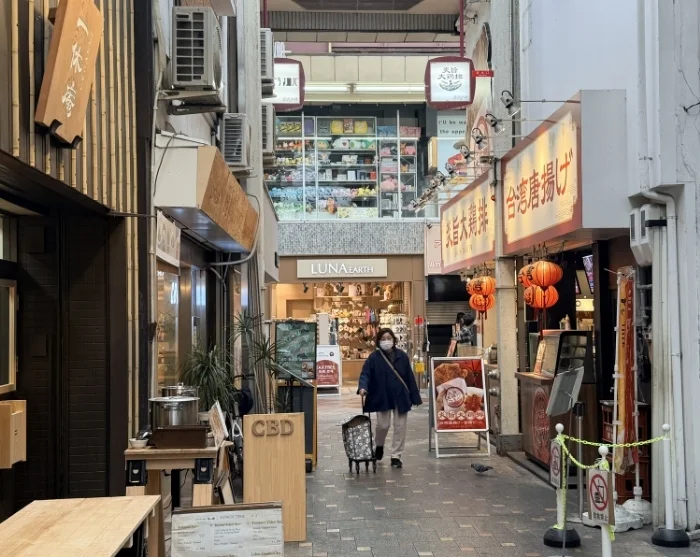
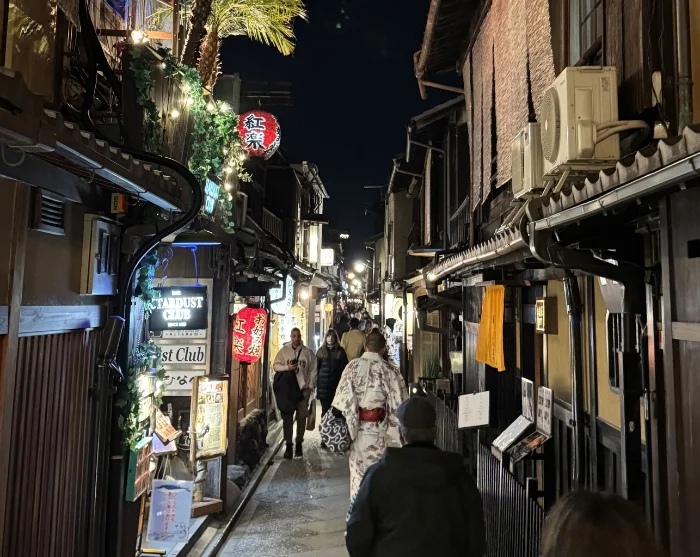
Upon arrival in Kyoto, you’ll check in at your hotel, with time to unpack and settle in, as the rest of the day is yours to spend as you wish. You might like to stretch your legs after the flight with a short stroll around the neighbourhood, where small shops, glowing lanterns, and local eateries offer your first taste of everyday life in Japan.
If you still have the energy, you can find a nearby restaurant and enjoy your first Japanese meal – whether you’re tempted by steaming ramen, crisp tempura, or freshly made sushi. Afterwards, return to your hotel and unwind as you look forward to the days ahead in one of Japan’s most atmospheric cities.
After breakfast, you’ll meet your guide in the hotel lobby for a welcome meeting designed to give you a smooth and confident start to your tour. The guide will go through the itinerary for the coming days, provide useful practical information, and answer any questions you may have.
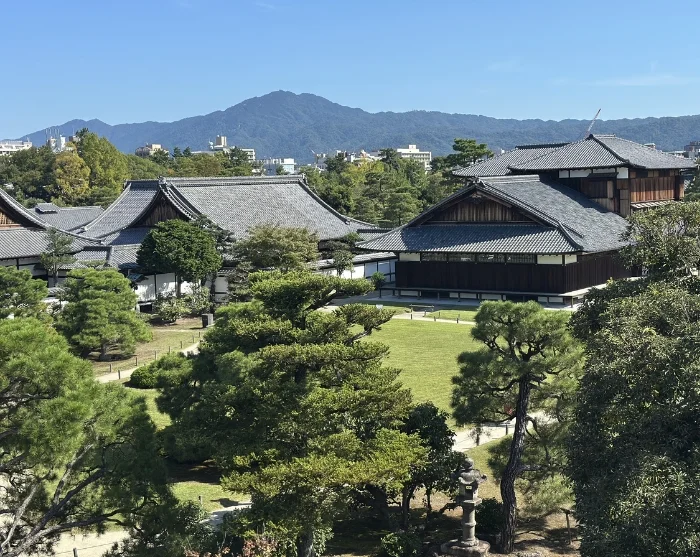
You will then head towards Nijo Castle, built by the founder of the Edo shogunate. The castle is surrounded by beautiful gardens and is renowned for its distinctive architecture, richly decorated sliding doors, and famous “nightingale floors”, which chirp when walked upon. These floors were originally designed as a security measure to warn of unwelcome visitors.
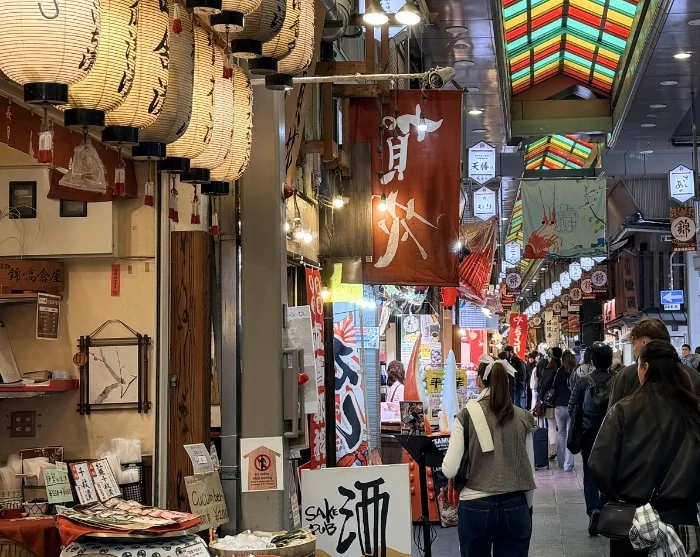
From the echoes of history, you’ll continue to Nishiki Market, a narrow shopping street lined with more than 100 small shops and eateries. The market is rightly known as “Kyoto’s kitchen”, overflowing with everything from fresh fish and pickled vegetables to sweet treats and local delicacies. It’s a lively place and an excellent opportunity to explore the many ingredients and flavours that define Japanese cuisine.
The cultural highlight of the day is undoubtedly taking part in a traditional tea ceremony, offering you a rare glimpse into some of Japan’s oldest traditions. In calm and intimate surroundings, you’ll first be served a small Japanese snack before watching the host’s skilled tea master prepare traditional Japanese matcha tea with great precision and artistry. You’ll then taste the finished tea and be introduced to the ceremony’s graceful movements and their deeper meanings, after which you’ll have the chance, under expert guidance, to whisk your own bowl of matcha into a fine green froth. The ritual is steeped in centuries-old customs and provides a profound insight into Japanese aesthetics, mindfulness, and appreciation for detail.
After the ceremony, the afternoon is yours to spend as you wish. The area around the teahouse is more local and peaceful compared to the bustling city centre, making it the perfect time to find a small restaurant and enjoy lunch among the locals. Here, you’ll get a real sense of everyday life, offering a lovely contrast to the city’s more visited neighbourhoods.
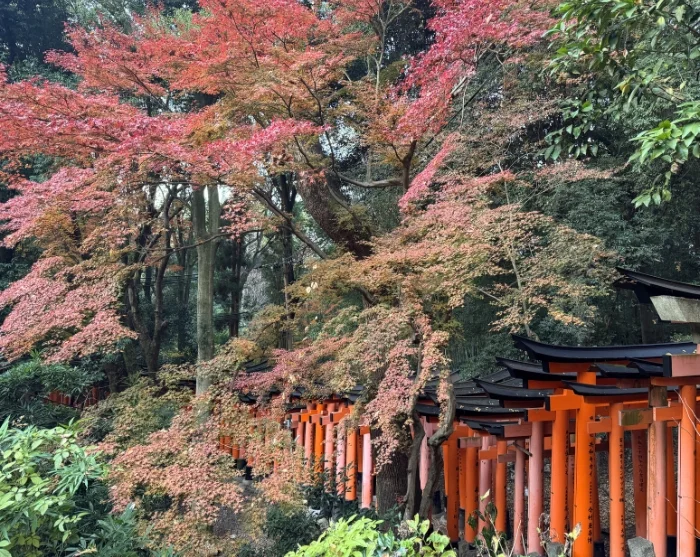
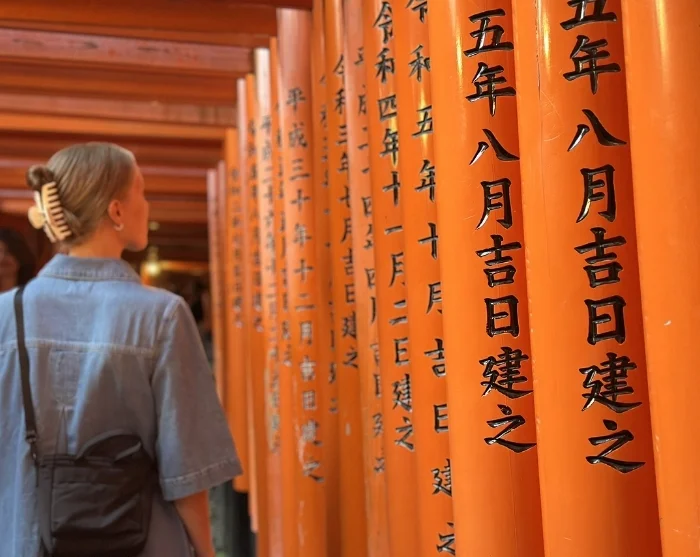
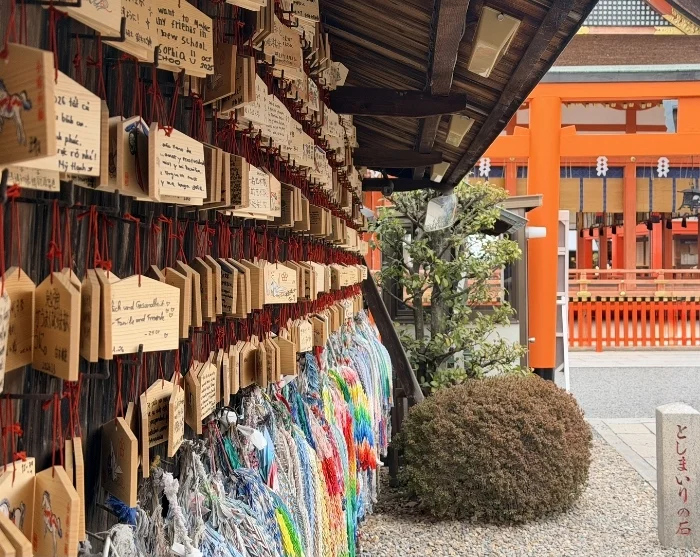
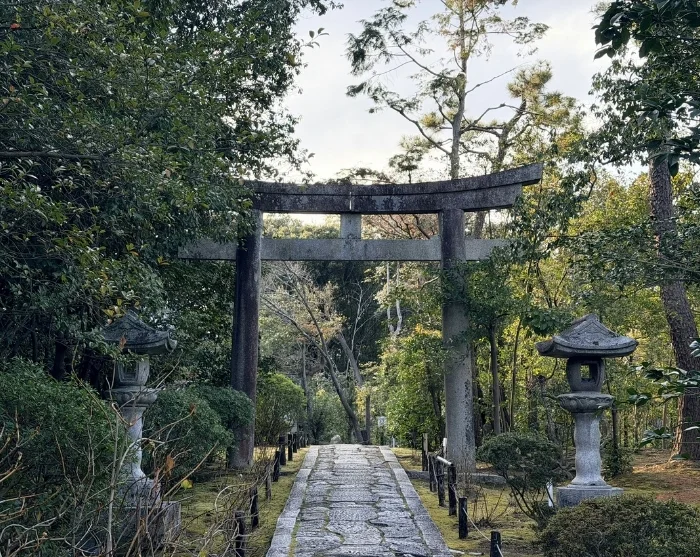
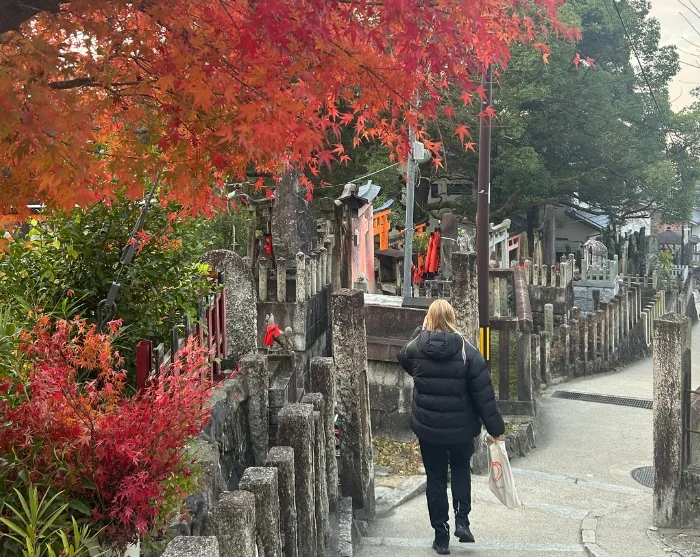
Afterwards, you can take the train a few stops south to the Fushimi Inari Shrine, famous for its thousands of red torii gates winding up the hillside. Stroll through the iconic gateways and take in the sacred atmosphere before heading back towards the city centre.
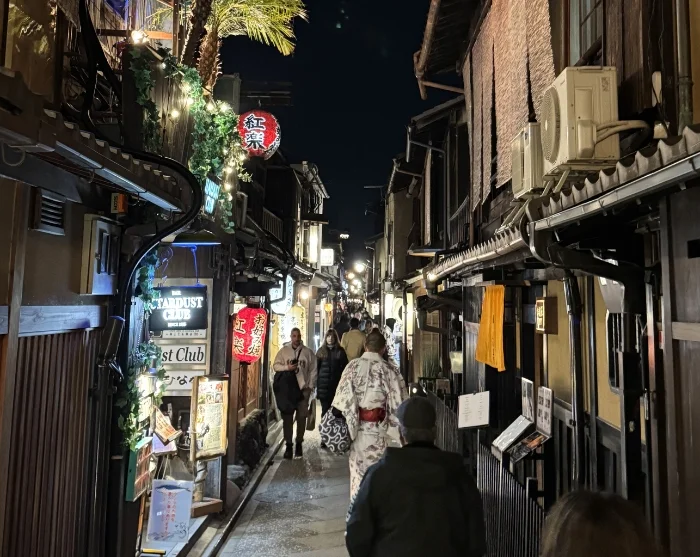
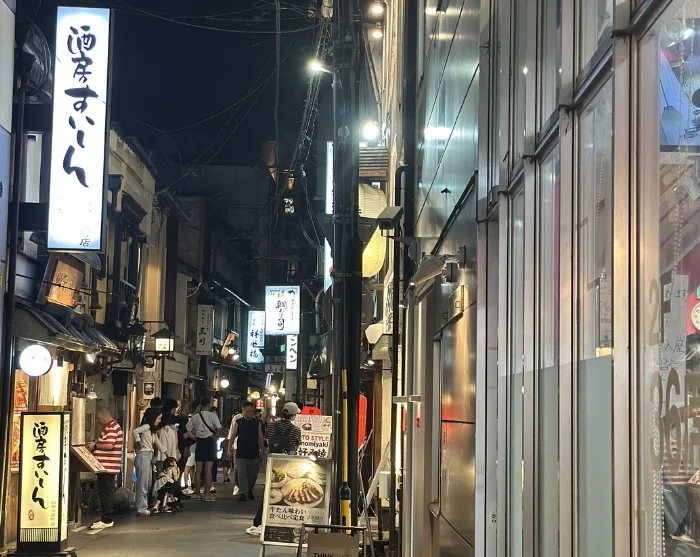
In the evening, immerse yourself in Kyoto’s distinctive charm and settle down at one of the city’s many excellent restaurants. You might be tempted by local obanzai dishes, which you can savour in a cosy restaurant overlooking the illuminated streets – the perfect, atmospheric end to your day.
Kyoto is home to an abundance of temples, shrines, and charming districts, and the day is yours to explore whichever aspects interest you the most, as there are no planned activities. Feel free to take inspiration from the suggestions below or consider one of our carefully selected optional tours.
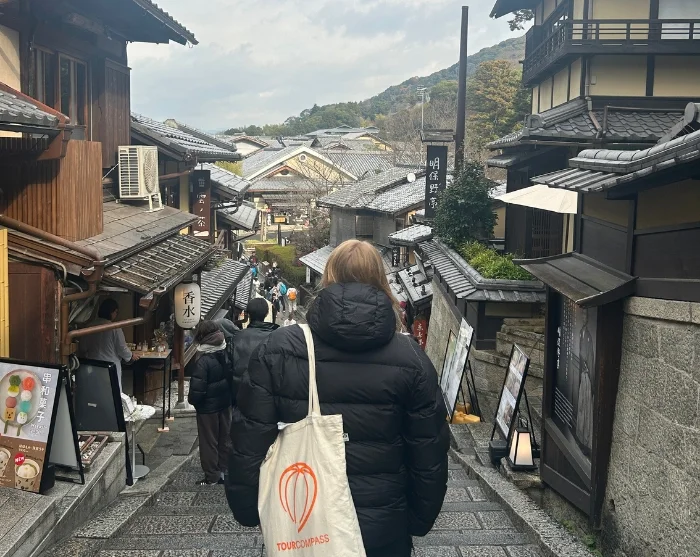
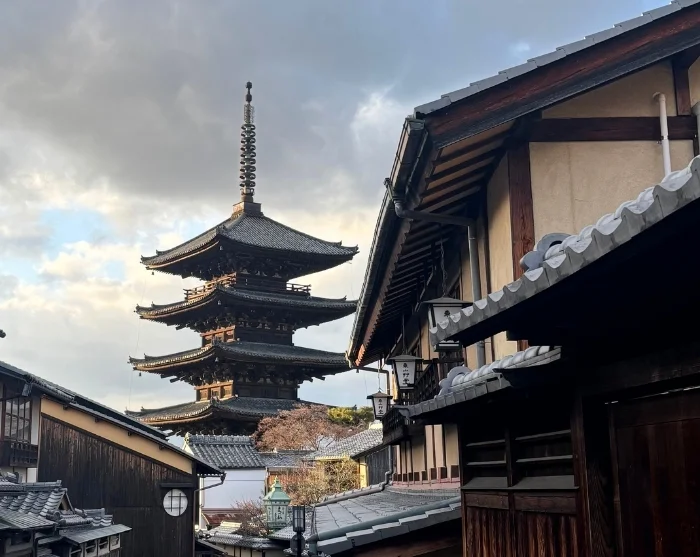
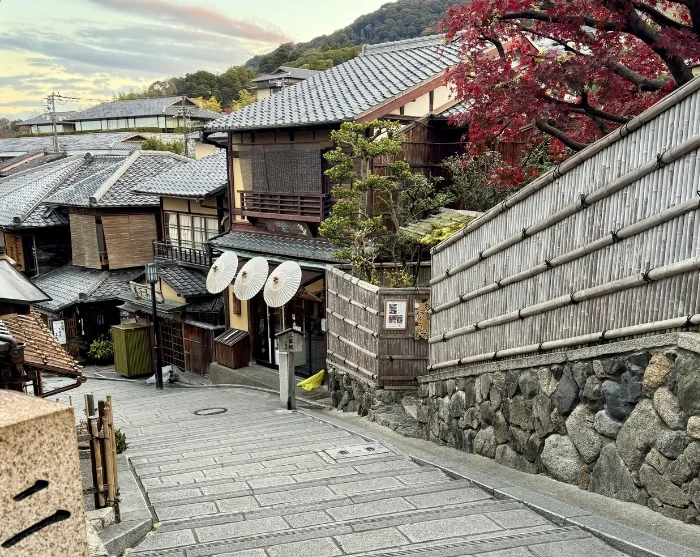
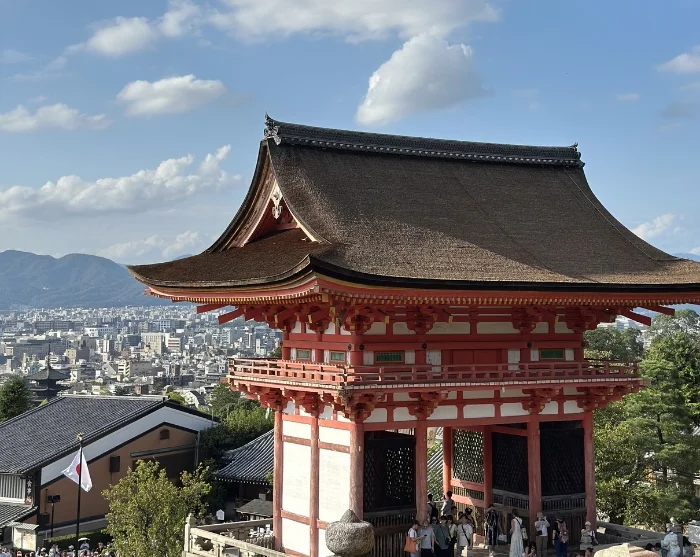
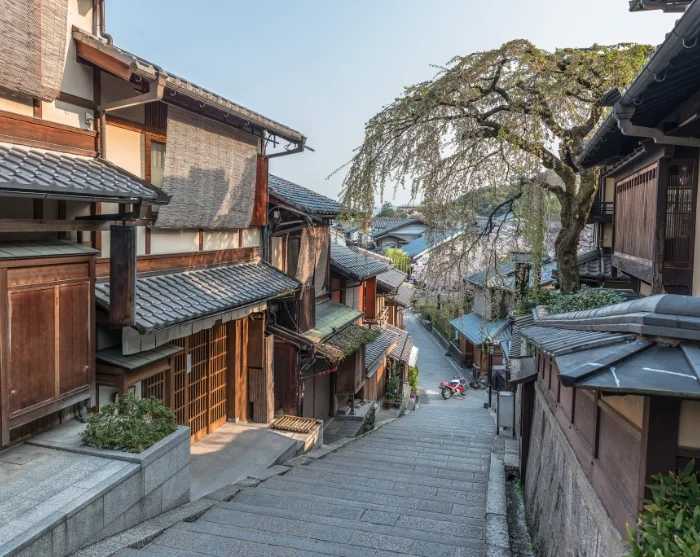
A wonderful place to start is the Kiyomizudera Temple in eastern Kyoto, best experienced early in the morning. Watch as one of the city’s most iconic landmarks stands dramatically poised on a wooden terrace overlooking the city, before you wander down the narrow streets of the charming Higashiyama district. Here, traditional wooden houses, small shops, and teahouses create an enchanting atmosphere that transports you back to old Japan. Visit the Kōdaiji Temple with its graceful Japanese garden, and take in the tranquil mood at the Yasaka Shrine and nearby Maruyama Park, before finishing your walk in the elegant geisha district of Gion.
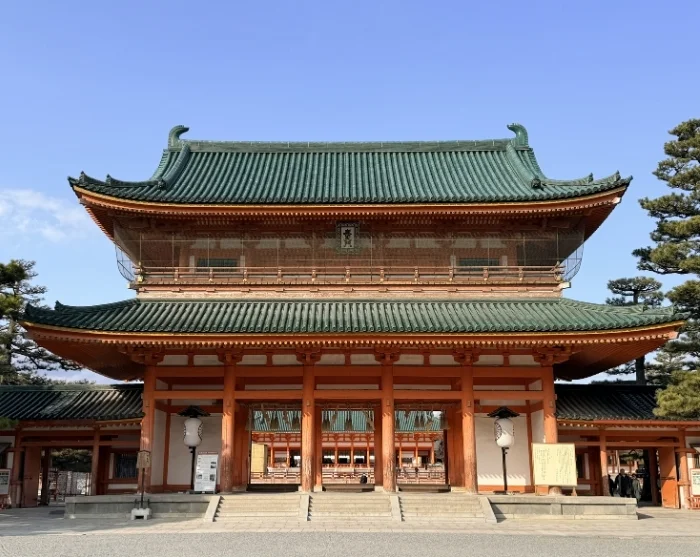
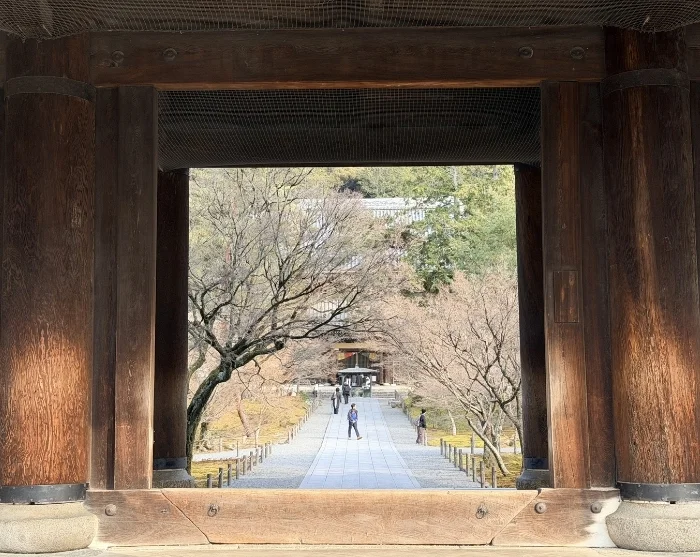
From here, take the bus northeast to one of Kyoto’s most renowned attractions, the Ginkaku-ji Temple, also known as the Silver Pavilion. Appreciate the temple’s refined simplicity and poetic charm, then continue along the Philosopher’s Path – a picturesque walkway that follows a narrow canal lined with cherry trees. The path links several smaller temples and concludes at one of Kyoto’s most important Zen temples, Nanzen-ji, which is well worth a visit in its own right. From there, you can continue on to the Heian Jingū Shrine, with its imposing torii gate and peaceful garden.
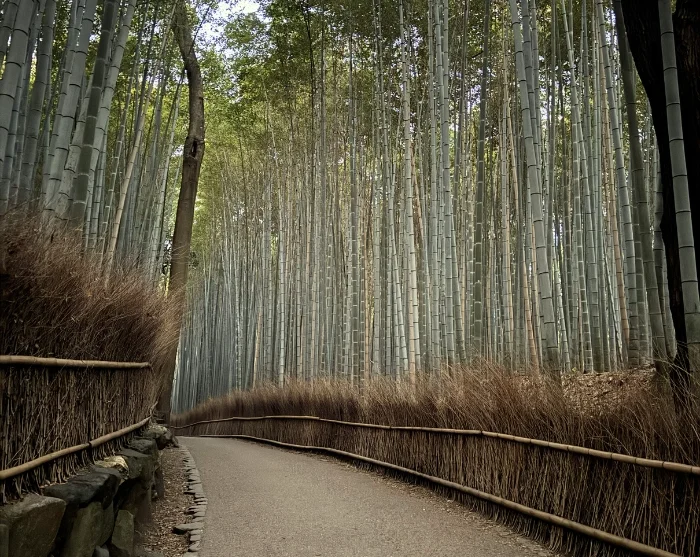
If you’d like to experience a different side of Kyoto, take public transport westwards to Arashiyama and visit the Tenryu-ji Temple, famous for its classical garden and views of the lush green mountains. Here, you can also enjoy a stroll through Arashiyama’s iconic bamboo grove, where the tall bamboo stalks form peaceful green corridors filled with light. Also worth a visit is the charming Saga Toriimoto district, known for its well-preserved houses and cosy streets.
Although Kyoto is home to many famous attractions, it’s well worth putting the guidebook aside for a while and simply letting your eyes lead you through the city’s streets. You’ll often find unique moments hidden away in the quiet side streets – from delightful little eateries and boutiques to small sacred temples that play an important role in the daily lives of many locals.
When evening falls, take the opportunity to explore Kyoto’s culinary scene. Perhaps you’ll be tempted by a small restaurant serving the city’s refined kaiseki dishes, where every course is a little work of art, or a more casual izakaya offering delicious grilled specialities and a cup of sake.
The day will begin with breakfast before you’ll have half a day at your own leisure.
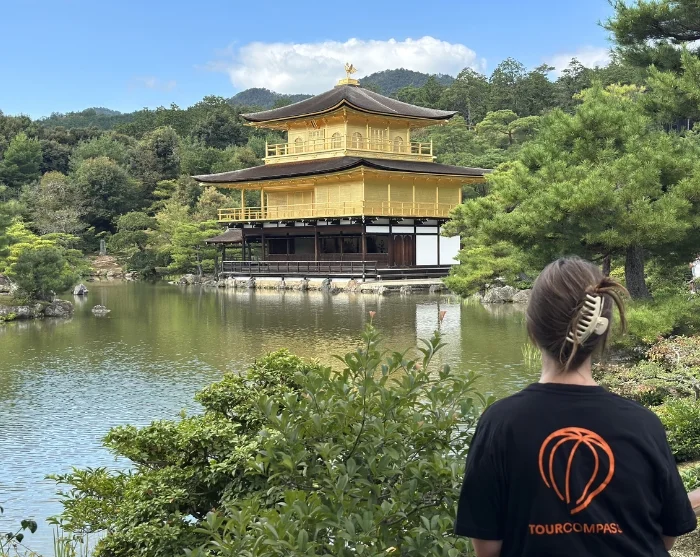
If you’re an early riser, there’s time to experience two of Kyoto’s most famous attractions. Using public transport, head northwest to visit the renowned Kinkaku-ji Temple, also known as the Golden Pavilion. Its shimmering golden façade is beautifully reflected in the calm waters of the surrounding pond, making it one of the city’s most iconic sights. Follow the carefully laid-out path through the landscaped gardens, where the colours of the season add to the peaceful atmosphere.
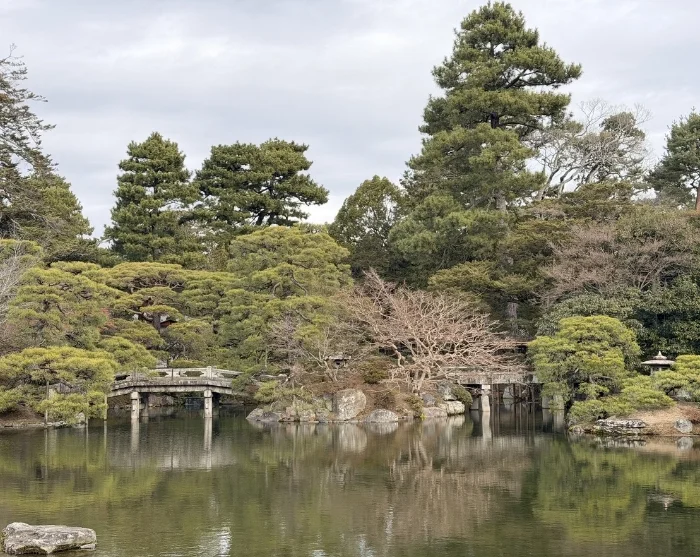
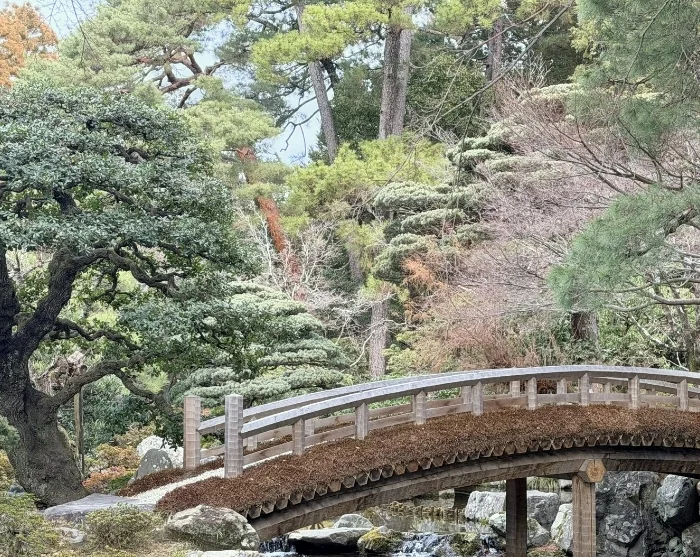
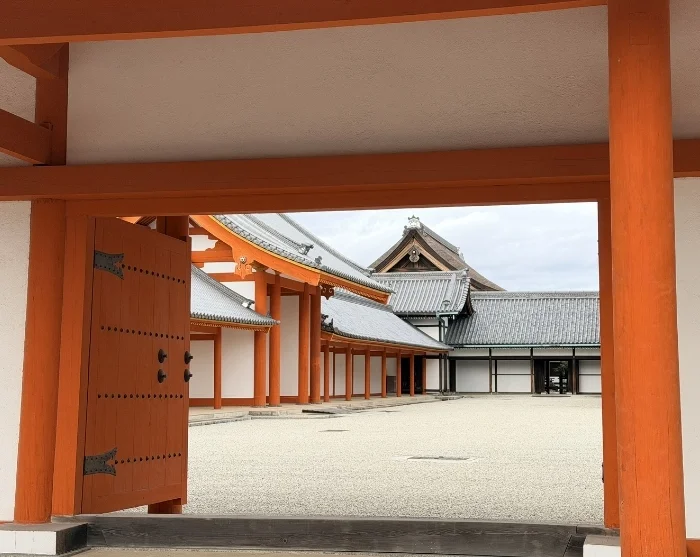
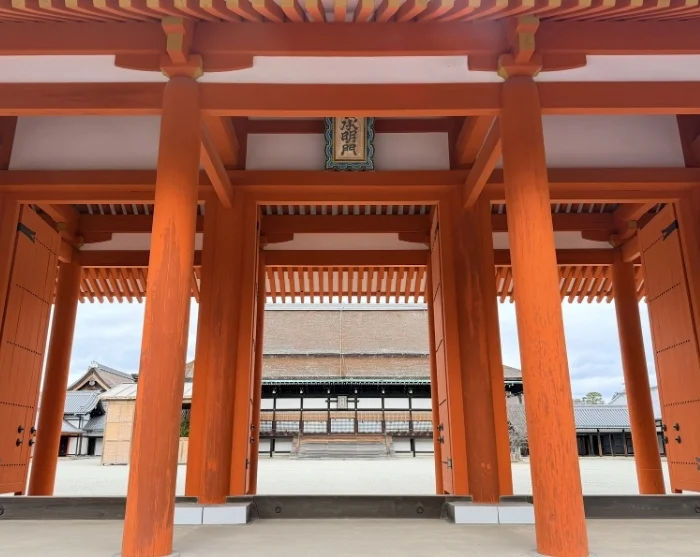
From here, you can continue by bus to Kyoto’s former Imperial Palace, surrounded by an impressive park that’s well worth a visit in its own right. If you have a smartphone, you can access a free audio guide that offers fascinating insights into the palace and the history of the imperial family. Stroll along the park’s wide gravel paths and admire the beautifully designed ponds set in the heart of the historic imperial city.
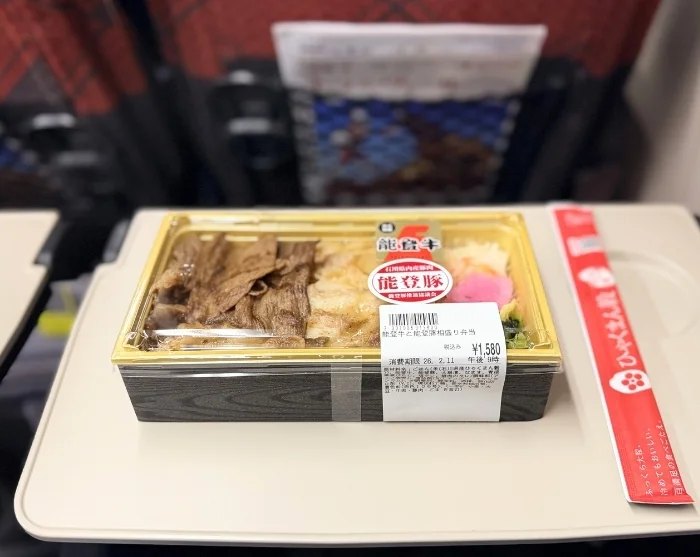
Before your afternoon train journey, you can either find a local restaurant for lunch or, like many Japanese travellers, buy a bento box to enjoy on the journey. These small, beautifully presented dishes are an experience in their own right and a perfect way to get one last taste of Kyoto.
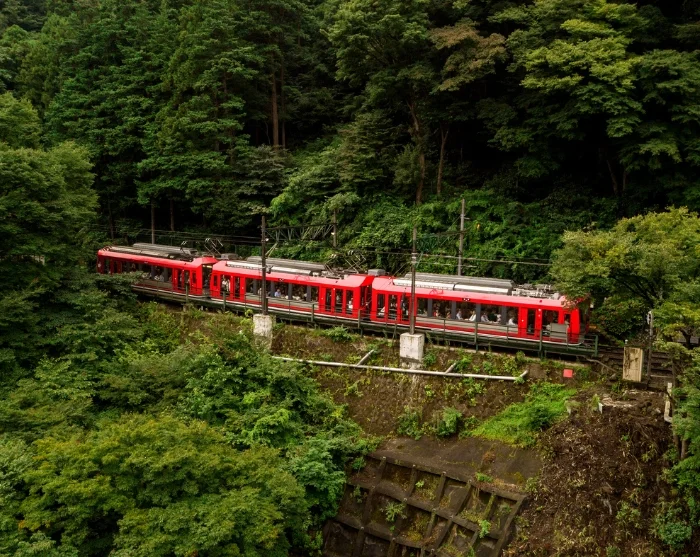
Afterwards, make your own way to Kyoto Station, where the Shinkansen will take you towards Hakone, with a short change in Odawara. From there, a local train will take you into the national park to Hakone Yumoto Station, where you’ll transfer to another local line for the final stretch to the scenic mountain town of Gora.
Arriving at the station late in the afternoon, it’s just a short walk to your hotel, where you can relax and enjoy the peaceful atmosphere of Hakone’s stunning mountain landscape as evening descends.
After dinner at your hotel, you may want to experience what Hakone is perhaps most famous for – its onsen baths. It’s the perfect way to end the day: soaking in a warm bath with mountain views, steam rising into the cool mountain air, and the day’s impressions settling gently in these calm, natural surroundings.
As morning unfolds in the tranquil setting of Hakone, you can savour the calm of the early hours before setting off on a day where nature, art, and volcanic landscapes come together in one magnificent panorama.
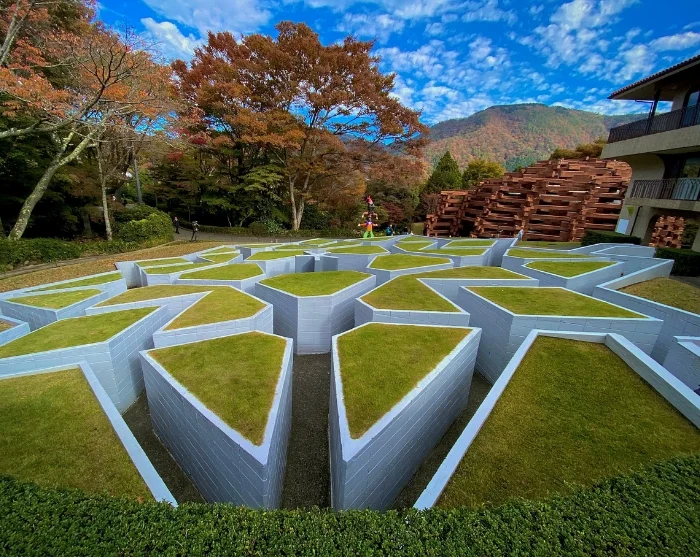
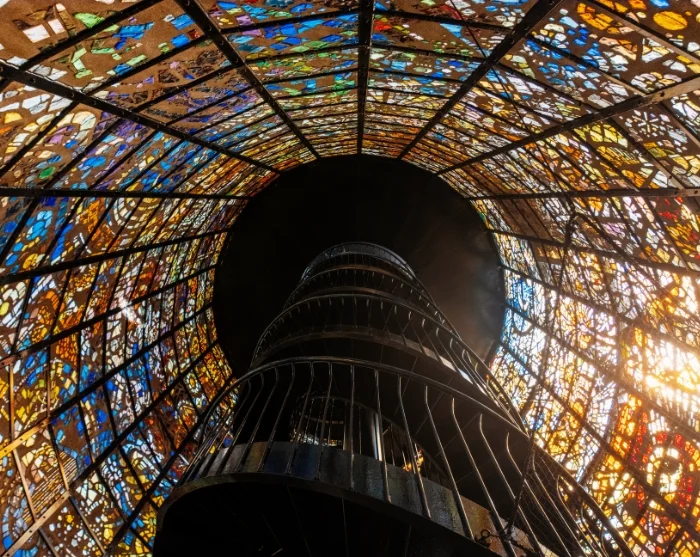
After breakfast, your guide will meet you in the hotel lobby, ready to accompany you on your exploration of the national park. Your first stop is the Hakone Open-Air Museum – an extraordinary outdoor gallery where modern sculptures stand freely in the landscape, surrounded by lush mountains and rolling greenery. You’ll wander among monumental works of steel, stone, and glass, their appearance constantly shifting with the play of light and passing mist drifting through the valley. The atmosphere here radiates a meditative calm, where human creativity and the beauty of nature exist in perfect harmony.
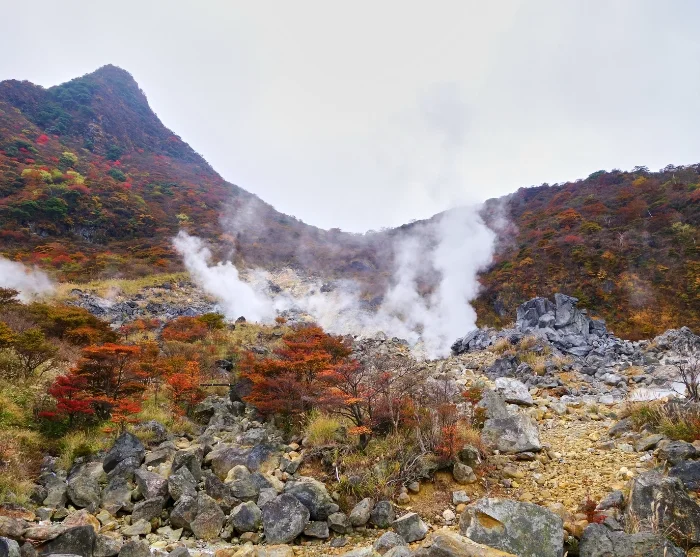
Your journey will then continue to the Owakudani Valley, an active volcanic area where, even from a distance, you can see clouds of steam rising from the smoking rocks. The air is rich with the scent of sulphur, and the warm, humid breeze serves as a reminder that the earth beneath your feet is still very much alive. Here, you can try the famous black eggs, known as kuro tamago, boiled in the bubbling hot springs and said by local folklore to add up to seven years to your life.
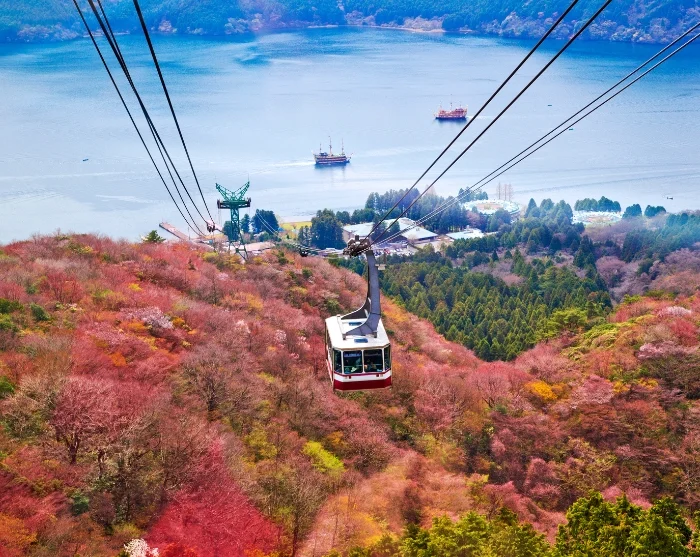
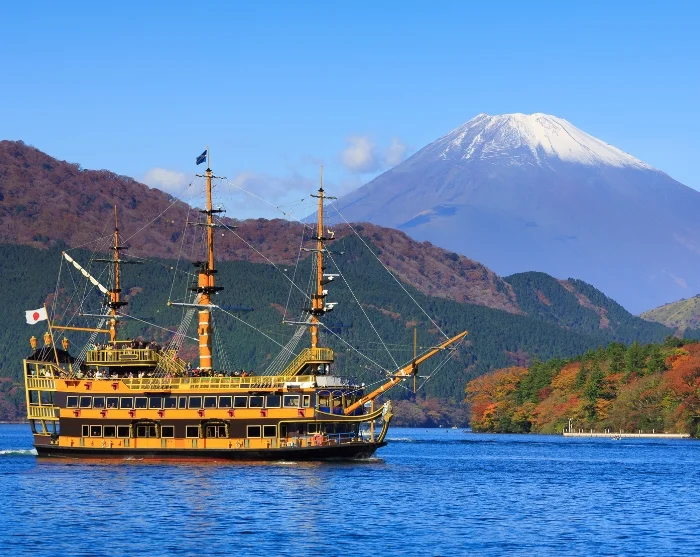
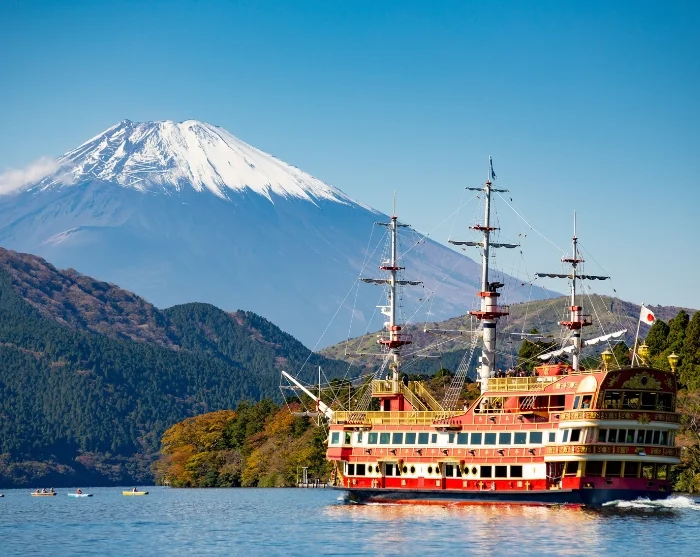
From the Owakudani Valley, you’ll take the cable car through the dramatic landscape, descending towards Togendai where the final experience of your tour awaits. Here, you’ll board one of the iconic “pirate ships” for a cruise on the deep-blue Lake Ashi, formed in a volcanic crater thousands of years ago. The ship glides peacefully across the lake’s mirror-like surface, surrounded by lush green mountainsides, and if the weather permits, Mount Fuji reveals itself on the horizon with its perfectly cone-shaped silhouette.
You’ll then return to your hotel to enjoy your final evening in Hakone. If you didn’t get the chance to try a traditional onsen bath yesterday, today is the perfect opportunity. Alternatively, you can take a leisurely stroll in the local area and reflect on the day’s wonderful experiences.
Before saying goodbye to Hakone, you’ll have the morning free to explore more of the National Park at your own pace.
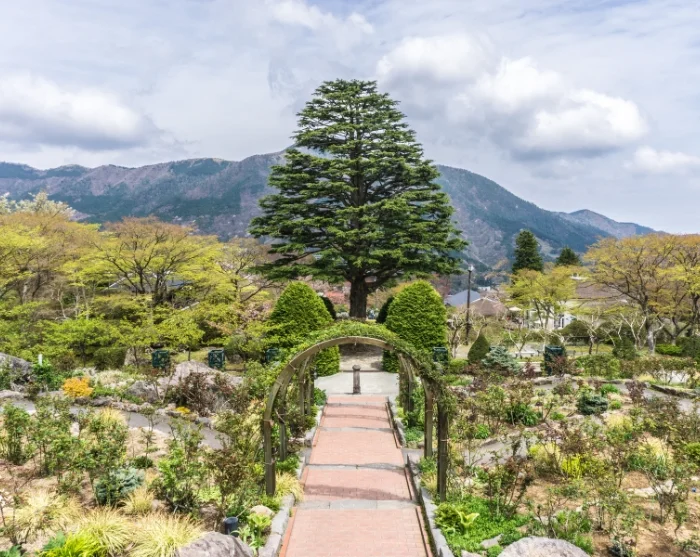
Within walking distance, you’ll find Hakone Gora Park – a beautifully landscaped garden with terraces, fountains, and views of the surrounding mountains. Take a leisurely stroll among the flowers, greenhouses, and small pavilions, or sit down and enjoy the peaceful atmosphere after a day of travel. You can also visit the Hakone Museum of Art, renowned for its exquisite collection of Japanese ceramics and its lovely gardens, where the moss garden in particular creates a serene and special ambience.
Late in the morning, you’ll take the short walk to Gora Station and board the local train to Hakone Yumoto Station. Before continuing your journey, Hakone Yumoto is an ideal spot to stop for lunch. The town has a tranquil atmosphere, with historic streets, charming eateries, and small shops to explore.
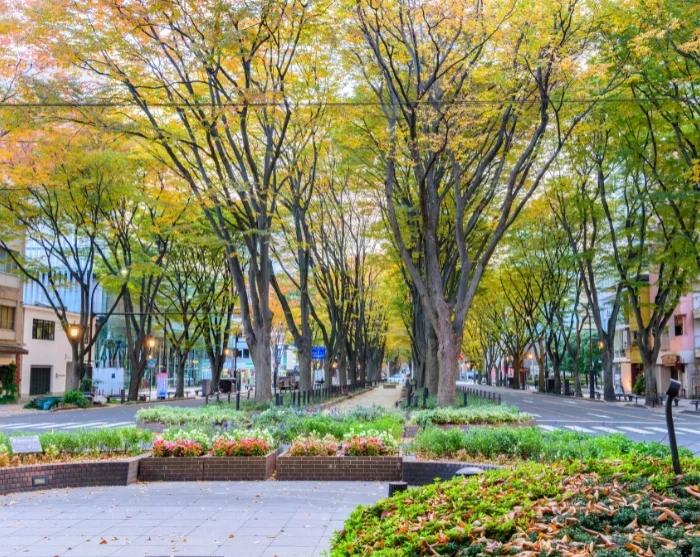
From here, take the local train to Odawara, where you’ll change to the high-speed Shinkansen, which takes you to Sendai in northern Honshu, with a brief transfer in Tokyo. From Sendai Station, make your own way through the city’s wide boulevards to your hotel, where you can check in and get ready to experience Sendai as the evening lights come on.
You can stroll through the city’s covered Ichibancho arcades, where the scent of grilled dishes and freshly prepared food wafts out from cosy little restaurants. Take a seat, listen to the gentle hum of conversation, and let Sendai’s down-to-earth, authentic atmosphere unfold around you.
As you enjoy your breakfast, you can look forward to a day filled with breathtaking scenery in the mountains surrounding Yamadera.
In the hotel lobby, you’ll be greeted by your guide, and together you’ll take the local train to Yamadera Station. During the journey, you’ll notice how the landscape gradually changes character, as the city’s rhythm gives way to rolling terrain with green valleys and forested hillsides.
Risshaku-ji Temple, better known as Yamadera, means “mountain temple” in Japanese and was immortalised by the famous haiku poet Matsuo Basho. Back in the 1600s, he wrote one of his most celebrated poems here, making the temple a poetic and spiritual symbol for many Japanese people. The temple is a popular excursion spot among locals yet remains a hidden gem for international travellers, even though the walk to the top takes only 30–40 minutes.
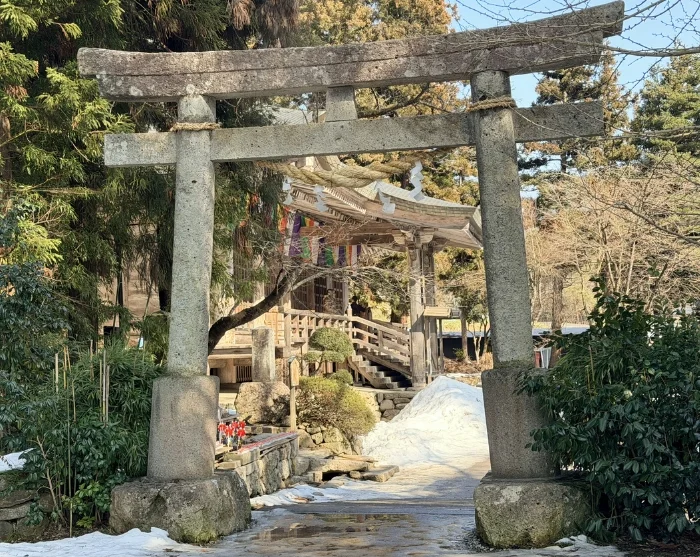
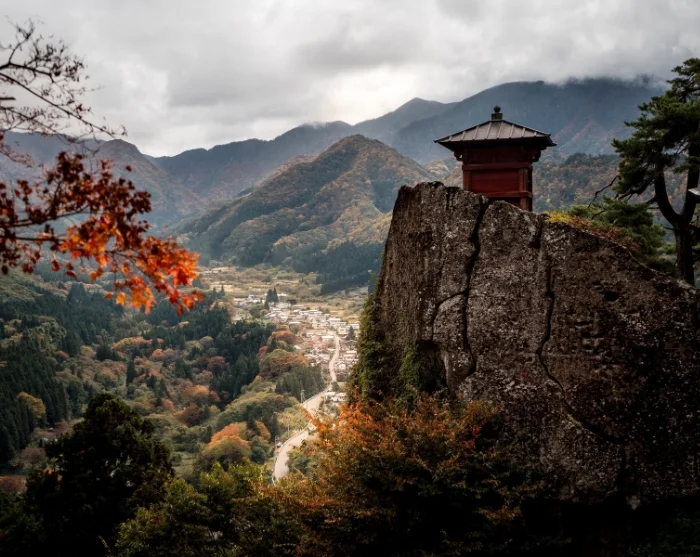
From the station, you’ll walk uphill towards the Yamadera Temple, which clings dramatically to the mountainside. You’ll follow a path of several hundred stone steps, worn smooth over the centuries by monks and pilgrims. The path winds its way through enchanting surroundings of tall cedar trees and an almost unshakable sense of calm. Along the way, you’ll pass small moss-covered shrines and viewpoints where you can pause, catch your breath, and take in the breathtaking scenery.
At the top, your efforts are richly rewarded. Here, a spectacular panorama of the valley and the temples unfolds before you, appearing to float towards the sky. You’ll feel both the majesty of nature and the spiritual serenity of the place as the breeze moves gently through the treetops and the village rests peacefully far below. The colours of the seasons truly come into their own – from the fresh greens of spring and the lush foliage of summer to the fiery reds and golden hues of autumn that paint the mountainsides in a near-picture-perfect glow.
After soaking up the view and the unique atmosphere, you’ll make your way back down towards the station. In the small village of Yamadera, you can find a local eatery and enjoy lunch on your own, perhaps sampling the region’s famous soba noodles. Afterwards, your guide will accompany you back to Sendai by local train, full of impressions and memories from a day steeped in nature and spirituality.
Spend the evening on a gentle stroll along the Hirose River, where the soft sound of flowing water and the silhouettes of the trees create a tranquil setting against the city’s evening lights. Later, you can sample some of Sendai’s local specialities, such as gyutan – tender slices of grilled beef tongue served with steaming rice, pickled vegetables, and a clear soup. The meat is cooked over an open flame, filling the streets with the mouth-watering aroma of the grill. You might also like to try fresh fish and seafood from the Pacific coast, or finish your meal with zunda – a sweet, lightly nutty paste made from green soybeans.
Your tour is approaching its final stage, but before it ends, you have the morning free to explore more of Sendai at your own pace.
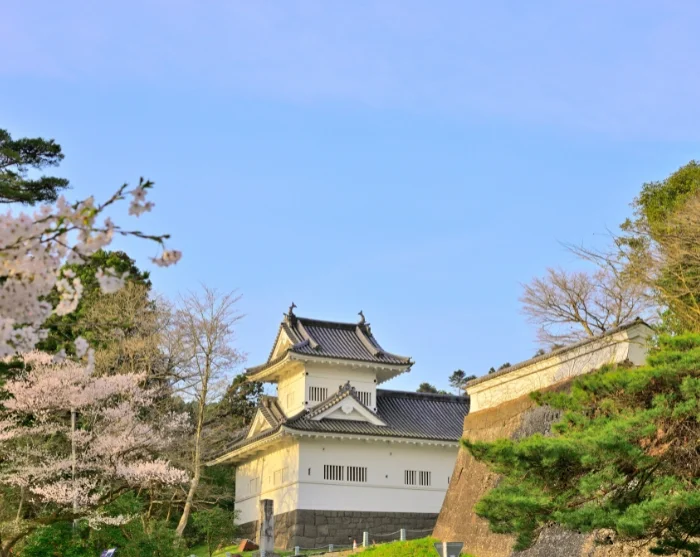
Sendai offers a pleasant balance between city life and history, with a noticeably calmer rhythm than Tokyo, which you’ll soon experience. You can take the metro up to Aoba Castle, which proudly overlooks the city and offers stunning views over Sendai’s rooftops. In the park surrounding the castle, you can learn more about the legendary samurai Date Masamune, who founded the city at the start of the 17th century, and soak up the peaceful atmosphere among the ancient stone walls and lush greenery.
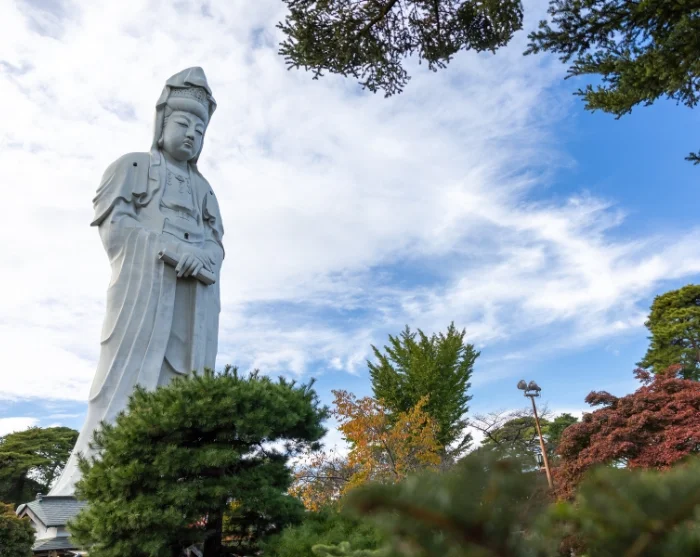
Alternatively, you can take the metro to another of the city’s striking landmarks, Sendai Daikannon. Here, the enormous white Kannon statue towers 100 metres above the city, calmly watching over its surroundings. Inside the statue, you can climb through several floors filled with small shrines and Buddhist figures before reaching the viewing platform at the top. The blend of historical sites, local markets, and modern landmarks gives Sendai a distinctive character, where cultural heritage and contemporary life meet in perfect harmony.
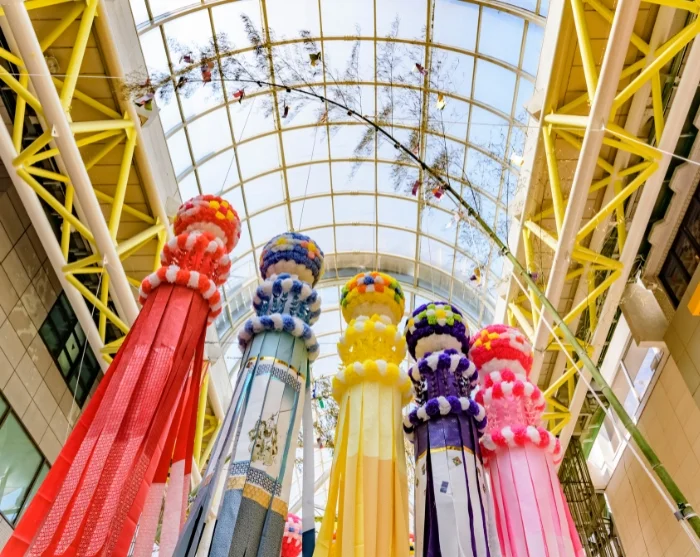
If you’re looking to pick up a few souvenirs, head instead to the Ichibancho arcades, where the covered shopping streets buzz with life and are lined with small shops, cafés, and speciality stores. For lunch, stop by the atmospheric Sendai Asaichi Market, where the air is filled with the scent of fresh fish, fruit, and vegetables, offering an authentic glimpse into everyday life. The market is also an excellent place to sample the region’s seasonal dishes and soak up a final impression of Sendai’s warm and welcoming atmosphere.
In the afternoon, make your own way to Sendai Station, where the Shinkansen will whisk you towards Tokyo with remarkable speed and precision. Sit back, relax, and watch the landscape glide past as a new chapter of your tour begins in Japan’s vibrant capital.
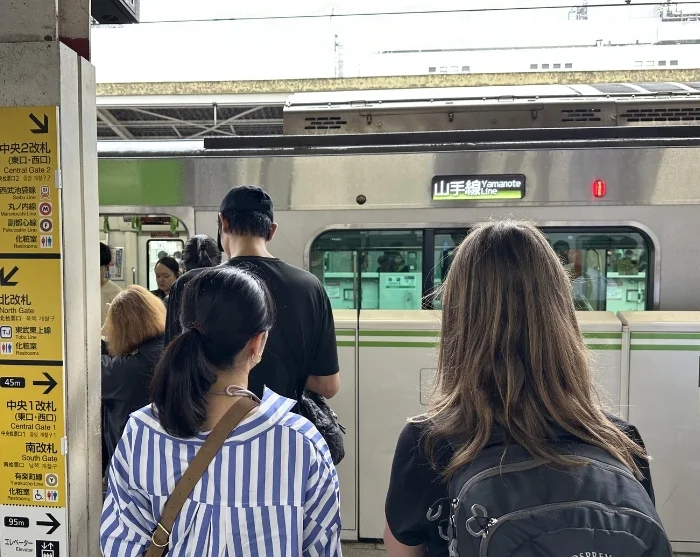
Upon arrival at Tokyo Station, you’ll step into one of the busiest transport hubs in the world. From here, you’ll make your own way to your hotel by metro or local train. Although it may seem overwhelming at first, the system is both efficient and well organised. The experience perfectly captures much of what Japan is known for – and in Tokyo in particular, you’ll be impressed by its scale and precision.
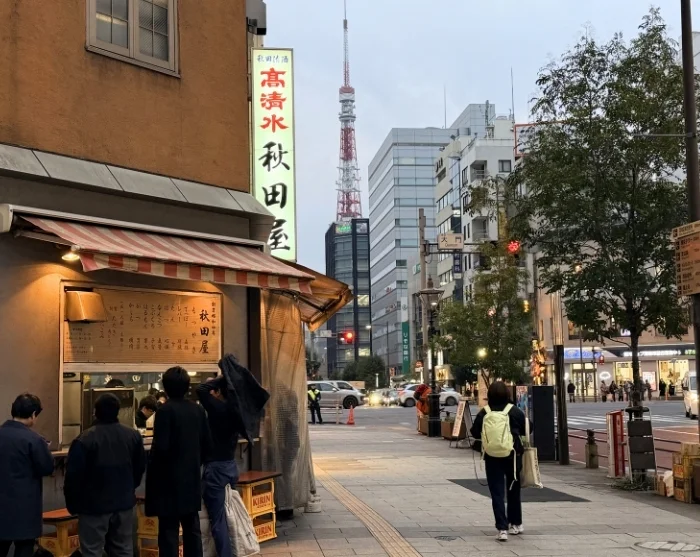
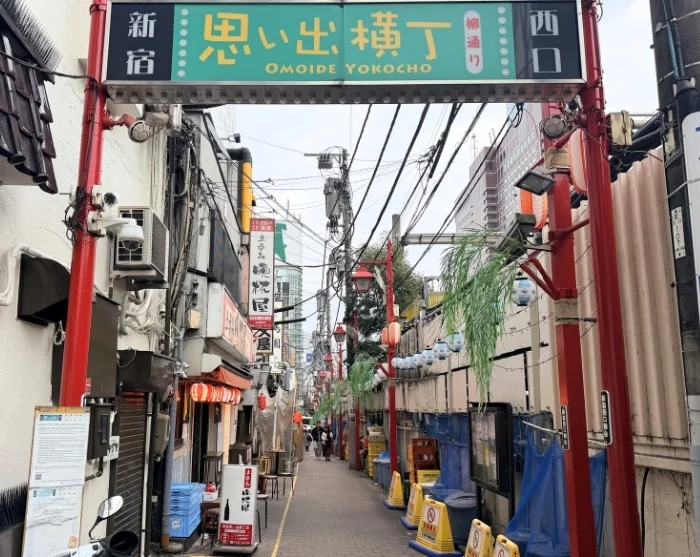
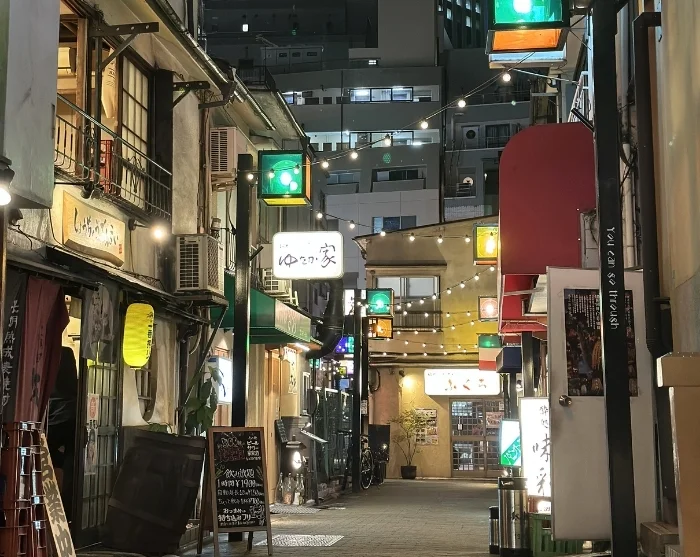
After checking in at your hotel, take the opportunity to explore the vibrant modern city life and savour everything from local delicacies to cutting-edge cuisine in the city’s neon-lit streets. The capital is famous for its Edomae sushi, crispy tempura, steaming bowls of ramen, and delicate yakitori skewers served in cosy local izakayas.
Tokyo, one of the largest cities in the world, is wonderfully diverse and full of contrasts, and there’s no single right way to experience it. The coming days are therefore yours to spend as you wish, allowing you to discover the Japanese capital entirely at your own pace. You can take inspiration from the suggestions below and spread them out over your days, or enhance your stay with one of our exciting optional tours.
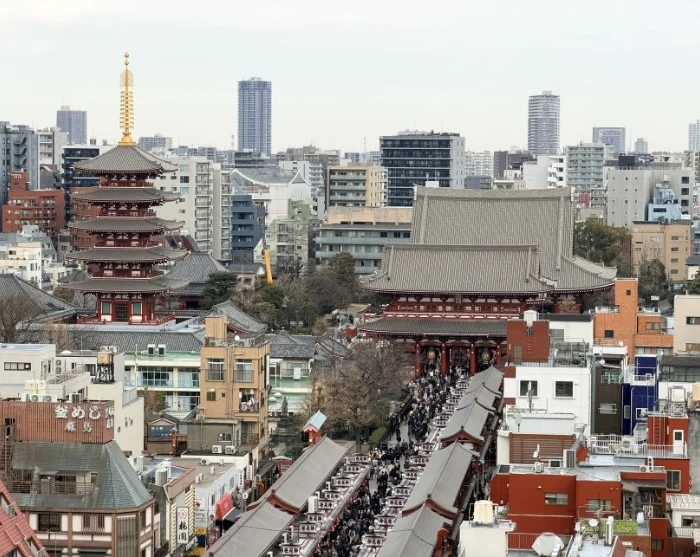
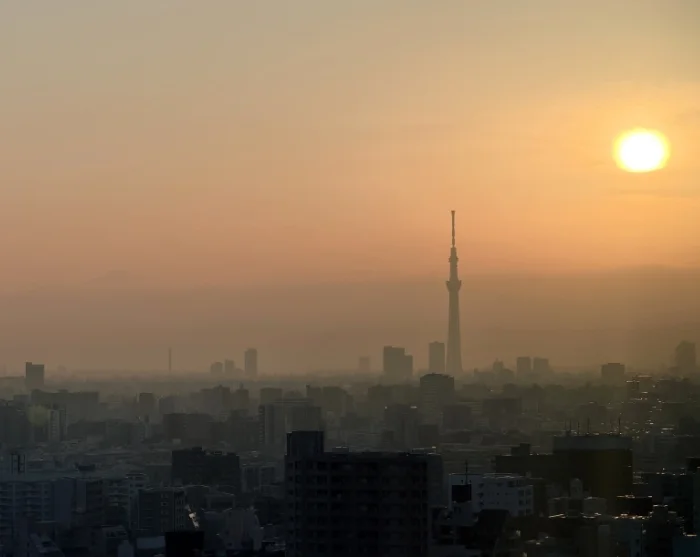
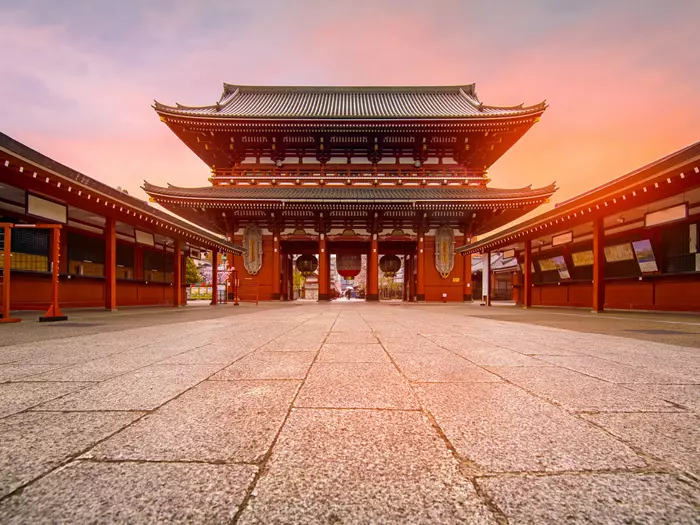
You might begin in the vibrant Asakusa district, home to Tokyo’s oldest and most famous temple, Senso-ji. Stroll down Nakamise-dori towards the temple, where the aroma of freshly cooked snacks mingles with the allure of market stalls piled high with lucky charms, fans, and local delicacies. Just a few streets away, an entirely different calm reigns on Kappabashi Street, where small shops sell Japanese porcelain and chef’s knives side by side. Look up and you’ll see the Tokyo Skytree rising into the sky, a modern symbol of the city. You can admire the tower from below or, with a ticket in hand, take the lift up to enjoy the breathtaking panoramic view across the metropolis.
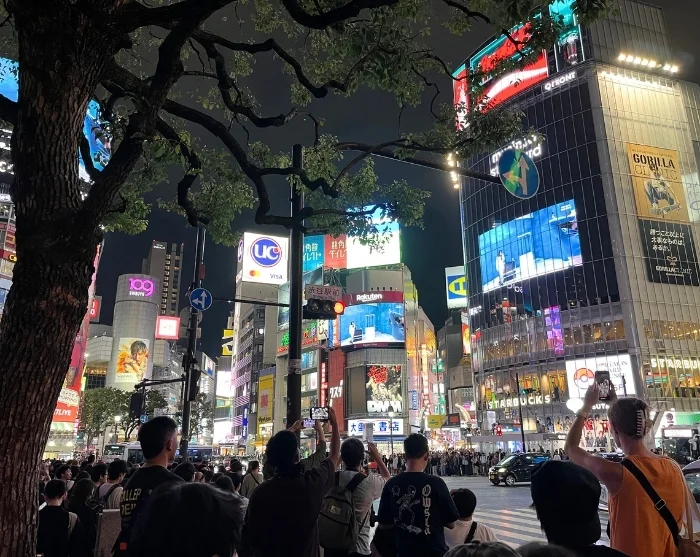
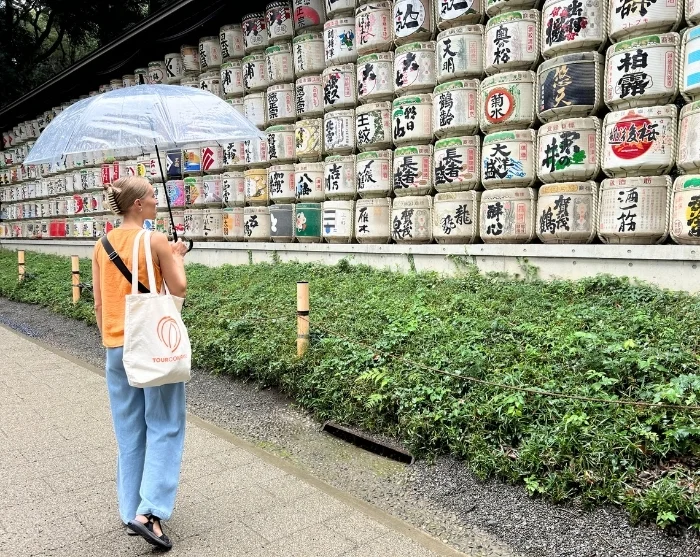
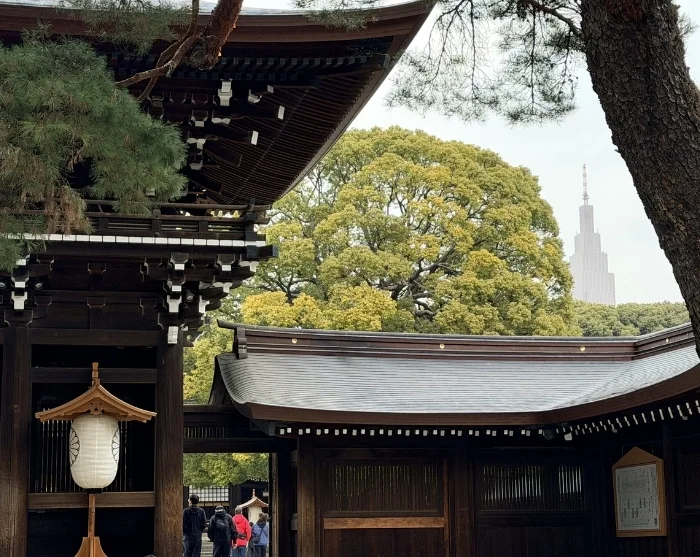
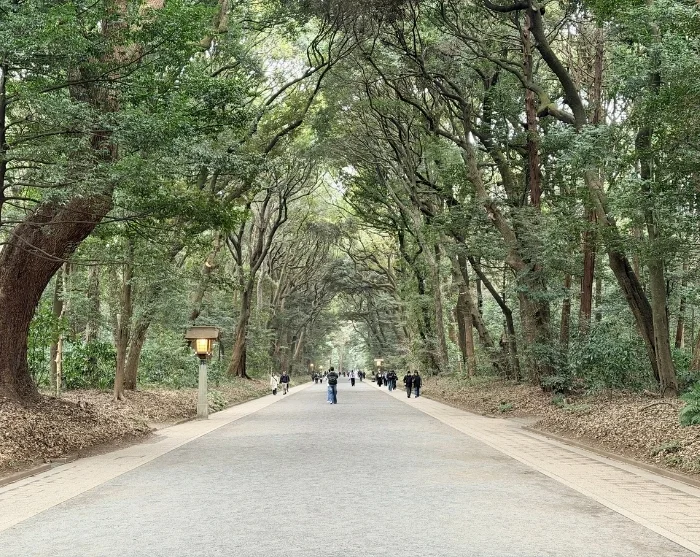
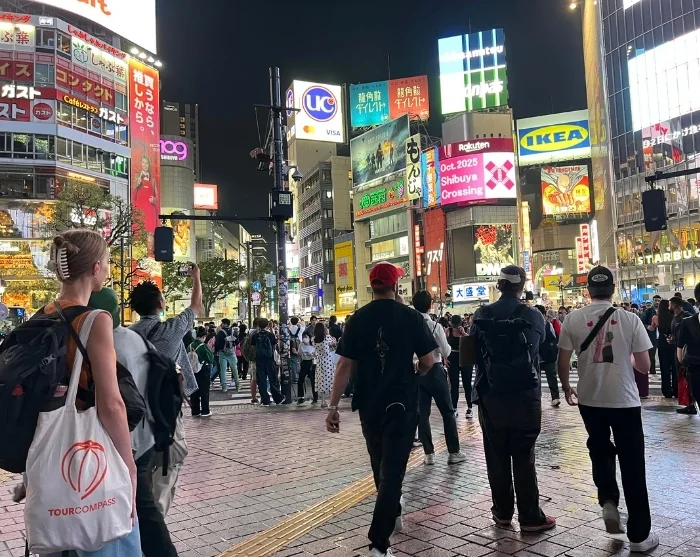
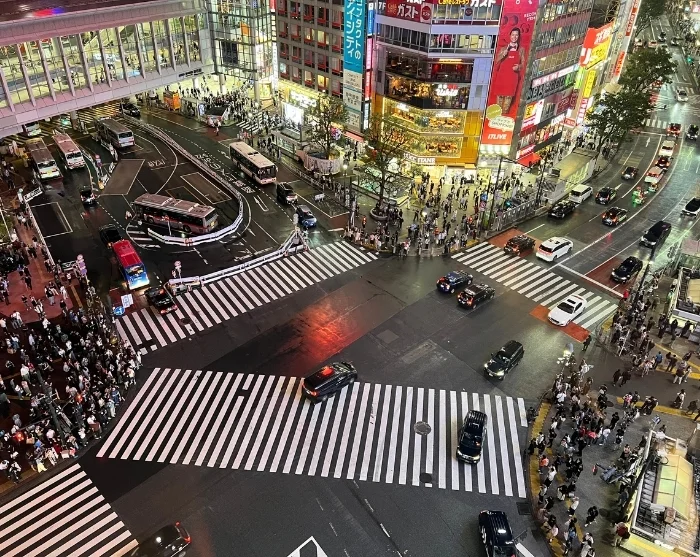
If you’d like to link several of Tokyo’s most iconic neighbourhoods in one go, many of them are conveniently located along the same train line. From Yoyogi Park, where locals jog and relax beneath the broad tree canopies, you can head to the peaceful Meiji Shrine, tucked away in a dense forest where gravel paths and the scent of cedar offer a soothing escape from the city rush. Continue onwards to Shibuya to greet the Hachiko statue and cross the world-famous scramble, Shibuya Crossing, which after nightfall transforms into a mesmerising sea of people best viewed from a bar high above the bustling streets.
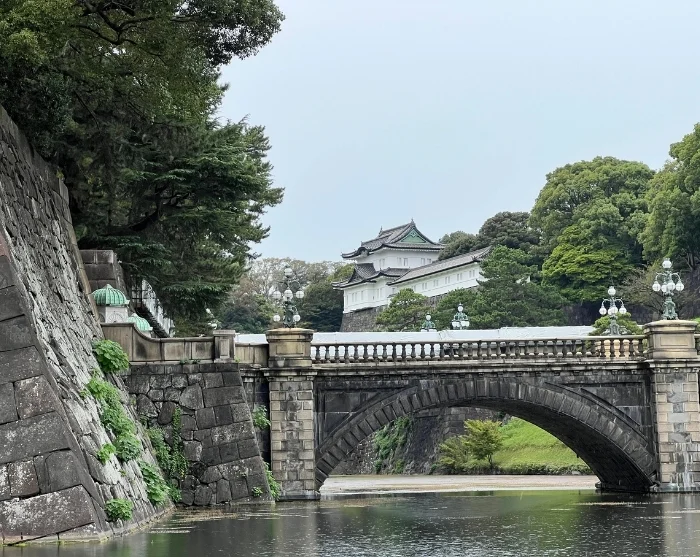
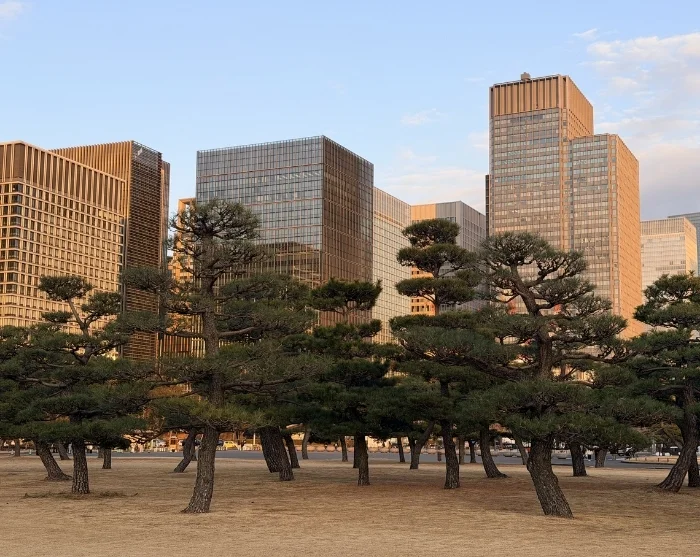
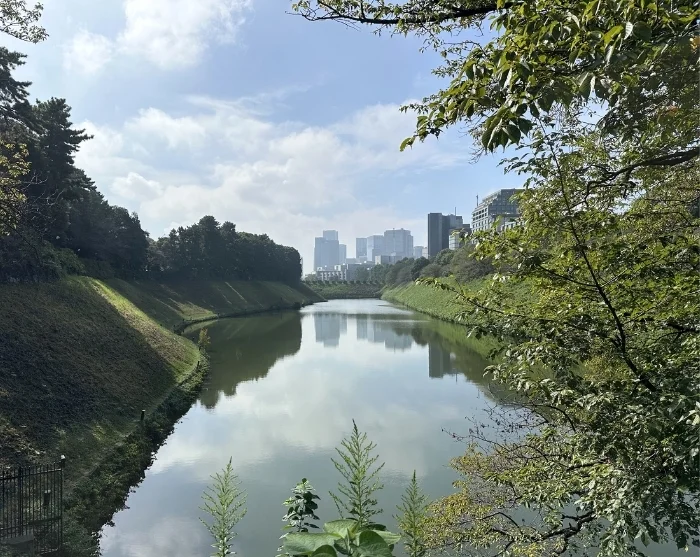
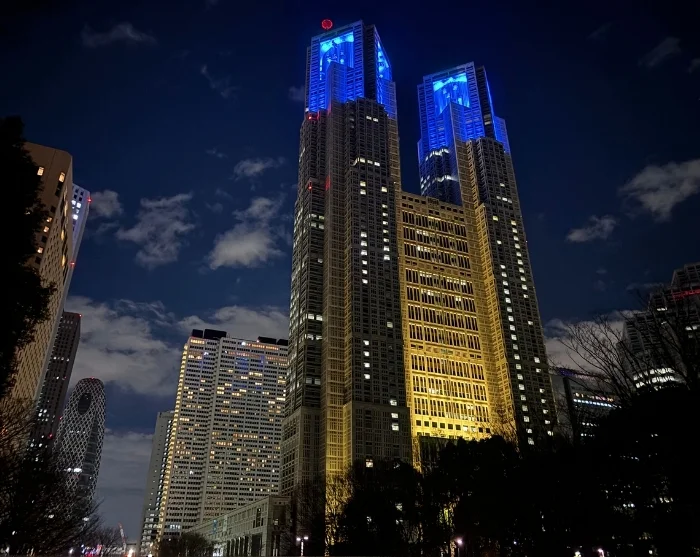
You can enjoy lunch at the Tsukiji Market, where small stalls serve freshly made sushi, grilled seafood, and Japanese dishes prepared right before your eyes. From here, head to Akihabara, where neon signs flash in every direction and shops are filled with gadgets, comics, and figurines. For a complete contrast, continue on to Tokyo’s Imperial Palace, where moats, tree-lined avenues, and beautifully maintained gardens offer an elegant glimpse into Japan’s imperial history. If you end your day in Shinjuku, you’ll have the chance to experience Tokyo’s impressive skyscrapers, neon lights, and lively streets, and perhaps take the lift up the Tokyo Metropolitan Government Building to enjoy sweeping views of the city’s glittering lights or catch the daily light show on the building’s iconic facade.
For a change of pace from the city’s buzz, you might want to spend one of your days on an excursion outside Tokyo. In Nikko, you’ll discover lavishly decorated temples and shrines surrounded by forest-covered mountains – including the magnificent Toshogu Shrine, listed on the UNESCO world heritage list. Alternatively, you can visit Hakone National Park, where hot springs, a boat cruise on Lake Ashi, and on clear days, the iconic view of Mt Fuji, make up the day’s memorable highlights.
Whatever the day has brought, the evening is the perfect opportunity to delve into Tokyo’s diverse culinary scene. You might choose an intimate sushi bar with just a handful of seats, a lively ramen shop with a queue out the door, or a restaurant high above street level – turning dinner into yet another highlight of your day.

Your tour is drawing to a close, but you’ll return home with a suitcase full of memories, vivid impressions, and unforgettable encounters with Japan’s urban energy and colourful natural beauty.
Well before your flight, you’ll be picked up from your hotel and driven to the airport, from where your journey back to Europe begins, with connecting flight(s) along the way.
You’ll land at your selected airport, reflecting on a tour filled with contrasting experiences amid Japan’s captivating nature and vibrant cities – perhaps even with a quiet longing to return one day.
|
|
Millie’s passion for travel sparked when she was little, and now she loves to help others fulfil their travel dreams
We know your time is precious. That's why we strive to provide personalised, attentive service to ensure your comfort and safety throughout your tour. From the moment you book to the moment you return home, we’re here to handle every detail with the utmost care.
We offer a diverse array of destinations, each promising its own unique story, shaped by its local cultures, fascinating wildlife, and natural beauty.
We design every tour based on the extensive research and first-hand experiences of our travel specialists and experts. Each tour is crafted to showcase the best each country has to offer.

With us, you can rest assured; your journey is in safe hands. We are ATOL certified and a proud member of ABTA, maintaining rigorous standards of quality and service to ensure your complete peace of mind.