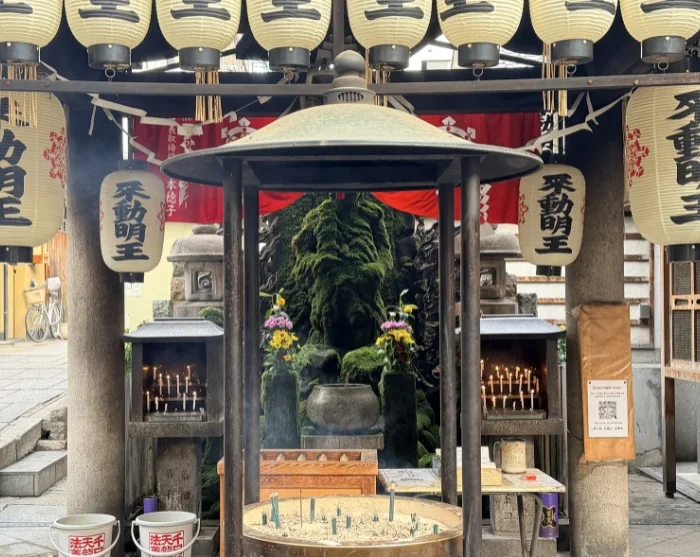
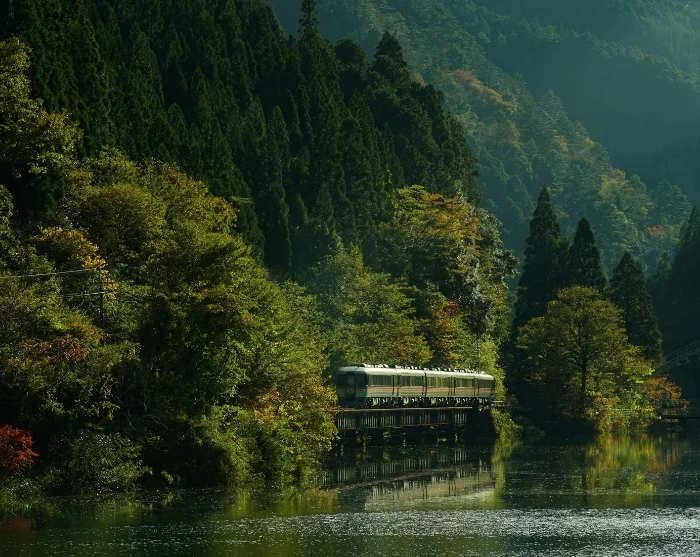
Discover Japan’s cultural heritage on a tour through the breathtaking landscapes of the Japanese Alps. Follow in the footsteps of the samurai along the Nakasendo route, savour sake in the peaceful mountain town of Takayama, and round off your journey in vibrant Tokyo.
The following package of excursions:
This tour takes you through some of Japan’s most scenic regions, where historic walking trails, mountain vistas, and local traditions come together to create a unique and immersive experience of the country. Travelling between Japan’s bustling cities and the tranquil beauty of the Alps, you’ll see another side of Japan – one where nature and heritage take centre stage.
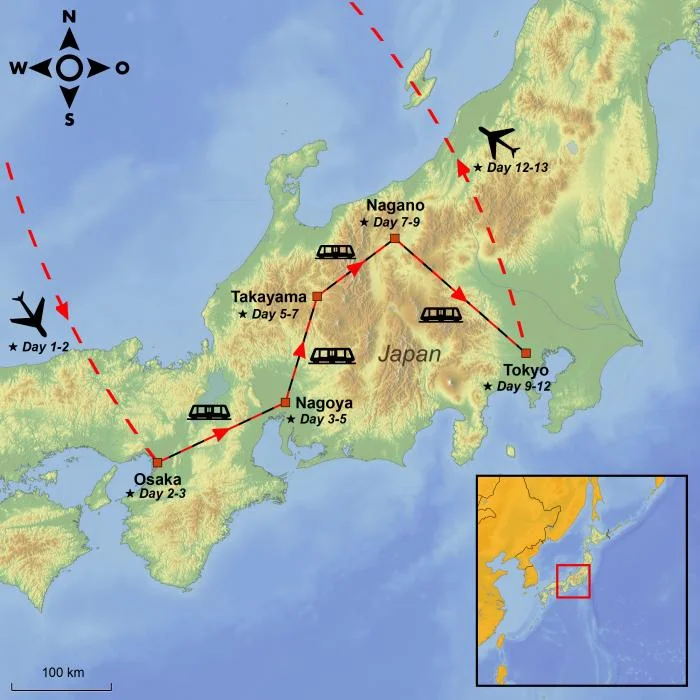
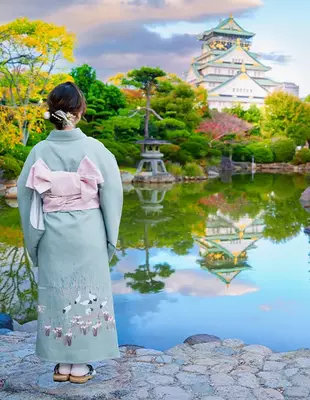
After arriving in Osaka, you’ll continue on to Nagoya, a hidden gem often overlooked among Japan’s major cities. Here, you’ll have time to explore the local cuisine before heading into the Japanese Alps, where nature takes the lead and the changing seasons leave their distinctive mark on the landscape.
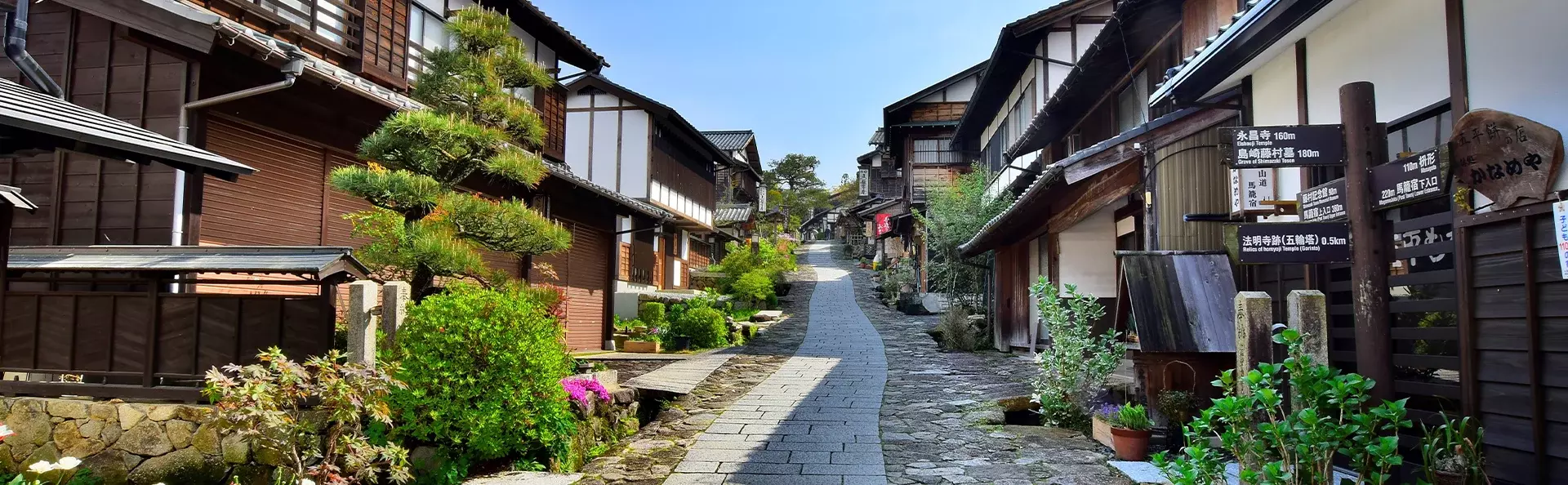
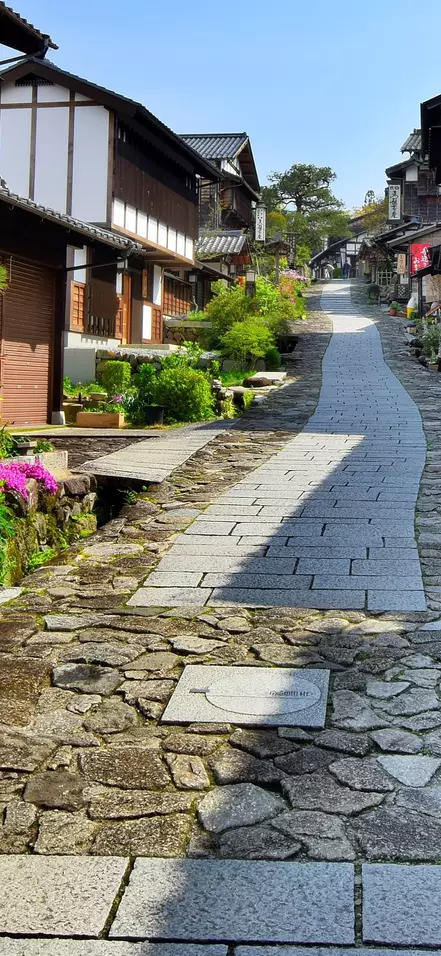
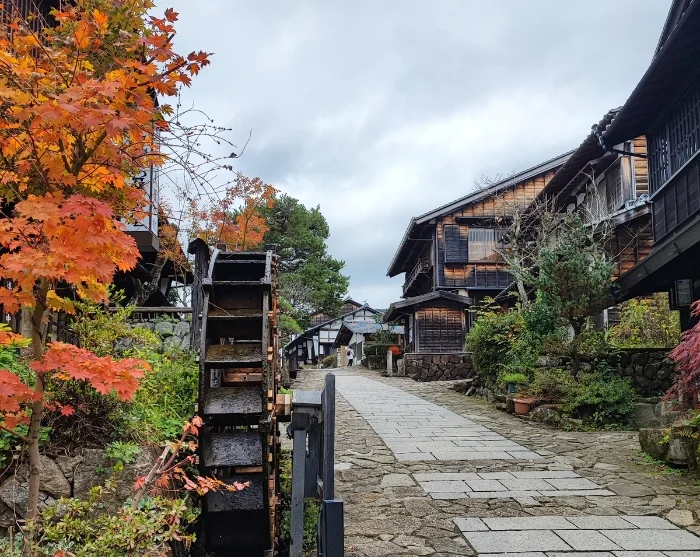
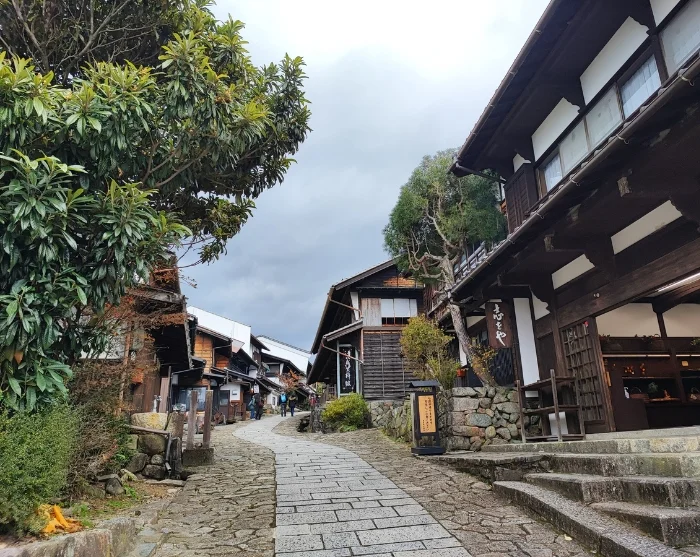
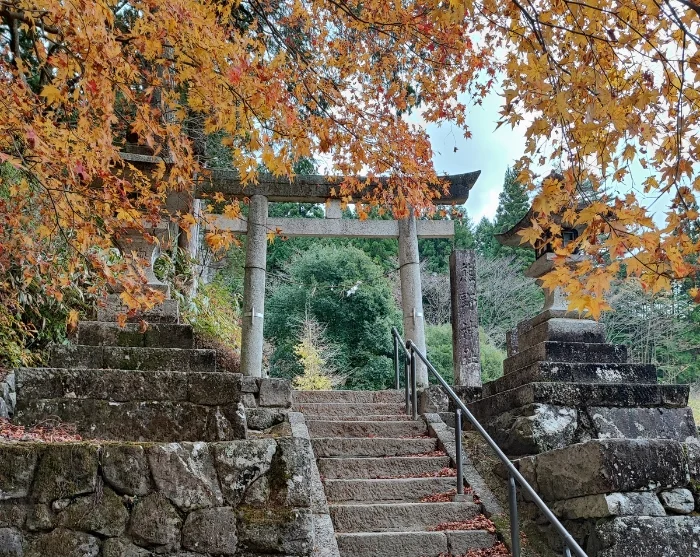
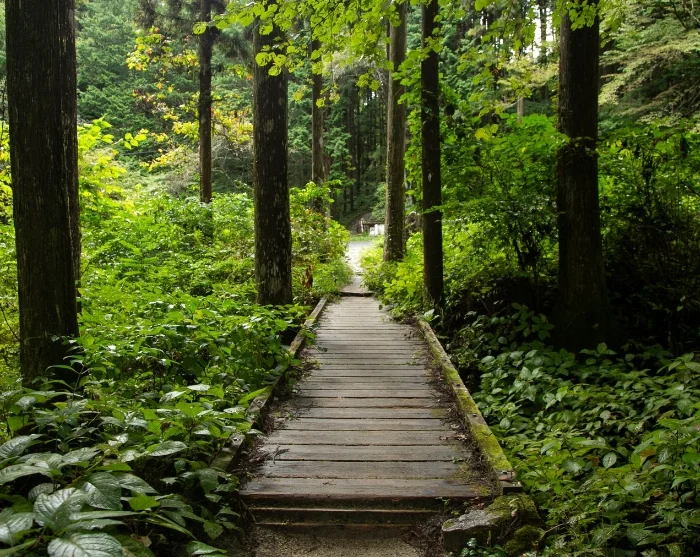
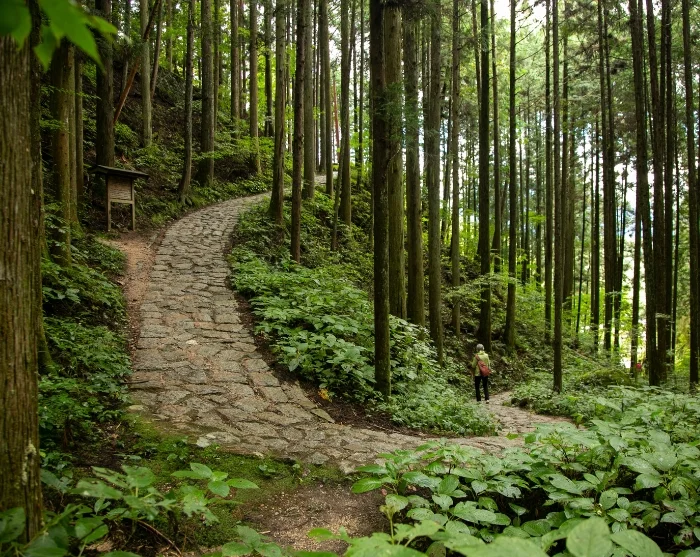
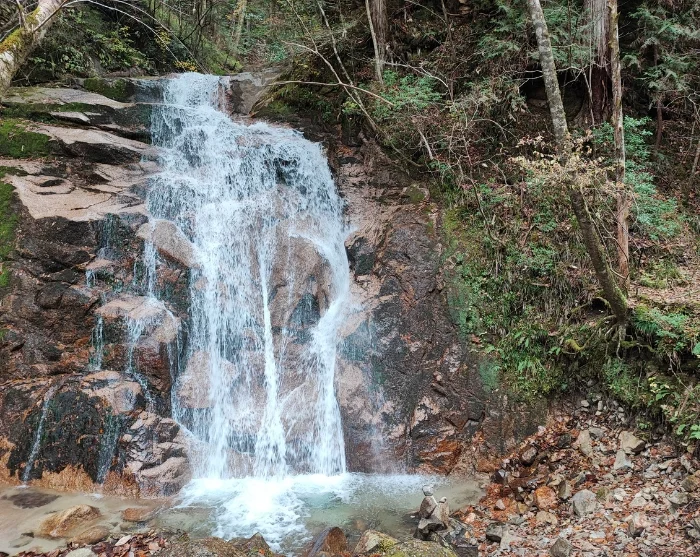
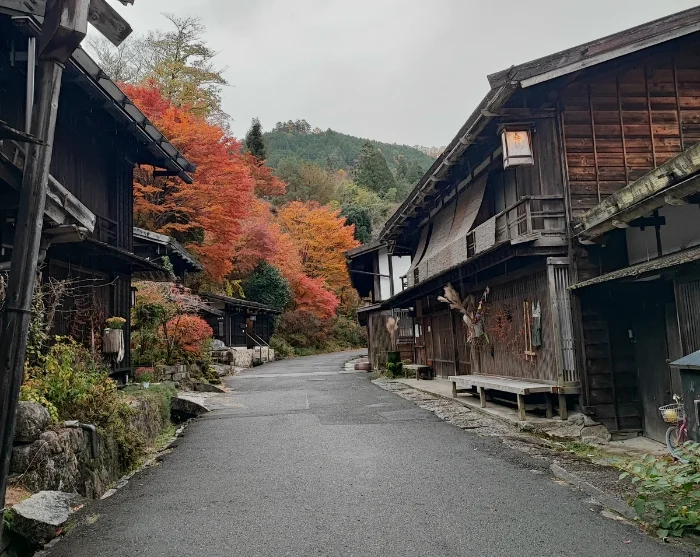
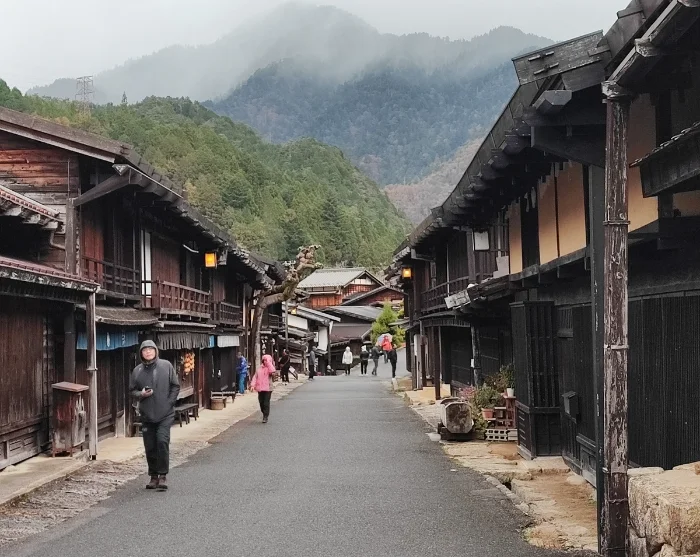
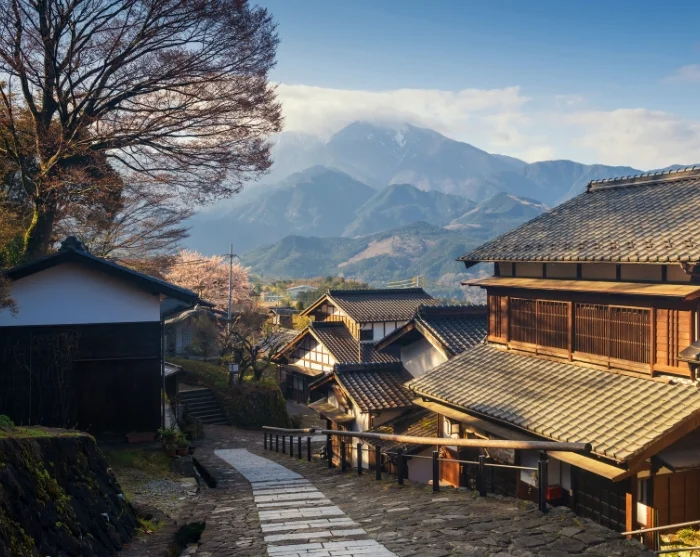
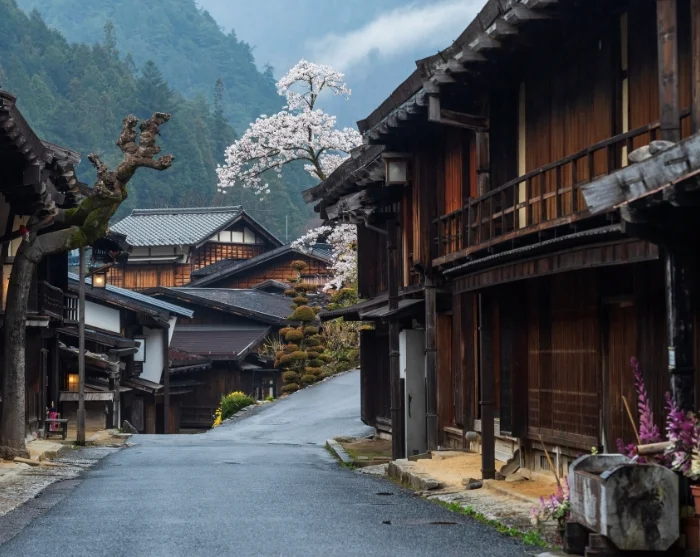
Along the historic Nakasendo route, you’ll follow in the footsteps of the samurai, who during the Edo period travelled this road between what was then Tokyo and Kyoto. Enjoy a gentle hike between two of Japan’s best-preserved post towns, Magome and Tsumago, where the path winds through dense forests, past small waterfalls, and traditional teahouses. Here, you can truly feel the presence of history and experience a rare glimpse of Japan’s cultural heritage in its most authentic setting.
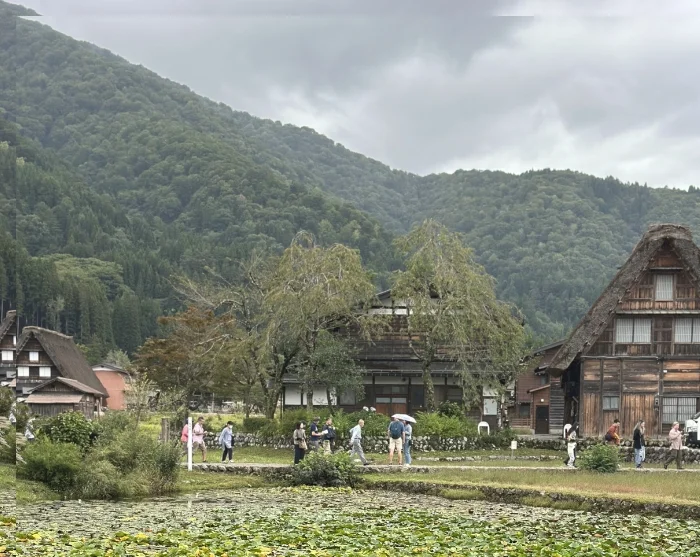
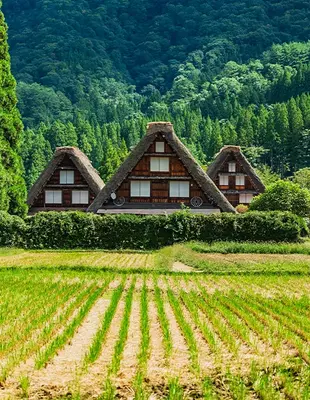
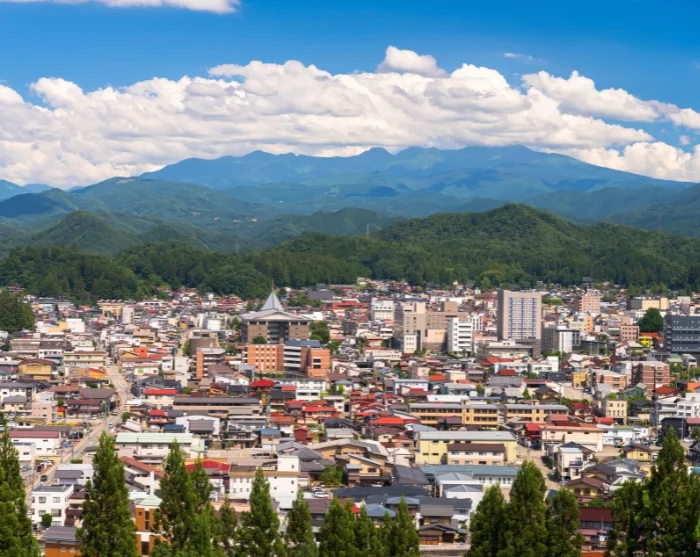
The tour continues with a scenic train journey through the Japanese Alps to the tranquil mountain town of Takayama. The town’s historic districts, narrow streets, and local markets reflect a strong regional identity, where woodcraft, Hida beef, and sake take centre stage. From here, you’ll also visit the village of Shirakawa-go, where thatched-roof houses are scattered across the hilly landscape surrounded by mountains and rice fields, and where traditional architecture remains a natural part of everyday life.
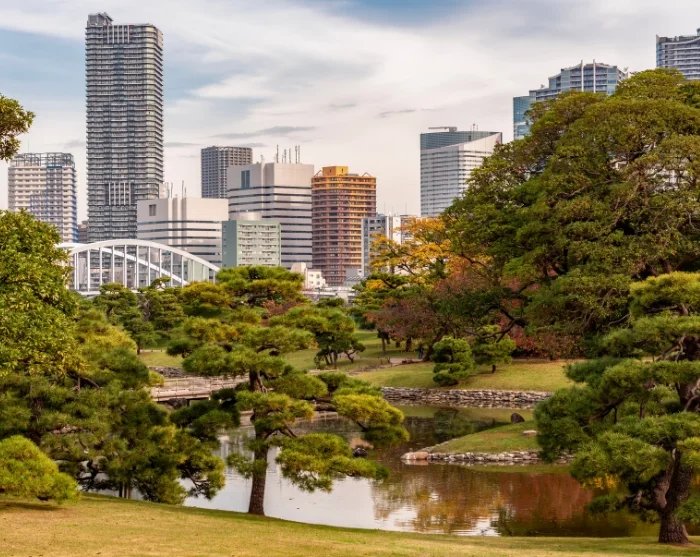
In Nagano, you’ll continue in the same spirit, taking your time to explore temples, forests, and mountain areas at your own pace, before concluding the tour in Tokyo. Here, the contrasts truly stand out as the quiet of the mountains gives way to the city’s lights, sounds, and vibrant energy.
Today marks the first step of your Japanese adventure. Your journey begins at your selected airport, with flights including one or more connecting flights along the way.
Welcome to Japan, the Land of the Rising Sun!
After arriving at Osaka Airport, you’ll go through immigration and collect your luggage. In the arrivals hall, you’ll be met by your driver, who will be holding a sign, ready to ensure you get off to a great start on your Japanese adventure.
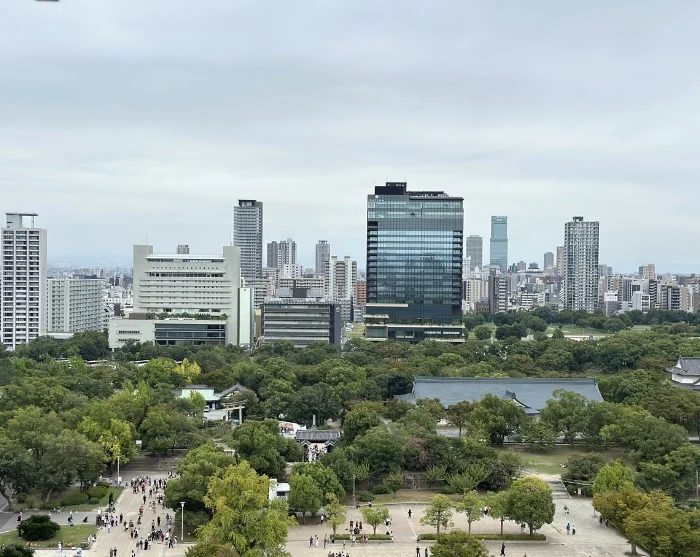
From the airport, you’ll travel to Osaka, a modern metropolis located about an hour’s drive away. As you approach the city, the skyline slowly emerges on the horizon, while motorways, docks, and tightly packed residential areas pass by. Osaka is vibrant, down to earth, and full of personality, and even on the drive in, you’ll sense the city’s rhythm, its unfiltered pace, and buzzing atmosphere.
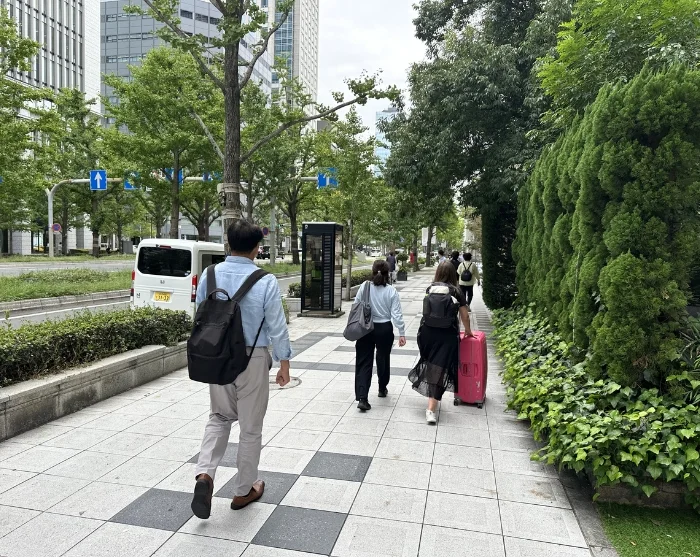
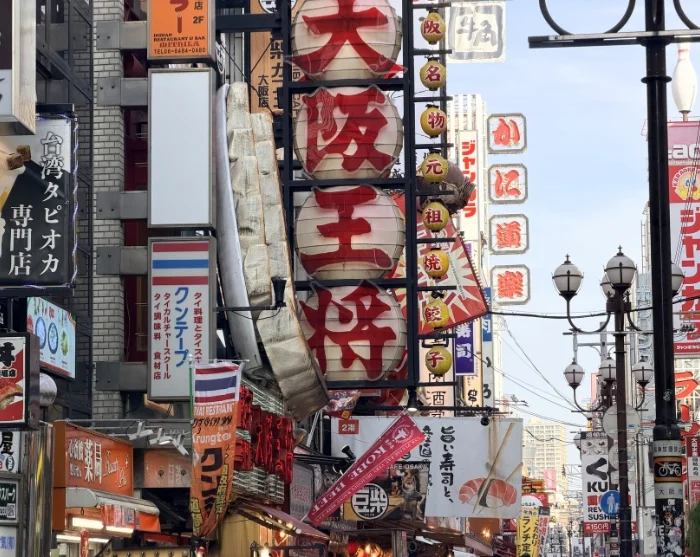
Upon arrival, you’ll check in at your hotel and have time to unpack and settle in, as the rest of the day is yours to enjoy as you wish. If you feel like it, take a short stroll in the local area to stretch your legs after the flight. The streets are alive with energy, neon lights flash above you, and the aroma of grilled delicacies drifts out from small open-fronted restaurants.
Osaka is often referred to as “Japan’s kitchen”, a city renowned for its proud and laid-back food culture. Wherever you go, you’re guaranteed a good meal. You might fancy trying some local favourites such as crispy takoyaki filled with octopus or golden kushikatsu skewers dipped in sauce. It’s a vibrant and flavoursome way to begin your tour before heading back to your hotel to unwind after a busy day on the go.
After breakfast, you’ll meet your guide in the hotel lobby for a welcome meeting designed to give you a smooth and confident start to your tour. During the meeting, your guide will go through the programme for the coming days, share practical information, and answer any questions you may have.
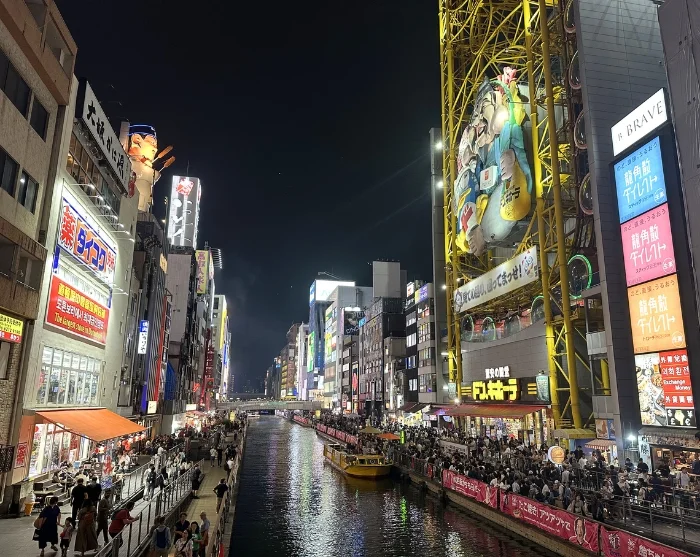
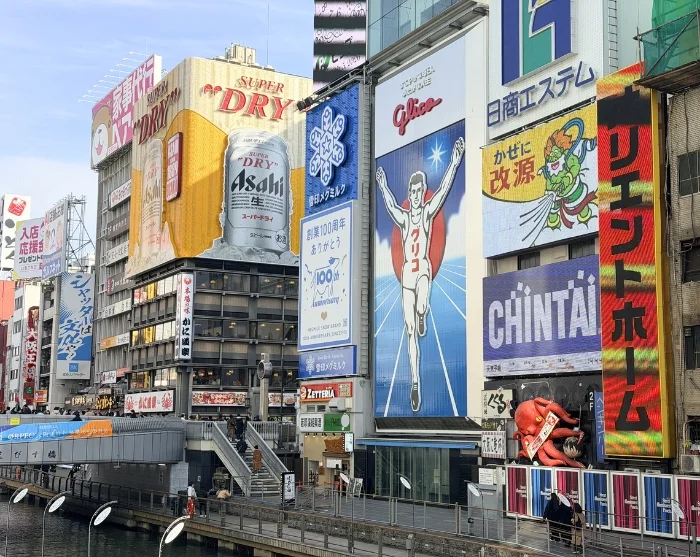
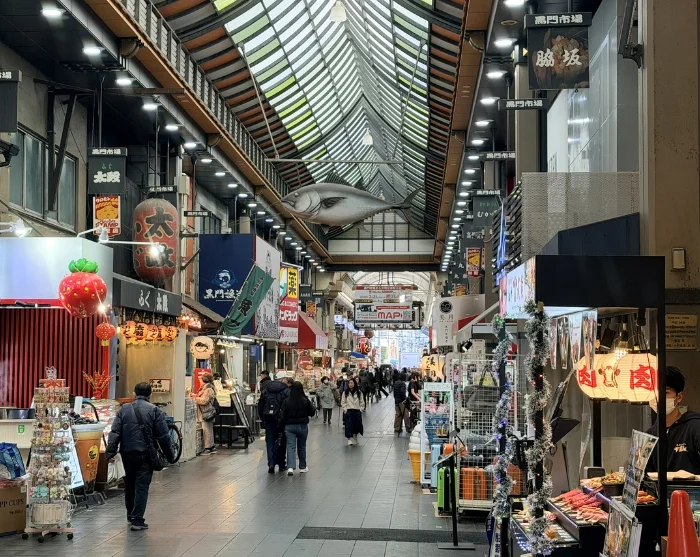
The rest of the morning is yours to spend as you wish – take it easy or head out for a stroll through Osaka’s diverse neighbourhoods. On foot, you can easily reach Dotonbori with its iconic Glico Running Man sign, or the youthful Amemura district, which has a style all its own. Nearby you’ll also find Kuromon Market, offering yet another taste of Osaka’s famous street food scene – from sizzling takoyaki to lively izakaya culture.
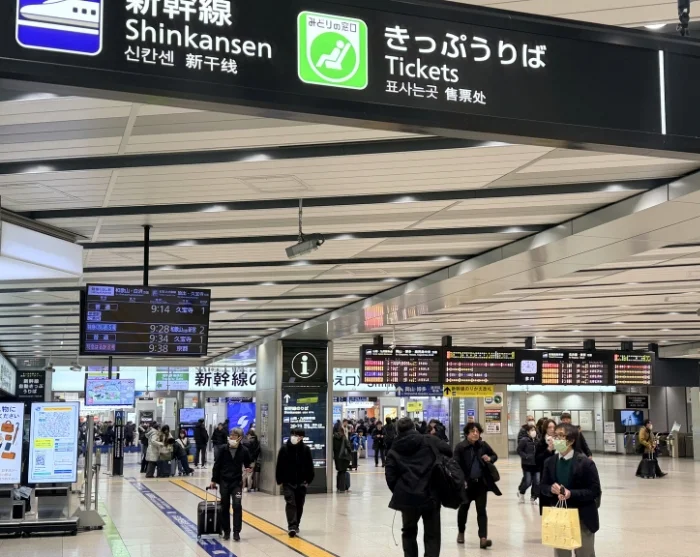
Next, make your own way to Shin-Osaka Station, where Japan’s famous high-speed train, the Shinkansen, whisks you off to Nagoya, arriving in the mid-afternoon.
From Nagoya Station, you’ll find your own way to your hotel. Afterwards, you’ll have time to explore Japan’s fourth-largest city – a destination that’s often overlooked among the country’s other major metropolises.
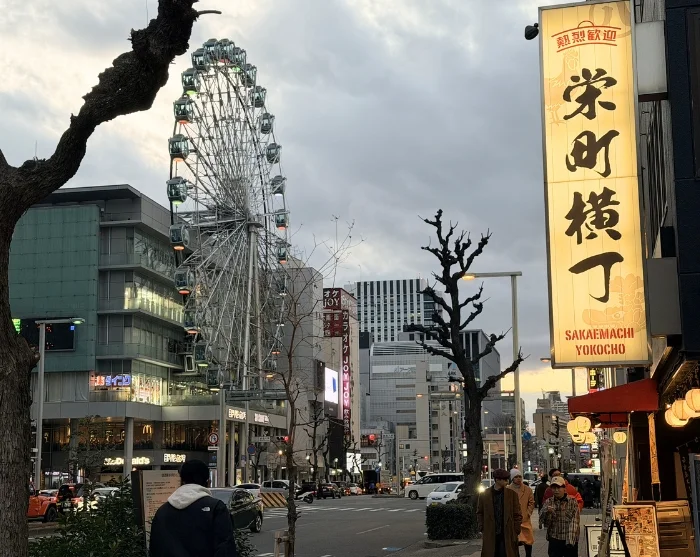
Nagoya has a character all of its own, boasting a strong local identity and a fascinating food culture. The city has deep roots in Japan’s samurai heritage and was once home to the Tokugawa family. Today, however, Nagoya is best described as a modern and vibrant metropolis where districts such as Sakae and the area around Nagoya Station are well worth a visit. Here, you’ll find a lively atmosphere with small shops, department stores, cosy izakayas, fine restaurants, and an abundance of neon lights.
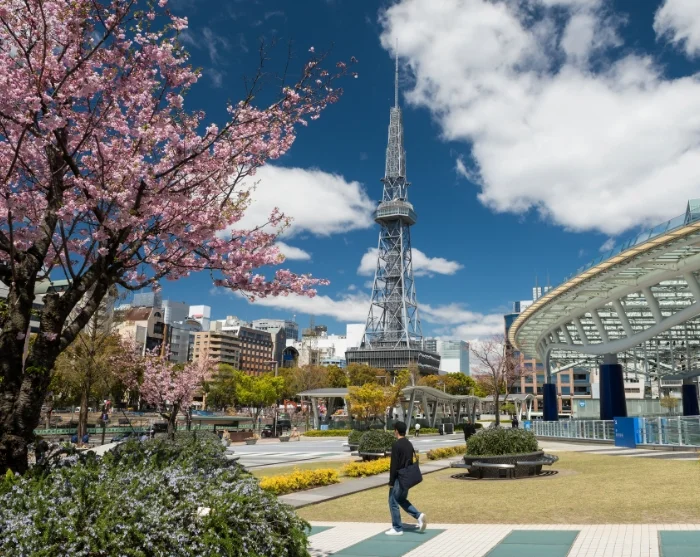
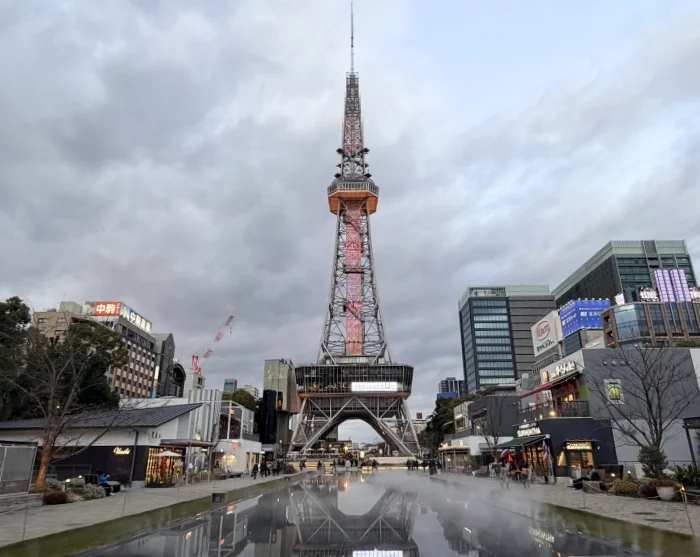
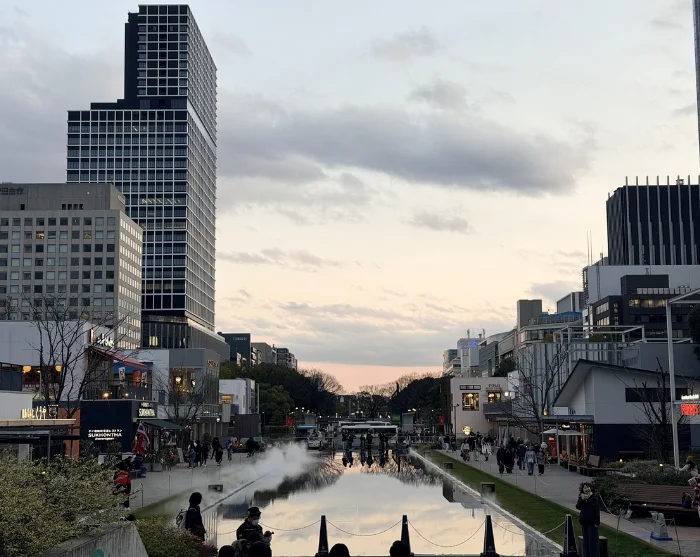
In the evening, the city’s distinctive cuisine awaits. But before that, don’t miss a stroll through Hisaya Ōdōri Park at dusk. This is a popular meeting spot for locals, set in a charming urban environment dominated by the city’s iconic TV Tower, which reflects beautifully in the park’s pool. From here, you’re surrounded by a wealth of eateries serving Nagoya-meshi – the region’s robust and flavourful local cuisine. The dishes are generally richer and more full-bodied than in other parts of Japan. Be sure to try miso katsu, a crispy schnitzel with a rich miso sauce, or tebasaki, spicy chicken wings offering the perfect balance of sweet and savoury.
Today, you’ll follow in the footsteps of the samurai along the historic Nakasendo route, which for more than 400 years connected present-day Tokyo with Kyoto during the Edo period. This ancient trade and travel route was once used by samurai, merchants, and couriers, and today offers a unique insight into an important chapter of Japan’s history as you pass through landscapes and towns where time seems to have stood still.
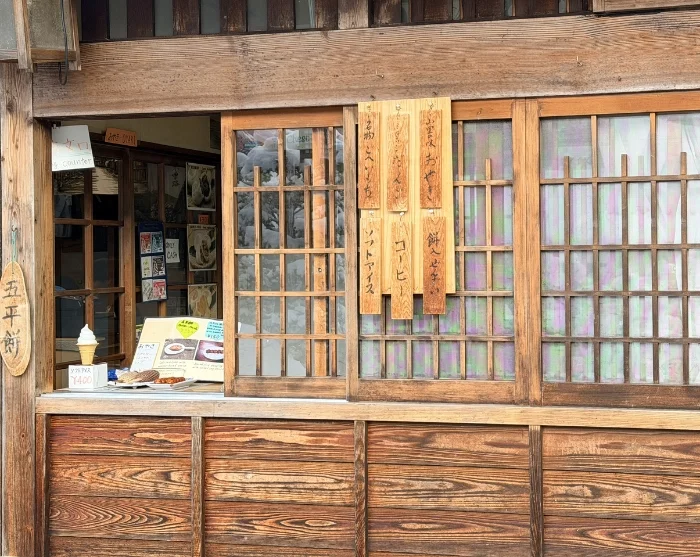
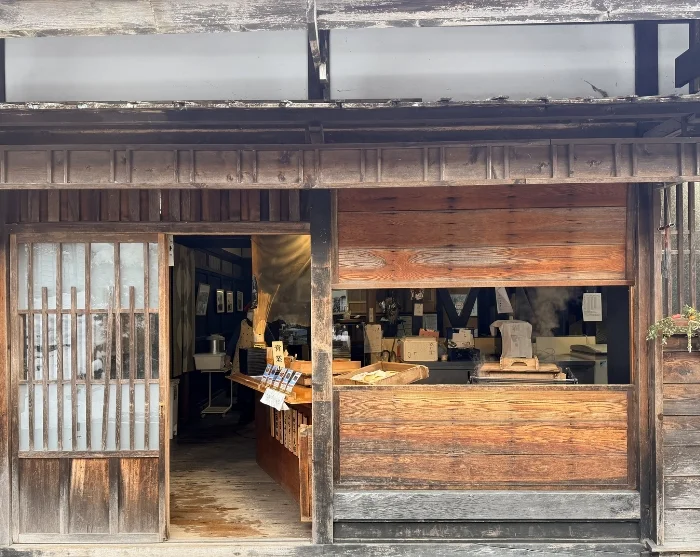
After breakfast, you’ll meet your guide at Nagoya Station, from where you’ll travel together to Magome by regional train and bus through the rolling countryside. Upon arrival in Magome, you’ll step into a charming mountain town from the Edo period, where cobblestone streets wind between traditional wooden houses. There’s time to browse the small shops and sample local delicacies such as freshly made soba noodles or gohei mochi – grilled rice with a sweet miso glaze.
With your energy restored, you’ll be driven to Magome Pass, the highest point on the route between Magome and Tsumago. From here, your walk begins downhill through the undulating landscape, following the same paths used by samurai and travellers for centuries. You’ll wander through dense forests of towering cedar and cypress trees, pass small waterfalls, and follow old stone-paved trails. Along the way, there’s a stop at a traditional teahouse where you can rest your legs and enjoy a well-earned break in truly authentic surroundings.
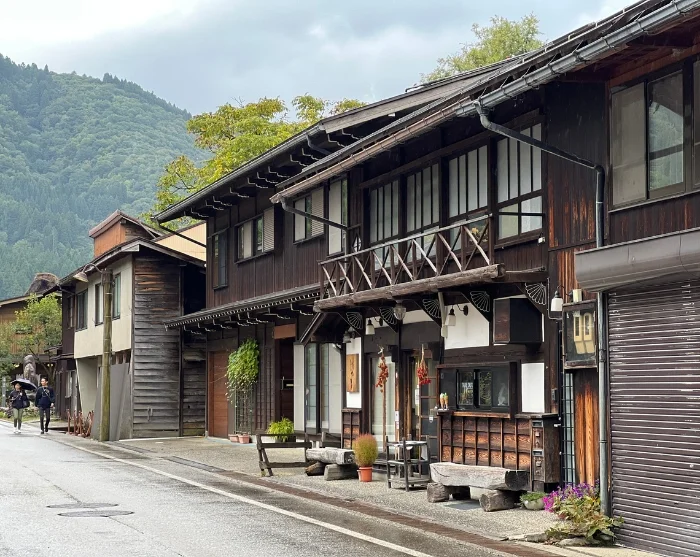
After around two hours of walking, you’ll arrive in Tsumago, one of Japan’s best-preserved post towns, where old wooden houses, inns, and merchant homes give you the feeling of stepping several centuries back in time. You can wander through the narrow lanes, peek into small shops, and admire the traditional façades as your guide shares stories of what life was like along Japan’s important travel routes during the Edo period.
Afterwards, you’ll take the regional train back to Nagoya with your guide, and the evening is yours to spend as you wish.
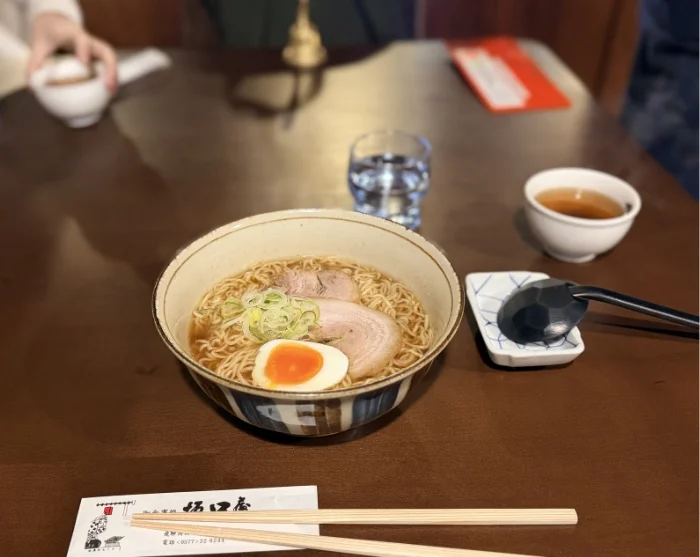
As night falls, the restaurants fill once more with locals, and you’ll have another chance to savour Nagoya’s culinary delights. If you enjoy noodles, you’ll find plenty of hearty noodle soups here, including Nagoya’s favourite, udon, often served in a rich miso-based broth. Another classic is hitsumabushi, grilled eel served on rice, enjoyed in several different ways and finished off with a light bouillon poured over the top.
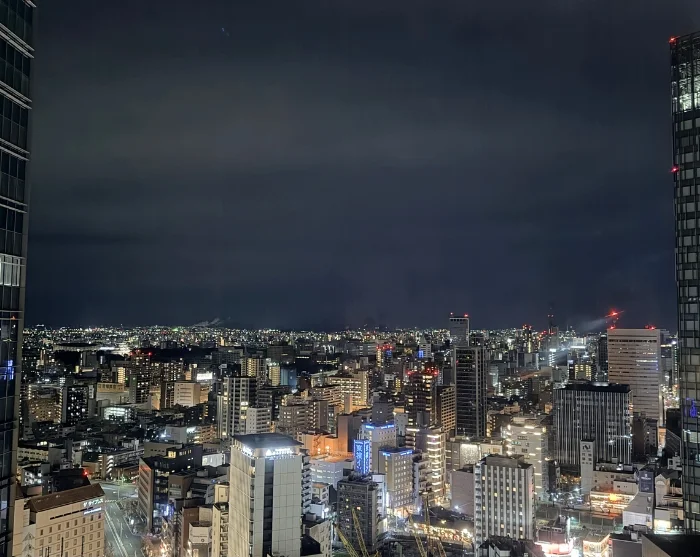
You’ll wake up in elegant surroundings with time to enjoy a peaceful morning, taking in views over Nagoya’s impressive city centre and sampling the delicious selection at the hotel’s breakfast buffet. Afterwards, it’s time to make your way to Nagoya Station and bid farewell to city life for a while.
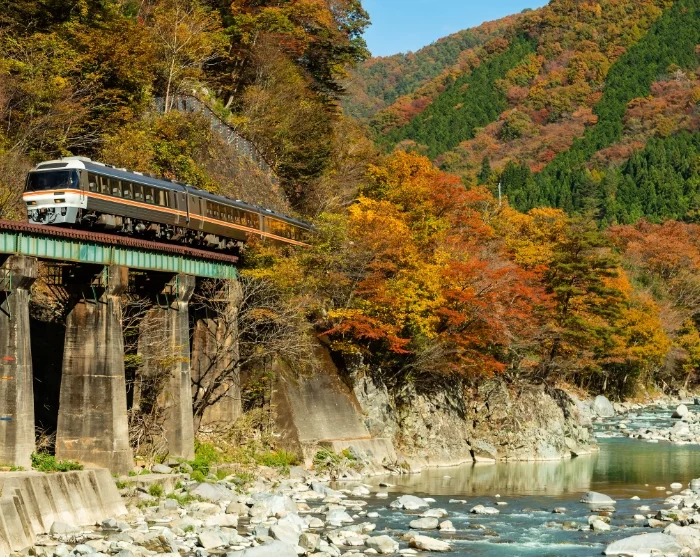
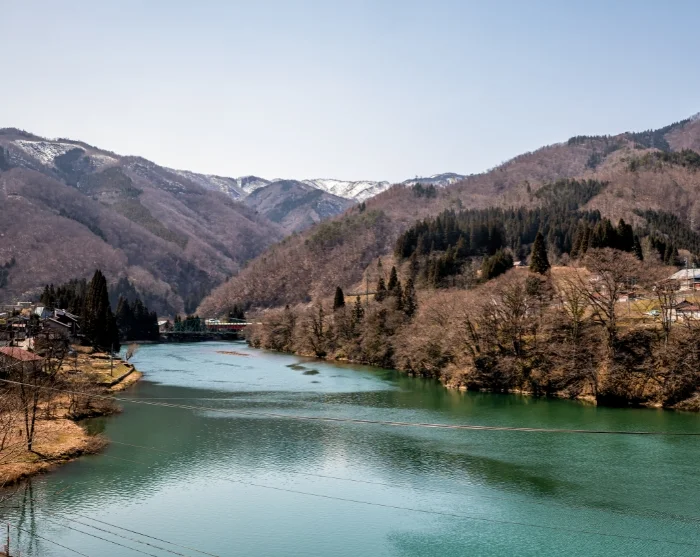
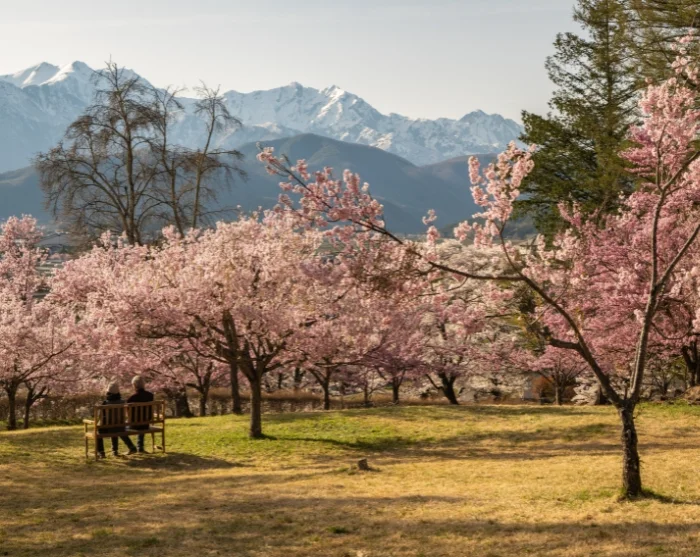
From here, your journey continues by regional train through the Japanese Alps towards Takayama in the north. Sit back and relax for almost three hours as the stunning mountain scenery rushes past your window. Along the way, you’ll pass through countless tunnels and follow the winding course of the Hida River, where each small mountain town boasts its own colourful bridge, beautifully contrasting with the surrounding hues of the season.
Upon arrival in Takayama, you’ll meet your guide in front of the station and walk together to your hotel, where you can drop off your luggage. Then, it’s time to begin exploring this mountain-surrounded town, known for its strong local traditions and beautifully preserved old quarter.
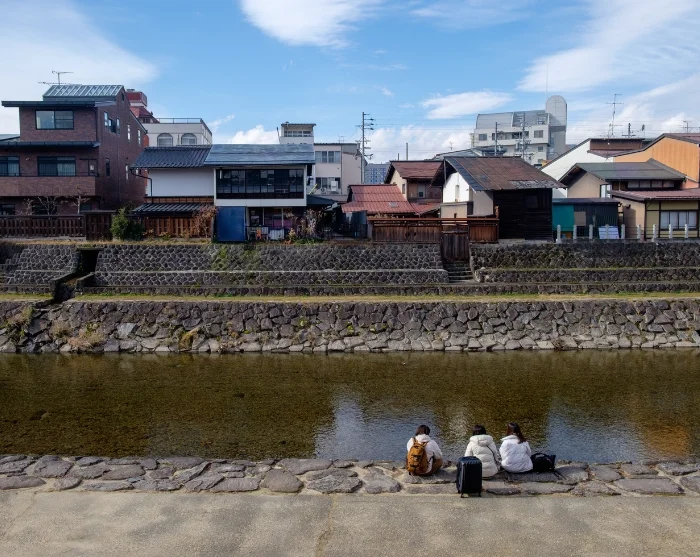
From the hotel, you’ll head away from the centre and into a residential neighbourhood, where traditional wooden houses stand alongside modern homes. Here you’ll get a glimpse of everyday life in Takayama before ascending to the city’s finest viewpoint. The path leads through peaceful surroundings, and as you climb higher, the view gradually opens up over the town. At the top, you can take a break at a small café, where your guide serves you a drink while you enjoy the panoramic views of Takayama and the surrounding mountain peaks.
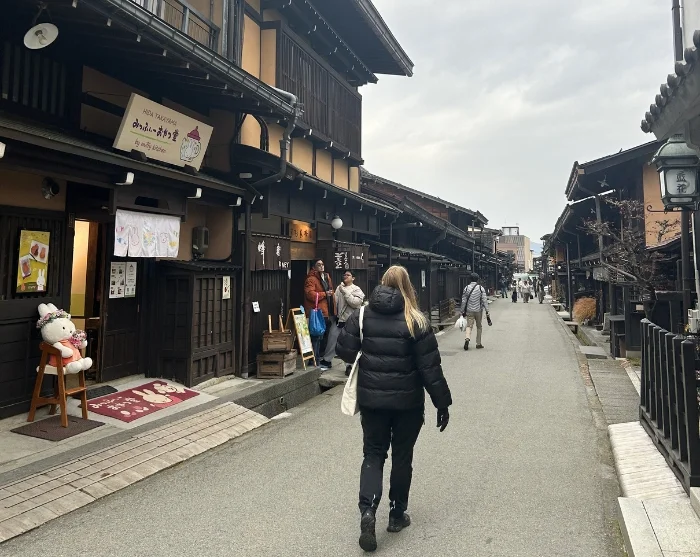
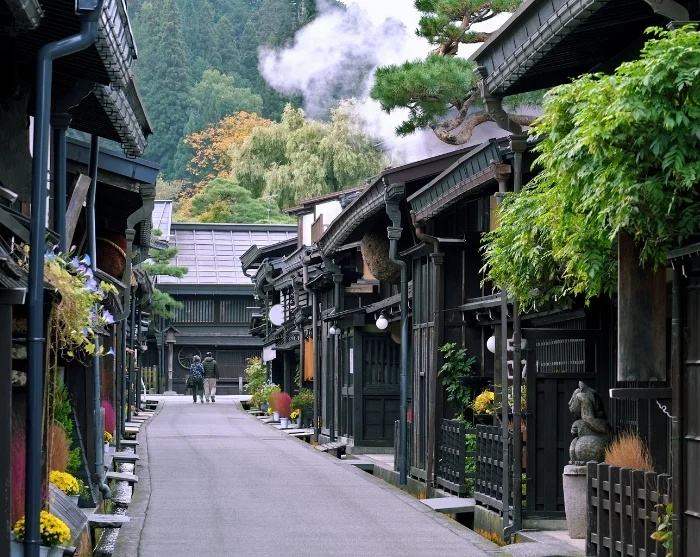
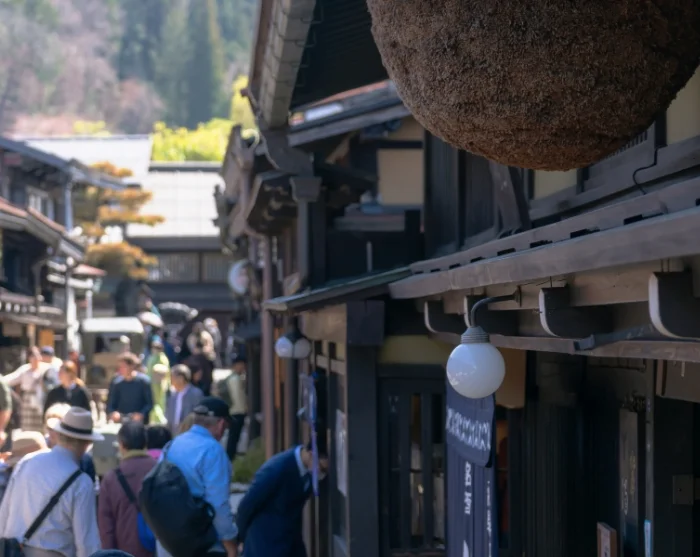
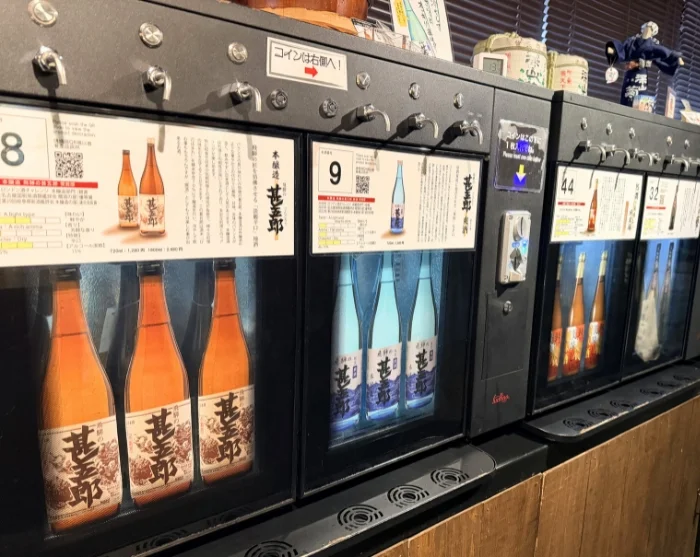
Afterwards, the journey will continue back towards the town and on to the historic Sanmachi district. Here, beautiful dark wooden houses stand closely side by side along the streets, and the area is steeped in history from the Edo period. Today, the streets are lined with small shops, crafts, and local delicacies, inviting you to explore at a leisurely pace. Along the way, you’ll visit a local sake brewery, where you can sample Takayama’s regional sake, jisake. Here, you’ll gain insight into old brewing traditions and round off your city tour with a sensory experience before enjoying the evening at your own pace.
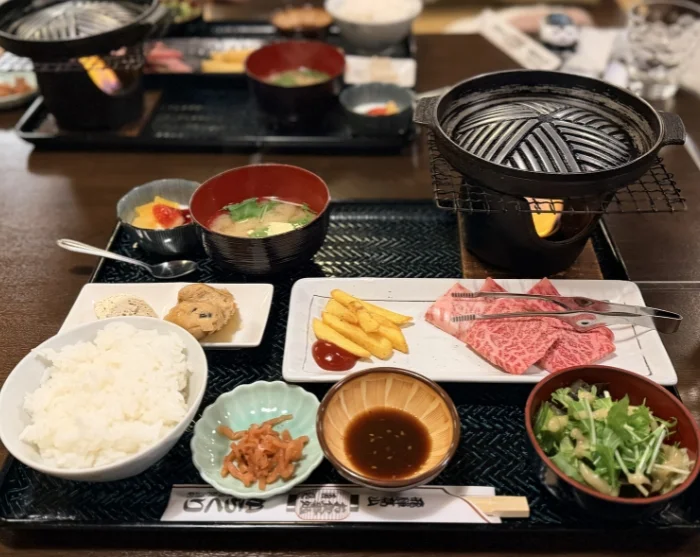
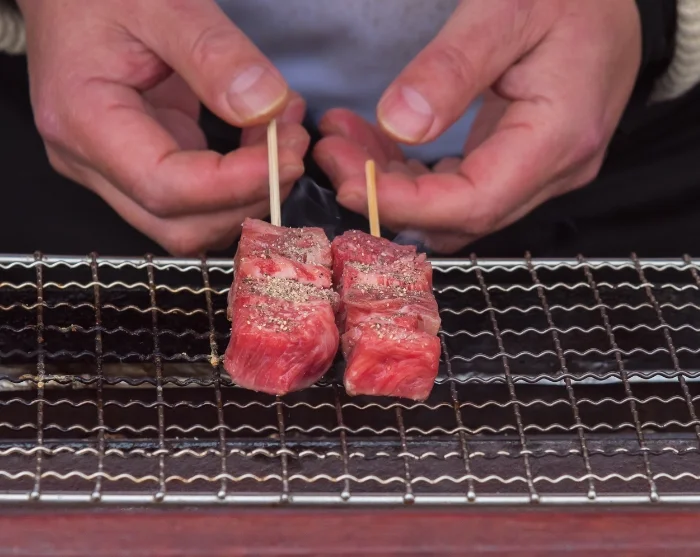
Takayama takes on a truly special atmosphere along its narrow streets softly illuminated by lanterns. It’s well worth finding a place to dine in the old quarter around Sanmachi, where small restaurants serve local specialities in intimate surroundings. The region is especially renowned for its tender Hida beef, often grilled at the table or served as sushi.
Breakfast always tastes better when an exciting day lies ahead – and that’s exactly what you have in store today.
In the hotel lobby, you’ll meet your guide, who will take you by bus to the historic mountain village of Shirakawa-go, listed on the UNESCO world heritage list. Along the way, you can enjoy the scenic drive through the beautiful Japanese Alps, where small villages and the ever-changing seasons colour the forest-covered hillsides.
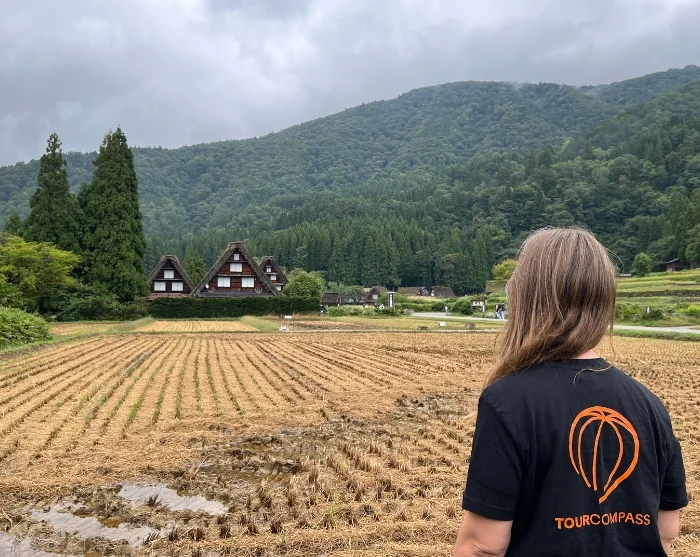
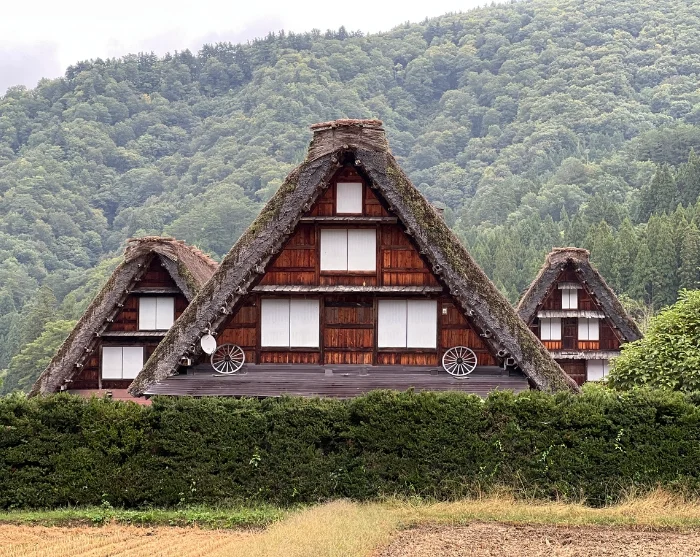
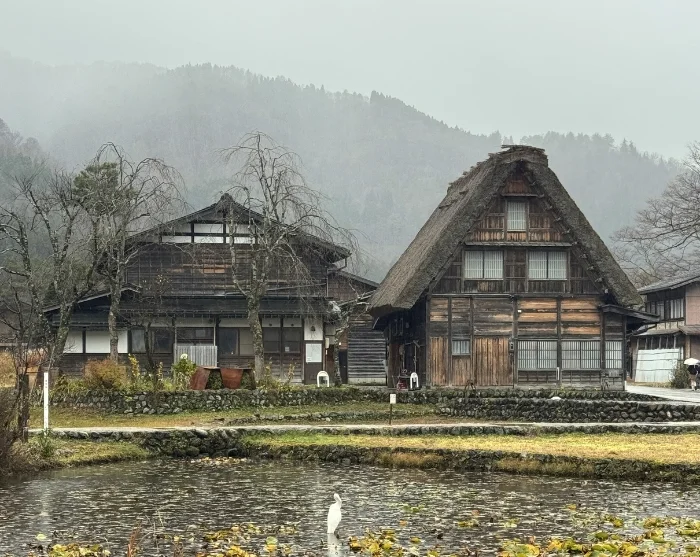
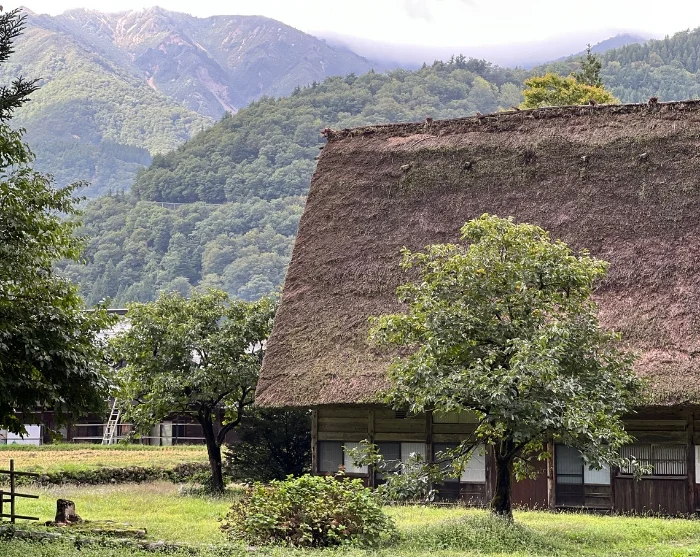
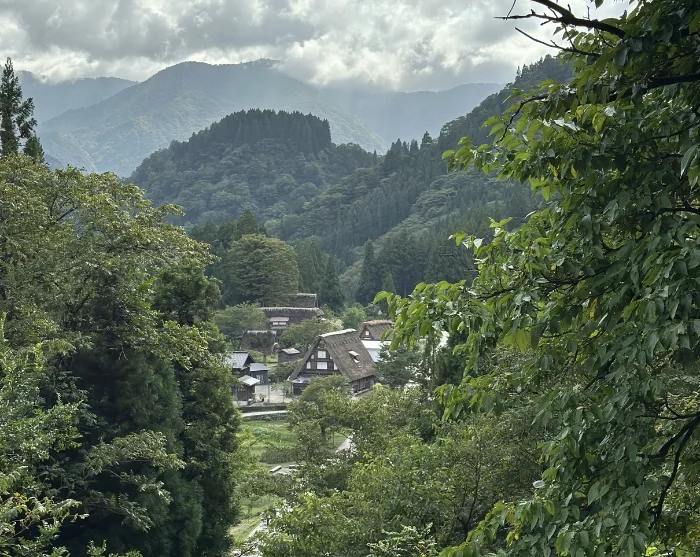
Upon arrival in Shirakawa-go, it’s hard not to be charmed by the village’s fairytale atmosphere. Scattered across the peaceful landscape are the traditional farmhouses with their steep thatched roofs, designed to withstand the region’s heavy winter snowfalls. These farmhouses are called gassho-zukuri, meaning “hands in prayer”, as their distinctive roof structure resembles hands folded in prayer.
As you wander through the village, it feels as though you’ve stepped back in time. Here, you’ll gain a glimpse into rural life that has shaped the region for generations, and you’ll visit one of the village’s largest and best-preserved farmhouses. Once home to a local doctor, the house now stands as a living example of the area’s traditional architecture and way of life. Inside, you can see the original rooms, tools, and wooden structures that tell the story of everyday life in the Alps.
Afterwards, you’ll have some free time to explore the village at your own pace. Perhaps you’ll be tempted by a short walk up to a viewpoint offering panoramic views over the distinctive rooftops, or a visit to one of the small shops selling local delicacies and handicrafts. Alternatively, you could settle down at one of the charming cafés with a cup of coffee or a sweet treat before heading back to Takayama.
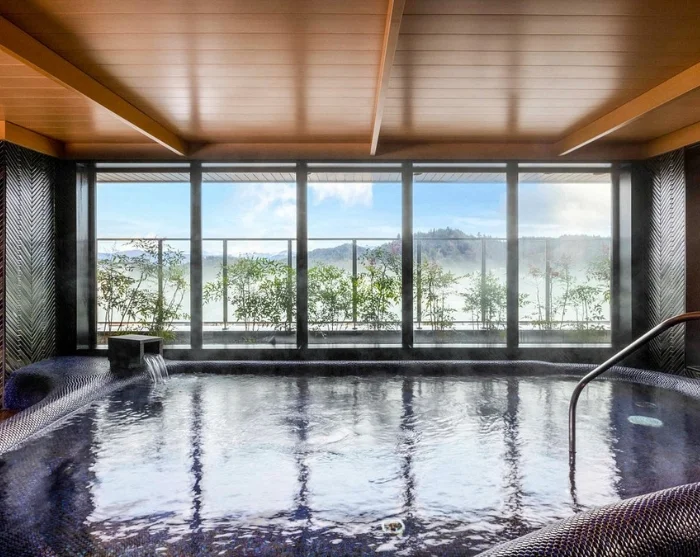
Back in Takayama, you might like to unwind in the hotel’s traditional onsen bath and let your body relax in the soothing, mineral-rich water. In the mountain regions, the onsen experience is particularly enchanting as the steam rises into the cool evening air and the silence is broken only by the sounds of nature. It’s a perfect way to round off the day in peaceful, atmospheric surroundings.
After breakfast, you’ll have a few hours of free time before your tour continues to Nagano on the Shinkansen.
If you didn’t get the chance to try the traditional onsen bath yesterday, today is the perfect opportunity. You can also take a stroll to the charming morning market by the riverside, where you’ll find an abundance of local woodcrafts, souvenirs, and delicacies. It’s a great place to enjoy lunch before making your own way to Takayama Station and boarding the Shinkansen, which will take you to the largest city in the Japanese Alps, Nagano.
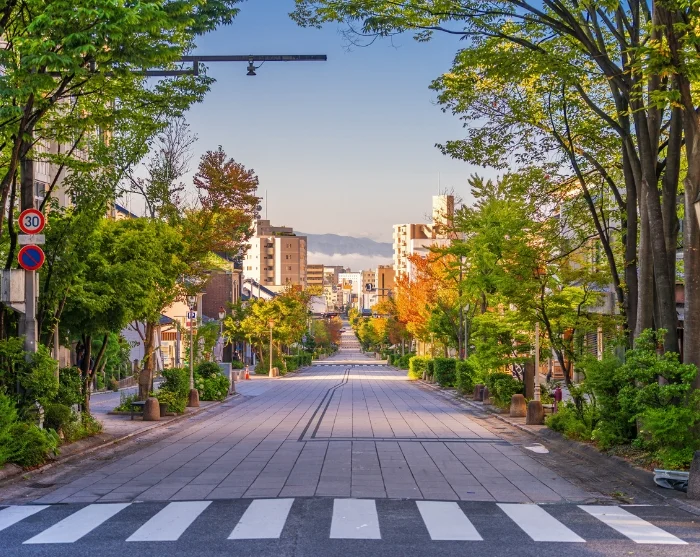
Upon arrival at Nagano Station, make your own way to your hotel, check in, and settle down comfortably. Although Nagano is the largest city in the Alps, it remains compact, welcoming, and has a calmer atmosphere than Japan’s major cities, with the mountains providing an ever-present and breathtaking backdrop.
With the evening free to spend as you please, you might enjoy a leisurely walk through the city centre or sample Nagano’s simple yet delicious mountain cuisine. The city is especially renowned for its soba noodles made from buckwheat, which thrives in the region’s cool climate. These can be served cold with dipping sauce or in a warm, comforting soup.
Today is yours to spend as you please in Nagano, where the mountains form a scenic backdrop and nature, history, and everyday life blend harmoniously at a gentle pace.
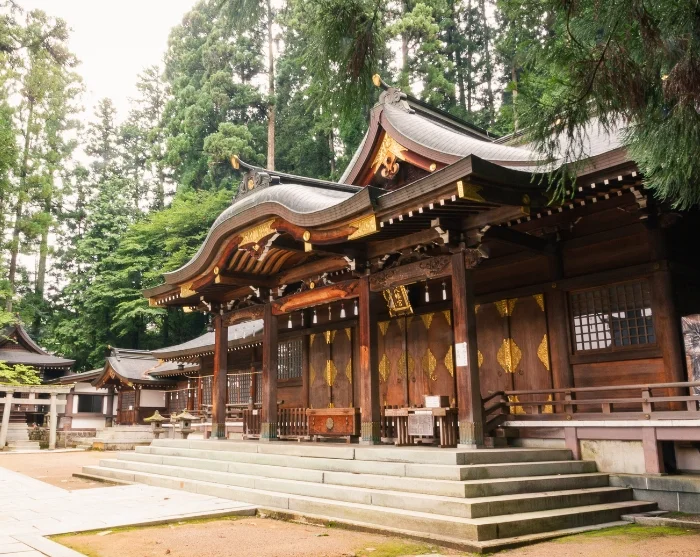
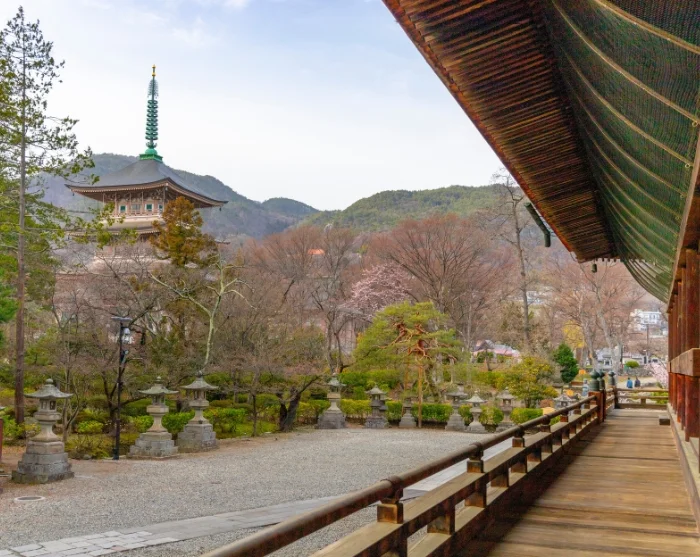
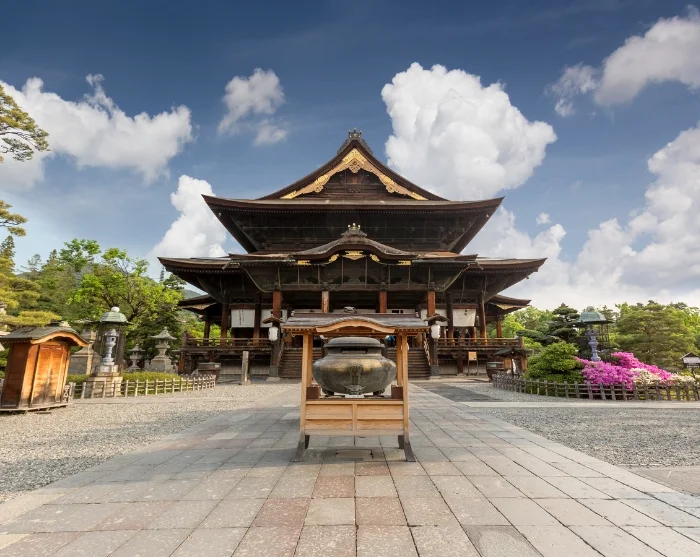
A wonderful place to start is with a walk to Zenko-ji, one of Japan’s oldest and most important temples. Follow the wide avenue leading to the temple grounds, where small shops sell incense, handmade souvenirs, and local delicacies. Inside the impressive wooden hall, a palpable sense of calm and devotion fills the air, broken only by quiet prayers and the sweet, lingering scent of incense. Around the temple, you can explore narrow side streets with cafés and little shops, where everyday life unfolds at a relaxed rhythm. You might also continue on to Joyama Park, where the winding paths meander through green spaces offering views of the surrounding mountains.
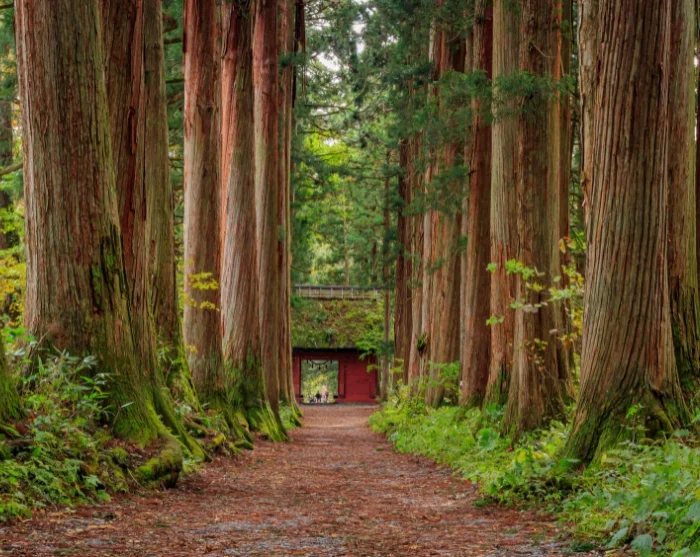
If you’d like to get even closer to nature, take a bus to Togakushi Shrine, set amidst forested hills north of the city. Towering, centuries-old cedar trees line the ancient pilgrim trails linking the various shrines, creating an almost mythical atmosphere. You could also venture out to Jigokudani Snow Monkey Park, where a forest path leads you through ever-changing scenery that transforms with the seasons. At the top, you’ll find the steaming hot springs that are home to Japan’s famous macaques.
No matter how you choose to spend your day, Nagano offers the chance to experience a more nature-centred, authentic, and reflective side of Japan. In the evening, you can sample some of the region’s specialities such as oyaki – small steamed or grilled dumplings filled with vegetables or meat – or sake brewed from the pure mountain water for which the area is so renowned.
After breakfast, you’ll have a couple of hours of free time before continuing your journey to Tokyo.
Depending on what you got up to yesterday, you might spend the morning fitting in the things you missed. Nagano’s city centre is also perfect for exploring without any particular plan in mind. A leisurely stroll will easily take you through the town’s streets, where you can stop by a café and enjoy a local sweet treat such as a flavourful chestnut or warm apple tart.
Alternatively, you could pay a visit to Nagano’s Olympic Stadium, built for the 1998 Winter Olympics. Located on the outskirts of the city, the stadium today stands as a striking reminder of Nagano’s role as an international host city. Take a walk around the area and imagine the atmosphere of the opening and closing ceremonies, when the world gathered here with the snow-covered mountains as a backdrop. In the surrounding area, you will also find several of the facilities used during the Games, along with exhibitions telling the story of how the Olympics left their mark on the city and the region.
Before your afternoon train journey, you can find a place for lunch or do as many Japanese travellers do – pick up a bento box to enjoy on the journey. These small, beautifully arranged dishes are an experience in themselves and a perfect way to savour one last taste of Nagano.
Afterwards, make your own way to Nagano Station, where the Shinkansen will whisk you towards Tokyo with astonishing precision and speed. Sit back, relax, and take in the scenery as it glides past, while a new chapter of your tour begins in Japan’s vibrant capital city.
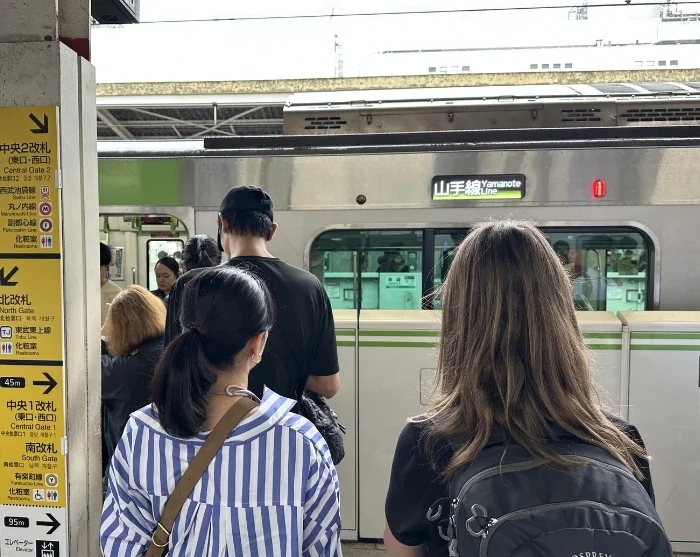
Upon arrival at Tokyo Station, you’ll enter one of the busiest transport hubs in the world. From here, you’ll make your own way to your hotel by metro or local train. Although it might seem a little overwhelming at first, the system is both efficient and well organised. The experience in many ways embodies what Japan does so well – and nowhere is that more striking than in Tokyo, with its sheer scale and incredible precision.
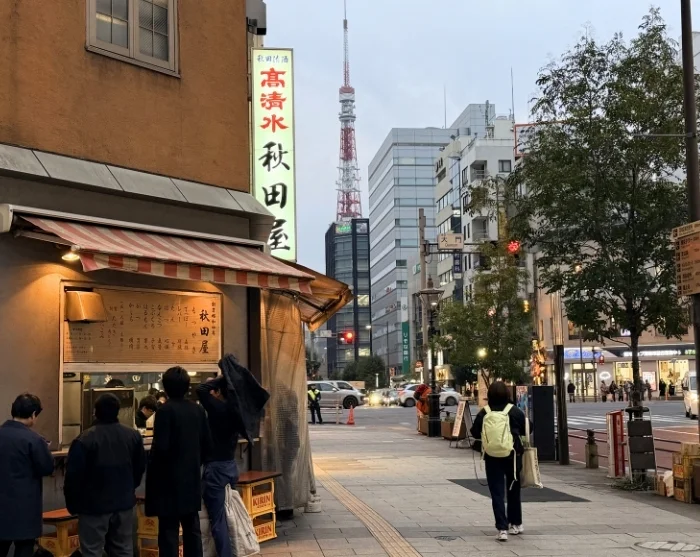
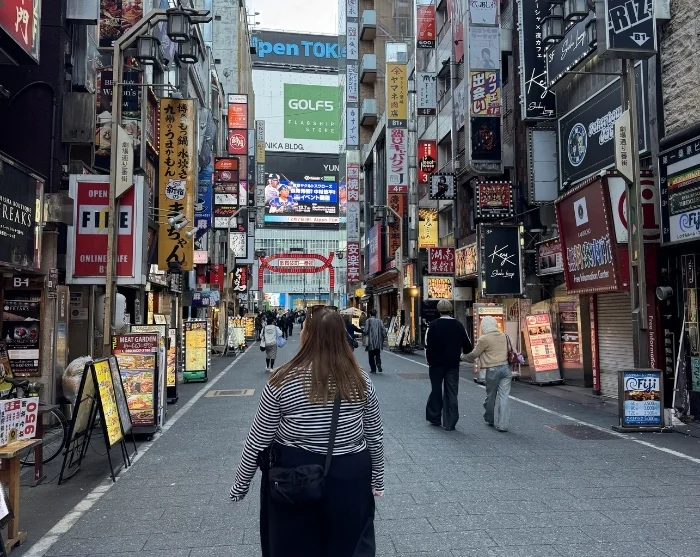
After checking in at your hotel, you’ll have time to explore the city’s modern pulse and taste your way through everything from local specialities to cutting-edge cuisine along neon-lit streets. The capital is famous for its Edomae sushi, but also for its crispy tempura, steaming bowls of ramen, and delicate yakitori skewers served in cosy local izakayas.
Tokyo, one of the world’s largest cities, is both diverse and full of contrasts – and there’s no single right way to experience it. The coming days are therefore at your leisure, giving you the freedom to explore Japan’s capital however you wish. You can draw inspiration from the suggestions below, spread them across your days, or perhaps combine them with one of our exciting optional tours.
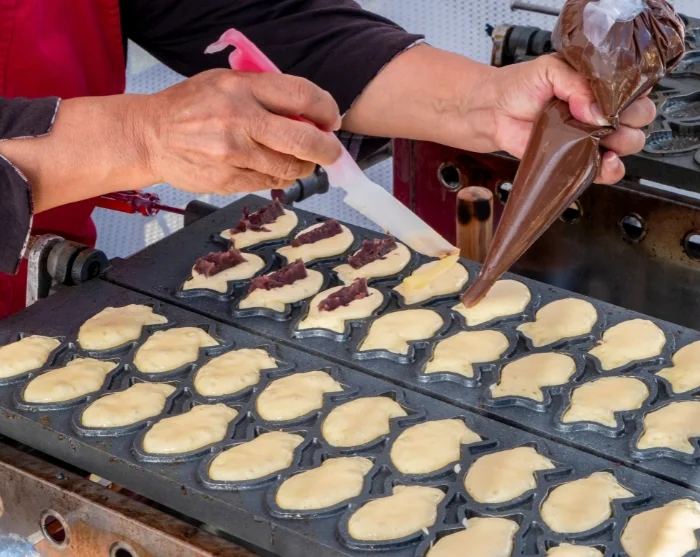
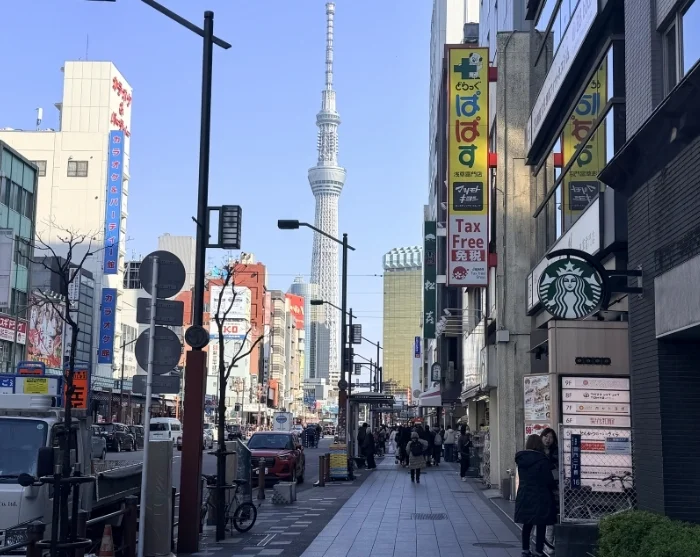
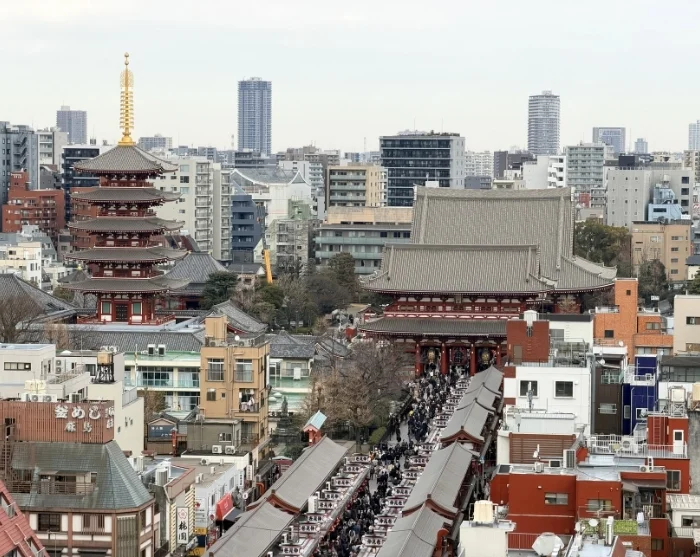
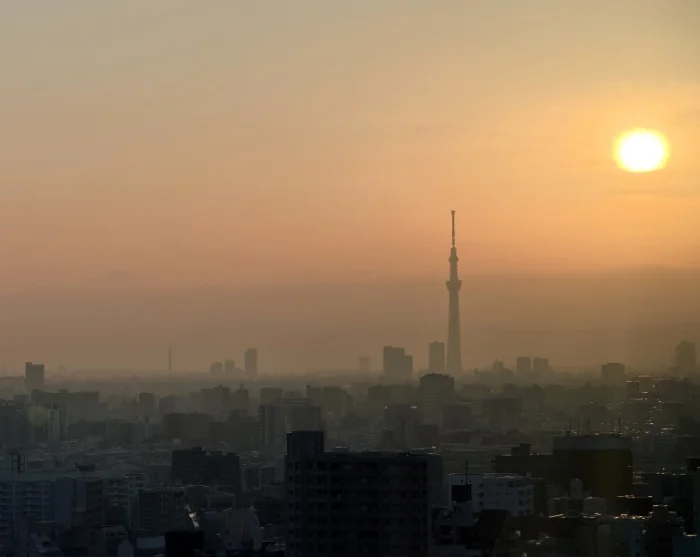
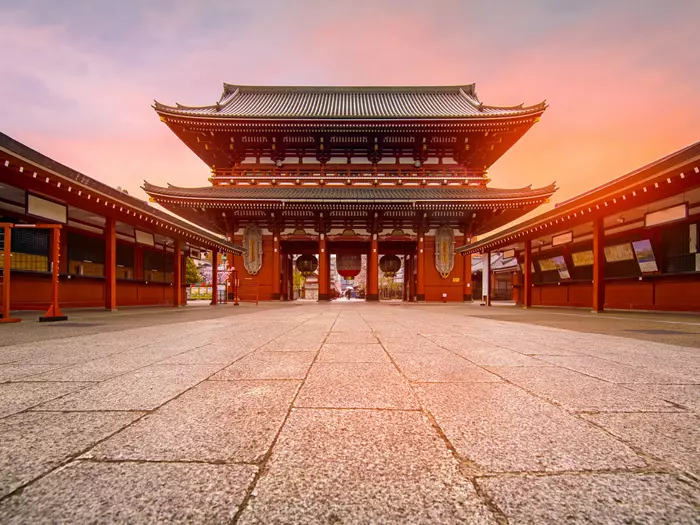
Begin your adventure in the lively Asakusa district, home to Tokyo’s oldest and most famous temple – Senso-ji. The path to the temple, Nakamise-dori, is lined with the enticing aroma of freshly made snacks and stalls selling good luck charms, fans, and local delicacies. Just a few streets away lies the calm of Kappabashi Street, where small shops display Japanese porcelain and kitchen knives side by side. Look up, and you’ll see Tokyo Skytree soaring into the sky as a modern landmark. You can admire the tower from below or, with a ticket in hand, take the trip up to enjoy a breathtaking view over the metropolis.
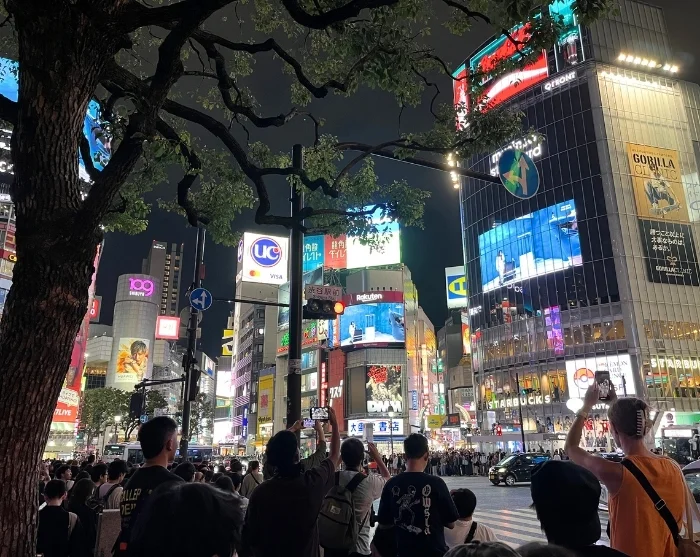
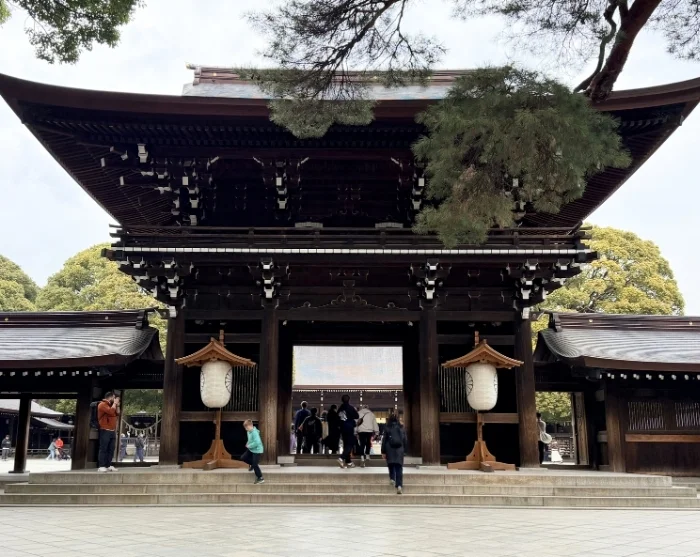
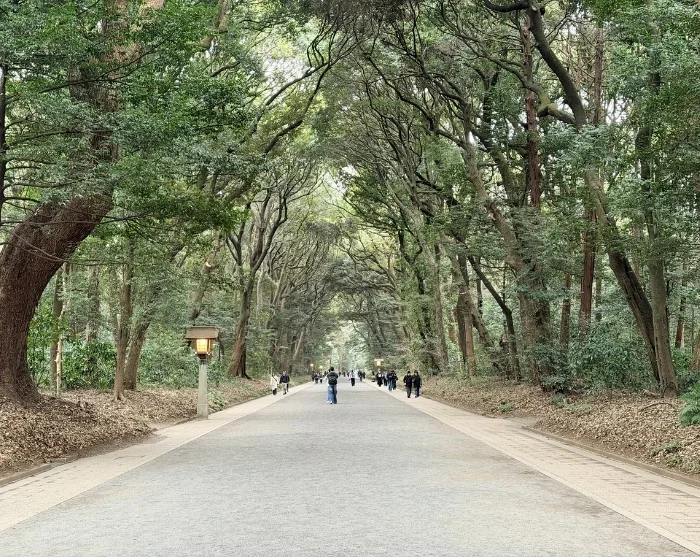
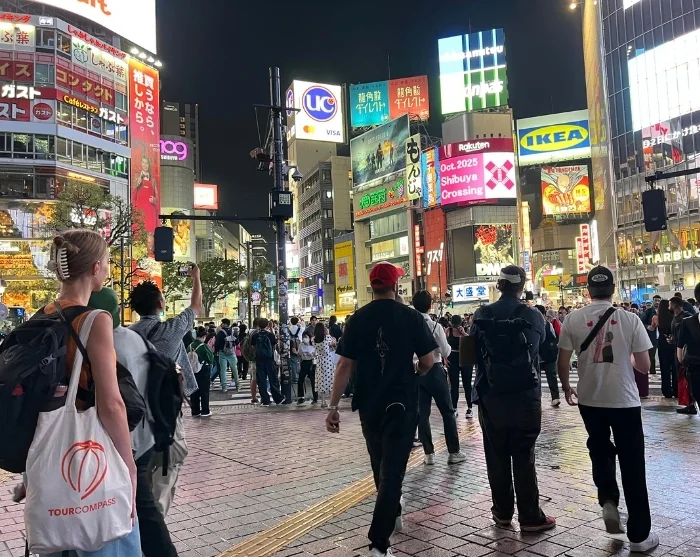
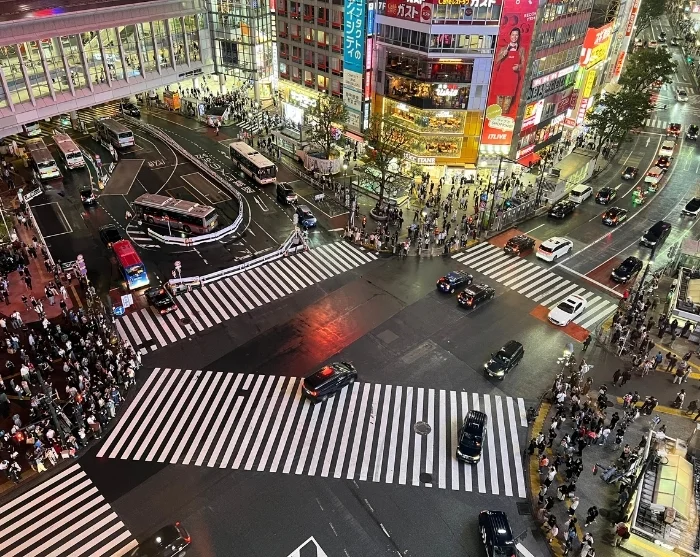
If you’d like to combine several of Tokyo’s iconic neighbourhoods, you’ll find many of them conveniently located along the same train line. From Yoyogi Park, where locals jog and relax in the shade of towering trees, you can head to the peaceful Meiji Shrine, tucked away in a dense forest where gravel paths and the scent of cedar offer a welcome escape from the city’s hustle and bustle. Continue on to Shibuya to greet the Hachiko statue and cross the world-famous pedestrian scramble, Shibuya Crossing, which after nightfall turns into a mesmerising sea of people – best enjoyed from a bar high above the streets below.
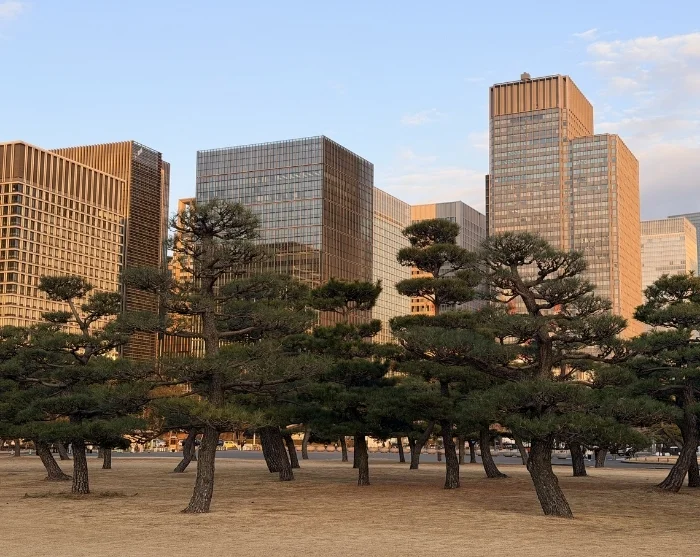
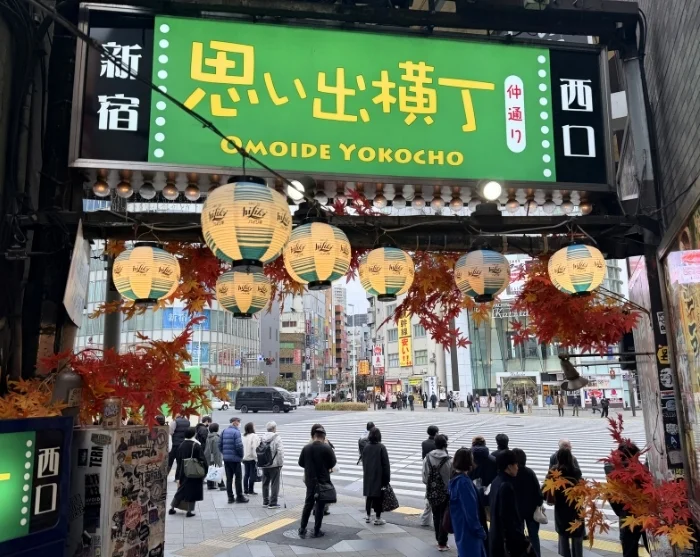
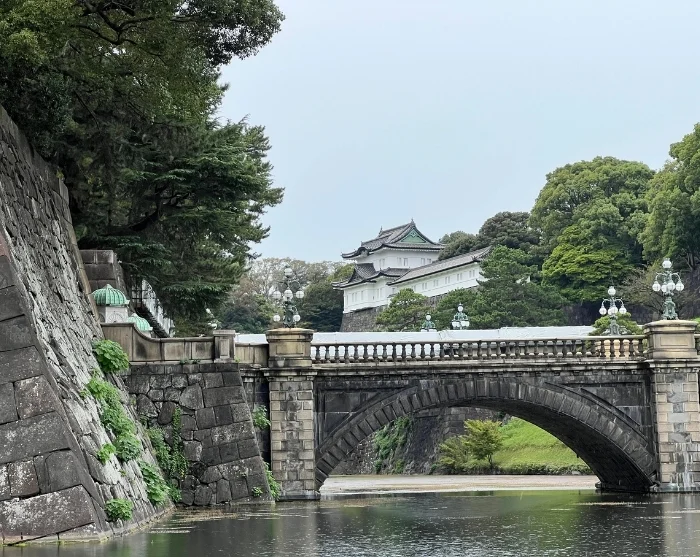
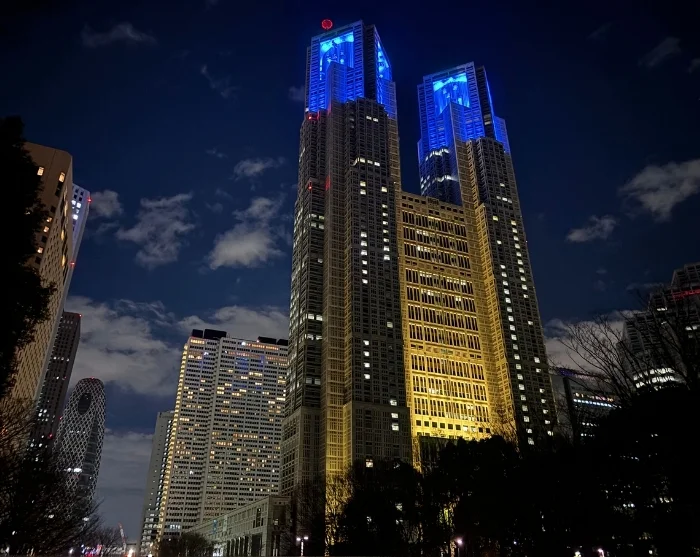
For lunch, head to the Tsukiji Market, where small food stalls serve fresh sushi, grilled seafood, and Japanese dishes prepared right before your eyes. From there, make your way to Akihabara, a district bursting with neon lights, with shops packed with gadgets, comics, and collectable figures. For a complete contrast, continue to the Imperial Palace, where moats, tree-lined avenues, and beautifully maintained gardens provide a graceful glimpse into Japan’s imperial heritage. End your day in Shinjuku, where you can experience Tokyo’s glittering skyscrapers, neon lights, and lively streets. Take a trip up the Tokyo Metropolitan Government Building to admire the city’s sea of lights or catch the daily light show on its iconic façade.
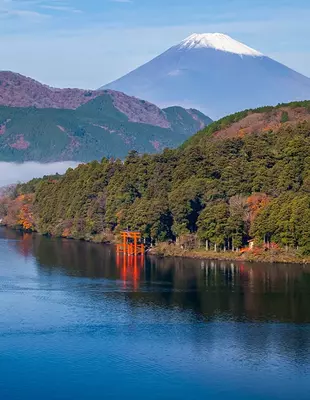
In contrast to the fast pace of the city, you might wish to spend a day exploring beyond Tokyo. In Nikko, you’ll find lavishly decorated temples and shrines surrounded by forest-covered mountains, including the impressive Toshogu Shrine, which is listed as a UNESCO world heritage site. Alternatively, you can visit Hakone National Park, where natural hot springs, a boat trip on Lake Ashi, and, on clear days, the iconic view of Mt. Fuji create the highlights of the day.
Whatever the day has brought, the evening is the perfect opportunity to delve into Tokyo’s vibrant culinary scene. You might choose an intimate sushi bar with just a few seats, a lively ramen shop with a queue at the door, or a restaurant high above the streets – turning dinner into yet another highlight of your day.

The tour is drawing to a close, but you’ll return home with your suitcase full of memories, sensory impressions, and encounters with history from your journey through the breath-taking landscapes of the Japanese Alps and Tokyo.
In good time before your flight departure, you’ll be picked up from your hotel and driven to the airport, where your journey home to Europe begins, with one or more connecting flights along the way.
You’ll land at your selected airport, reflecting on a tour filled with atmospheric cities and encounters with Japan’s fascinating history and nature – and hopefully with a longing to one day return.
|
|
Millie’s passion for travel sparked when she was little, and now she loves to help others fulfil their travel dreams
We know your time is precious. That's why we strive to provide personalised, attentive service to ensure your comfort and safety throughout your tour. From the moment you book to the moment you return home, we’re here to handle every detail with the utmost care.
We offer a diverse array of destinations, each promising its own unique story, shaped by its local cultures, fascinating wildlife, and natural beauty.
We design every tour based on the extensive research and first-hand experiences of our travel specialists and experts. Each tour is crafted to showcase the best each country has to offer.

With us, you can rest assured; your journey is in safe hands. We are ATOL certified and a proud member of ABTA, maintaining rigorous standards of quality and service to ensure your complete peace of mind.