From the strongholds of the past to the metropolises of today. A tour that reveals the traditional and modern sides of Japan in perfect harmony.
Comprehensive package of excursions:
This tour will take you to the heart of Japan, where you’ll move from historic towns to vibrant cities, experiencing the country from many different perspectives. Along the way, you’ll gain insight into daily life, age-old traditions, and the fascinating contrasts that define Japan – all at a pace that allows time for your own discoveries.
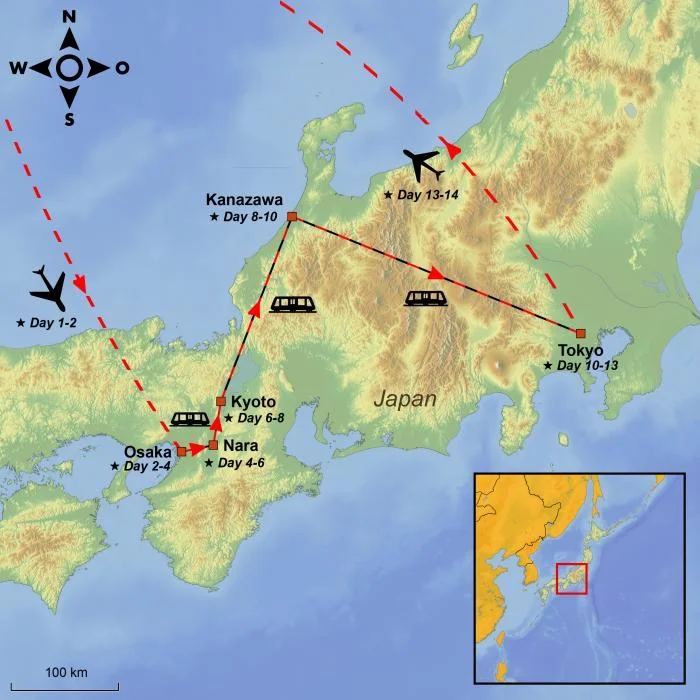
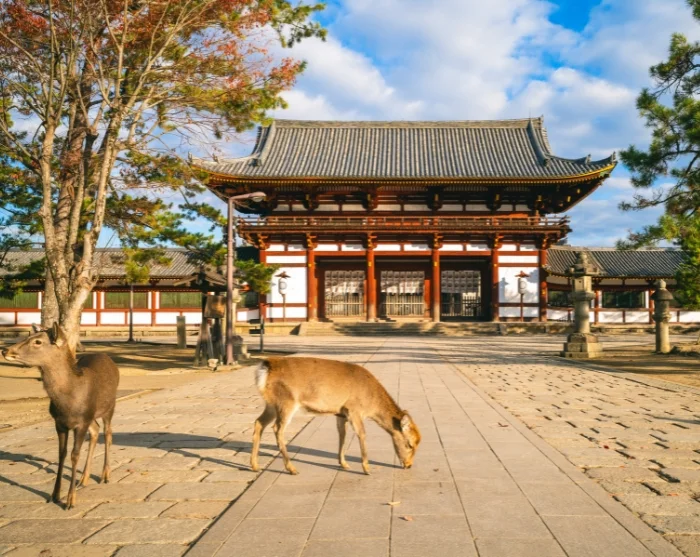
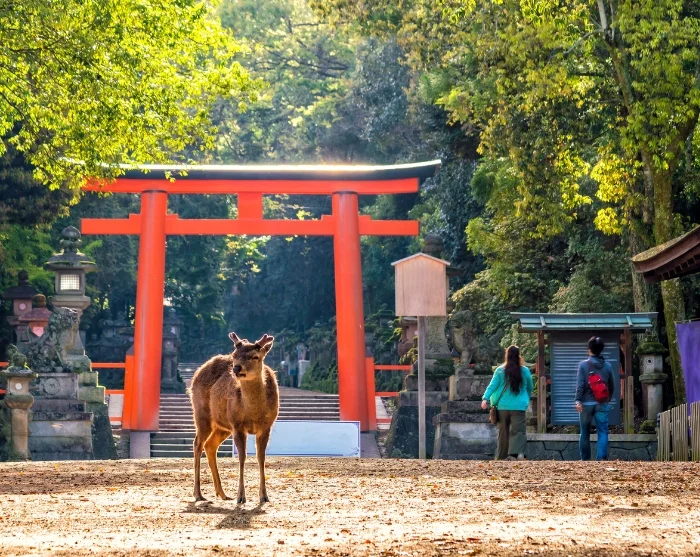
Starting in the Kansai region, you’ll experience the very best of Japan’s cultural heart. In the bustling city of Osaka, you’ll feel the city’s vibrant energy in its lively streets as you’re guided through modern street food scenes deeply rooted in proud culinary traditions. From here, you’ll travel to Japan’s first capital, Nara, where the contrast with Osaka’s pulsating urban life is immediate. Here, you’ll delve into Japan’s early history among countless temples, shrines, and lush green parks – where free-roaming deer wander naturally through the landscape as part of the city’s charm.
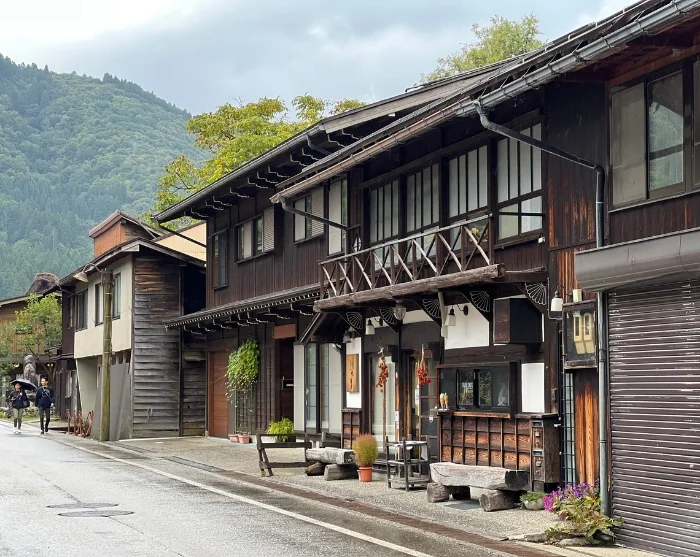
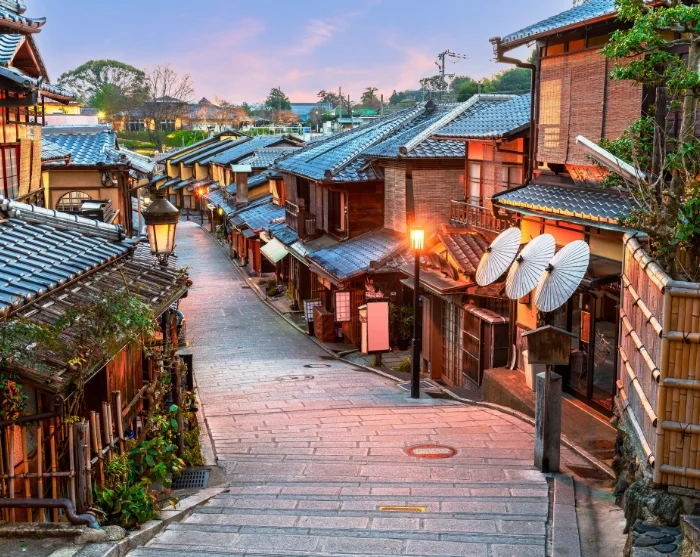
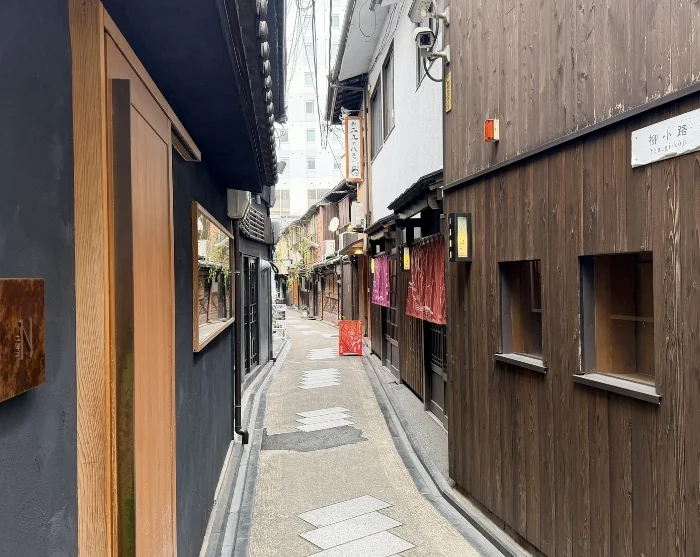
In Kyoto, you can explore some of the country’s most iconic cultural districts. Here, you’ll find classic temples, atmospheric streets lined with traditional wooden houses, and surroundings where history can still be felt in both pace and detail. You’ll also take part in an authentic tea ceremony, where you’ll try your hand at the delicate movements yourself and experience the calm, presence, and refined aesthetics that characterise Japan’s ancient traditions.
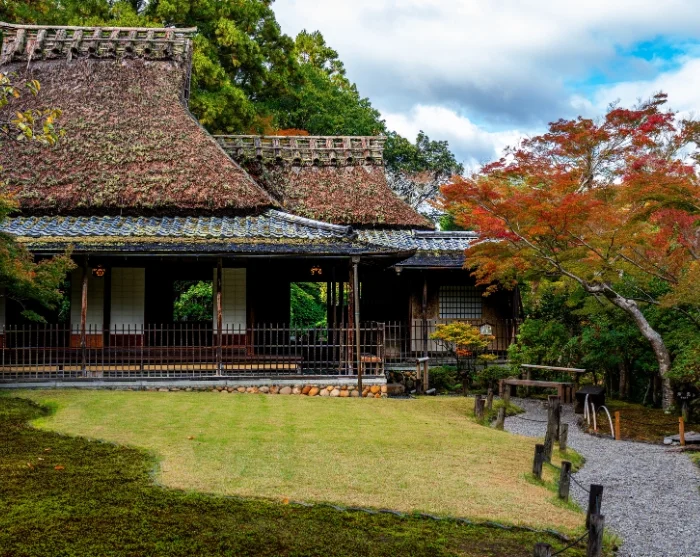
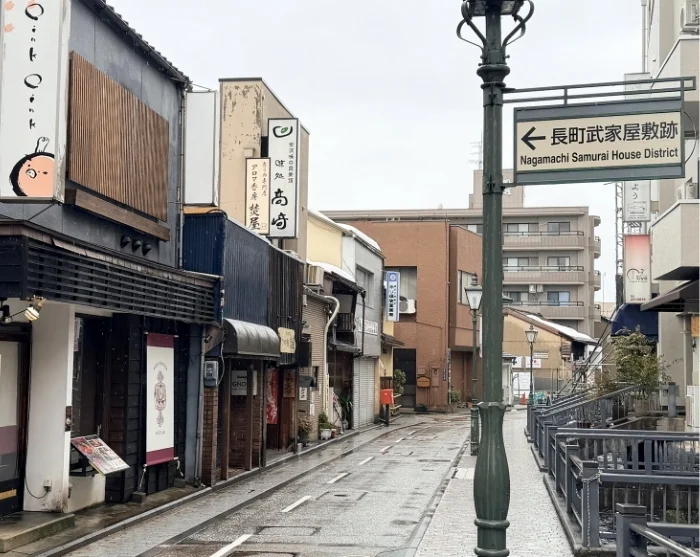
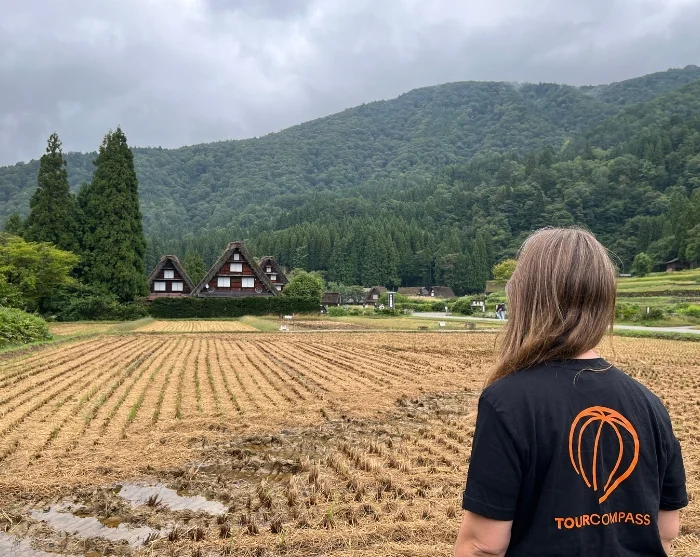
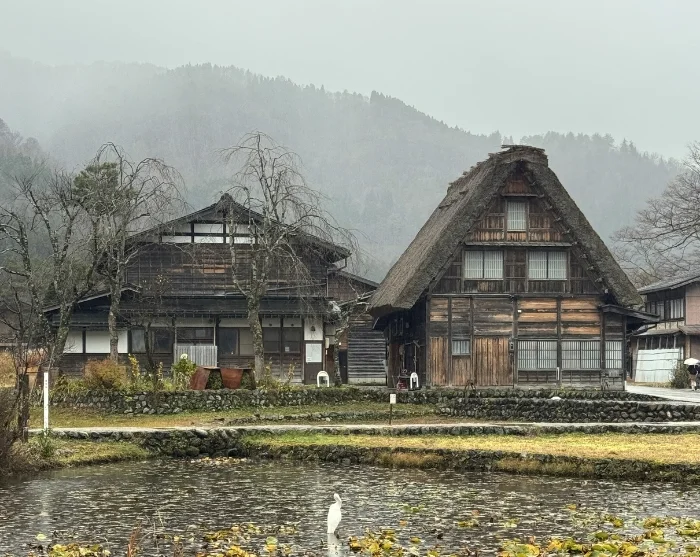
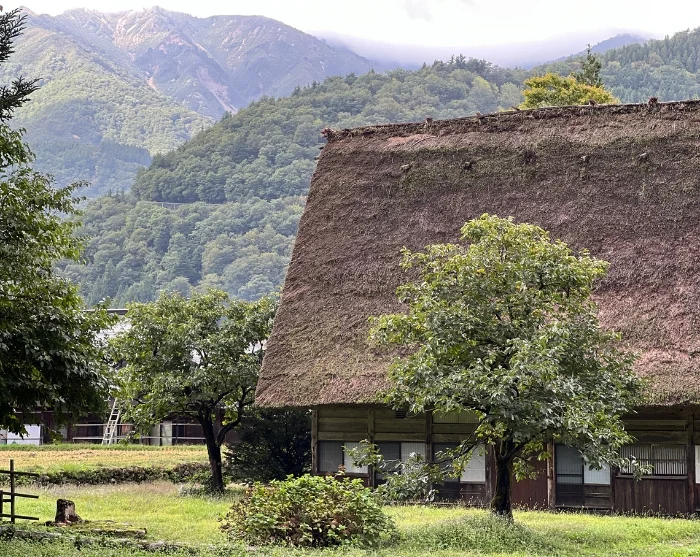
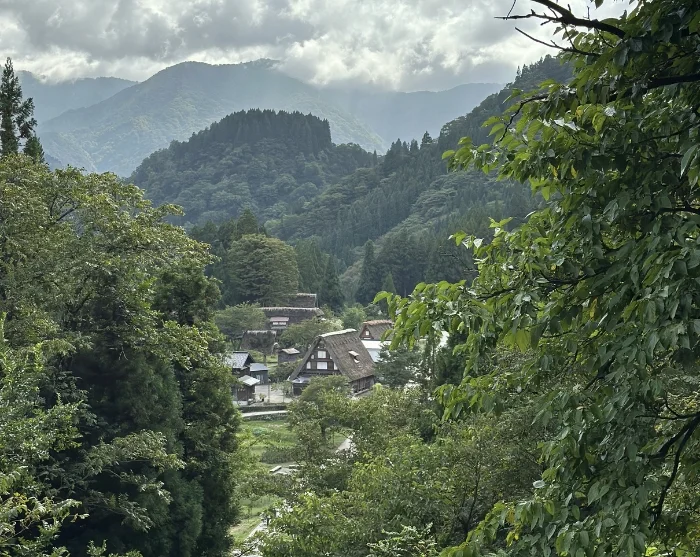
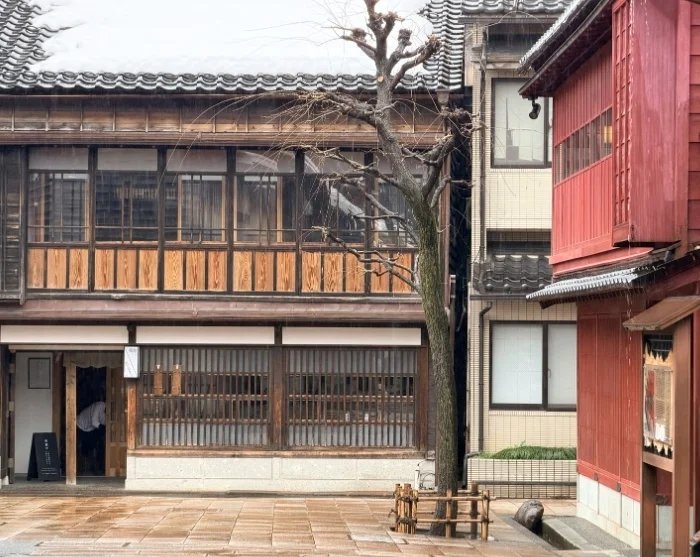
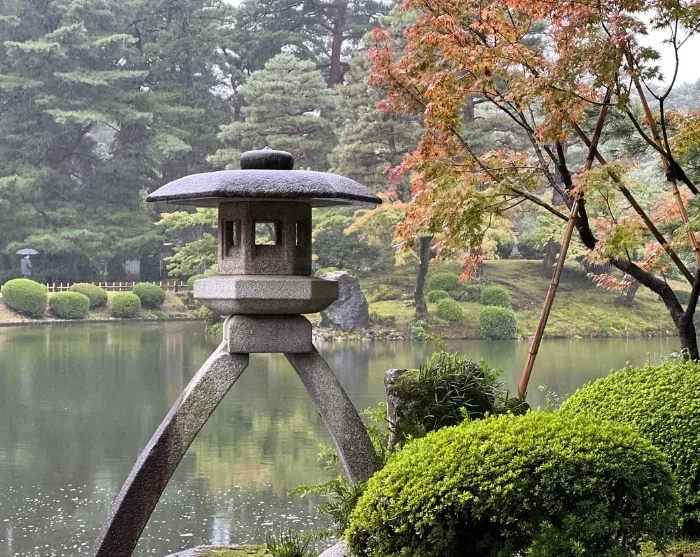
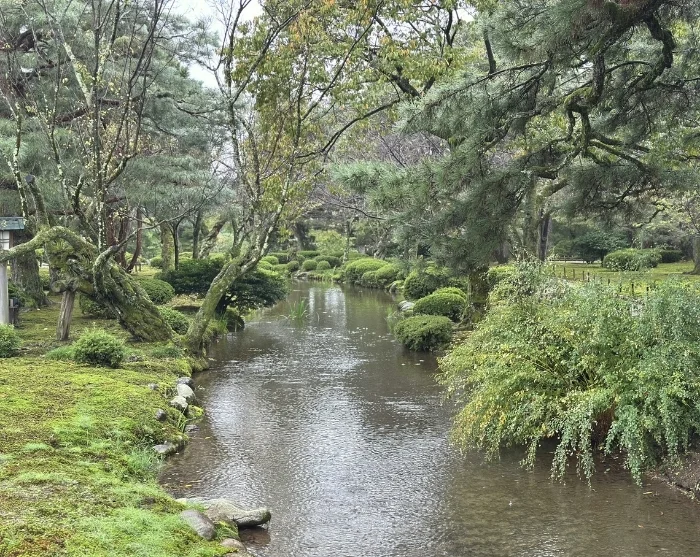
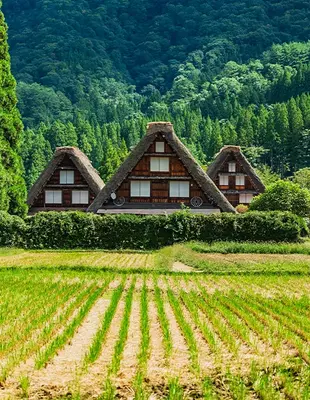
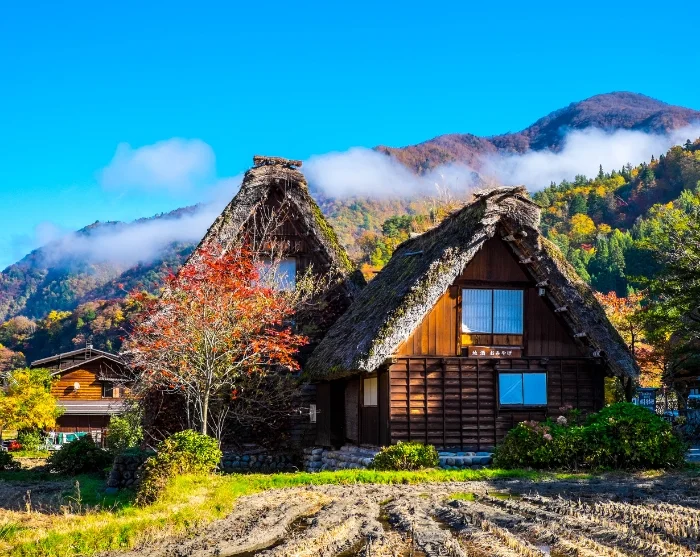
Your tour then continues to Kanazawa, where you’ll discover beautifully preserved geisha and samurai quarters, as well as one of the country’s most exquisite gardens, Kenrokuen. A trip to Shirakawa-go in the Japanese Alps offers a rare insight into life in times gone by and showcases traditional architecture with thatched-roof houses set amidst the mountain scenery.
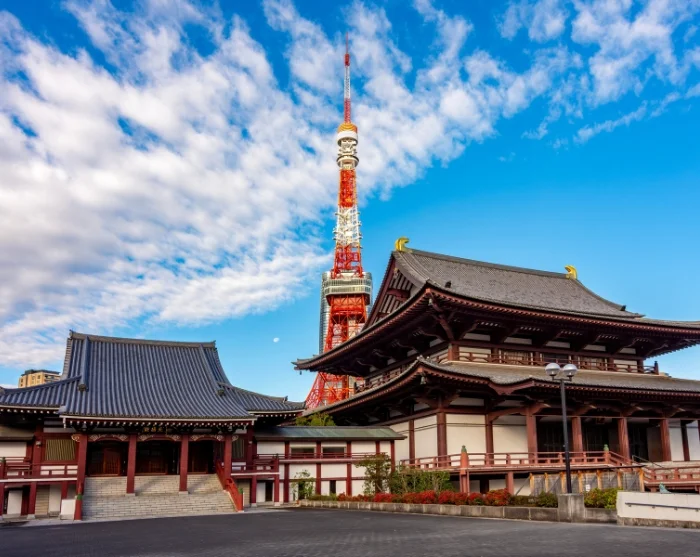
The final stop is Tokyo, where the pace changes once more. Here, you can explore everything from bustling neighbourhoods and striking modern architecture to peaceful areas with parks and shrines. The city truly has it all and stands as a vibrant symbol of Japan’s remarkable ability to unite the past and the present.
Today you’ll take your first step towards your Japanese adventure. Your departure will take place from your selected airport, with one or more connecting flights along the way.
Welcome to Japan, the Land of the Rising Sun!
After arriving at Osaka airport, you’ll pass through immigration and proceed to baggage claim. In the arrivals hall, your driver will be waiting with a sign and will ensure you get off to a smooth start on your Japanese adventure.
From the airport, your journey takes you to Osaka, a modern metropolis located about an hour’s drive away. Gradually, the city’s skyline begins to rise on the horizon as motorways, harbour areas, and dense residential districts pass by. Osaka is energetic, unpretentious, and full of character, and even during the drive, you’ll sense the city’s pulse, its raw pace, and its vibrant atmosphere.
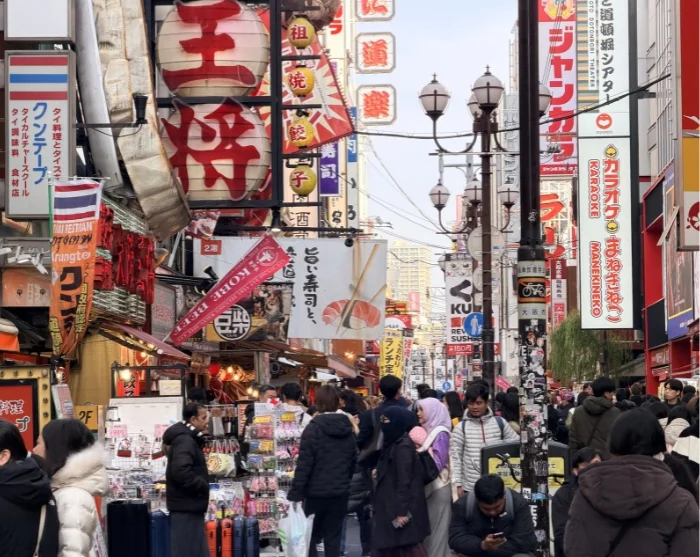
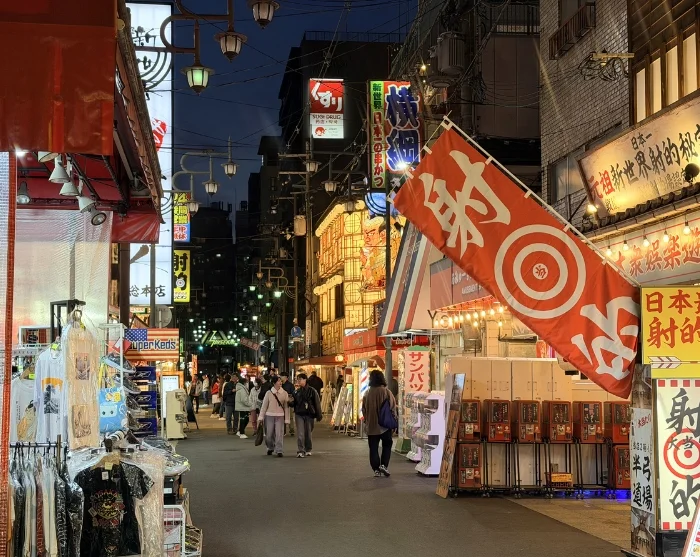
Upon arrival, you’ll check in at your hotel before unpacking and settling in, as the rest of the day is yours to spend as you wish. If you feel like it, take a short walk around the neighbourhood to stretch your legs after the journey. The streets are alive with energy, neon lights flash above you, and the aroma of grilled delicacies drifts out from small, open-fronted restaurants.
Osaka is also known as “the kitchen of Japan”, celebrated for its laid-back atmosphere and proud food culture. You’ll eat well wherever you go, making it the perfect place to begin your tour with a delicious experience before returning to the hotel to unwind after a day full of new impressions.
After breakfast, you’ll meet your guide in the hotel lobby for a welcome meeting designed to give you a smooth and reassuring start to your tour. The guide will go through the itinerary for the coming days, share practical information, and answer any questions you may have.
Next, an atmospheric walk awaits, taking you through some of the city’s most distinctive districts – areas celebrated for their vivid food culture and the many local specialities that define both the city’s character and its spirit.
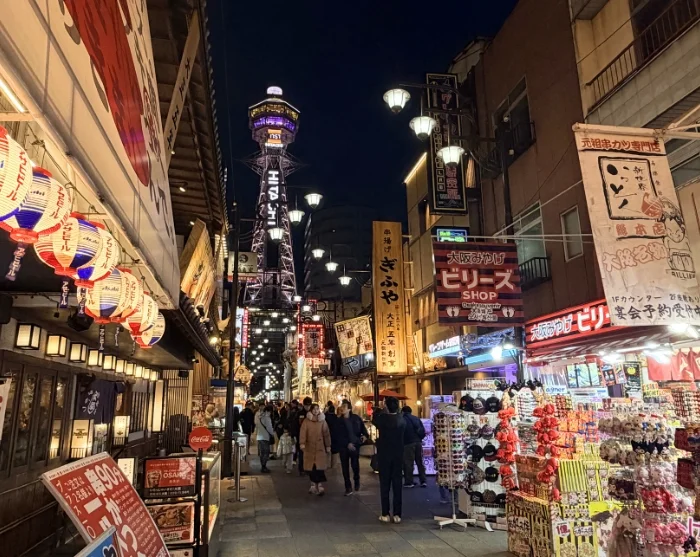
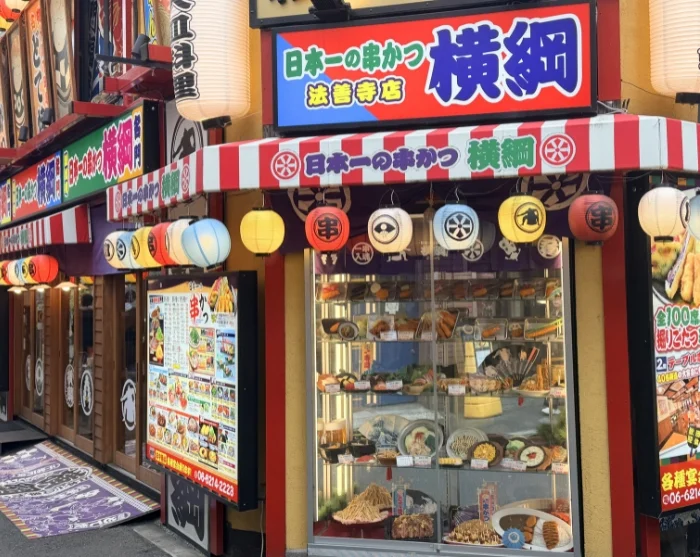
The tour will begin in the charming Shinsekai district, which, when it was built before the Second World War, was known as “The New World”. The area’s architecture and mood still reflect the fascination of the time with both Paris and New York, and its streets exude a nostalgic atmosphere of bygone days. Here, you’ll have the chance to taste golden kushikatsu skewers – available in both meat and vegetable versions – one of Osaka’s most beloved snacks.
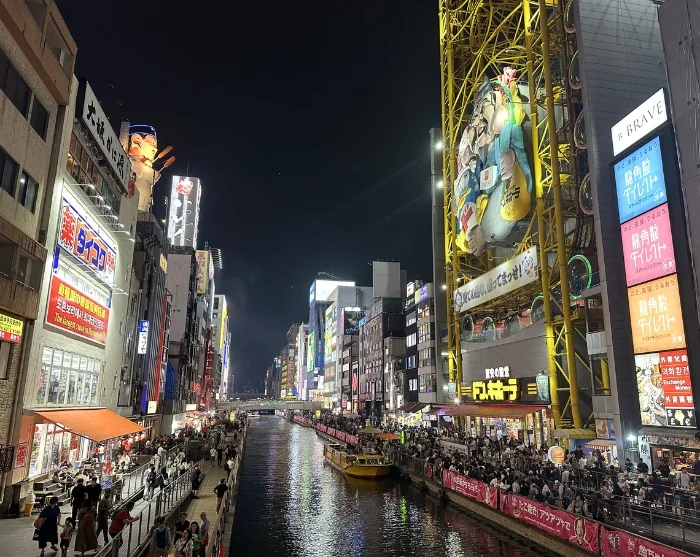
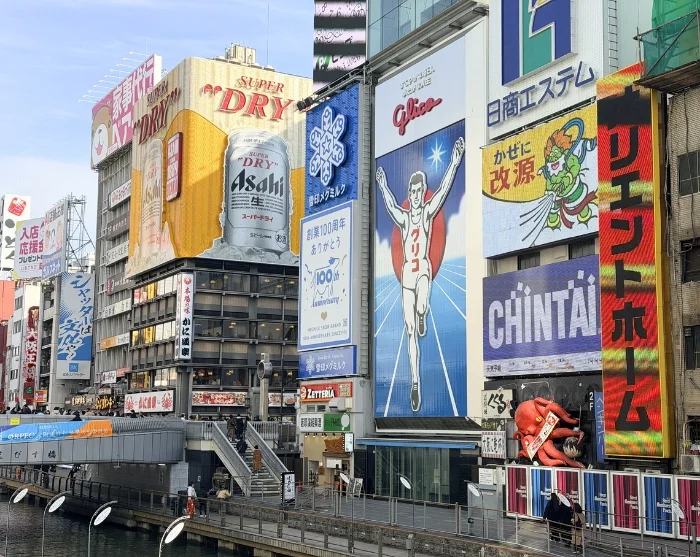
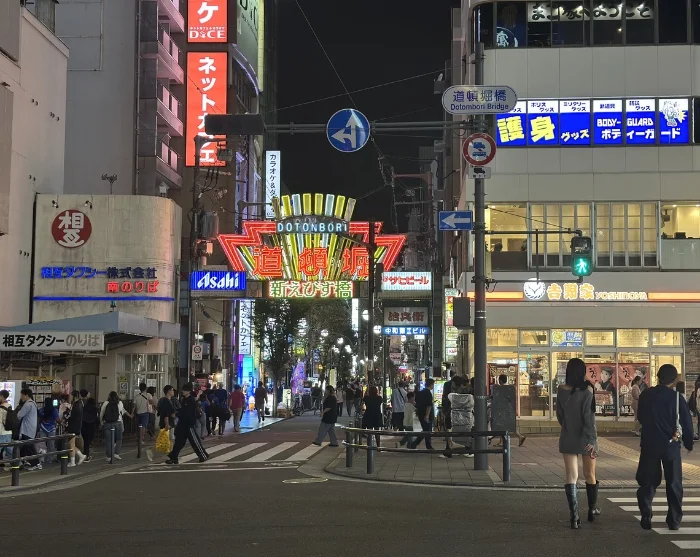
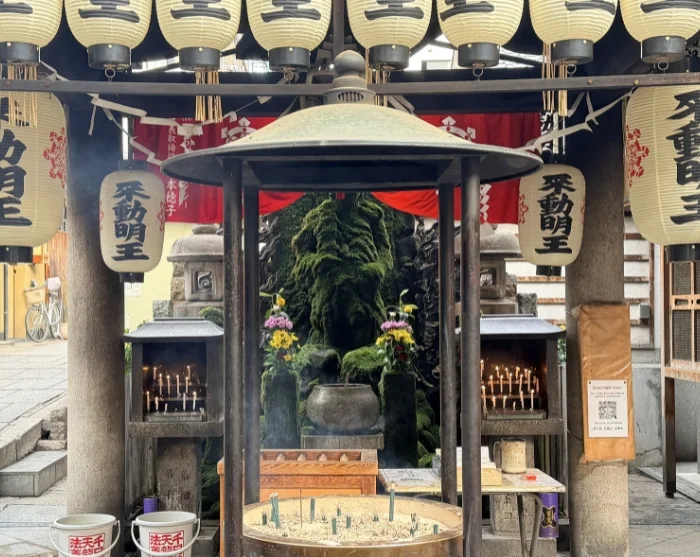
The walk then continues through Osaka’s lively city centre to the iconic Dotonbori, where neon lights, music, and billboards bring the streets to life, and the famous Glico Running Man stands as one of the city’s most recognisable landmarks. Your guide will also lead you down the narrow Hozenji Yokocho alley, where the moss-covered statue of Fudō Myōō is tucked away among cosy restaurants and small bars. Here, you’ll learn about the local custom of pouring water over the statue – a centuries-old gesture symbolising respect and purification.
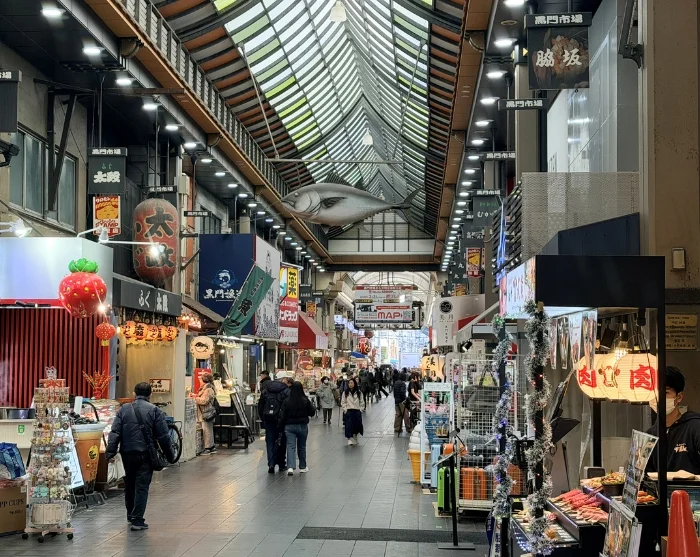
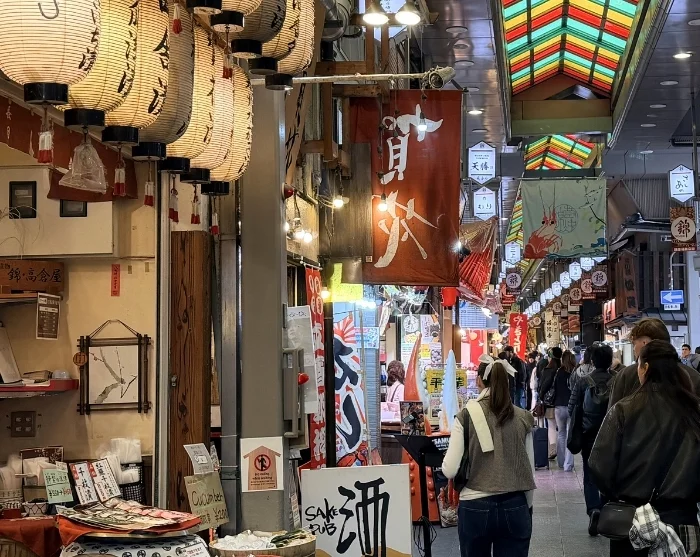
The culinary walking tour concludes at Kuromon Market, a lively food market filled with the aroma of freshly grilled fish, steaming soups, and beautifully arranged pastel-coloured fruits. Here, you’ll have the chance to sample crispy takoyaki stuffed with octopus before either continuing your own exploration or returning to the hotel with your guide.
The rest of the day is yours to spend as you wish. You might choose to relax or discover more of Osaka’s striking contrasts. Just a short stroll away lies the youthful Amemura district, buzzing with creative energy, or you can hop on the metro to reach the Umeda Sky Building, where the view from its floating observation deck stretches across the city’s glittering skyline.
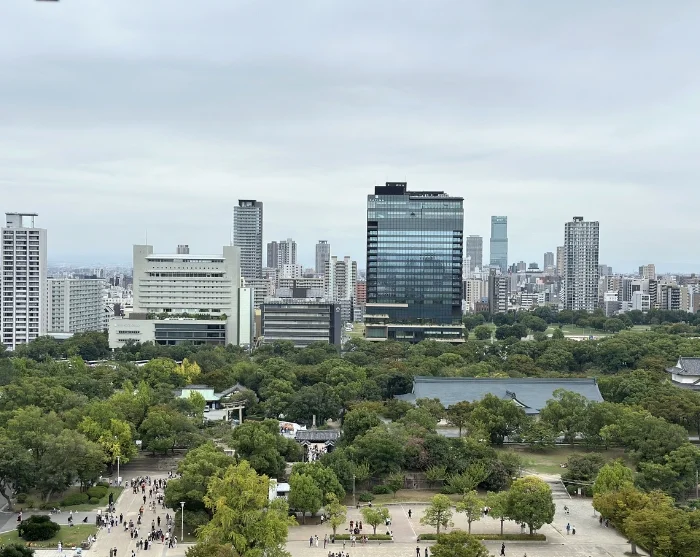
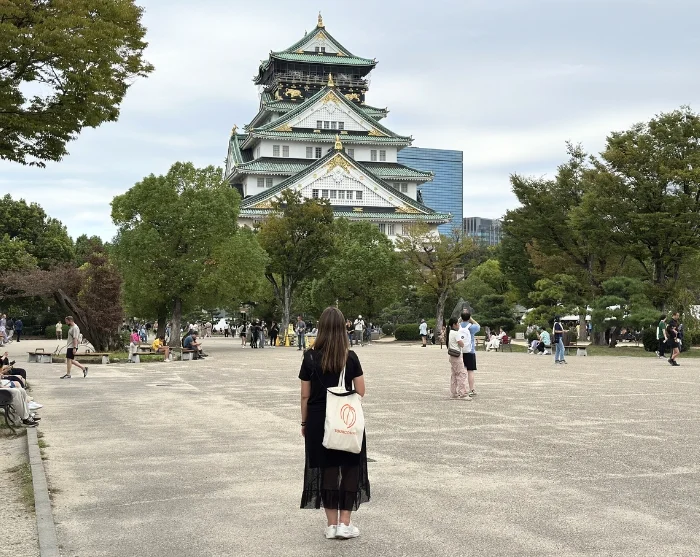
If you fancy it, you can also visit Osaka Castle and wander through the surrounding park, offering a fascinating glimpse into the city’s historical roots in the midst of a modern metropolis. If, on the other hand, you’re in the mood for some shopping, Shinsaibashi has everything from international brands to small local boutiques, while the Nakanoshima area—with its flowing river, museums, and green spaces—provides a calm contrast to the city’s vibrant heart.
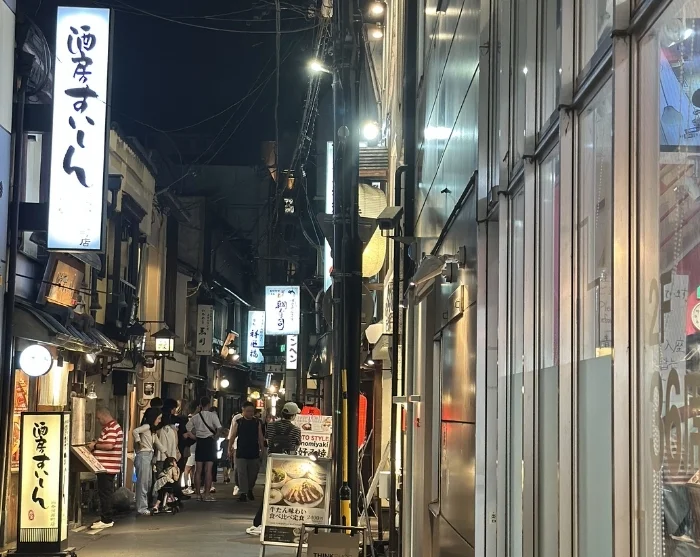
As evening falls, the neon lights are reflected in the Dotonbori Canal, and the restaurants buzz with life, laughter, and the clinking of glasses. You can wander among the many small izakayas and eateries, where the menu ranges from grilled skewers to steaming bowls of noodles. The atmosphere is relaxed and infectious, and it’s easy to be swept up in the city’s energy and zest for life.
After a good start to the day with breakfast, you’ll meet today’s guide, who will take you to Shin-Osaka Station, where you’ll board a local train bound for Japan’s first permanent capital, Nara.
Upon arrival at Nara Station, you’ll be escorted to your hotel to drop off your luggage before heading out on a tour of Nara’s old merchant district, Naramachi.
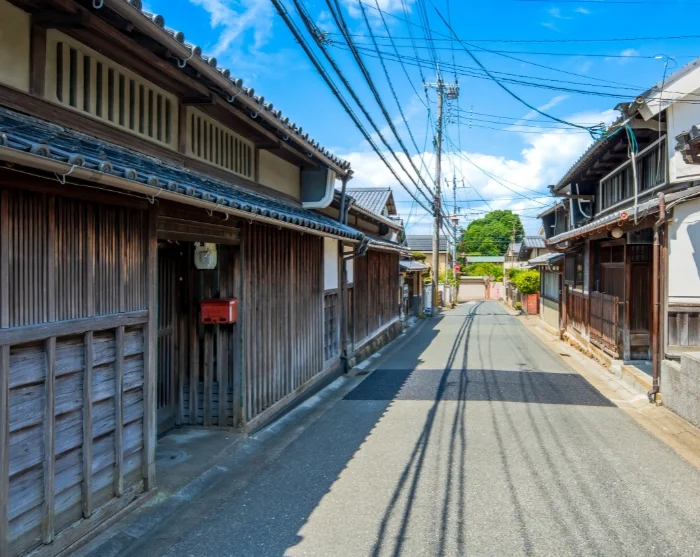
Here, you’ll stroll through narrow streets lined with beautifully preserved wooden houses that tell the story of the area’s past as a trading centre. Along the way, your guide will share engaging stories about the district’s evolution, the significance of its trading culture, and everyday life in old Nara – offering a deeper insight into the local culture and traditional architecture. You’ll pass small speciality shops, charming cafés, and little museums where history still feels present. The atmosphere is peaceful and authentic, inviting you to explore at a leisurely pace.
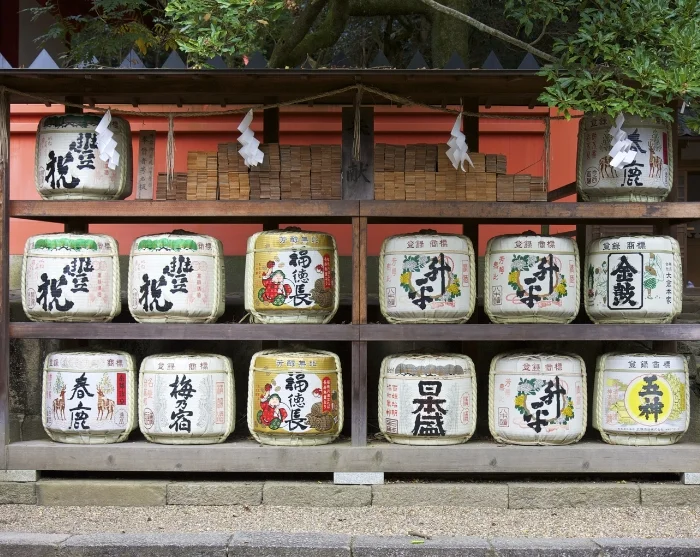
You’ll also visit a local sake brewery, where you’ll be introduced to the history of the drink and its cultural importance in Japan. You’ll gain insight into the traditional brewing process and have the chance to sample a variety of different types. Here, you’ll experience how flavour, aroma, and character vary from one brew to another, while the stories told bring the experience together and deepen your appreciation of this proud tradition.
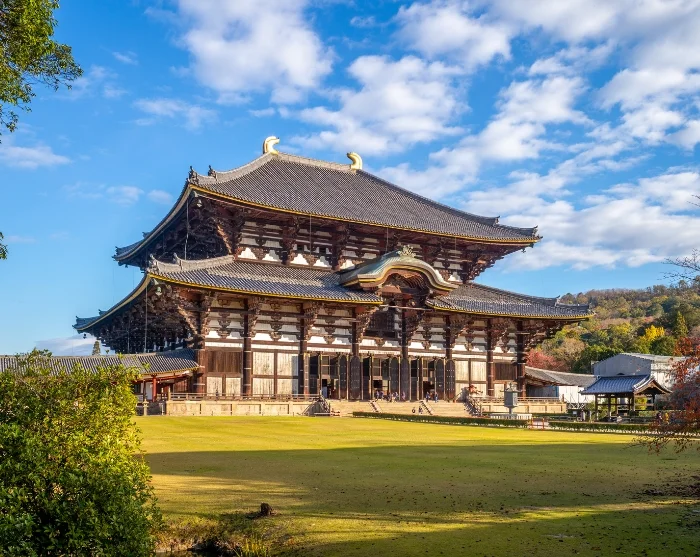
The rest of the day is free for you to spend as you wish. With Naramachi’s charming cafés nearby, it’s the perfect opportunity to stop for lunch before taking a short stroll to Nara Park later in the afternoon. The landscape opens up with lush lawns, ancient trees, and freely roaming deer moving calmly among visitors. The park is home to some of Nara’s most iconic attractions, including the impressive Todai-ji Temple with its enormous bronze statue of Buddha.
In the evening, Nara reveals its true character as the day-trippers return to Kyoto and Osaka. The pace slows, and you’ll have time to experience the city at your own rhythm. Seek out one of the small restaurants or izakayas, where you can enjoy anything from freshly made sushi and tempura to warm noodle dishes or Nara’s own speciality, kakinoha-zushi – sushi delicately wrapped in persimmon leaves.
Today is yours to spend as you wish, giving you the perfect opportunity to experience even more of Japan’s first permanent capital – a city where history, nature, and spirituality blend seamlessly together.
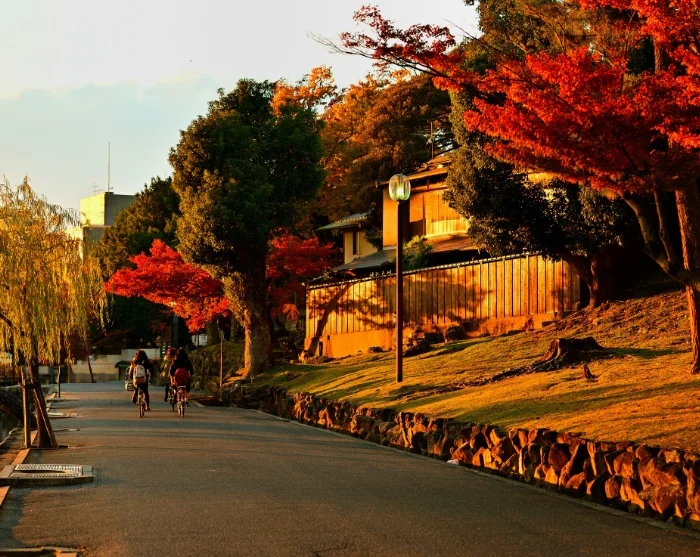
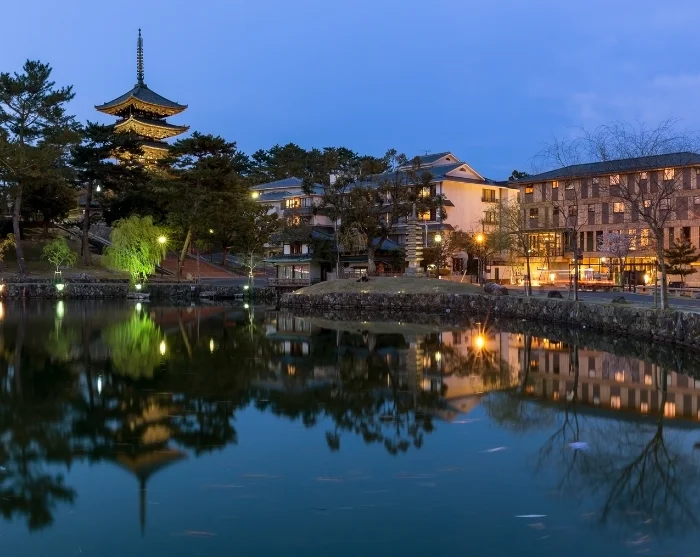
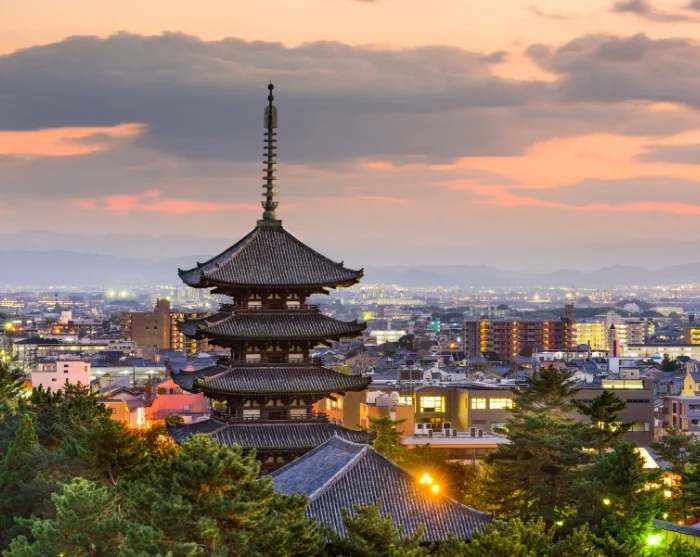
Even if you visited Todai-ji Temple and Nara Park yesterday, it’s well worth returning early to soak up the atmosphere before the day-trippers arrive. Wander along the park’s pathways, enjoy its laid-back charm and perhaps buy some of the famous deer biscuits that make you a favourite among the curious animals. In the same area, you’ll also find Kōfukuji Temple with its distinctive pagoda, as well as the Kasuga Taisha Shrine, where hundreds of lanterns guide you along wooded trails.
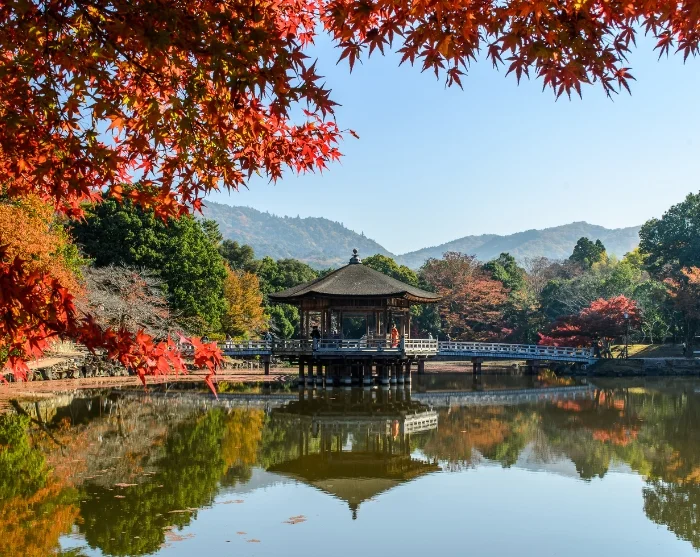
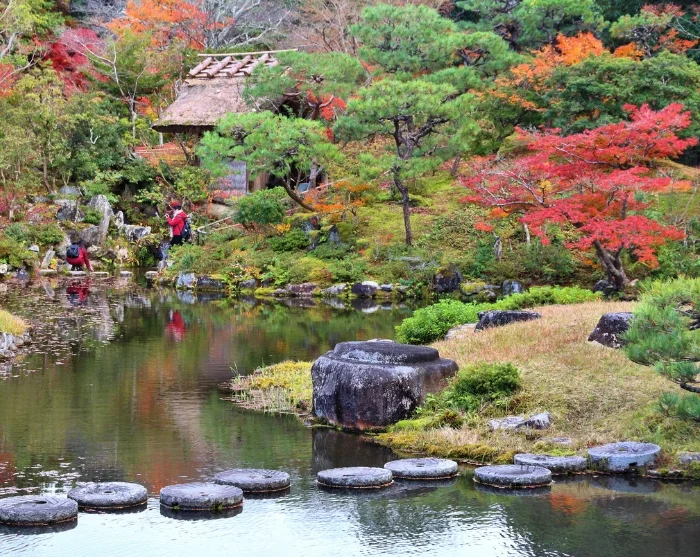
You could also head to the Isuien or Yoshikien Gardens, where carefully designed paths, tranquil streams, and meticulously composed landscapes create a peaceful retreat. Here, you can experience Japanese garden art at its most harmonious and let a deep sense of calm wash over you as the seasons shift their colours.
If you’re eager to explore further, venture beyond the city centre to visit some of Japan’s oldest and most significant temples, such as Horyuji, Yakushiji, and Toshodaiji, each offering a glimpse into the country’s early Buddhist history. Alternatively, you might prefer to hike up Mt. Wakakusa and into the protected Kasuga Primeval Forest, where nature envelops you and the views over Nara make every step worthwhile.
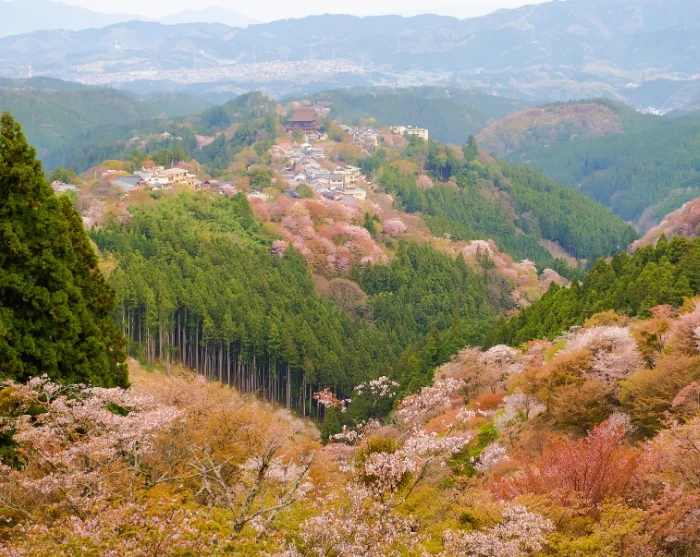
You can also experience some of Japan’s most beautiful scenery on a full-day excursion to the UNESCO-listed Mt. Yoshino. A short cable car ride takes you through forested slopes that change character with the seasons. Here, you can visit the impressive Kinpusenji Temple, one of Japan’s largest wooden buildings and a significant centre for Shugendo practice. The area is ideal for peaceful hikes along mountain trails dotted with small temples, local shops, and viewpoints that are particularly breathtaking during the cherry blossom season or the autumn foliage.
Back in Nara, you can round off the day in the lively streets around Mochiidonocho and Higashimuki, where you’ll find small shops, cafés, and local eateries. As darkness falls, the streets grow quieter, lanterns cast a soft glow over historic buildings, and the atmosphere becomes wonderfully intimate and authentic. It’s the perfect opportunity to enjoy a relaxed meal, take one last stroll through the old quarters, and let the impressions of the day settle.
The day starts early, as you’ll make your own way to Nara Station, from where a local train will take you to Kyoto.
Upon arrival in Japan’s ancient imperial city, your guide will be waiting on the platform to help you find your way to your hotel, where you can safely and securely leave your luggage.
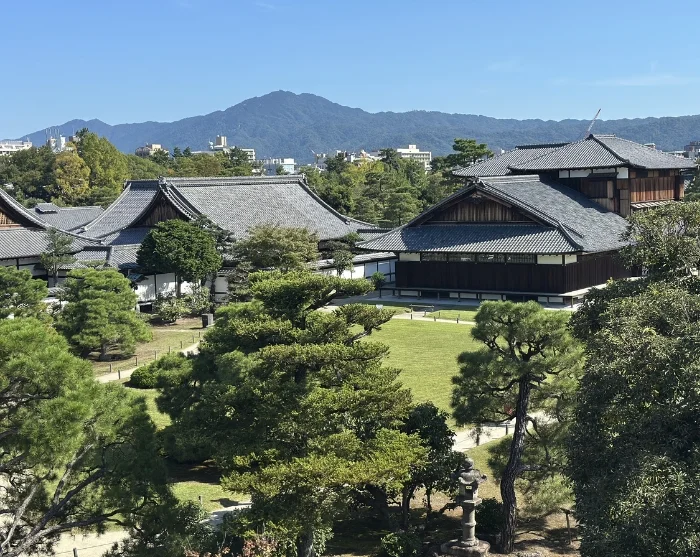
You’ll then head to Nijo Castle, built by the founder of the Edo shogunate. The castle is surrounded by beautiful gardens and is renowned for its distinctive architecture, richly decorated sliding doors, and its famous “nightingale floors”, which chirp when walked upon. These floors were originally designed as a security measure, allowing the inhabitants to hear intruders approaching.
From the echoes of history, you’ll continue on to the Nishiki Market, a narrow shopping street with more than 100 small shops and eateries. Rightly known as “Kyoto’s kitchen”, the market overflows with everything from fresh fish and pickled vegetables to sweet treats and local delicacies. It’s a vibrant and atmospheric place, an ideal spot for a light lunch arranged by your guide, while giving you a wonderful insight into the ingredients and flavours that characterise Japanese cuisine.
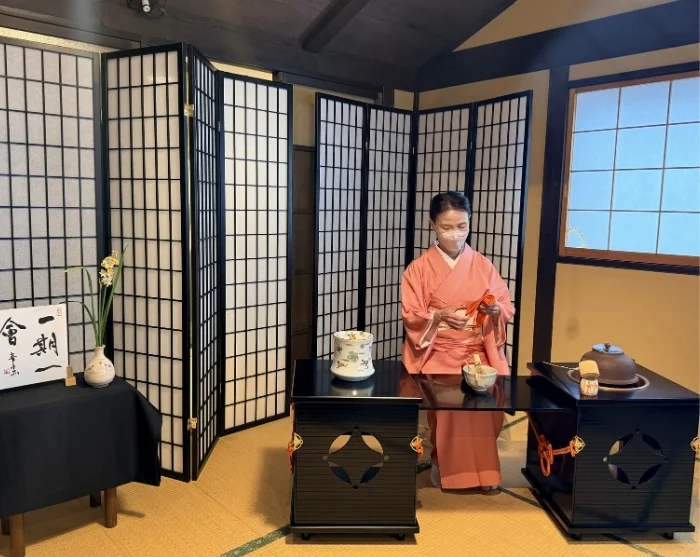
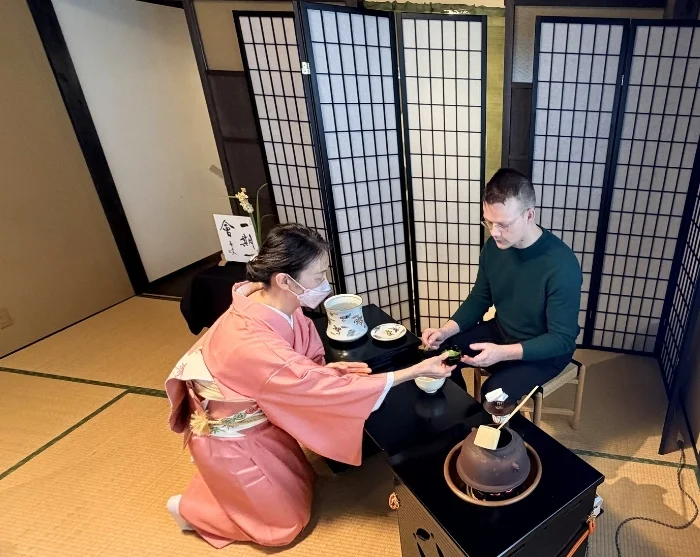
Today’s cultural highlight is undoubtedly taking part in a traditional tea ceremony, offering a unique insight into some of Japan’s oldest customs. In calm and intimate surroundings, you’ll first be served a small Japanese snack before watching the skilled tea master of the house prepare traditional Japanese matcha tea with great precision and respect for every detail of the craft. You’ll taste the freshly whisked tea and be introduced to the graceful movements and symbolism behind the ritual. Under careful guidance, you’ll then have the chance to whisk your own bowl of matcha until it becomes delicately frothy and bright green. This centuries-old ritual provides a profound glimpse into Japanese aesthetics, mindfulness, and the reverence for detail.
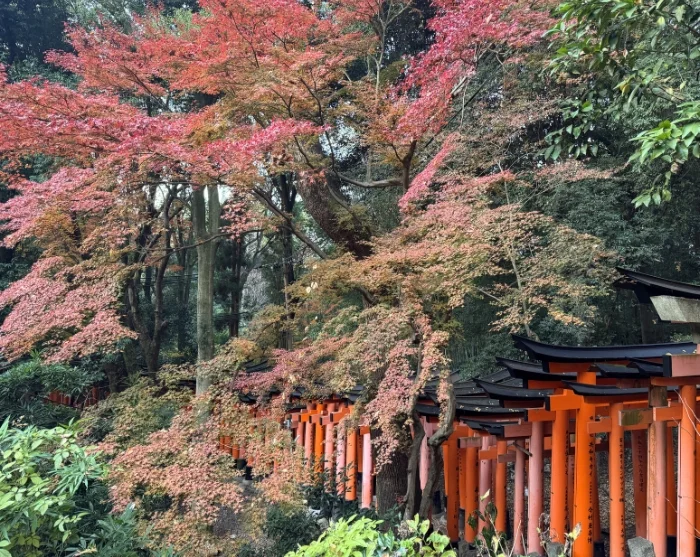
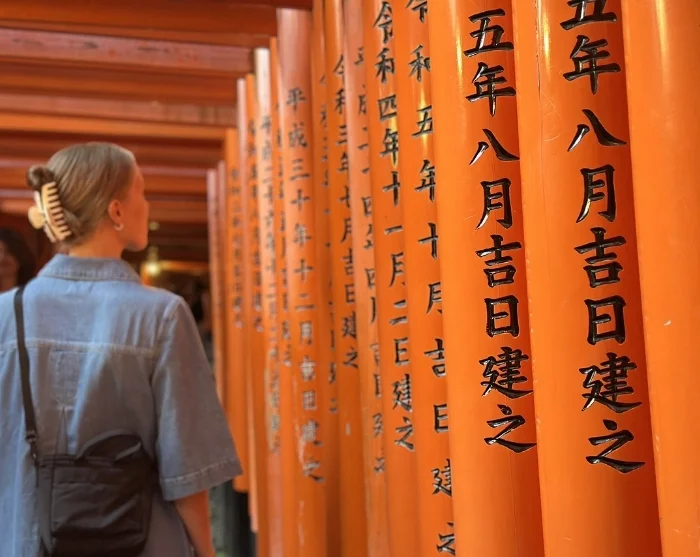
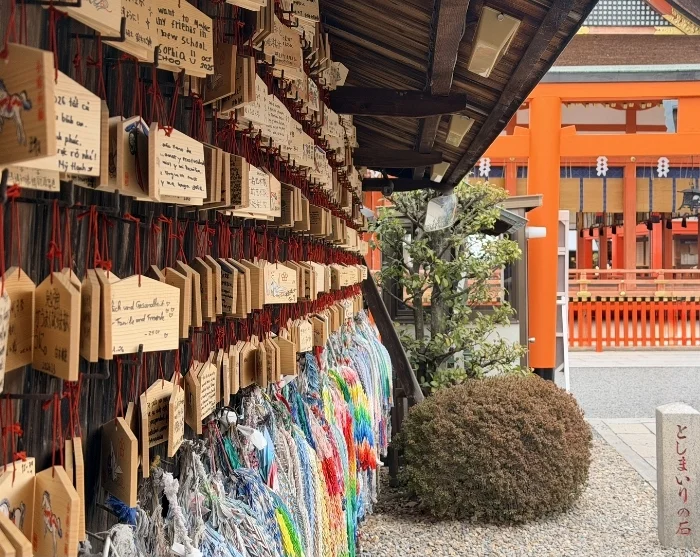
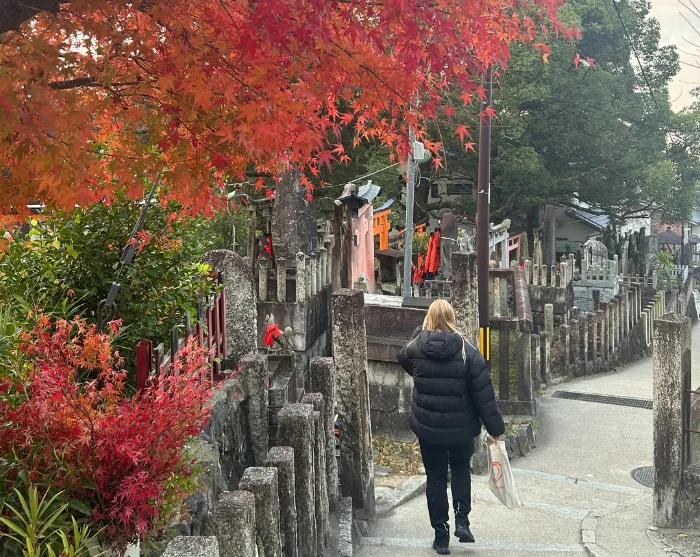
After the ceremony, the afternoon is yours to spend as you wish. The area around the teahouse is more local and tranquil than the city centre, giving you a feel for everyday life in peaceful contrast to the busier neighbourhoods. If you wish, you can take the train a few stops south to the Fushimi Inari Shrine, famous for its thousands of vermilion torii gates that wind their way up the mountainside. Stroll through the iconic gateways and soak up the sacred atmosphere before making your way back towards the heart of the city.
Spend your evening soaking up Kyoto’s unique atmosphere and settling into one of the city’s many excellent restaurants. You might be tempted by local obanzai dishes, which you can enjoy in a cosy setting overlooking the softly lit streets – a charming way to end the day.
Kyoto is brimming with temples, shrines, and enchanting neighbourhoods, and with no planned activities today, you are free to explore the city exactly as you wish. You can take inspiration from the suggestions below or join one of our carefully selected optional tours.
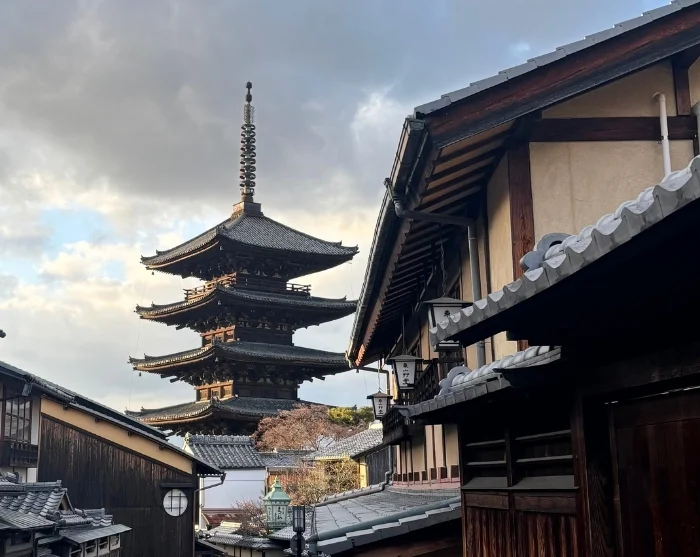
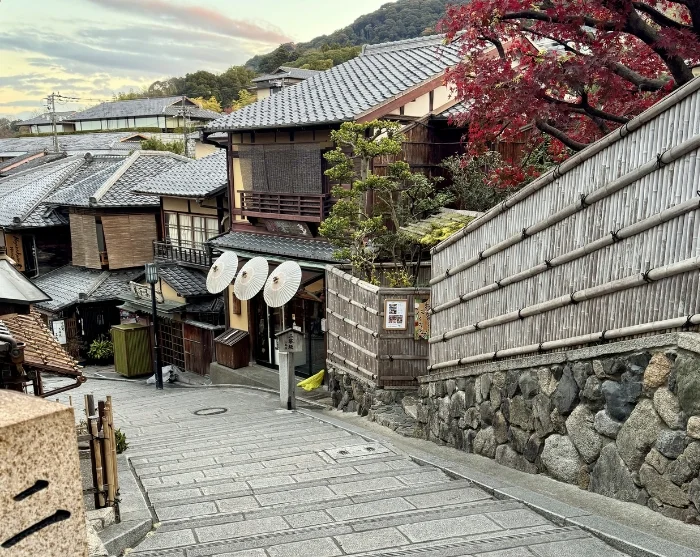
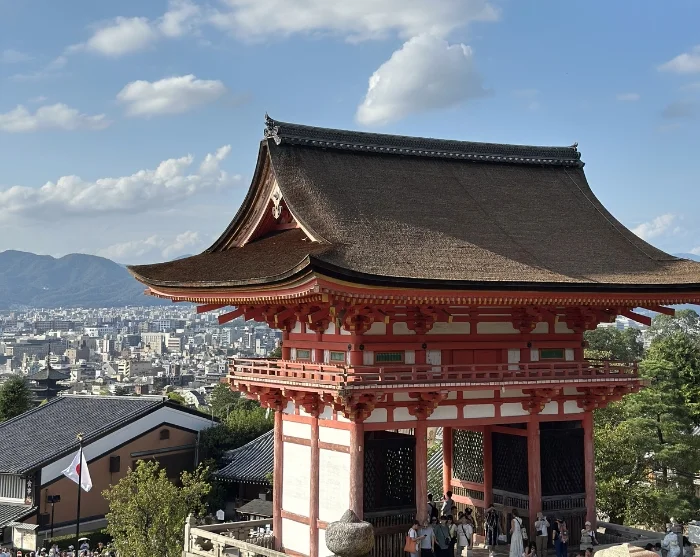
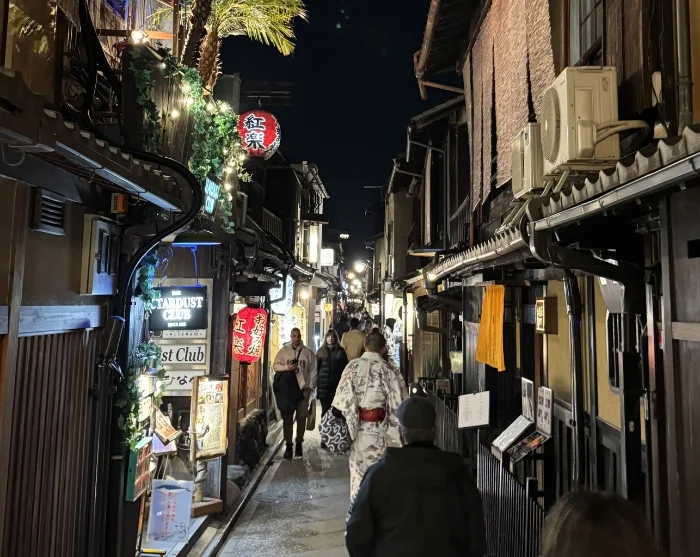
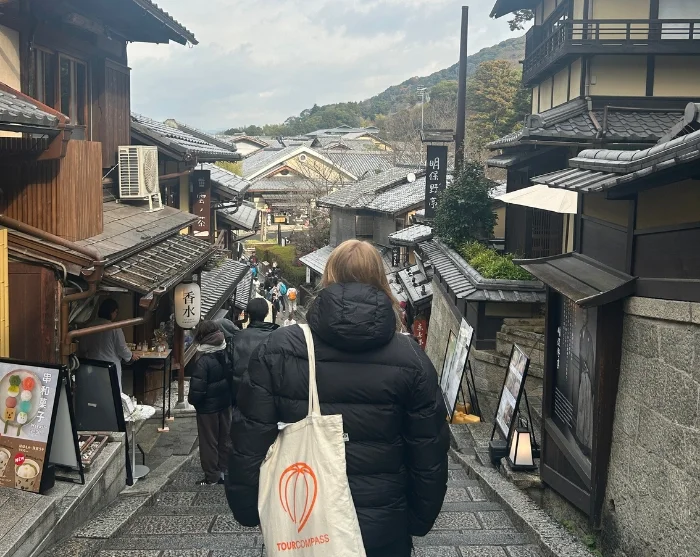
A great place to start is the Kiyomizudera Temple in eastern Kyoto, best experienced early in the morning. See how this iconic landmark seems to hover dramatically on its wooden terrace overlooking the city before continuing through the narrow streets of the delightful Higashiyama district. Here, traditional wooden houses, small shops, and teahouses create a magical atmosphere that evokes the spirit of old Japan. Visit Kōdaiji Temple with its elegant Japanese garden, and enjoy the tranquil surroundings of Yasaka Shrine and nearby Maruyama Park before ending your tour in the refined geisha quarter of Gion.
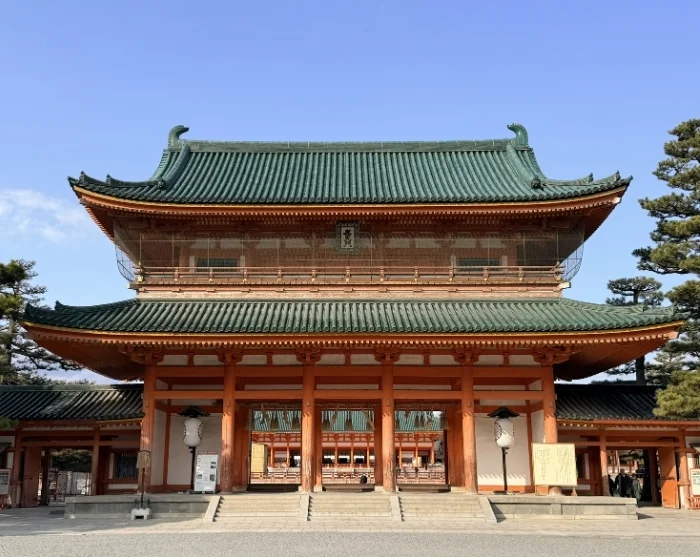
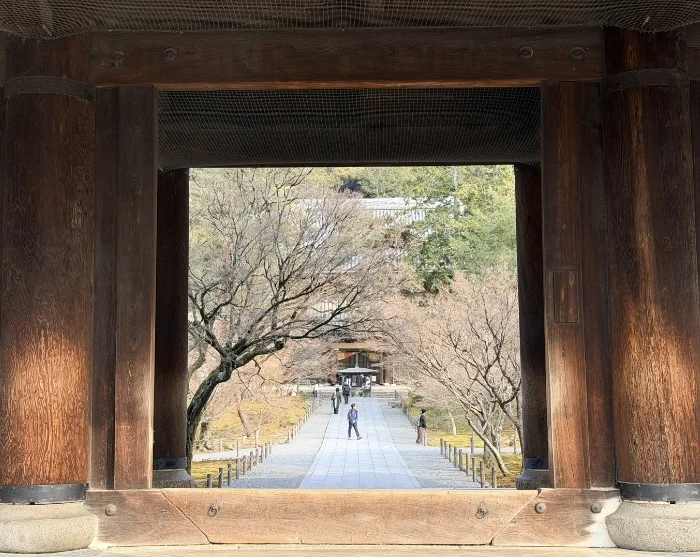
From here, you can take the bus northeast to one of Kyoto’s most iconic attractions, Ginkaku-ji Temple, also known as the Silver Pavilion. Soak up the temple’s simple elegance and poetic charm before continuing along the Philosopher’s Path – an idyllic walkway running beside a narrow canal lined with cherry trees. The path links several smaller temples and ends at one of Kyoto’s most significant Zen temples, Nanzen-ji, which is well worth a visit in its own right. From here, you can carry on to the Heian Jingū Shrine, famous for its grand torii gate and tranquil garden.
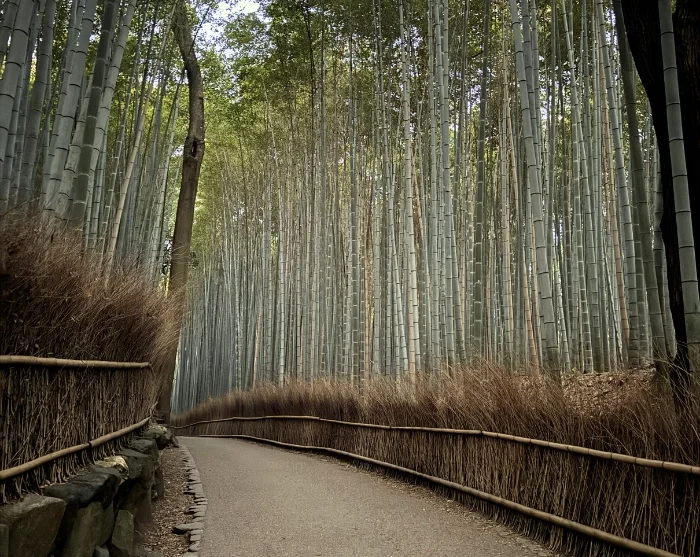
If you’d like to discover a different side of Kyoto, you can instead take public transport west to Arashiyama and visit Tenryu-ji Temple, renowned for its classical garden and stunning views of the lush green hills. Here, you can also stroll through Arashiyama’s famous bamboo grove, where towering bamboo stalks form peaceful, light-filled corridors. Also worth exploring is the charming Saga Toriimoto district, with its beautifully preserved houses and inviting narrow streets.
Although Kyoto is home to many well-known attractions, it’s also worth putting the guidebook away for a while and simply letting your eyes and curiosity lead you through the city’s streets. Often you’ll discover unique moments hidden in the quieter side roads – from small, characterful taverns and boutiques to sacred mini-temples that play an important part in locals’ daily lives.
When night descends, you’ll have another chance to discover Kyoto’s culinary side. Perhaps you’ll be tempted by a cosy little restaurant serving the city’s refined kaiseki dishes, where each course is presented like a miniature work of art, or maybe a more casual izakaya appeals to you, offering grilled specialities and a cup of sake.
Your day will begin with breakfast, followed by half a day at leisure to explore as you wish.
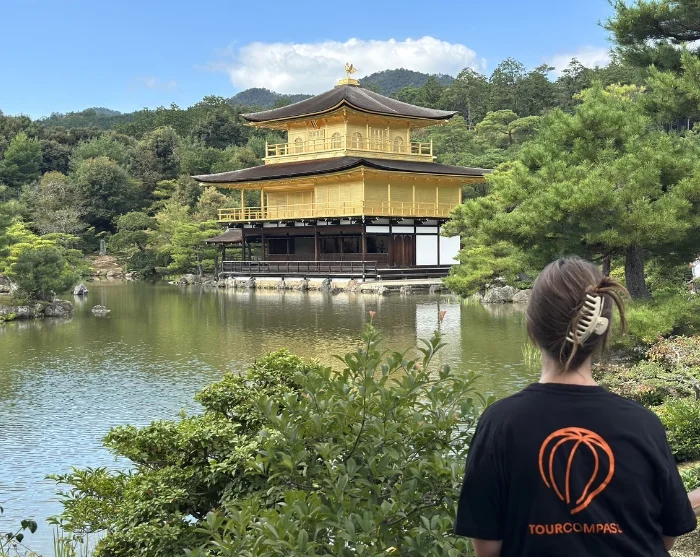
If you’re an early riser, you might have time to visit two of Kyoto’s most famous attractions. Using public transport, you can head north-west to the celebrated Kinkaku-ji Temple, also known as the Golden Pavilion. Its shimmering golden façade is beautifully reflected in the still surface of the pond, making it one of the city’s most iconic sights. Here, you can follow the carefully designed pathway through the surrounding gardens, framed by the vibrant colours of the changing seasons.
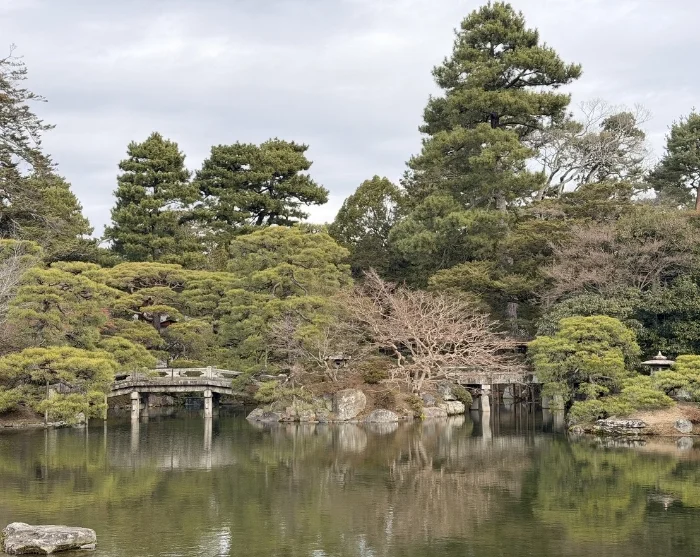
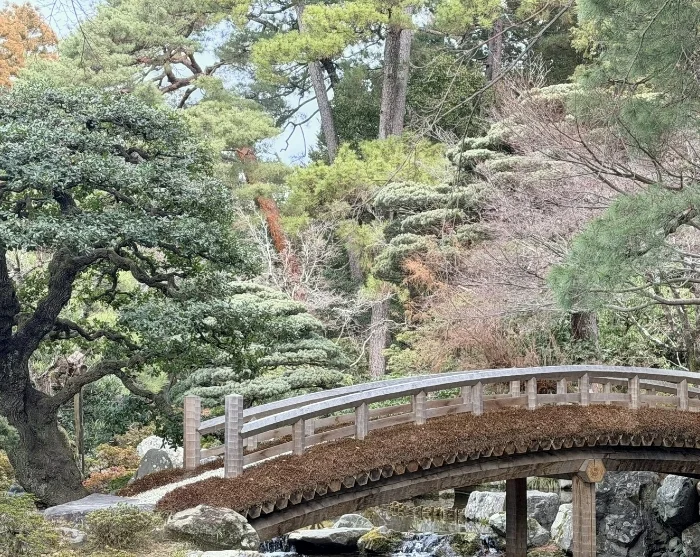
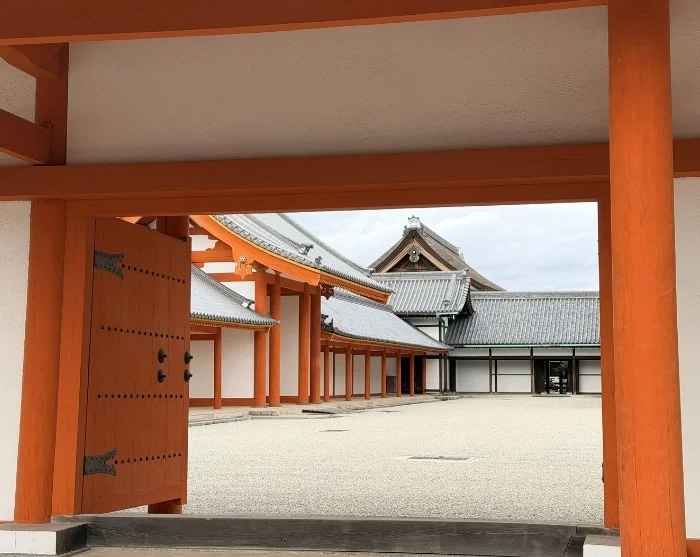
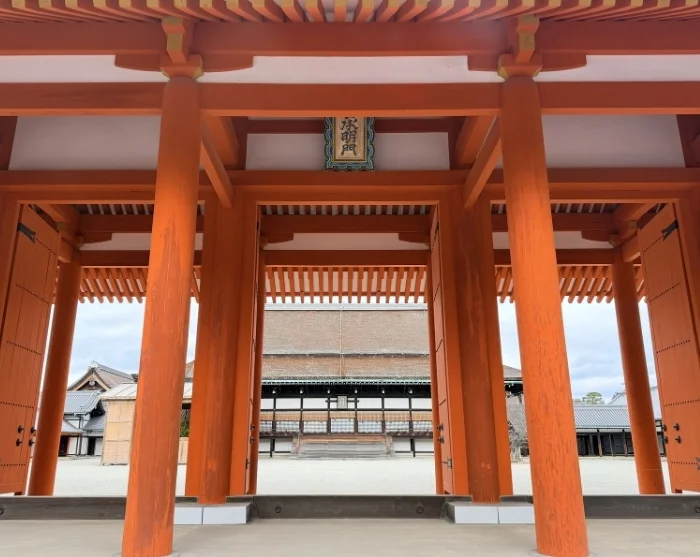
From here, you can carry on by bus to Kyoto’s former Imperial Palace, surrounded by an impressive park that is well worth a visit in its own right. If you have a smartphone, you can access a free and informative audio guide that shares stories about the palace and the imperial family’s history as you stroll along the park’s broad gravel paths and admire the beautifully landscaped ponds in the heart of the ancient imperial city.
Before your train journey in the afternoon, you can either find a place for lunch or do as many Japanese people do – buy a bento box to take along for the trip. These neatly arranged little dishes are a treat in themselves and a perfect opportunity for one last taste of Kyoto.
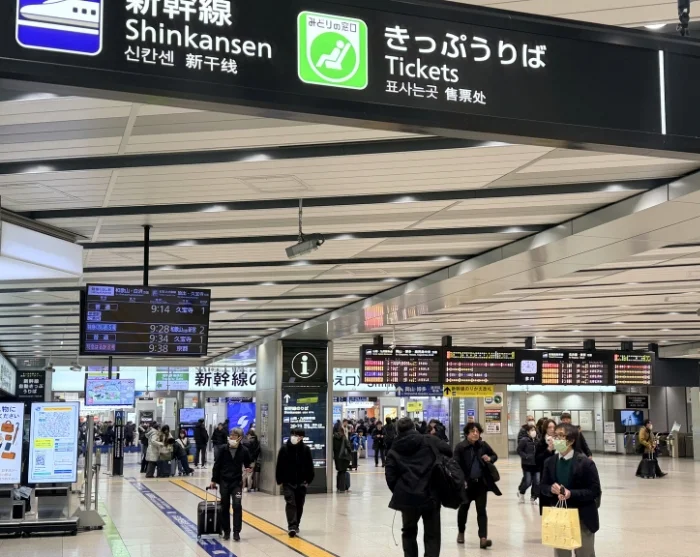
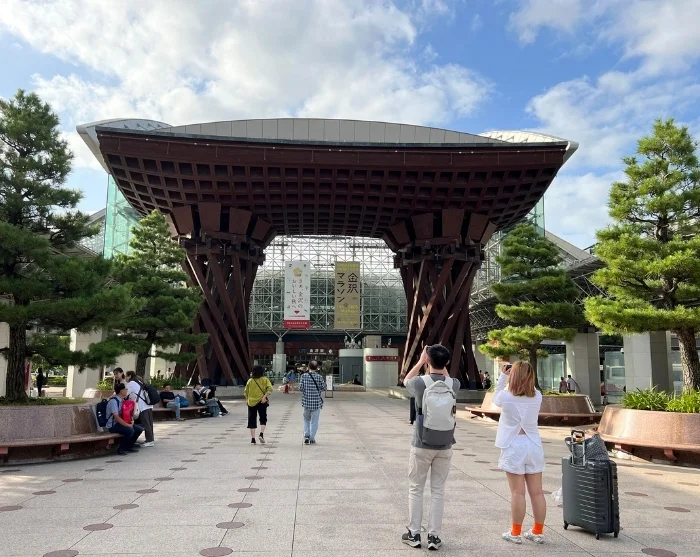
Afterwards, make your own way to Kyoto Station, where first a local train and then Japan’s famous high-speed train, the Shinkansen, will take you to Kanazawa with a change in Tsuruga.
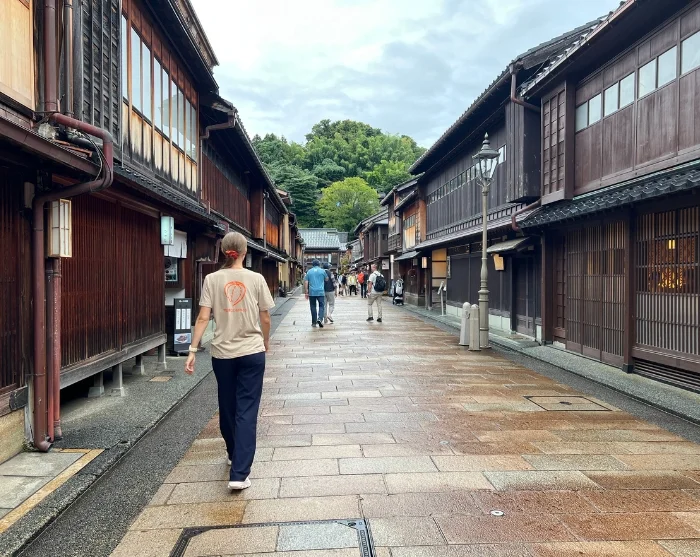
After checking in at your hotel, you have the evening free to explore the city, often described as “Little Kyoto”. Like its namesake, Kanazawa has managed to preserve its historic charm, with its well-kept samurai districts, teahouses, traditional wooden buildings, and a unique atmosphere that clearly reflects the elegance of a bygone era.
As you have probably already discovered, Japanese cuisine varies from region to region, and Kanazawa is no exception. The city is known for its fresh ingredients from the Sea of Japan and is particularly famous for top-quality sushi and sashimi. You can also try the local speciality, jibuni – a simmered dish of duck and vegetables with a flavour that captures the region’s culinary sophistication. Wander through the narrow side streets and you’ll find an abundance of cosy izakayas and restaurants, where the ambience invites you to slow down and savour both the food and Kanazawa’s sense of calm.
Breakfast always tastes better when there’s an exciting day ahead – and today is no exception.
In the hotel lobby, you’ll meet your guide, who will take you by bus to the historic mountain village of Shirakawa-go, listed on the UNESCO world heritage list. On the way, you can enjoy the scenic drive through the Japanese Alps, where small villages and the passing seasons colour the forested slopes.
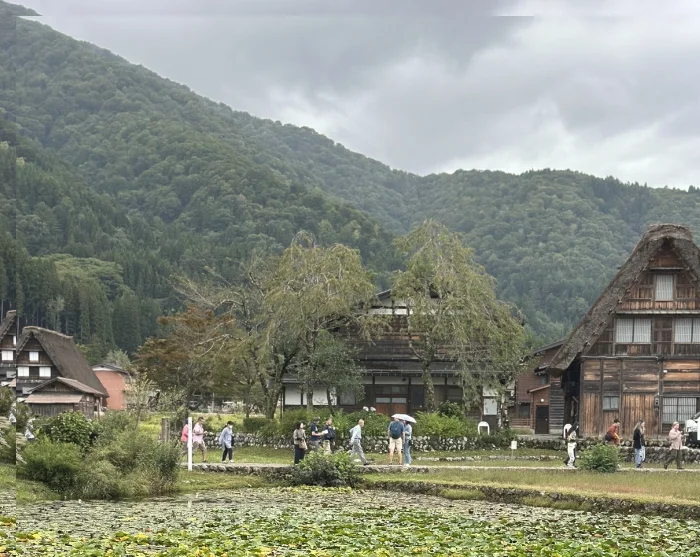
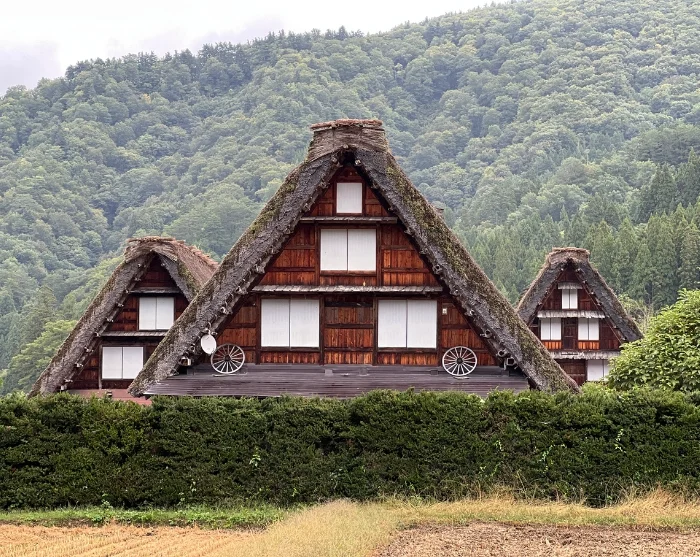
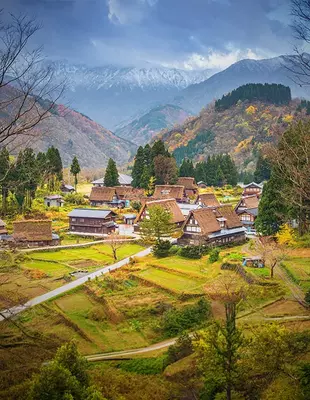
Upon arrival in Shirakawa-go, it’s hard not to be captivated by the village’s fairy-tale atmosphere. Scattered across the peaceful landscape are traditional farmhouses with steep thatched roofs, designed to withstand the heavy winter snowfalls of the region. These farmhouses are known as gassho-zukuri, meaning “hands in prayer”, as the unique roof design resembles hands folded in prayer.
As you wander through the village, it feels as though you’ve stepped back in time. You’ll gain an insight into the rural way of life that has shaped the area for generations and visit one of the village’s largest and best-preserved farmhouses. Once home to a local doctor, the house now stands as a living example of the region’s traditional architecture and lifestyle. Inside, you can explore the original rooms, tools, and structures that tell the story of everyday life in the Alps.
Afterwards, you’ll have some free time to explore the village further at your own pace. Perhaps take a short walk to one of the viewpoints offering panoramic vistas over the distinctive rooftops, or pop into one of the small shops selling local delicacies and crafts. You could also settle down at one of the charming cafés with a cup of coffee or a sweet treat before heading back towards Kanazawa.
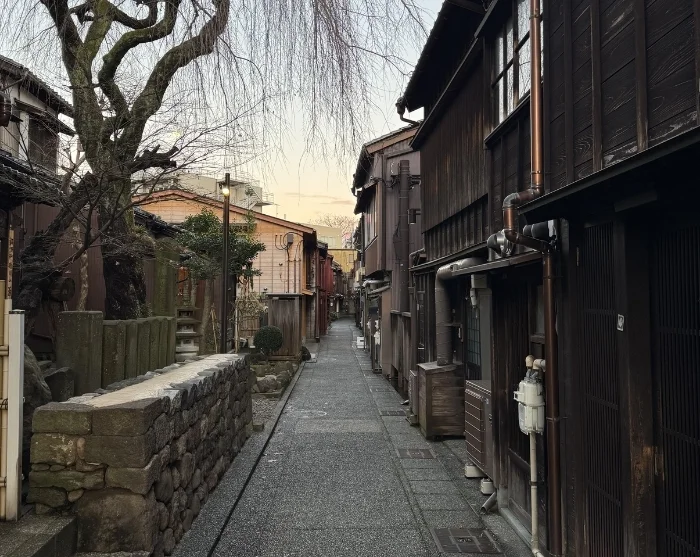
If you still have the energy, end your day with a stroll through Kanazawa’s historic geisha quarter, the Higashi Chaya district. As night falls, the narrow streets are softly illuminated by lanterns, and the beautifully preserved wooden houses from the Edo period create a wonderfully atmospheric setting for the evening. Here, everything slows down, and the calm, elegant ambience makes you feel as though you’ve stepped back in time. You might catch the faint sound of music behind a sliding door or glimpse the silhouette of a geisha on her way to an evening engagement, as the city gradually settles for the night.
After breakfast, you’ll have a couple of hours at your leisure before the tour continues towards Tokyo by Shinkansen.
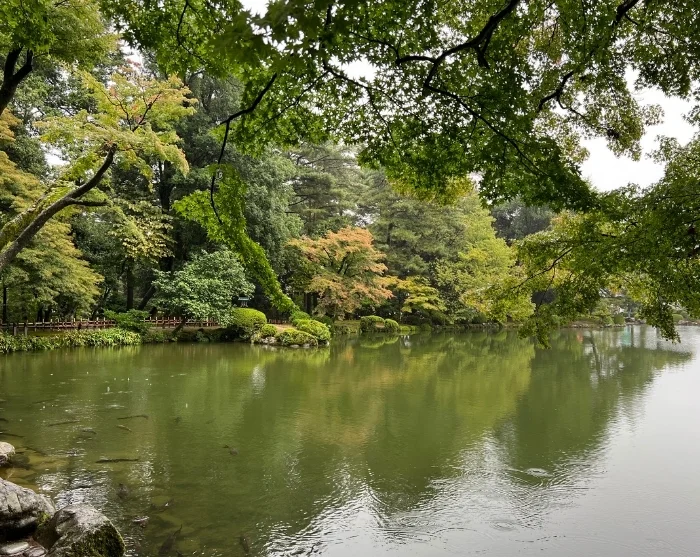
If you’re an early riser, Kanazawa’s efficient bus network makes it easy to visit some of the city’s highlights. In Kenrokuen, one of Japan’s most celebrated gardens, you can experience a peaceful morning atmosphere surrounded by natural beauty. Wander through a harmonious landscape of small ponds, stone lanterns, tea pavilions, and meticulously pruned trees, where every detail reflects care and artistry. The garden transforms with the seasons, offering new hues, scents, and moods throughout the year.
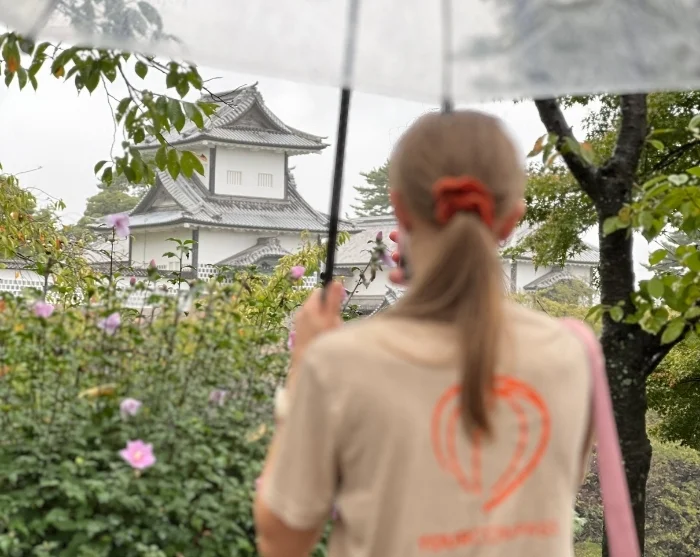
Next to Kenrokuen lies Kanazawa Castle, once the seat of the powerful Maeda clan. Its whitewashed walls and impressive gates tell stories of the city’s samurai heritage. You can explore the castle grounds and the reconstructed buildings, where traditional craftsmanship techniques remain on display. Together, the garden and the castle offer a vivid insight into Kanazawa’s distinguished past, best enjoyed at a relaxed pace throughout the morning.
Enjoy lunch at the popular Omicho Market before making your own way to Kanazawa Station, where the Shinkansen whisks you towards Tokyo with impressive precision and speed. Sit back, relax, and watch the landscape drift past as a new chapter of your tour begins in Japan’s vibrant capital.
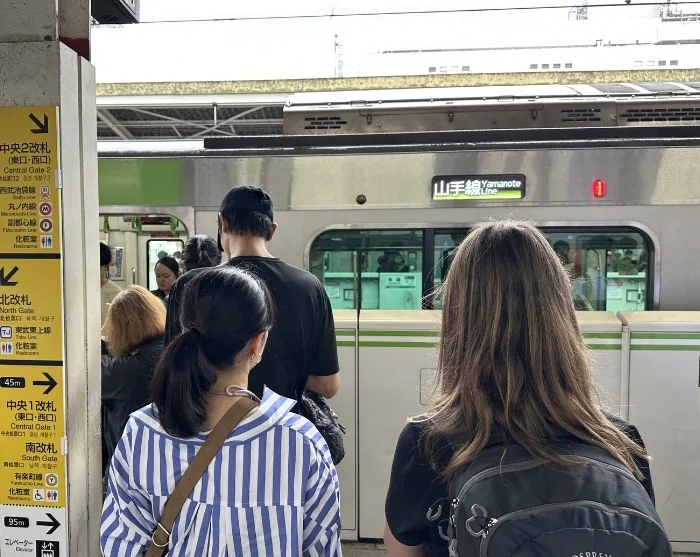
Upon arrival at Tokyo Station, you’ll step into one of the busiest transport hubs in the world. From here, make your own way to your hotel by metro or local train. Although it may seem overwhelming at first, the system is both efficient and highly organised. In many ways, the experience encapsulates everything Japan is known for, especially in Tokyo – scale, order, and remarkable precision.
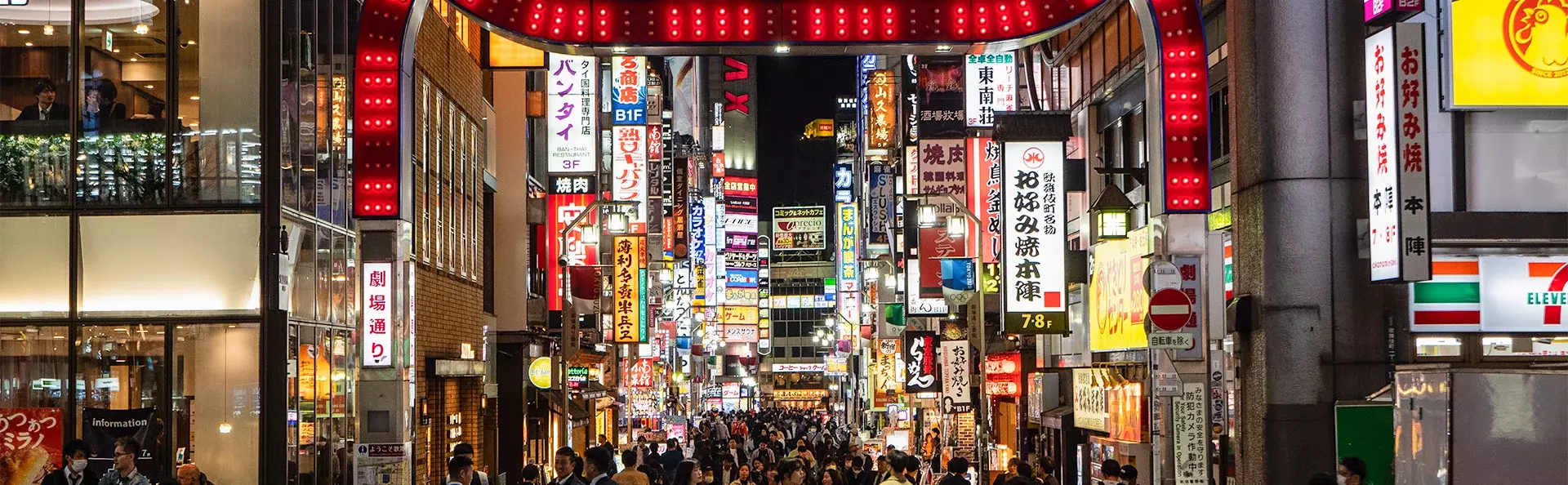
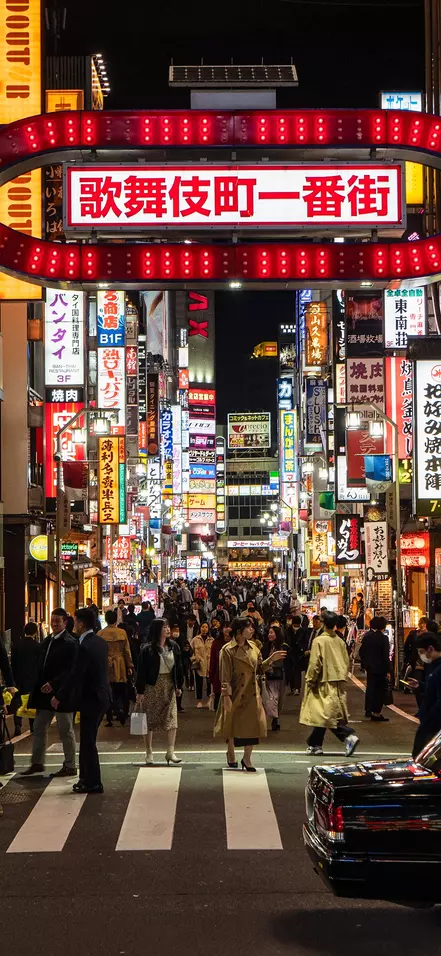
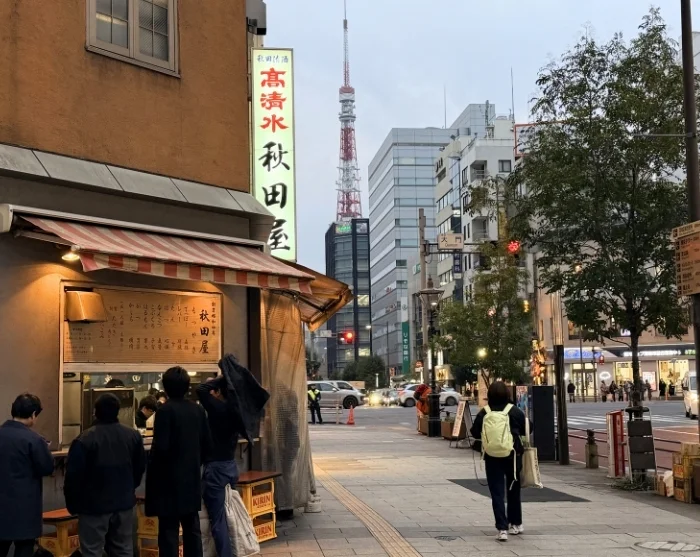
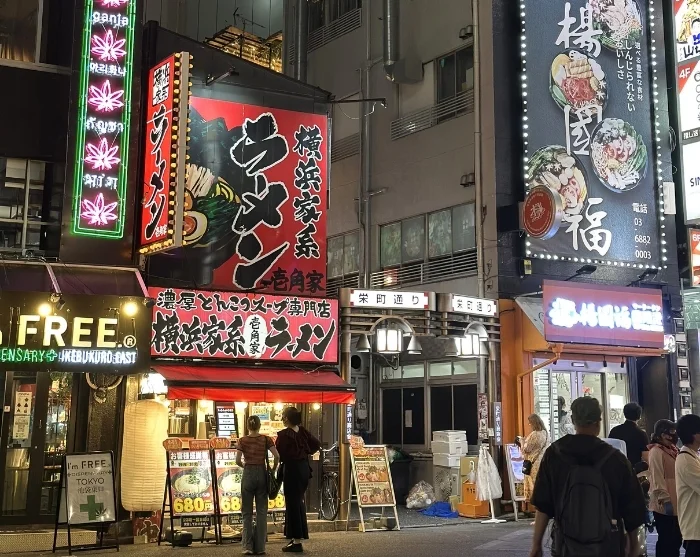
After checking in at your hotel, take some time to explore the city’s modern urban life and sample everything from local delicacies to innovative cuisine along the neon-lit streets. The capital is famous for its Edomae sushi, but just as enticing are the crispy tempura, steaming bowls of ramen, and the delicate yakitori skewers served at local izakayas.
Tokyo, one of the world’s largest cities, is both diverse and full of contrasts. There’s no set formula for what you should experience here. The coming days are yours to spend as you wish, giving you the freedom to explore the Japanese capital at your own pace. You can draw inspiration from the suggestions below, spread them out over your days, or add one of our exciting optional tours.
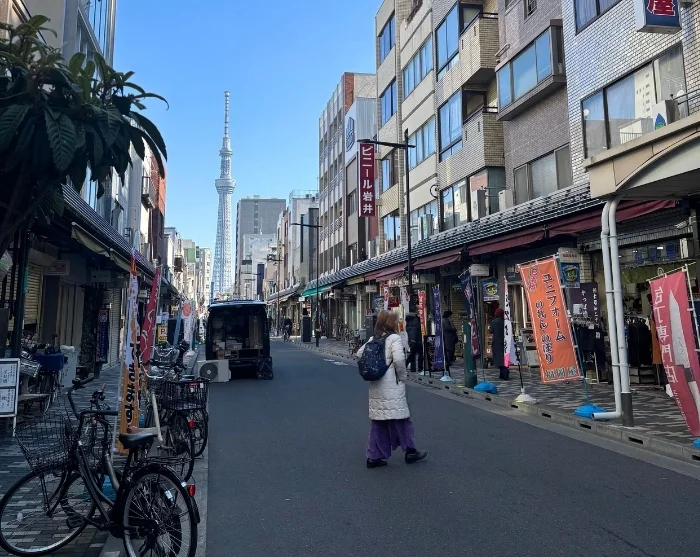
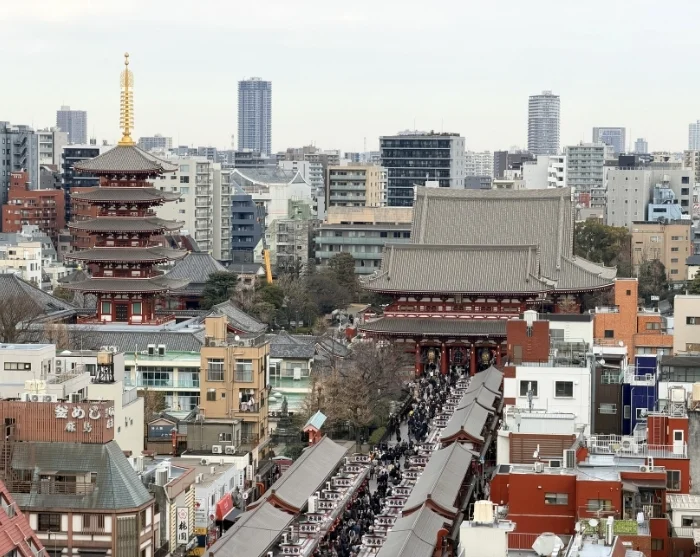
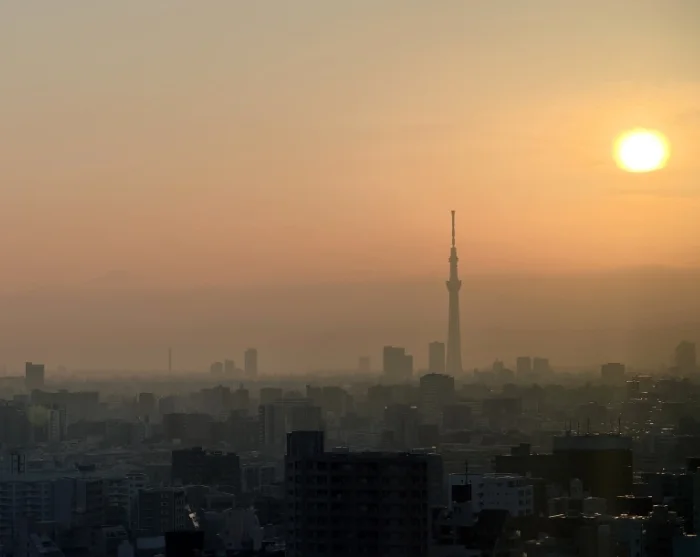
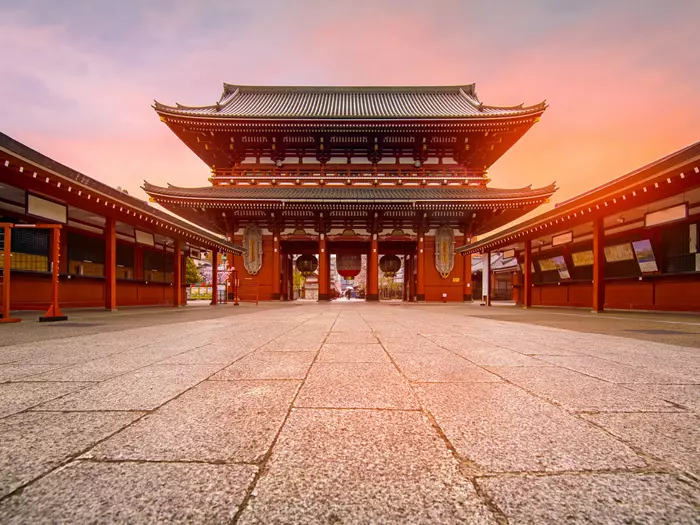
Begin in the lively Asakusa district, home to Tokyo’s oldest and most famous temple, Senso-ji. On your way to the temple, stroll along Nakamise-dori, where the aroma of freshly cooked street snacks mingles with the tempting stalls selling lucky charms, fans, and local delicacies. Just a few streets away, you’ll find a sense of calm along Kappabashi Street, where small shops display Japanese porcelain and fine chef’s knives side by side. Look up, and you’ll see the Tokyo Skytree rising proudly into the sky – a modern symbol of the city. You can admire it from below or, with a ticket in hand, head to the top for a breathtaking view across the metropolis.
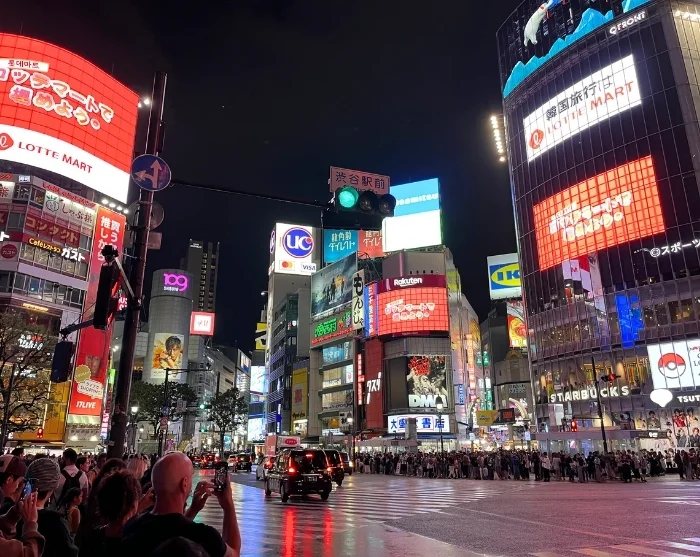
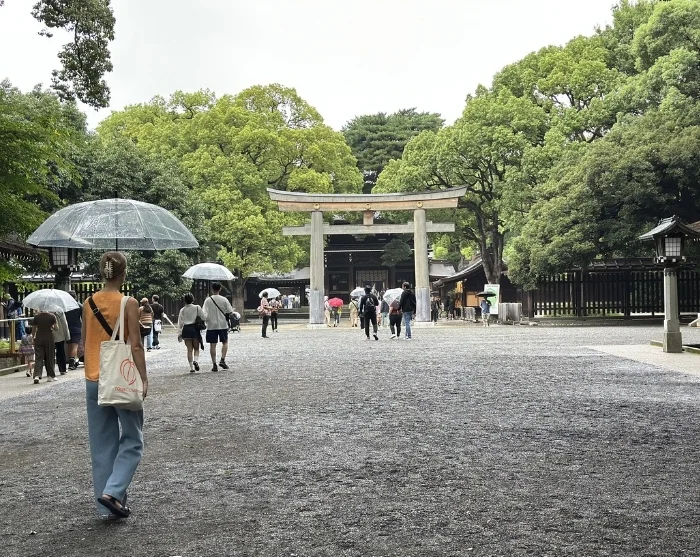
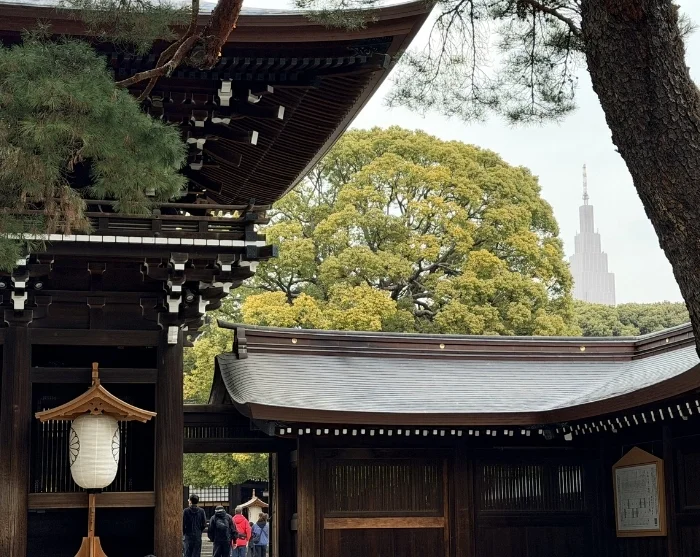
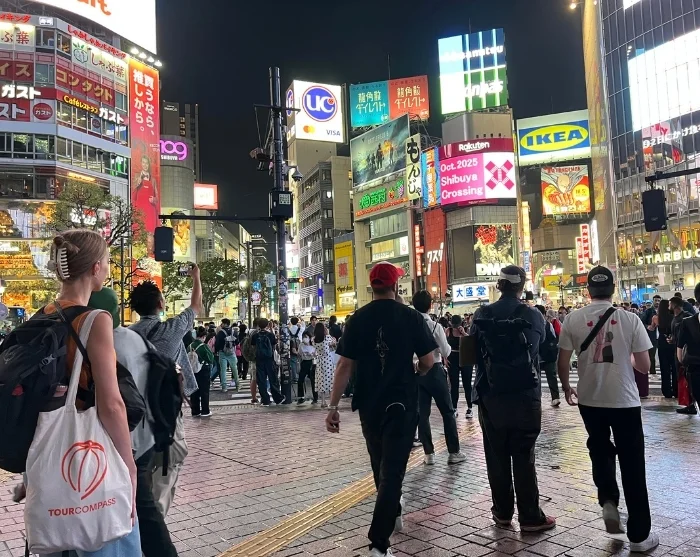
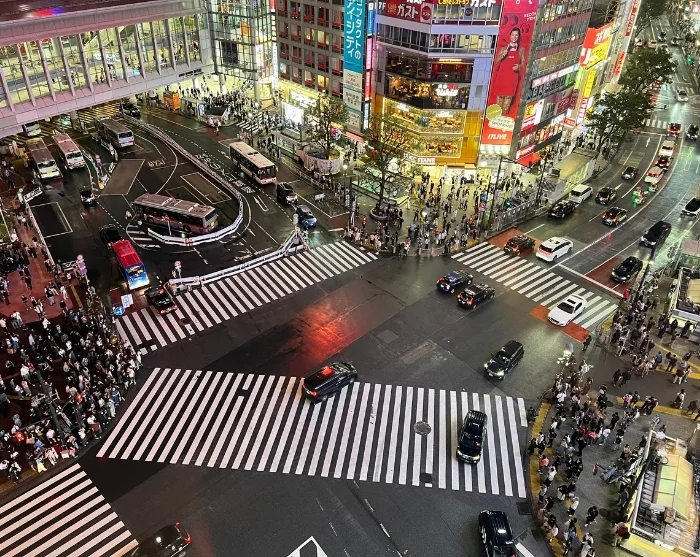
If you’d like to combine several of Tokyo’s iconic districts, you’ll find many conveniently located along the same train line. From Yoyogi Park, where locals jog or unwind in the shade of the large tree canopies, you can head to the peaceful Meiji Shrine, hidden deep within a forest where gravel paths and the scent of cedar wood offer a tranquil escape from the city’s hustle and bustle. Continue on to Shibuya to greet the Hachiko statue and cross the world-famous Shibuya Crossing, which after dark transforms into a mesmerising sea of people best admired from a bar high above the city streets.
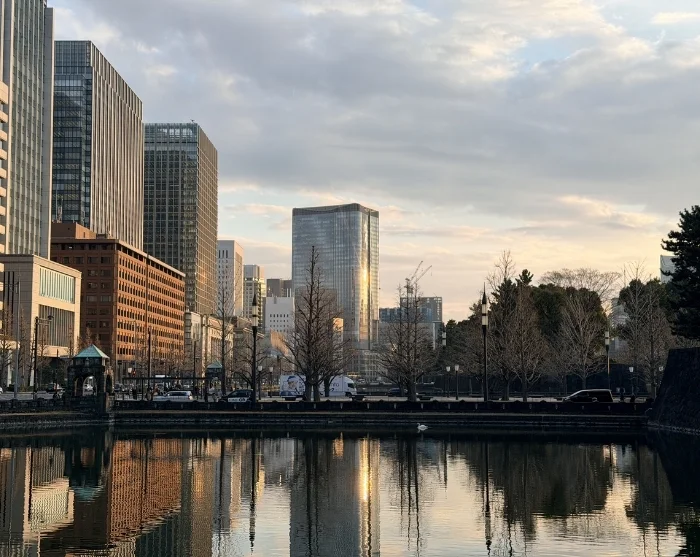
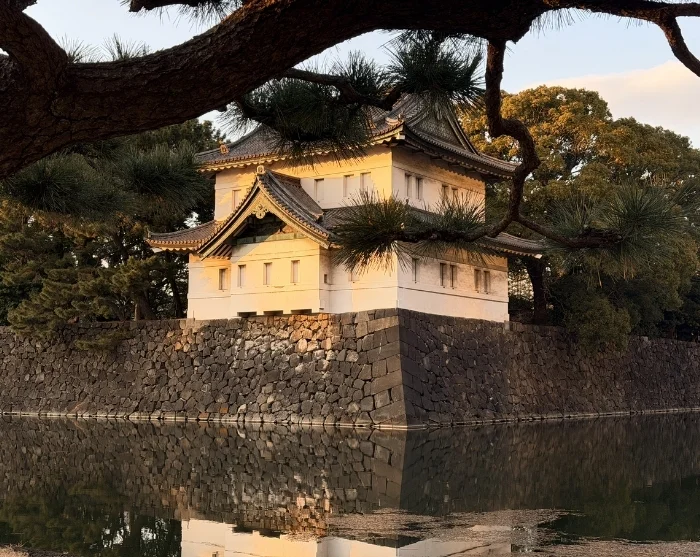
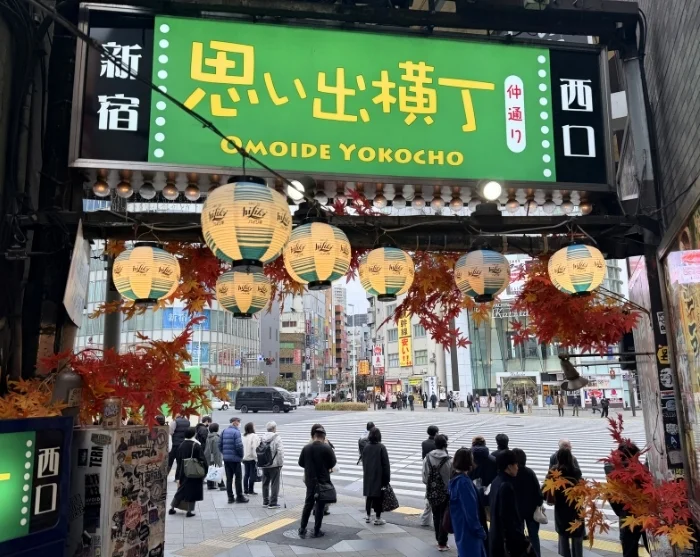
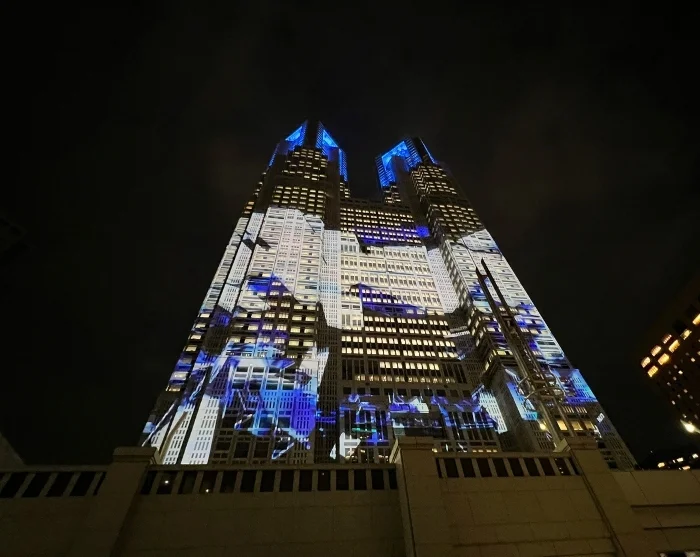
For lunch, make your way to the Tsukiji Market, where small stalls serve freshly prepared sushi, grilled seafood, and Japanese dishes cooked right before your eyes. From here, you can head to Akihabara, where neon signs flash in every direction and the shops are crammed with gadgets, comics, and figurines. For a complete change of pace, continue to Tokyo’s Imperial Palace, where moats, tree-lined avenues, and immaculate gardens offer an elegant glimpse into Japan’s imperial history. End your day in Shinjuku, where you can experience Tokyo’s towering skyscrapers, neon lights, and lively streets, and ride up to the observation deck of the Tokyo Metropolitan Government Building to take in a stunning view of the city’s shimmering sea of lights or enjoy the nightly light show on its iconic façade.
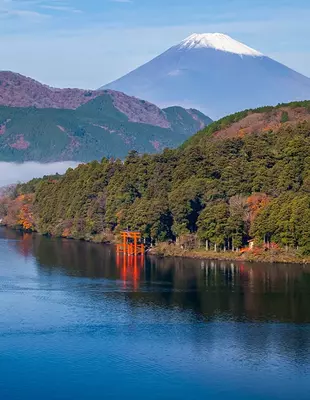
In contrast to the city’s fast pace, you can also spend one of your days on an excursion outside Tokyo. In Nikko, you’ll find lavishly decorated temples and shrines surrounded by forest-covered mountains, including the magnificent Toshogu Shrine, which is listed on the UNESCO world heritage list. Alternatively, visit Hakone National Park, where hot springs, a cruise on Lake Ashi, and, on clear days, the iconic view of Mt. Fuji make for the day’s highlights.
Whatever the day has brought, the evening is the perfect opportunity to delve into Tokyo’s vibrant culinary scene. You might opt for an intimate sushi bar with just a few seats, a bustling ramen shop with a queue at the door, or a restaurant high above street level and turn dinner into yet another highlight of your day.

The tour is drawing to a close, but you’ll head home with your suitcase full of experiences, sensory impressions, and unforgettable encounters with Japan’s historic cities, traditional culture, and modern everyday life.
In good time before your flight departure, you’ll be picked up from your hotel and driven to the airport, where your journey back to Europe begins, with one or more connecting flights along the way.
You’ll land at your selected airport and can look back on a tour that has offered you both traditional and modern Japan – and perhaps even sparked a longing to one day return.
|
|
Millie’s passion for travel sparked when she was little, and now she loves to help others fulfil their travel dreams
We know your time is precious. That's why we strive to provide personalised, attentive service to ensure your comfort and safety throughout your tour. From the moment you book to the moment you return home, we’re here to handle every detail with the utmost care.
We offer a diverse array of destinations, each promising its own unique story, shaped by its local cultures, fascinating wildlife, and natural beauty.
We design every tour based on the extensive research and first-hand experiences of our travel specialists and experts. Each tour is crafted to showcase the best each country has to offer.

With us, you can rest assured; your journey is in safe hands. We are ATOL certified and a proud member of ABTA, maintaining rigorous standards of quality and service to ensure your complete peace of mind.