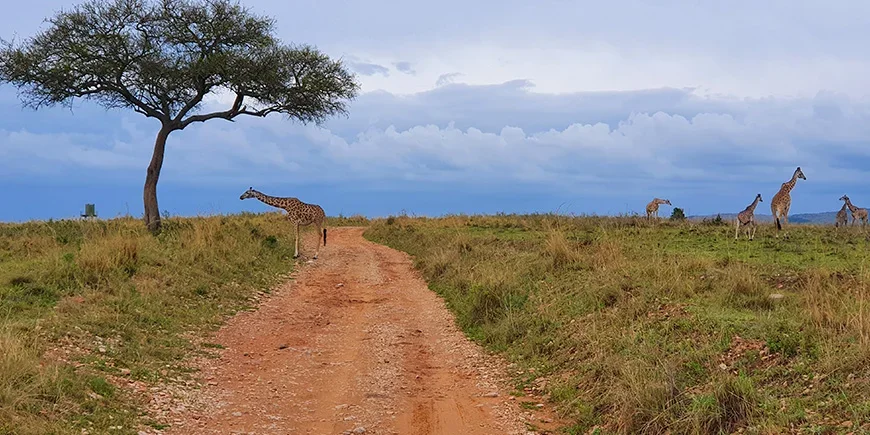
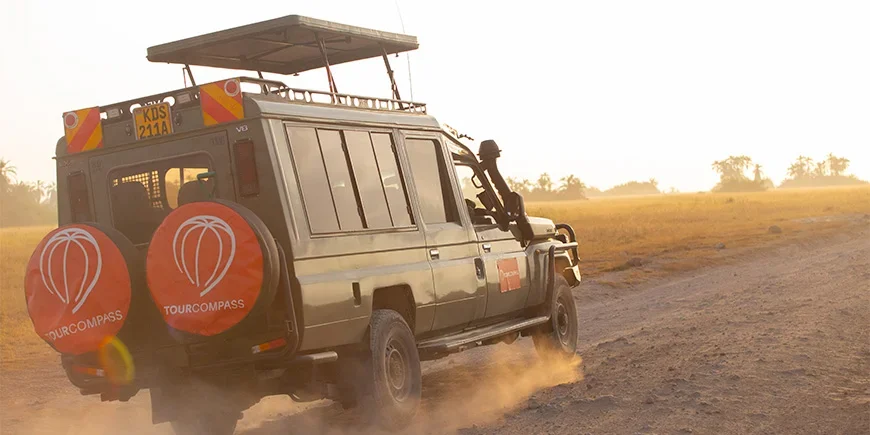
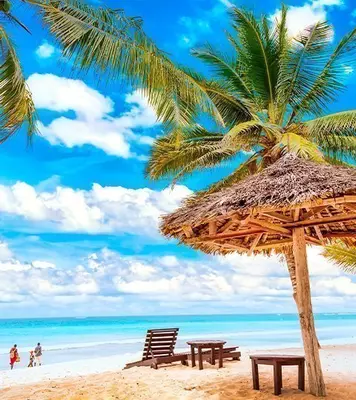
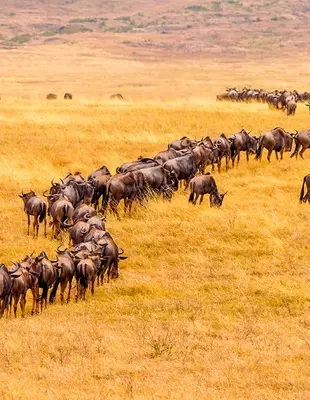
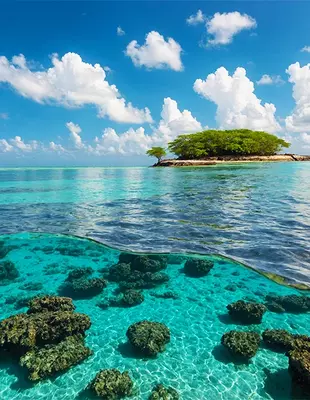
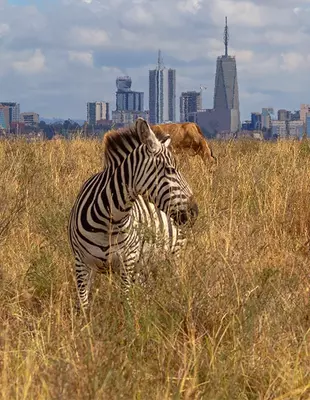
Spectacular safari experiences, vibrant city life, and relaxing beach holidays – in a diverse country like Kenya, the possibilities are endless.
But when is the best time to go?
The weather in Kenya and the different seasons play a key role in determining the best time to visit, whether you’re travelling for the landscapes, the wildlife, or the beautiful beaches.
In this blog post, you’ll find our guide to Kenya’s weather and what to expect throughout the various seasons.
This guide is for general reference: Even during the dry season you may experience rain – and, conversely, you might travel during the rainy season without seeing a single drop.
When is the best time to visit Kenya?
The best time to visit Kenya is during the long dry season between June and October or the short dry season between January and February/mid-March.
However, Kenya is a year-round destination, and the rainy seasons from March to May and November to December each have their own unique charm. So, the best time to travel really depends on the experiences you value the most.
Kenya’s seasons – when is it dry and rainy season?
Kenya lies on the equator and therefore enjoys a tropical climate. This means the country doesn’t follow the traditional seasons we know at home, but instead alternates between dry and rainy periods. Its diverse geography – spanning coastal regions, highlands, savannahs, and deserts – creates noticeable regional climate variations.
January to February/mid-March (the short dry season)
The dry season typically offers what many would call the ‘best’ weather – sunny days with clear skies, warm temperatures, and very little rainfall. The dry climate is ideal for safaris, as it makes it easier to spot wildlife. This is also the time of year when Kenya attracts the greatest number of visitors.
However, the hot and dry conditions also mean that certain months can be very dusty. As the rainy season approaches, temperatures can rise significantly and humidity can become quite high.
Rainy season in Kenya
The rainy seasons in Kenya run from
(mid-)March to May (the long rainy season)
November to December (the short rainy season)
During the rainy seasons, Kenya usually experiences showers, more pleasant temperatures, and less dust.
The increased rainfall transforms the landscape into a lush green paradise in full bloom. It can also be a welcome relief from the intense heat and humidity that often mark the end of the dry season.
We love travelling during the rainy season because it offers a unique chance to enjoy a calmer and more intimate safari holiday compared to the busier months. While some rain is to be expected, you may also be lucky enough to have dry days. Plus, it’s often cheaper to travel during the long rainy season (April and May) than during the rest of the year.
Want to know what the weather is like each month? Read on below.
The weather in Kenya month by month
Kenya’s weather changes throughout the year, and each month has its own unique charm.
Below you’ll find an overview of Kenya’s weather year-round, giving you an idea of the climate and experiences that await you month by month.
January in Kenya
With warm, sunny, and relatively dry weather, January is a wonderful month to visit Kenya. Thanks to the recent rainy season, the landscapes in Kenya’s national parks have become lush and vibrant, creating a stunning backdrop for unforgettable safari experiences.
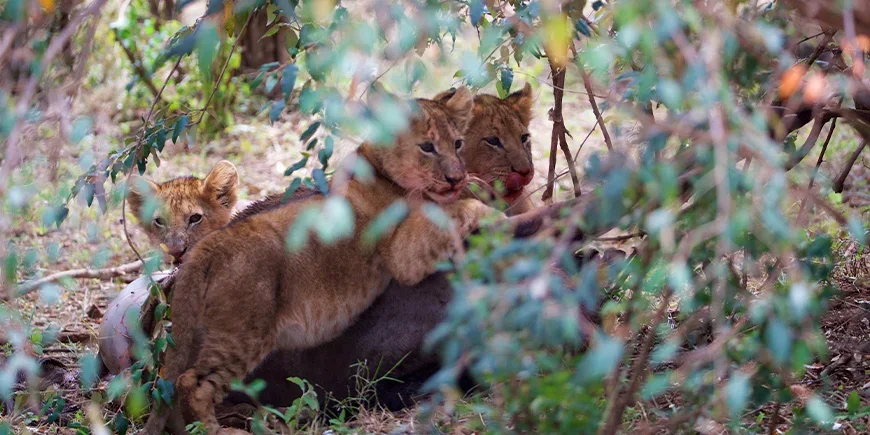
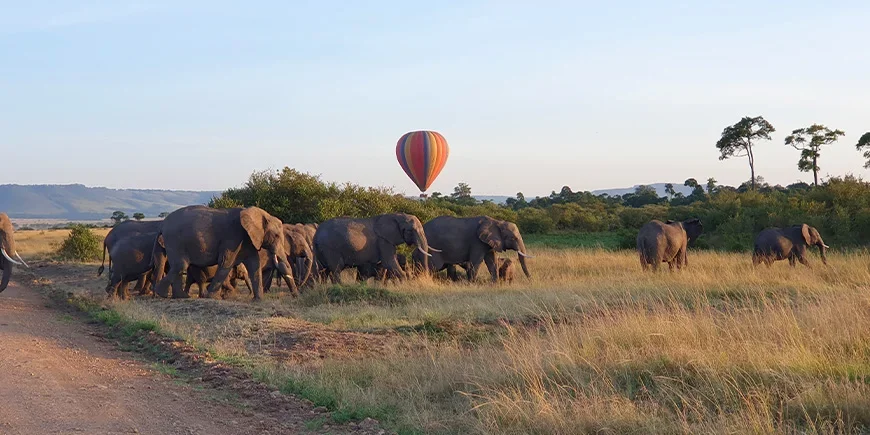
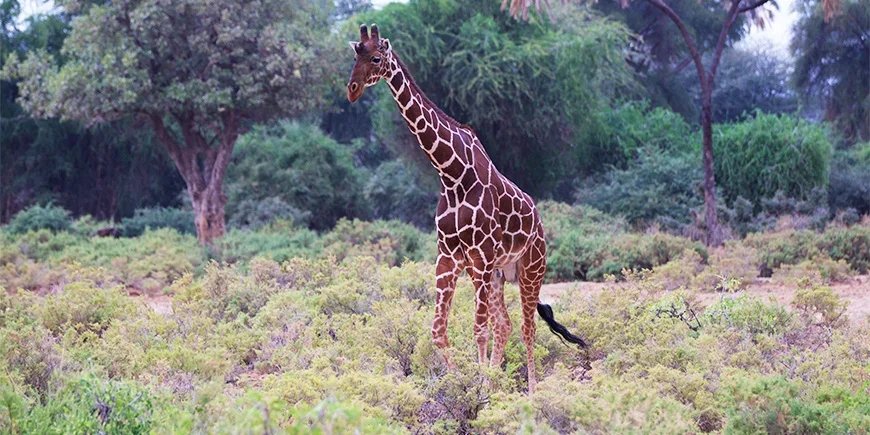
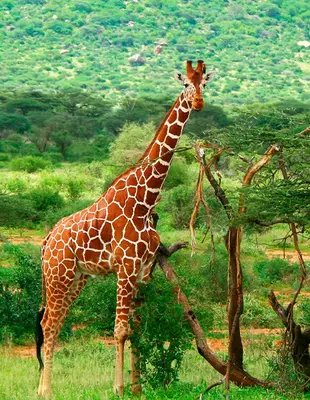
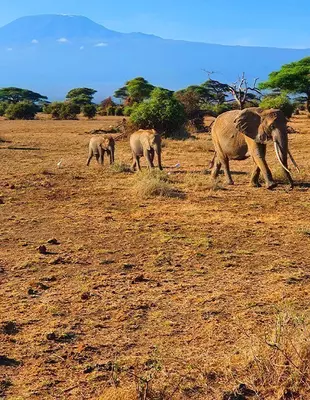
January and February are calving season for animals such as zebras and impalas. Along with all the newborns, this also means hungry predators are on the prowl. In the dry landscapes of Samburu, wildlife spotting becomes easier, especially when looking for the Special Five (the reticulated giraffe, Grevy’s zebra, gerenuk, Beisa oryx, and Somali ostrich), which gather along the banks of the Ewaso Ng’iro River. If you dream of visiting Amboseli, you can look forward to seeing large herds of elephants roaming across its open plains.
Along Kenya’s coast, warm and sunny days await, with daytime temperatures of around 30°C, making January ideal for a beach holiday at gems such as Malindi Beach or Diani Beach.
January in Kenya – summary:
Season: Short dry season.
Weather: Sunny, warm, and generally dry with pleasantly high temperatures.
Experiences: A fantastic month for safari holidays, abundant wildlife and warm, sunny days by the coast.
February in Kenya
Weather in Kenya in February offers plenty of sunshine and clear blue skies (with occasional showers), and February is among the hottest months of the year.
The dry weather during the dry season causes the vegetation to thin out, making it easier to spot animals that usually hide in the bushes or tall grass. It also becomes easier to see the many gazelles and impalas calving on the plains – and these newborns quickly attract hungry lions, cheetahs, and leopards.
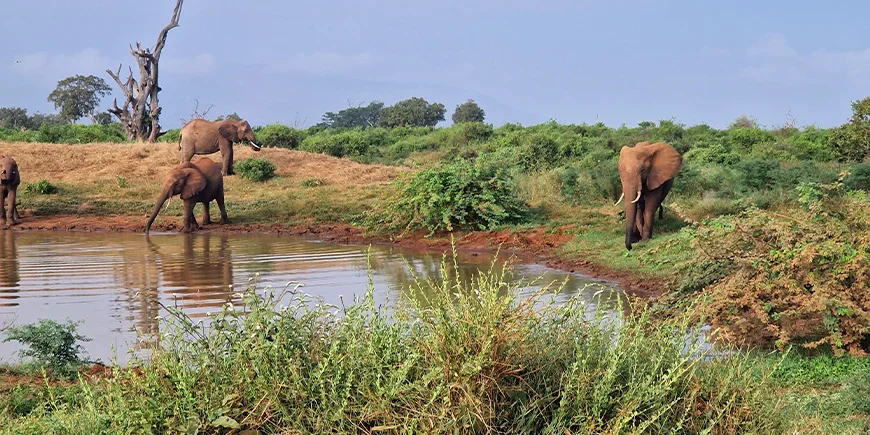
If you head to Tsavo East, you can look forward to seeing the iconic red elephants gathering around rivers and waterholes in the arid landscape. The start of the year is also excellent for birdwatchers, as many European migratory birds have been wintering in Kenya since October.
February is also a perfect time for a beach holiday by the Indian Ocean, where the waves are warm and inviting at this time of year.
February in Kenya – in summary:
Season: Short dry season (one of the hottest months of the year).
Weather: Dry and very sunny, often with high temperatures and increasing humidity levels.
Experiences: Excellent for safari holidays, with many young animals and plenty of predator activity, as well as great conditions for a beach holiday.
March in Kenya
March marks the beginning of the long rainy season, so it’s a good idea to bring rain gear when visiting Kenya during this period – especially if you’re heading to the Masai Mara, where the rains usually start a little earlier than in parks like Samburu, which lies further north. Although the showers can be heavy, they’re generally short, leaving you with plenty of time to explore between rainfalls.
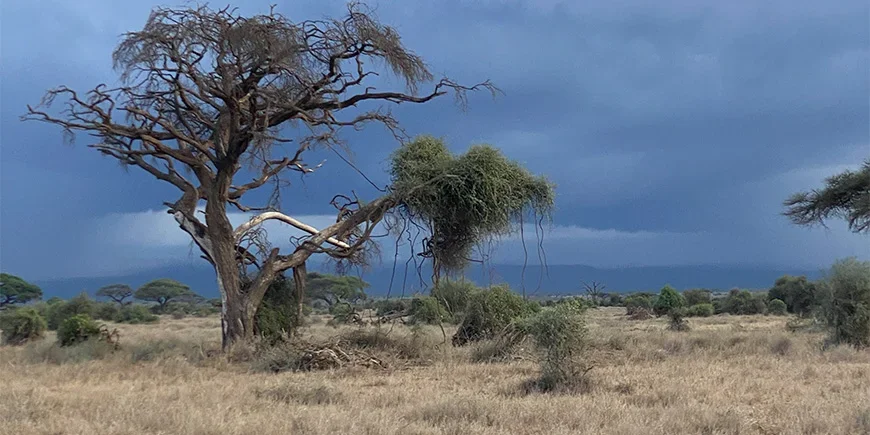
The wet weather brings the landscape to life, offering you the chance to experience Kenya’s wildlife against a backdrop of lush, green scenery.
March in Kenya – summary:
Season: The beginning of the long rainy season.
Weather: Still warm, with showers becoming more frequent, especially towards the end of the month.
Experiences: Excellent safari opportunities remain, with greener landscapes and fewer visitors in the parks towards the month’s end.
April in Kenya
April is one of the wettest months in Kenya, but that doesn’t mean you should stay away.
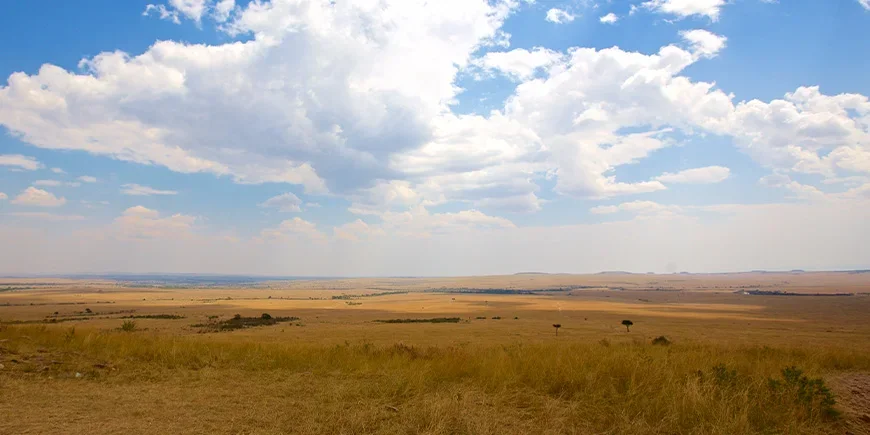
With the rain comes a lush, revitalised landscape where wildlife may be a little harder to spot. On the other hand, the rains breathe new life into nature and create stunning photo opportunities – for example, in the Masai Mara, where the once dry, golden savannah transforms into a gorgeous deep green.
If you’re a bird enthusiast, the rainy season is also a spectacular time to visit Tsavo National Park, where more than 500 bird species are drawn to the lush surroundings and plentiful water sources.
As April falls within the low season, you can enjoy a safari at the most affordable prices of the year. Look forward to intimate and unforgettable safari experiences!
April in Kenya – summarised:
Season: The long rainy season (one of the wettest months).
Weather: Frequent, heavy downpours, lush green landscapes, and mild to warm temperatures.
Experiences: Quieter parks, dramatic skies, and stunning scenery.
May in Kenya
May continues much as April left off, with a chance of substantial rainfall. However, May is also a transition month, and while the early weeks often bring regular showers, the latter part of the month usually reveals a drier and sunnier side.
As May is still low season in Kenya, you’ll have plenty of space to explore Kenya’s attractions – for example, by Lake Naivasha, where you might be lucky enough to spot adorable newborn impalas. In Tsavo West, the rains have transformed the park into a tapestry of vibrant green hues and replenished the Mzima Springs.
In May, it’s still possible to travel at some of the year’s lowest prices.
May in Kenya – summary:
Season: Long rainy season (tapering off towards the end of the month).
Weather: Still quite a bit of rain, transforming the landscape into a lush explosion of green, but also with longer dry and sunny periods.
Experiences: Excellent opportunities to experience wildlife without too many other visitors. Stable weather along the coast.
June in Kenya
In June, Kenya’s rainy season gives way to the long dry season (June to October), which many consider the best time to visit. The days become clearer and sunnier, and the temperatures are pleasantly warm without being too hot. Conditions are ideal for all kinds of outdoor adventures.
For example, you can go on a safari in Tsavo National Park, where red-dusted elephants gather around watering holes, spot the Special Five in Samburu, or treat yourself to a peaceful beach holiday by Mombasa, where the warm temperatures invite you to enjoy relaxing days by the sea.
June in Kenya – summary:
Season: The start of the long dry season.
Weather: Dry days, pleasantly warm daytime temperatures, and cooler nights, especially in the highlands.
Experiences: A truly excellent safari month when the wildlife gathers around the waterholes.
July in Kenya
July brings pleasant weather with moderate temperatures and mostly dry conditions, making it a wonderful month for adventures under Kenya’s big, open skies. It’s also one of the most popular months of the year to visit, attracting many travellers who come for the ideal safari and beach conditions.
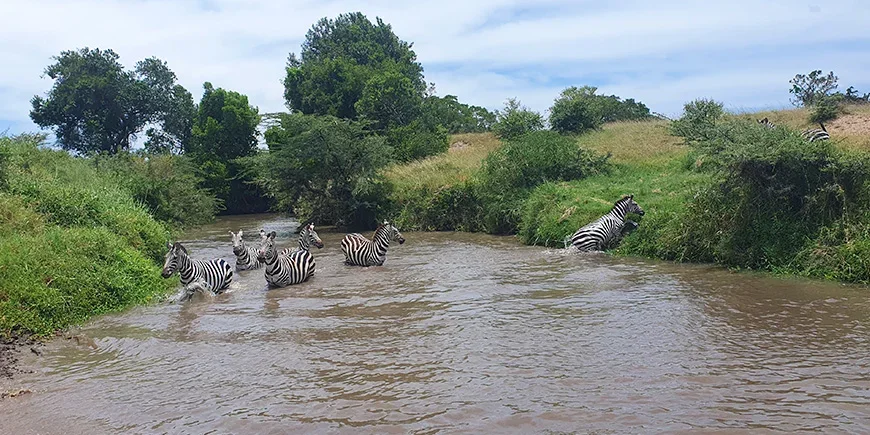
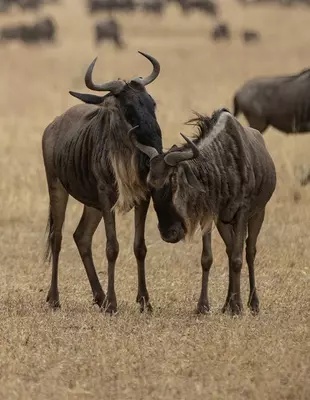
The dry season means that animals congregate wherever there’s water, making them easier to spot on the savannah. For example, in Amboseli you can see large herds of elephants set against the majestic backdrop of Kilimanjaro. Many people also travel to the Masai Mara in July to witness huge herds of wildebeest throw themselves into the Mara River as they make their way into the Masai Mara in search of fresh pasture.
July’s dry weather can, however, mean a lot of dust in the national parks. The longer it’s been since the last rainfall, the dustier it gets. July’s popularity is also reflected in the prices – high demand makes it one of the most expensive times of the year to travel to Kenya.
July in Kenya – in summary:
Season: Long dry season (peak safari season).
Weather: Dry, sunny, and relatively cool in the highlands, pleasantly warm along the coast.
Experiences: A fantastic month for safaris across all of Kenya’s national parks, and a great time to combine with a beach holiday.
August in Kenya
August is typically a sunny month in Kenya, with mostly dry days and warm temperatures – no matter where you are in the country. Thanks to the pleasant weather, August is considered by many to be one of the best months to visit Kenya.
The Great Migration continues with dramatic river crossings at the Mara River, and the dry weather draws wildlife to the few remaining waterholes in the national parks. For this reason, August is an excellent month for a safari holiday in Kenya if you want the best chances of seeing animals. However, like July, it’s also among the most expensive months of the year.
August in Kenya – summary:
Season: The long dry season continues.
Weather: Dry, sunny, and rather dusty in the national parks, with great conditions along the coast.
Experiences: A great month for safari holidays, when wildlife is easier to spot.
September in Kenya
If you visit Kenya in September, you can usually expect plenty of sunshine, pleasant temperatures, and the driest weather of the year.
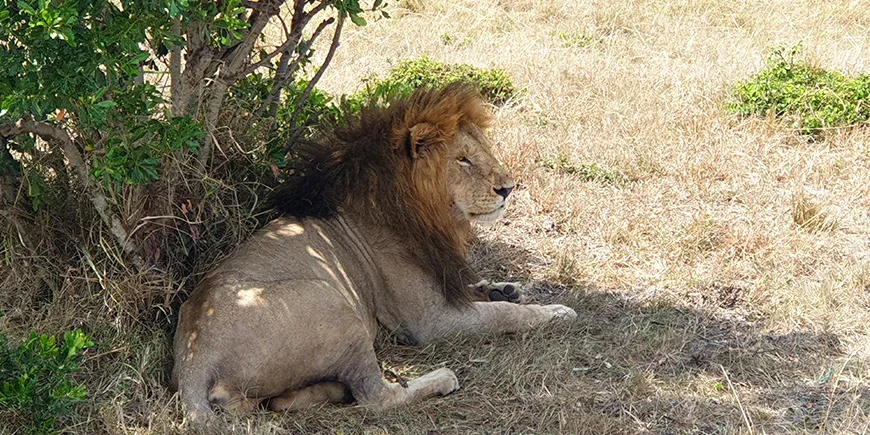
By this time, it’s often been quite a while since the last rainfall. The national parks can be very dusty, and it becomes harder and harder for the animals to find water. The landscape is bare, which makes it easier for safari-goers to spot wildlife – from birds of prey perched in the open trees to lions resting behind the bushes.
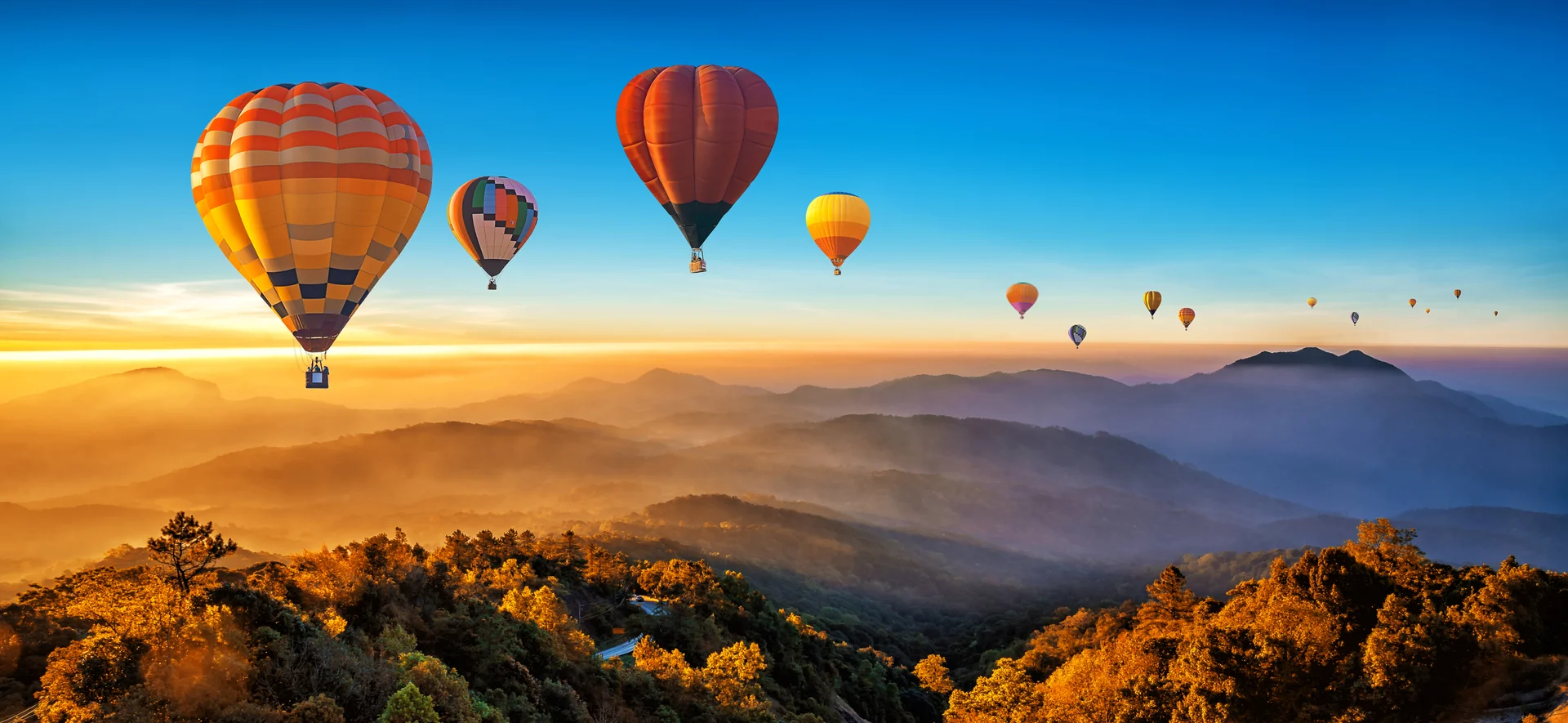
Take advantage of the perfect weather with a hot-air balloon ride over the savannah in Amboseli National Park, where clear skies provide breathtaking views of the majestic Kilimanjaro – or head to the Masai Mara for one of the last opportunities of the year to witness the wildebeest migration across the Mara River, which generally continues through to October.
September in Kenya – summarised:
Season: Long dry season (final part).
Weather: Still dry, sunny, and dusty – slightly warmer than in July and August.
Experiences: A fantastic month for a safari holiday, with wildlife easy to spot.
October in Kenya
In October, the weather begins to change as Kenya’s short rainy season slowly approaches. The days remain warm and mostly sunny, but humidity rises and occasional showers may occur.
The shift in weather brings fewer travellers to Kenya, meaning you can go in search of the Big Five in the national parks without too much commotion around you. In the heat, a swim in the sea off Mombasa or a visit to Nairobi’s colourful markets and museums feels especially refreshing.
With the first drops of rain, birdlife gradually stirs to life in the various national parks, and in many places, migratory birds begin arriving from Europe and North Africa.
October in Kenya – in summary:
Season: Transition from the long dry season to the short rainy season.
Weather: Still plenty of dry, sunny days, though showers become more frequent towards the end of the month.
Experiences: A great balance of excellent safari conditions, fewer visitors, and the chance to take advantage of lower off-season prices.
November in Kenya
In November, the dry season comes to an end, bringing a period of heavier rainfall across Kenya. The rain usually arrives in sudden afternoon or early evening showers, which means there are still plenty of opportunities to explore Kenya’s landscapes and wildlife in dry weather – for example, spotting some of the many migratory birds that started arriving in October in search of warmer climates.
Although November is one of Kenya’s wetter months, there are parts of the country that see very little rain. The south-eastern coastal areas – including the coastal city of Mombasa – are, for instance, known for being relatively dry.
November in Kenya – summary:
Season: Short rainy season.
Weather: More frequent, though often brief, showers, warm temperatures, and a lush, green landscape.
Experiences: A great month for those seeking vibrant nature, dramatic skies, and fewer visitors – both on safari and along the coast.
December in Kenya
December is the perfect time to travel if you’re dreaming of swapping the chill of the European winter for adventure under warmer skies. At this time of year, Kenya offers not only pleasantly warm temperatures but also a beautifully green and flourishing landscape, thanks to the brief showers of the rainy season.
In addition to its glorious scenery, December is also ideal for safari – for example in the Samburu National Reserve, where the weather is among the best of the year. Here you can enjoy sightings of colourful migratory birds and the wonderful spectacle of newborn animals taking their first steps on the savannah.
December in Kenya – summary:
Season: The short rainy season gradually draws to an end.
Weather: A mix of sunshine and showers, generally warm and pleasant, especially along the coast.
Experiences: A great month for both safari holidays and beach holidays, particularly in the second half, when the weather tends to become more stable again.
Have you decided when to travel?
Kenya offers incredible experiences all year round, ensuring you’ll enjoy unforgettable moments no matter when you choose to visit.
Still unsure when to embark on a tour to Kenya? Get in touch with our experienced travel specialists, who will help you find the perfect time to make your travel dreams come true!
On this tour, you will experience Kenya’s greatest highlights: Amboseli, Lake Naivasha, and Masai Mara. The journey rounds off with a relaxing beach holiday on the exotic island of Zanzibar.
Combine your relaxing beach holiday in Mombasa with a safari where you experience the gorgeous nature and fantastic animal life of three national parks, Amboseli, Tsavo East and Tsavo West.
Experience the greatest highlights from the vast plains of the Masai Mara, the lush Great Rift Valley, and spectacular views of elephants and Kilimanjaro in Amboseli. Round off your adventure with a relaxing beach holiday on Kenya’s coast.
Experience the ‘special five’ in Samburu, spot rhinos at Nakuru, and enjoy a classic Kenyan safari in the Masai Mara. A tour filled with breathtaking scenery and diverse national parks.
Serengeti & Masai Mara: Visit two of the world’s best safari destinations on one tour. You travel from Kenya to Tanzania – and back, from where you can choose to extend your tour with a beach holiday.
The classic tour featuring the very best highlights – from the remote plains of the Masai Mara, through the lush Great Rift Valley, to the elephants of Amboseli with views of Kilimanjaro.
Embark on a diverse and adventure-filled safari through Samburu, Lake Nakuru, and Masai Mara, rounding off your journey with a relaxing beach holiday on Kenya’s pristine white-sand coast.
Kilimanjaro, Africa’s tallest mountain, is the focal point of this adventurous tour to Kenya and Tanzania. Look forward to amazing safari drives, nature and culture – all offering splendid views of Kilimanjaro!
Go on safari in Kenya with views of Kilimanjaro and a good chance of experiencing the Big Five – and discover Mauritius’s wild nature and chalk-white sandy beaches.
From Kenya’s vibrant capital, Nairobi, to safaris in Amboseli National Park with views of Kilimanjaro. Continue to Uganda, where you’ll go trekking in the rainforest in search of mountain gorillas.
If you’re dreaming of a five-star “All Inclusive” beach holiday on the Kenyan coast blended with authentic African safari experiences in Kenya’s largest national park, then this is the tour to consider.
Join us on a legendary train journey from Kenya’s vibrant capital, Nairobi, to the red elephants of the country’s largest national park, Tsavo. After a few days of safari, the train journey continues towards the stunning Kenyan coast.
Savour the tastes of Nairobi before embarking on a safari in Amboseli National Park with views of Kilimanjaro. Enjoy a relaxing train journey en route to a beach holiday by Mombasa. City life, safari, and a beach holiday all in one trip.
On this tour, you will experience Kenya’s greatest highlights: Amboseli, Lake Naivasha, and Masai Mara. The journey rounds off with a relaxing beach holiday on the exotic island of Zanzibar.
Combine your relaxing beach holiday in Mombasa with a safari where you experience the gorgeous nature and fantastic animal life of three national parks, Amboseli, Tsavo East and Tsavo West.
Experience the greatest highlights from the vast plains of the Masai Mara, the lush Great Rift Valley, and spectacular views of elephants and Kilimanjaro in Amboseli. Round off your adventure with a relaxing beach holiday on Kenya’s coast.
Experience the ‘special five’ in Samburu, spot rhinos at Nakuru, and enjoy a classic Kenyan safari in the Masai Mara. A tour filled with breathtaking scenery and diverse national parks.
Serengeti & Masai Mara: Visit two of the world’s best safari destinations on one tour. You travel from Kenya to Tanzania – and back, from where you can choose to extend your tour with a beach holiday.
The classic tour featuring the very best highlights – from the remote plains of the Masai Mara, through the lush Great Rift Valley, to the elephants of Amboseli with views of Kilimanjaro.
Embark on a diverse and adventure-filled safari through Samburu, Lake Nakuru, and Masai Mara, rounding off your journey with a relaxing beach holiday on Kenya’s pristine white-sand coast.
Kilimanjaro, Africa’s tallest mountain, is the focal point of this adventurous tour to Kenya and Tanzania. Look forward to amazing safari drives, nature and culture – all offering splendid views of Kilimanjaro!
Go on safari in Kenya with views of Kilimanjaro and a good chance of experiencing the Big Five – and discover Mauritius’s wild nature and chalk-white sandy beaches.
From Kenya’s vibrant capital, Nairobi, to safaris in Amboseli National Park with views of Kilimanjaro. Continue to Uganda, where you’ll go trekking in the rainforest in search of mountain gorillas.
If you’re dreaming of a five-star “All Inclusive” beach holiday on the Kenyan coast blended with authentic African safari experiences in Kenya’s largest national park, then this is the tour to consider.
Join us on a legendary train journey from Kenya’s vibrant capital, Nairobi, to the red elephants of the country’s largest national park, Tsavo. After a few days of safari, the train journey continues towards the stunning Kenyan coast.
Savour the tastes of Nairobi before embarking on a safari in Amboseli National Park with views of Kilimanjaro. Enjoy a relaxing train journey en route to a beach holiday by Mombasa. City life, safari, and a beach holiday all in one trip.
...11 daysFrom £%s
General Info
Latest articles
Timeless wonders: 10 ruins that bring history to life